
Selecting the perfect mattress firmness is essential for achieving restful sleep, but the decision becomes even more critical when dealing with space-saving furniture. If you are looking to purchase a jean perry bed foldable option, finding the right balance of support and comfort is key to preventing morning aches. Because foldable mattresses are designed to be portable and compact, they typically have a thinner profile than standard mattresses, meaning the firmness level you choose directly impacts how well the mattress supports your body without bottoming out.
Quick Diagnostic: Which Firmness Level Do You Need?
To find the ideal firmness for your foldable mattress, you must first understand how your sleep posture and body weight interact with a thinner mattress profile. Foldable beds must pack essential support into a depth that is usually between 2 to 5 inches. Without the deep support layers found in traditional pocketed spring mattresses, a foldable mattress relies heavily on its foam density to keep your spine aligned. If a mattress is too soft, your heaviest body parts will sink straight through to the hard floor beneath; if it is too firm, it can feel like sleeping on an unyielding surface.
A quick diagnostic assessment can point you in the right direction before you dive into specific product specifications. Generally, side sleepers and individuals with lighter body weights require a softer to medium-firm surface that cradles the shoulders and hips to relieve pressure. Conversely, back sleepers, stomach sleepers, and heavier individuals need a firm or high-density foam base to distribute weight evenly and prevent the lower back from sagging. By matching your primary sleep style and physical profile with the correct density, you can ensure your compact bed delivers the same restorative sleep as a full-sized setup.
Products mentioned in this guide
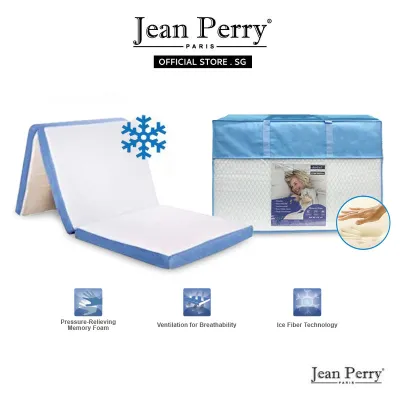

Prices are valid at publication and may change. Please refer to the product page for the latest price.
Step 1: Match Firmness to Your Sleeping Position
Your sleeping position is the primary factor determining how your body weight is distributed across the mattress. On a foldable bed, the lack of thick comfort layers means that pressure points can form rapidly if the surface does not match your natural posture. Understanding these dynamics helps you identify whether you need a surface that contours to your body or one that provides solid resistance.

Side Sleepers
Side sleeping is the most common posture, but it is also the most demanding when it comes to pressure relief. When you sleep on your side, your entire body weight is concentrated on relatively small surface areas: the shoulders and the hips. To prevent these areas from experiencing painful pressure buildup, a side sleeper requires a softer to medium firmness level.
If you place a side sleeper on an excessively firm foldable mattress, the lack of give will force the spine out of alignment, leading to shoulder stiffness and lower back pain by morning. Look for foldable models that incorporate a plush comfort layer, such as memory foam or a softer polyurethane foam topper, which allows the hips and shoulders to sink just enough to keep the spine straight.
Back and Stomach Sleepers
Back and stomach sleepers require an entirely different support profile than side sleepers. For these positions, the primary goal is to keep the spine in a neutral, flat position, preventing the pelvis and abdomen from sinking too deeply into the mattress. If the midsection sags, it hyperextends the lumbar spine, leading to chronic lower back strain.
To avoid this, back and stomach sleepers should opt for a medium-firm to firm foldable mattress. A high-density foam base is crucial here, as it provides the necessary upward resistance to support the heavier torso area. When shopping for a foldable bed, prioritize models that emphasize a solid, supportive core rather than thick, pillowy comfort layers.
Combination Sleepers
If you find yourself tossing and turning, shifting from your side to your back throughout the night, you are a combination sleeper. This dynamic style requires a versatile middle ground that can adapt to different positions without causing discomfort in any of them. A medium-firm mattress is universally recognized as the best compromise for combination sleepers.
A medium-firm foldable bed offers enough surface contouring to cushion your shoulders when you turn onto your side, while maintaining enough structural integrity to support your spine when you roll onto your back. When evaluating options, check if the model features a multi-layer construction—such as a resilient high-density foam base topped with a slightly softer transition layer—rather than a single, uniform block of foam, which can feel either too hard or too soft depending on your posture.
Step 2: Adjust for Your Body Weight
While sleeping position provides an excellent baseline, your body weight is the variable that determines how a mattress actually feels in practice. Firmness is highly subjective; a mattress labeled “medium-firm” by a manufacturer might feel incredibly stiff to a lightweight person, while a heavier individual might find it far too soft. Adjusting your choice based on your weight category ensures you get the real-world feel you expect.
Lighter Sleepers (Under 60 kg)
Lighter individuals exert less downward force on a mattress, meaning they do not compress the foam layers very deeply. For someone weighing under 60 kg, a standard firm foldable bed will often feel like sleeping on a very hard surface because their body does not generate enough pressure to activate the comfort layers.
If you fall into this weight range, you should generally lean toward the softer end of the recommended spectrum for your sleeping position. For example, if you are a back sleeper who would normally choose a firm mattress, a medium or medium-soft foldable option will likely provide the correct balance of comfort and support for your lighter frame.
Average Weight Sleepers (60–90 kg)
Sleepers weighing between 60 kg and 90 kg represent the standard demographic used by mattress manufacturers to calibrate their firmness ratings. If you fall into this category, you can generally trust the manufacturer’s descriptions and standard industry guidelines without making major adjustments.
For this group, a medium-firm rating will feel truly medium-firm, providing a balanced blend of contouring and support. You can confidently select your mattress based directly on your primary sleeping position as outlined in Step 1, knowing that the foam will compress exactly as intended.
Heavier Sleepers (Over 90 kg)
Heavier individuals exert substantial downward pressure, which can easily overwhelm the thin profile of a standard foldable mattress. If you weigh over 90 kg, the primary risk is “bottoming out”—compressing the foam completely until your body rests against the hard floor or bed frame, which can cause severe joint pain.
To prevent this, heavier sleepers must choose a firm or extra-firm foldable bed. It is highly recommended to look for models that feature thick, high-density foam support cores to ensure the mattress can support your weight over long periods. Avoid ultra-plush or single-layer soft foam options, as they will degrade rapidly under heavier loads.
Step 3: How Your Use Case Influences the Jean Perry Bed Foldable Choice
Beyond physical attributes, the practical context of how, where, and how often you plan to use your foldable bed plays a massive role in determining the right firmness. In Singapore, where space optimization is a priority in HDB flats and condominiums, foldable beds serve various functions, from daily sleeping arrangements to temporary guest accommodations.
Frequency of Use If you plan to use the foldable bed daily—perhaps in a study room, a studio apartment, or a smaller bedroom—durability and precise spinal support are non-negotiable. Daily use requires a high-density, medium-firm to firm mattress that can withstand constant compression without sagging over time. For occasional use, such as hosting relatives during holidays a few times a year, you can afford to prioritize ease of storage and a more forgiving, universally comfortable medium-firm feel that accommodates a wide range of visitors.
Guest Accommodation When buying a foldable bed primarily for guests, you cannot predict the exact sleep preferences or body weights of everyone who will use it. In this scenario, choosing a medium-firm mattress is the safest and most practical decision. Medium-firm is widely regarded as the “universal” comfort level because it offers a balanced compromise that is rarely too hard for side sleepers or too soft for back sleepers, ensuring your guests enjoy a comfortable night’s sleep regardless of their habits.
Portability vs. Comfort Trade-off The physical design of a foldable bed involves a direct trade-off between portability and sleep comfort. Softer, highly cushioned foldable beds often require thicker, multi-layered foam constructions that make the mattress bulkier, heavier, and harder to fold and store. Conversely, firmer mattresses made of high-density foam can achieve excellent support with a much thinner, lighter profile, making them incredibly easy to fold, carry, and tuck away into a wardrobe or under a bed frame. If you live in a compact Singapore home where storage space is at a premium, a thinner, high-density firm mattress may offer the perfect balance of easy handling and reliable support.
Final Verification Checklist for Your Jean Perry Foldable Bed
Before finalizing your purchase, it is essential to look past marketing descriptions and verify the physical specifications of the mattress to ensure it meets your diagnosed firmness and lifestyle needs. Use this checklist to make an informed decision:
- Check Material Layers: Do not rely solely on the brand name. Review the product specifications to identify the exact materials used. Look for high-density polyurethane foam or memory foam layers, and check the ratio of the soft comfort topper to the firm support base.
- Verify Folded Dimensions: Measure your intended storage area—such as a closet, a gap beside a wardrobe, or the space under your main bed—and compare it against the manufacturer's exact folded dimensions. Ensure you can easily store the bed in Singapore's humid climate, ideally in a dry, well-ventilated spot to prevent mold.
- Review Trial and Return Policies: Because firmness is highly personal, testing the mattress in person is always best. Check if the retailer or official store offers a trial period or a clear exchange policy in case the firmness level does not suit your body as expected.
- Inspect Care and Weight Limits: Check the manufacturer's stated maximum weight capacity and care instructions. Confirm that the zipper cover is removable and washable, which is crucial for maintaining hygiene in Singapore's warm climate, and verify that the weight limit safely accommodates your intended users.
Community discussion
Share your experience or ask a question. Comments are reviewed before publication.