
Choosing the right firmness for a single bed mattress requires balancing your sleeping position, body weight, and personal comfort preferences. Because a single mattress is designed for an individual sleeper, you do not need to compromise with a partner’s preferences, allowing you to tailor the selection entirely to your own physical needs. Making the correct choice ensures proper spinal alignment, relieves pressure points, and contributes to restorative sleep.
In Singapore, where single bed mattresses are highly popular for children’s rooms, guest bedrooms, and space-constrained apartments, selecting the right firmness also involves practical considerations. Standard single mattresses here typically measure 91 cm by 190 cm, meaning every centimeter of the sleeping surface must be optimized for comfort and support. By understanding how mattress materials interact with your body, you can make an informed decision that suits your lifestyle and home environment.
Decode Mattress Firmness Scales and Labels
Mattress firmness is highly subjective, meaning what feels like a supportive cushion to one person might feel like a rigid board to another. To help consumers navigate these differences, manufacturers typically rate mattress firmness on a scale from 1 to 10. On this scale, a rating of 1 represents an extremely soft, cloud-like surface, while a 10 represents an exceptionally hard, unyielding surface.
Products mentioned in this guide
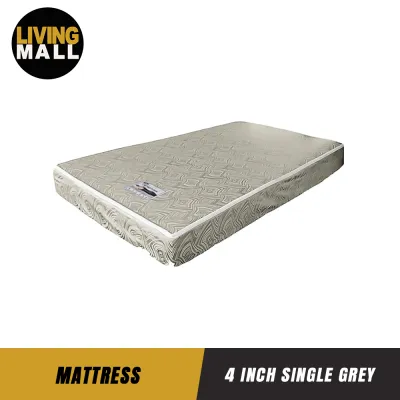
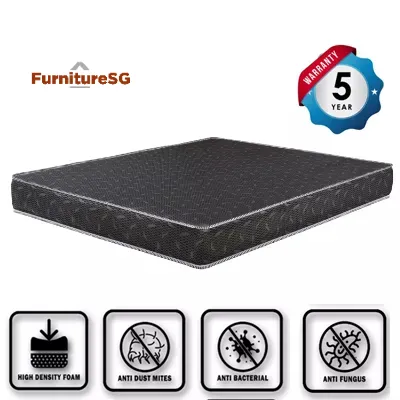
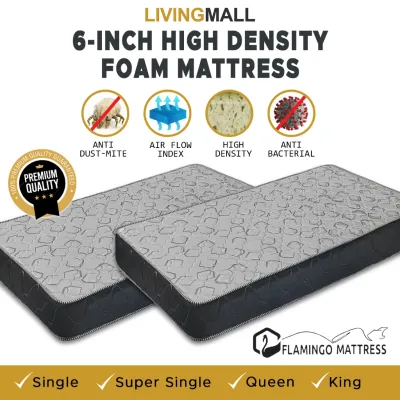
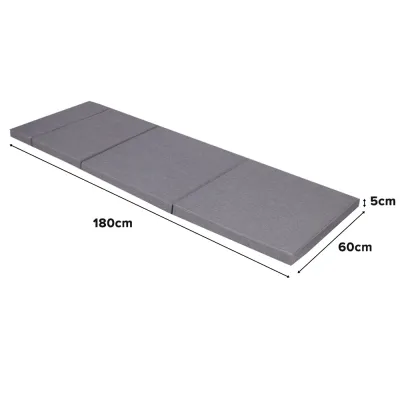


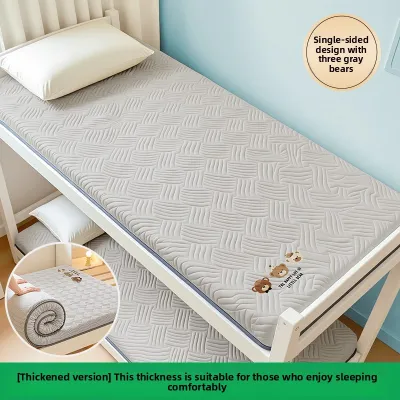
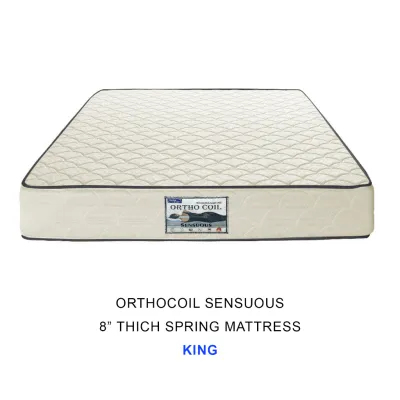
Prices are valid at publication and may change. Please refer to the product page for the latest price.
However, these scales are not universally standardized across the bedding industry. A rating of 6 from one manufacturer might feel like a medium-firm, while the same rating from another brand might lean closer to a plush medium. Because of this variation, it is important to look beyond the numerical rating and examine the descriptive terms used on product labels, such as “plush,” “medium,” “medium-firm,” or “firm.”
When shopping for a single bed mattress, use these labels as a starting point rather than an absolute guarantee. Always check the manufacturer’s detailed product descriptions to understand the specific layering of materials, such as memory foam, latex, or pocket springs. Since you cannot rely solely on a label, utilizing in-store testing or risk-free home trial periods is essential to verify how the mattress actually feels under your body weight.
Align Firmness with Your Primary Sleeping Position
Your primary sleeping position is the most critical factor in determining the level of support your spine requires. During sleep, your spine should maintain its natural alignment, similar to your posture when standing upright. Different sleeping positions place pressure on different parts of the body, requiring specific mattress responses to keep the musculoskeletal system balanced.

Side sleepers generally require a softer to medium mattress, typically falling between 3 and 5 on the firmness scale. When you sleep on your side, your shoulders and hips protrude deeply into the mattress. A surface with sufficient give allows these wider areas to sink in, relieving pressure points and preventing the spine from curving unnaturally. If the mattress is too firm, it can cause shoulder stiffness and hip discomfort.
Back sleepers need a balanced combination of support and contouring, which is usually found in medium to medium-firm mattresses rated between 5 and 7. This firmness level supports the natural curve of the lower back while allowing the hips to sink just enough to keep the spine neutral. A mattress that is too soft will cause the pelvis to sag, straining the lower back muscles over time.
Stomach sleepers require a firmer surface, typically ranging from 7 to 9 on the scale. Sleeping on your stomach naturally coaxes the lower back into an arch. If the mattress is too soft, your hips and midsection will sink deeply into the comfort layers, exaggerating this arch and placing severe strain on the lumbar spine. A firm surface keeps the body flat and aligned.
Combination sleepers, who rotate through multiple positions during the night, should look for a middle ground. A medium mattress (around 5 to 6) often provides the best versatility, offering enough surface responsiveness to allow easy movement while balancing the pressure relief needed for side sleeping and the support required for back sleeping.
Adjust for Body Weight and Pressure Distribution
Your body weight directly influences how much force you exert on the mattress and how deeply you compress its comfort layers. Consequently, a mattress that feels medium-firm to an average-weight individual may feel completely different to someone who is significantly lighter or heavier.
Lighter individuals, typically weighing under 60 kg, exert less downward pressure on the mattress surface. Because they do not compress the comfort layers deeply, a standard firm mattress can feel excessively hard and fail to provide adequate contouring. Lighter sleepers often benefit from softer or plush mattresses that allow them to experience pressure relief without needing substantial body weight to compress the materials.
Average-weight individuals, falling between 60 kg and 90 kg, generally align well with standard manufacturer recommendations. For this weight group, a medium to medium-firm mattress typically delivers the intended balance of support and pressure relief, matching the design specifications of most standard single bed mattresses.
Heavier individuals, weighing over 90 kg, exert greater downward force and compress mattress materials more deeply. On a soft mattress, they may sink through the comfort layers and bottom out against the support core, leading to spinal misalignment and discomfort. Heavier sleepers generally require firmer mattresses or models constructed with high-density foams and robust pocket spring systems to maintain proper alignment and prevent premature sagging.
Before finalizing your purchase, always check the manufacturer’s stated weight capacity and support specifications. This is particularly important for single bed mattresses, as the sleeper’s weight is concentrated over a smaller overall surface area compared to queen or king-sized beds.
Account for Personal Comfort and Physical Needs
Beyond sleeping positions and weight, individual physical needs and comfort preferences play a major role in your final decision. If you suffer from chronic joint or back pain, the right mattress firmness can help manage discomfort. However, rather than relying solely on general retail guides, it is highly recommended to consult a healthcare professional or physiotherapist to get personalized advice tailored to your specific medical condition.
Temperature regulation is another critical factor, especially in Singapore’s warm and humid tropical climate. Soft mattresses that contour closely to the body tend to envelop the sleeper, restricting airflow around the skin and trapping body heat. If you tend to sleep hot, a firmer mattress that keeps you positioned on top of the surface, rather than sinking into it, can improve air circulation. Additionally, check the material specifications for breathable components like open-cell foam, natural latex, or pocketed coils that facilitate heat dissipation.
Do not overlook structural features like edge support and motion isolation. While motion isolation is less critical on a single bed mattress since you are sleeping alone, robust edge support is highly beneficial. Strong perimeter reinforcement prevents the edges from sagging when you sit on the side of the bed to get dressed, and it prevents the sensation of rolling off the bed, effectively maximizing the usable sleeping surface of a compact single mattress.
Test and Verify Your Choice Before Committing
To ensure you select the correct firmness, take practical steps to validate the mattress before making a permanent commitment. If you are shopping in a physical retail store, do not simply sit on the edge of the mattress or lie down for a few seconds. Lie down in your primary sleeping position for at least 10 to 15 minutes to allow your muscles to relax and experience the true support of the mattress. If possible, bring your own pillow, as the height and loft of your pillow significantly affect your spinal alignment and how the mattress feels.
If you prefer the convenience of purchasing online, pay close attention to the retailer’s customer policies. Look for brands that offer risk-free sleep trials, which typically range from 30 to 100 nights. Carefully read the terms and conditions of these trials, checking for return shipping fees, pickup arrangements, and the mandatory break-in period. Most manufacturers require you to sleep on the mattress for at least 14 to 30 days, as it takes time for your body to adjust to a new support system and for the mattress materials to settle.
Finally, consider delivery and installation logistics before ordering. Verify the finished dimensions of the single bed mattress to ensure it fits perfectly within your existing bed frame. If you live in a high-rise apartment, check that the delivery path, including doorways and lift access, can accommodate the mattress package. If you find your mattress is slightly too firm after the break-in period, you can easily adjust the surface feel by adding a plush mattress topper, or by checking if your bed base needs to be transitioned from flexible slats to a solid platform.
Frequently Asked Questions (FAQ)
Is a firm mattress always better for back pain?
No, an extremely firm mattress is not always the best solution for back pain. While adequate support is necessary to keep the spine from sagging, a mattress that is too rigid cannot contour to the natural curves of your body. This lack of contouring can create intense pressure points on your shoulders, hips, and lower back, forcing your muscles to remain tense throughout the night. The ideal mattress should offer a balance of structural support and pressure-relieving comfort. If you experience persistent or severe back pain, consult a medical professional or physiotherapist to determine the best support level for your body.
Can I change the firmness of my current single bed mattress?
Yes, you can adjust the perceived firmness of your existing mattress using a few practical methods. If your mattress feels too firm, adding a plush mattress topper made of memory foam, latex, or microfiber can introduce a comfortable layer of cushioning and pressure relief. If your mattress feels too soft, check your bed base; a slatted frame with wide gaps can cause a mattress to sag, whereas placing the mattress on a solid, flat platform or adding a supportive bunkie board can make the surface feel firmer. Keep in mind that while these adjustments can alter the surface feel, they cannot fix a mattress that is structurally sagging or worn out.

Community discussion
Share your experience or ask a question. Comments are reviewed before publication.