
Choosing the right firmness level for a mattress topper is a practical way to adjust your sleeping surface without buying an entirely new bed. To find the ideal match, you must balance your primary sleeping position with your body weight. These two factors determine how deeply you sink into the bed and whether your spine remains in a neutral, aligned position. A topper that is too soft can cause your midsection to sag, while one that is too firm can create painful pressure points at your shoulders and hips.
By understanding how different firmness levels, material thicknesses, and density ratings interact with your body, you can make an informed decision. Whether you need to soften a rigid mattress or add support to a surface that feels too yielding, evaluating these specifications ensures your investment leads to better sleep quality.
Decoding Firmness and Thickness Specifications
Mattress toppers are rated from soft to extra firm, though these terms vary between brands. A soft topper provides a plush feel for deep contouring, whereas a medium topper balances cushioning with gentle resistance. Firm and extra-firm toppers offer a solid, highly supportive surface designed to minimize sinkage. Because these descriptions are subjective, it is helpful to look for objective specifications when comparing products.
Products mentioned in this guide
![[PRE-ORDER] Getha Tofu Latex Topper - CLASSIC](https://img.lazcdn.com/g/p/b4819040f39b8cb042453d75c3015992.jpg_400x400q80.jpg_.webp)
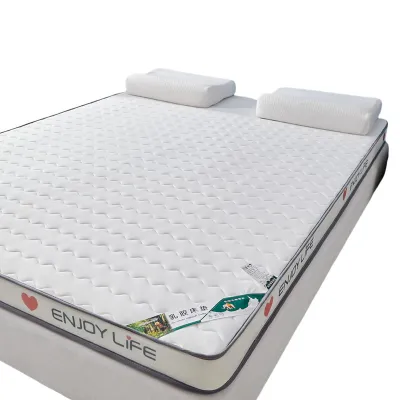
Prices are valid at publication and may change. Please refer to the product page for the latest price.
Thickness determines how much the topper will alter your existing bed. Toppers typically range from 5 to 10 centimeters. A thinner 5-centimeter topper subtly adjusts the surface feel, making it ideal if your current mattress is only slightly off from your preferred comfort level. A thicker 10-centimeter topper almost completely masks the feel of the underlying mattress, providing a substantial new comfort layer.
To move beyond marketing terms, look for technical specifications like density and Indentation Load Deflection (ILD) on manufacturer labels. Density, measured in kilograms per cubic meter, indicates how much material is packed into the topper, which directly influences durability. ILD measures the weight required to compress the material; a higher ILD rating indicates a firmer, more supportive topper. Checking these metrics allows you to compare different brands objectively.
Matching Firmness to Your Primary Sleeping Position
Your primary sleeping posture dictates where your body requires support and where it needs to sink to maintain a straight spine. Side sleepers place most of their weight on the narrow surface area of their shoulders and hips. To prevent joint pain and poor circulation, side sleepers generally benefit from medium-soft to medium toppers. These firmness levels provide enough give to cushion these prominent pressure points while keeping the spine horizontally aligned.

Back sleepers require a balance of consistent support and gentle contouring to maintain the natural curve of the lower back. If a topper is too soft, the pelvis sinks too deeply, straining the lumbar region. Conversely, an overly firm topper leaves a gap beneath the lower back, forcing the muscles to remain tense. A medium to medium-firm topper is typically ideal for back sleepers, as it fills the lumbar gap while keeping the hips level with the shoulders.
Stomach sleepers face the greatest challenge in maintaining spinal alignment because gravity naturally pulls the midsection downward. If the mattress topper is too soft, the hips sink deeply, arching the lower back into an unnatural curve. To prevent this spinal strain, stomach sleepers generally require a firm or extra-firm topper. This solid support keeps the hips and torso on a level plane, reducing tension in the lower back and neck.
While these guidelines provide a reliable starting point, individual comfort remains highly subjective. Factors such as shoulder width, hip shape, and personal preference mean that what works for one side sleeper might not work for another. For this reason, prioritizing products that offer personal testing windows or flexible trial periods is a sensible way to validate your choice.
Adjusting for Body Weight and Your Current Mattress
Your body weight directly influences how much pressure you exert on a mattress topper, which changes how firm the material actually feels. Lighter individuals, typically those weighing under 60 kilograms, compress materials very little. To them, a medium topper may feel quite firm, and they often require softer, more contouring options to experience pressure relief. On the other hand, heavier individuals, particularly those weighing over 90 kilograms, compress foam much more deeply.
For heavier sleepers, a thin or soft topper will quickly compress completely, a phenomenon known as bottoming out. Once the topper is fully compressed, the sleeper feels the hard mattress underneath, defeating the purpose of the comfort layer. Heavier individuals generally need thicker toppers (at least 7.5 to 10 centimeters) with a firm or extra-firm rating to ensure the material provides adequate support and cushioning without collapsing.
It is also essential to evaluate the current condition of your underlying mattress before purchasing a topper. A firming pad can successfully adjust the surface feel of a mattress that is structurally sound but simply too soft or too hard. However, a topper cannot fix a mattress that is sagging, dented, or has broken internal springs. Because a topper conforms to the shape of the surface beneath it, placing a firm topper over a sagging mattress will only result in a firm, sagging sleep surface.
Before finalizing your purchase, check the manufacturer’s product specifications for weight limits or specific support ratings. Some brands design their toppers with reinforced support zones or specify maximum weight capacities to ensure longevity. Verifying these details helps prevent premature wear and ensures the topper performs as expected.
Pre-Purchase Checklist for a Firming Pad
Before buying a firming pad, review the care and material labels carefully rather than making assumptions based on marketing buzzwords. For instance, do not assume a topper will remain cool in warm, humid climates simply because it is labeled as “cooling gel” or “natural latex.” Instead, look for open-cell structures, breathable cover materials like bamboo or cotton, and removable, washable covers that help manage moisture and hygiene.
Next, verify the sleep trial periods, return conditions, and warranty terms offered by the retailer or brand. Because firmness is highly subjective, having the option to return or exchange the topper after sleeping on it for a few weeks is invaluable. Ensure you understand who covers the return shipping costs and whether the topper must be returned in its original compressed packaging, which can be nearly impossible to repackage at home.
Finally, measure your bed dimensions accurately to ensure a secure fit. Standard mattress sizes like Single, Super Single, Queen, and King can vary slightly between local and international brands. A topper that is too large will overhang the edges and slide around, while one that is too small will leave uncomfortable gaps at the edges of your bed. Measure your actual mattress width, length, and depth before ordering to guarantee a seamless fit.
Frequently Asked Questions (FAQ)
Can a firm mattress topper fix a sagging bed?
No, a firm mattress topper cannot fix a sagging bed. Toppers are designed to alter the surface comfort of a structurally sound mattress, not to provide structural support. If your underlying mattress has deep permanent indentations, squeaking springs, or a compromised core, a topper will simply sink into those existing hollows. If you experience persistent back pain or can visibly see a dip in your mattress even when no one is lying on it, it is time to replace the mattress entirely.
How do I clean and maintain a firm mattress topper?
To clean and maintain your topper, always start by checking the manufacturer’s specific care label, as washing instructions vary by material. Use a high-quality, breathable mattress protector over the topper to shield it from sweat, spills, and dust mites, which is especially important in humid climates. Avoid using harsh chemical cleaners or saturating the topper with excessive moisture, as this can degrade the foam or internal structure. Instead, spot-clean stains with a mild detergent and a damp cloth, and allow the topper to air dry completely in a well-ventilated space away from direct sunlight.
Community discussion
Share your experience or ask a question. Comments are reviewed before publication.