
Selecting the perfect fabric lazy sofa for a Housing & Development Board (HDB) flat in Singapore requires balancing comfort, space efficiency, and long-term durability. Unlike spacious landed properties, HDB living rooms demand furniture that maximizes floor area while remaining easy to move, clean, and maintain in a warm, humid climate. By evaluating the internal filling, cover durability, and physical dimensions against your specific flat layout, you can select a brand that offers lasting comfort without cluttering your home.
A successful purchase hinges on understanding how different designs interact with your daily habits and your home’s physical constraints. Whether you are furnishing a cozy 2-room Flexi flat or a spacious 5-room household, the right low-profile seating can transform an underutilized corner into a relaxing sanctuary. This guide outlines the essential factors to verify before investing in a lazy sofa, ensuring your chosen piece remains supportive and stylish for years to come.
Understanding Lazy Sofa Types for Compact Living
When shopping for a lazy sofa, the first step is identifying the structural category that best aligns with your lifestyle and comfort needs. Traditional bean bags represent the most fluid option, filled with small polystyrene beads that conform dynamically to your body shape. While they offer unmatched casual comfort and are highly portable, they lack rigid structural support, making them less suitable for tasks like working on a laptop or hosting formal guests.
Products mentioned in this guide
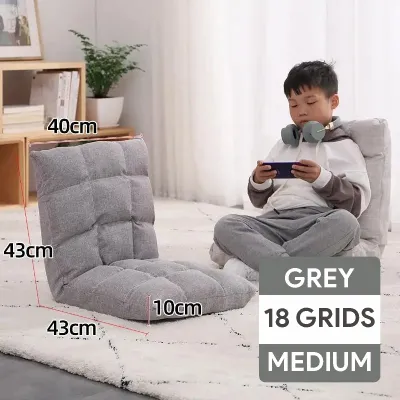

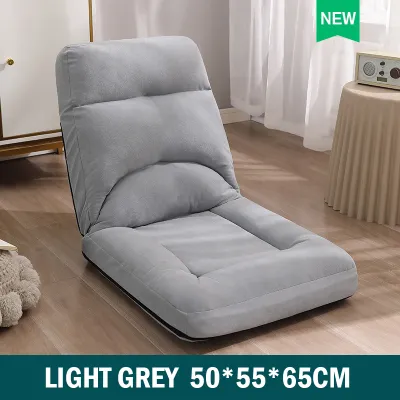
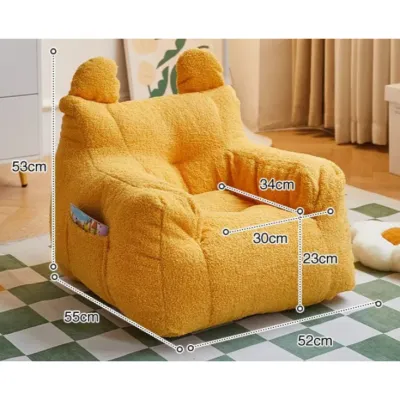
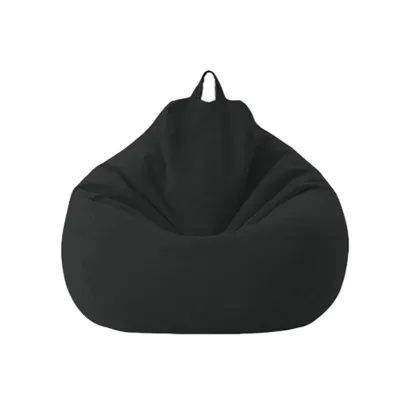
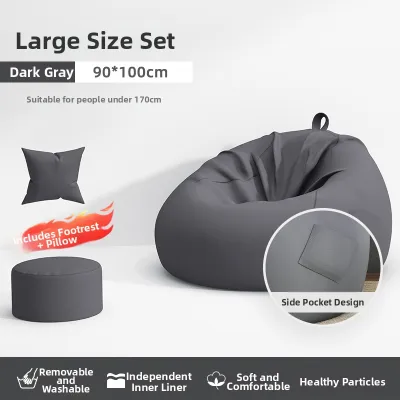
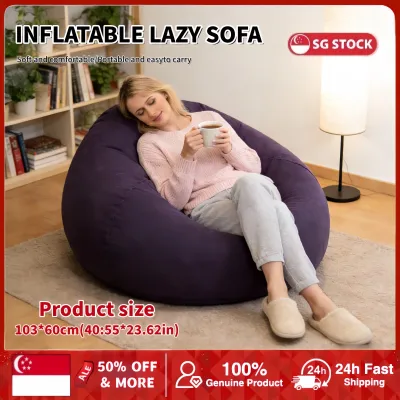
Prices are valid at publication and may change. Please refer to the product page for the latest price.
Structured floor sofas, on the other hand, incorporate an internal metal or wooden frame equipped with adjustable gear mechanisms. These models allow you to click the backrest into various angles, ranging from fully upright to completely flat. This adaptability makes them excellent for HDB flats where a single room might serve as a home office by day and a movie lounge by night, providing the necessary lumbar support that standard bean bags lack.
Modular low-profile seating offers a middle ground, consisting of solid, high-density foam blocks that can be arranged in multiple configurations. These pieces do not contain heavy metal frames, making them lightweight enough to reposition easily when cleaning or hosting gatherings. Their modular nature allows you to start with a single seat and gradually expand your setup if you move to a larger flat or decide to reconfigure your living room layout.
Foldable or convertible lazy sofas are particularly valuable for space-constrained HDB layouts. These multi-functional designs can be unfolded from a compact lounge chair into a flat daybed or a temporary mattress. If you frequently host overnight guests but lack a dedicated guest room, a convertible fabric floor sofa in the study or living room provides a practical, space-saving sleeping solution.
Ergonomics should play a central role in your decision, especially if the sofa will be used for extended periods. Low-profile seating naturally requires more effort to sit down on and rise from compared to standard-height sofas. If you share your home with elderly family members or individuals with joint sensitivity, a structured floor sofa with a slightly higher seat base and firm armrests is far more practical than a low, unstructured bean bag.
Key Evaluation Criteria for HDB-Friendly Brands
To ensure you are purchasing from a reliable brand, you must look past attractive lifestyle photography and scrutinize the technical specifications of the product. Begin by checking the density of the internal foam filling, which is typically measured in kilograms per cubic meter (kg/m³). High-quality brands will openly state their foam density; look for high-density polyurethane foam or shredded memory foam blends that offer resilient rebound and resist sagging over time.

The frame structure of adjustable models requires careful inspection, as the internal gear mechanisms bear the brunt of daily use. Reputable manufacturers use reinforced steel joints that lock securely into place without slipping or squeaking. Always check the specified weight capacity of the sofa, ensuring it can safely accommodate your household members and any potential guests without straining the internal frame.
Warranty terms and local after-sales support are critical indicators of a brand’s confidence in its product durability. A reliable brand should offer a clear warranty covering frame defects, gear mechanism failures, and premature foam degradation. Having a local customer service presence in Singapore simplifies the process of claiming a warranty, arranging repairs, or purchasing replacement parts without dealing with expensive international shipping.
Transparent material sourcing is another hallmark of a trustworthy manufacturer. Look for brands that provide detailed information about their fabrics, including certifications like OEKO-TEX, which ensure the textiles are free from harmful levels of chemicals. Clear care instructions should be readily available, detailing exactly how to clean the fabric and maintain the internal components without causing accidental damage.
Finally, analyze user feedback patterns on independent review platforms and local home decor forums rather than relying solely on the brand’s website. Pay close attention to long-term reviews that discuss how well the sofa retains its shape after six months to a year of daily use. Look for recurring complaints regarding split seams, failing zippers, or rapid flattening of the filling, as these are common failure points in lower-quality products.
Space Planning and Sizing for HDB Layouts
Before finalizing your purchase, you must carefully plan the physical layout of your living room to ensure the lazy sofa fits harmoniously. Start by measuring the exact footprint of the area where you intend to place the sofa, keeping in mind both its fully upright and fully reclined dimensions. Ensure there is at least 60 to 70 centimeters of clear walkway space around the sofa so that household traffic is not obstructed.
In HDB flats, you must also ensure that the sofa does not block access to critical structural features. Avoid placing low-profile seating directly in front of the household shelter door, which must remain completely unobstructed for safety compliance and easy access. Similarly, ensure the sofa does not block access to sliding doors leading to the service yard, balcony, or air-conditioner ledges where regular maintenance access is required.
Delivery logistics are a frequently overlooked aspect of space planning that can cause significant frustration on delivery day. Measure the dimensions of your HDB estate’s lift car, including the door opening width, interior height, and diagonal depth, to confirm the packaged sofa can fit inside. Additionally, check the width of your corridor and the clearance of your main door frame, especially if you live in an older estate with narrower common areas.
Visual weight is another crucial design consideration when integrating low-profile furniture into an HDB flat. While low sofas can make a room feel more spacious by leaving more wall area exposed, they can also look disproportionate if paired with overly tall, bulky furniture. To maintain visual balance, pair your lazy sofa with low-profile coffee tables, minimalist TV consoles, and slim floor lamps that complement the relaxed, grounded aesthetic.
Fabric Durability and Maintenance Checks
The tropical climate of Singapore, characterized by high humidity and year-round warmth, demands careful consideration of fabric selection and maintenance. Review the fabric care labels of any lazy sofa you consider, looking for materials that offer high breathability to prevent heat retention during warm afternoons. Cotton-linen blends and specialized synthetic polyesters are popular choices because they allow air circulation and feel cool against the skin.
Removable and washable outer covers are an absolute necessity for maintaining hygiene in a humid environment. Spills, sweat, and dust mites can quickly accumulate on fabric surfaces, leading to odors or allergens if left unaddressed. Ensure the brand design allows you to easily unzip and remove the cover for machine washing or dry cleaning without risking fabric shrinkage or color fading.
Inspect the quality of the zippers and the reinforcement of the seams, as these components experience significant stress during cover removal and reassembly. High-quality brands utilize heavy-duty nylon or metal zippers protected by fabric flaps to prevent scratching your floors. The seams should be double-stitched or reinforced with piping to prevent fraying and to ensure the filling remains securely contained.
An independent inner liner is a vital feature that separates the outer fabric cover from the internal filling material. For bean-bag style lazy sofas, this liner prevents thousands of polystyrene beads from spilling out when you remove the outer cover for washing. For foam-based models, a protective inner liner shields the foam core from dust, moisture, and accidental spills, significantly extending the lifespan of the cushioning.
Be cautious of generic marketing claims regarding stain resistance, as material names alone do not guarantee protection against spills. Instead, verify whether the fabric has undergone specific surface treatments, such as water-repellent coatings, that cause liquids to bead up on the surface rather than soaking in immediately. If the fabric is untreated, check if the manufacturer recommends applying a fabric protector spray and follow their instructions carefully to avoid damaging the fibers.
Pre-Purchase Verification and Delivery Considerations
As you prepare to make your purchase, contact the retailer to confirm the exact packaged dimensions and weight of the shipment. Some lazy sofas are shipped fully assembled and expanded, resulting in a large, bulky box that can be difficult to maneuver through tight spaces. Knowing the package weight helps you determine if you will need assistance moving the item into your flat or if the delivery team will handle the heavy lifting.
Clarify the assembly requirements with the brand before the delivery date. Many modern foam lazy sofas are vacuum-sealed and compressed for efficient shipping, requiring you to unpack them and allow 24 to 72 hours for the foam to fully expand and off-gas in a well-ventilated room. Other models may arrive flat-packed, requiring manual assembly of the internal frame, or may require you to pour the filling beads into the inner liner yourself.
Review the retailer’s delivery policies thoroughly, paying close attention to delivery fees, scheduling flexibility, and potential surcharges. In Singapore, some retailers charge additional fees for deliveries to high-rise flats without direct lift access or for deliveries scheduled outside standard working hours. If you are replacing an old sofa, inquire whether the retailer offers a disposal service, as disposing of bulky furniture independently in an HDB estate requires coordination with your town council.
Finally, double-check the return and exchange policy of the brand, particularly regarding comfort satisfaction. Because comfort is highly subjective, some brands offer a trial period during which you can test the sofa in your home and return it if it does not meet your ergonomic expectations. Ensure you understand the conditions of such trials, including whether you must retain the original packaging and who covers the return shipping costs.
Frequently Asked Questions (FAQ)
Can I use a lazy sofa as my main living room seating?
While a lazy sofa offers excellent comfort for casual lounging, using it as your primary living room seating may present ergonomic challenges over time. The low seat height and deep posture can make it difficult for elderly family members, pregnant women, or individuals with mobility issues to sit down and stand up comfortably. If you wish to use low-profile seating as your main setup, consider choosing structured floor sofas with rigid internal frames and firm support, or pair them with at least one standard-height accent chair to accommodate all guests.
How do I prevent the filling from flattening over time?
To maintain the shape and loft of your lazy sofa, establish a regular maintenance routine based on the filling material. For bean-bag styles filled with EPS beads, regularly fluff and shake the bag to redistribute the beads and prevent concentrated compression zones. For foam-based models, rotate the cushions periodically and avoid sitting in the exact same spot every day. Over time, all fillings will experience some compression; check the manufacturer’s guidelines to see if they sell compatible refill beads or foam inserts so you can easily restore the sofa’s original plumpness when needed.
Community discussion
Share your experience or ask a question. Comments are reviewed before publication.