
To choose the right dustproof cover for your furniture, you must match the cover’s dimensions to your furniture’s maximum outer boundaries, select a material suited to your specific indoor or outdoor environment, and choose securing mechanisms that keep the fabric stable. A well-fitting cover prevents dust accumulation, blocks light exposure, and manages moisture levels, preserving the structural integrity and appearance of your sofas, tables, and cabinets. By focusing on precise measurements, fabric specifications, and furniture-specific designs, you can protect your investment from environmental wear without risking mold growth or fabric damage.
Measure Your Furniture for a Proper Fit
To achieve a secure fit, start by measuring the absolute maximum dimensions of your furniture rather than relying on standard manufacturer size categories. Use a metal measuring tape to record the greatest length, width, and height of the piece. Always measure from the outermost edges, which often include protruding elements such as rolled armrests, flared legs, overhanging table lips, or decorative crown molding on cabinets. For height, measure from the top of the furniture down to about two to three centimeters above the floor to ensure the cover does not drag on the ground and collect dirt.
Once you have these exact dimensions, add a small clearance allowance to your measurements before purchasing a cover. A buffer of approximately two to five centimeters on each side prevents the fabric from stretching too tightly over sharp corners, which can cause premature tearing. This extra space also ensures you can install and remove the cover easily without straining the seams, while allowing essential air circulation underneath the fabric to prevent stagnant air pockets.
Products mentioned in this guide
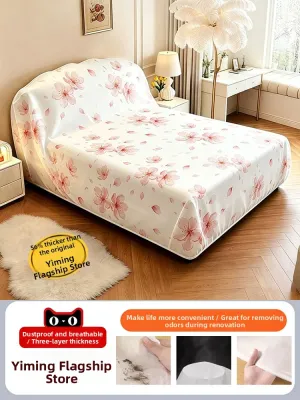
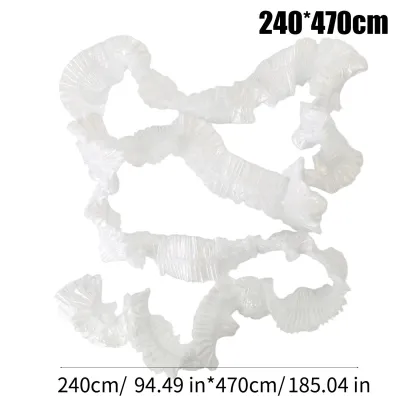
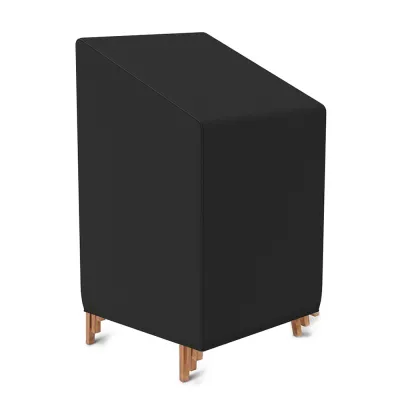
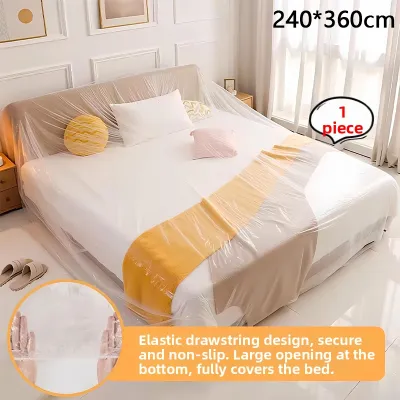
Prices are valid at publication and may change. Please refer to the product page for the latest price.
The physical geometry of your furniture dictates whether a standard off-the-shelf cover will suffice or if you need a specialized solution. Standard rectangular, square, or circular covers work well for basic dining tables, desks, and straight-backed chairs. However, complex shapes like L-shaped sectional sofas, deep-seated recliners, or asymmetrical accent pieces often require dedicated multi-piece covers or custom-tailored options to avoid excess sagging fabric that can trap moisture and dust.
Select the Right Material and Features for Your Environment
Selecting the ideal cover material requires looking past generic fabric names and carefully reviewing the manufacturer’s specification labels. While terms like polyester or canvas are common, their actual performance depends on weave density, denier rating, and specialized coatings. Look for specific fabric characteristics such as breathability ratings, water resistance levels, and material weight to ensure the cover matches your protective needs. A heavy, non-breathable plastic cover might block external dust but can trap internal humidity, leading to wood warping or fabric mildew.

Securing features are critical for keeping the cover in place and maintaining its protective barrier over time. Look for covers equipped with robust fastening systems such as heavy-duty elastic hems, adjustable drawstrings, or integrated buckle straps that loop around furniture legs. These features prevent the cover from shifting during daily room use, sliding off slick leather surfaces, or lifting when exposed to drafts near open windows and balcony doors.
Your specific storage environment should dictate the specialized treatments you look for in a cover. If your furniture sits in a room with large windows receiving direct sunlight, verify that the product specifications explicitly list UV-resistant treatments to prevent the cover fabric from becoming brittle and cracking. For high-humidity environments, prioritize covers with built-in mesh ventilation grilles or moisture-wicking inner linings that allow rising dampness to escape while keeping settling dust out.
Match the Cover Style to Specific Furniture Pieces
Different furniture types present unique structural challenges that require specific cover designs to ensure complete protection. For sofas and armchairs, pay close attention to seam placement and how the cover accommodates loose cushions. Deep seams should align naturally with the furniture’s frame to prevent tension points, and the cover must have enough depth to envelope plush cushions without compressing them excessively. Ensure the design incorporates ventilation flaps near the back or sides to allow air exchange, which prevents moisture from becoming trapped within the dense foam of the upholstery.
Cabinets, wardrobes, and shelving units require a cover style that provides a full enclosure while maintaining easy access to the contents if needed. Verify that the cover’s opening mechanisms, such as zippers or hook-and-loop fasteners, do not catch on door hinges, protruding handles, or decorative hardware. If you are covering electronic storage units or media consoles, ensure the cover features dedicated cutouts or breathable mesh panels that align with the unit’s ventilation grilles to prevent heat buildup.
When selecting covers for tables and desks, managing the drape length is essential for safety and cleanliness. The cover should hang low enough to protect the tabletop and apron but must remain clear of the floor to avoid becoming a tripping hazard or sweeping up dust. Look for designs that feature secure tie-downs at the base of each table leg, ensuring the cover remains taut and does not sag in the center, which can collect debris or liquids.
Install, Maintain, and Store Your Dustproof Covers
Proper installation is the first step in extending both the life of your furniture and the cover itself. Begin by draping the cover loosely over the top of the furniture piece, aligning the corners of the cover with the corners of the frame. Slowly pull the fabric downward, working evenly around all sides to avoid putting excessive tension on any single seam. Once the cover is fully lowered, secure the straps, buckles, or drawstrings at the base, ensuring they are snug but not overstretched, which can warp the fabric or tear the attachment points.
Maintaining your dustproof covers requires strict adherence to the manufacturer’s care instructions to avoid stripping away protective coatings. For heavy-duty or coated covers, a simple routine of wiping down the surface with a damp microfiber cloth and mild soap is often sufficient to remove accumulated dust. If the care label permits machine washing for lighter fabric covers, use a gentle cycle with cold water and a mild detergent, avoiding bleach or fabric softeners that can degrade water-resistant or UV-blocking treatments. Always allow the cover to air dry completely before placing it back on your furniture.
When the covers are not in use, storing them correctly prevents material degradation and permanent creasing. Fold the dry cover neatly, avoiding sharp, hard creases in the same spots repeatedly, which can weaken the fabric fibers over time. Store the folded cover in a breathable fabric storage bag and place it in a dry, temperature-stable closet or cabinet. Avoid storing covers in damp basements or unventilated plastic bins where trapped moisture can foster mold growth.
Troubleshoot Common Fit and Wear Issues
If you find your dustproof cover frequently slipping or shifting out of place, the issue usually stems from incorrect initial sizing or inadequate fastening. Start by checking if the cover is too large, as excess fabric easily catches drafts or slides off smooth surfaces. You can resolve minor slipping issues by adjusting the built-in drawstrings or adding secondary tie-down straps around the furniture legs. For lightweight covers on slick leather or polished wood, placing a non-slip pad or a soft flannel sheet between the furniture and the cover can provide the necessary friction to keep it stable.
Condensation and mold buildup underneath a cover are serious issues that can damage wood finishes and upholstery. This problem occurs when moisture is trapped beneath a non-breathable fabric or when the furniture was not completely dry before being covered. To manage this, ensure the furniture is thoroughly dry and clean before applying the cover. You can also place small, reusable silica gel moisture absorbers or hanging dehumidifier bags underneath the cover, and periodically remove the cover on dry days to let the furniture air out.
Over time, even high-quality covers will show signs of wear that compromise their protective capabilities. Inspect your covers regularly for fabric thinning, tearing along the seams, or brittle areas caused by light exposure. If you notice broken fasteners, cracked buckles, or a loss of water resistance that cannot be restored with a fabric treatment, it is time to replace the cover. Continuing to use a compromised cover can allow dust and moisture to seep through, defeating the purpose of protecting your furniture.
Frequently Asked Questions (FAQ)
Can I use an indoor dustproof cover for outdoor patio furniture?
Indoor dustproof covers are not designed to withstand the harsh environmental conditions of outdoor spaces. Typical indoor fabrics lack the necessary UV-resistant coatings to prevent sun degradation and do not feature the heavy-duty water resistance required to block rain. Using an indoor cover outside can lead to rapid fabric breakdown, water leakage, and mold growth on your patio furniture. Always check the product label to ensure the cover is explicitly rated for outdoor use before exposing it to the elements.
How do I clean a dustproof cover that is not machine washable?
For covers that are not machine washable, manual spot cleaning is the safest method to remove dirt without damaging the fabric’s protective coatings. Mix a small amount of mild liquid soap with lukewarm water, and gently wipe the soiled areas using a soft microfiber cloth or a soft-bristled brush. Avoid using harsh chemical cleaners, bleach, or abrasive scrubbing pads, as these can strip away water-resistant or dust-repellent finishes. Once clean, rinse the area with a damp cloth to remove soap residue and hang the cover to air dry completely in a shaded, well-ventilated area.
Community discussion
Share your experience or ask a question. Comments are reviewed before publication.