
Choosing the right dust sheet depends entirely on the specific threat your furniture faces, whether it is the fine plaster dust of a home renovation, the stagnant humidity of long-term storage, or the physical friction of a house move. A single type of cover rarely excels at all three tasks, meaning your choice must balance material weight, breathability, and liquid resistance. By matching the physical properties of the sheet to your immediate environment, you can prevent permanent surface scratches, moisture trapping, and costly cosmetic damage to your household items.
Understanding Your Protection Needs by Scenario
Before purchasing protective covers, evaluate the primary environmental risks of your project. Home renovations generate fine, abrasive particulates like drywall dust and paint splatters, requiring dense, liquid-resistant barriers. Long-term storage, especially in humid climates like Singapore, demands highly breathable materials to prevent moisture accumulation and subsequent mold growth. Moving and transit require high tensile strength and impact buffering to withstand bumps against doorframes and friction inside moving vehicles.
Map your scenario to the non-negotiable material properties required. For renovations, look for impermeable backings or absorbent top layers. For storage, prioritize woven, breathable fabrics that allow air circulation. For moving, focus on thick, puncture-resistant materials that can be tightly wrapped and secured. Understanding these distinct needs prevents the common mistake of using a one-size-fits-all solution that could trap moisture or tear under stress.
Products mentioned in this guide
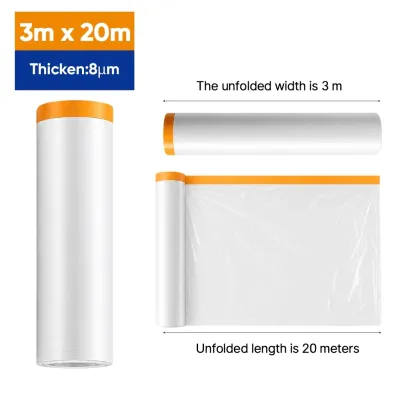
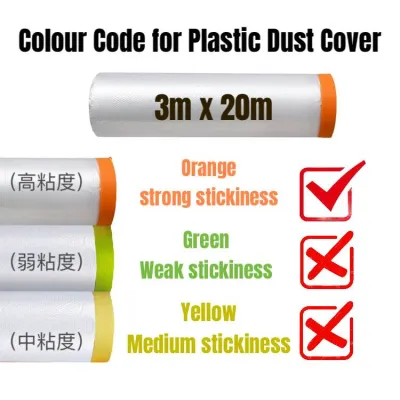
![[2-3 Days Delivery] 4.5m x 20m Plastic Dust Cover Protective Plastic Sheet Disposable Furniture Dustproof Cover Protective Cover Plastic Cover Plastic Film for Home Improvement CNY Gift Present](https://img.lazcdn.com/g/p/37fceab8fc43d4b3b58593d55aae9bcb.jpg_400x400q80.jpg_.webp)
Prices are valid at publication and may change. Please refer to the product page for the latest price.
Matching Dust Sheets to Home Renovation Projects
Home renovation environments are harsh on furniture and flooring. Drywall sanding creates microscopic dust that easily penetrates loose weaves, while paint spills can quickly soak through standard cotton sheets. When selecting dust sheets for a renovation zone, check the product packaging for material thickness and tear-resistance ratings. Heavy-duty polythene or laminated dust sheets are highly effective at blocking fine dust and liquids, making them ideal for covering stationary furniture in active work zones.

The choice between reusable cotton twill and disposable plastic sheets involves clear trade-offs. Heavy cotton twill sheets are highly absorbent, catching paint drips before they run, and can be washed and reused. Yet, standard cotton lacks a liquid-proof barrier, meaning large spills can still seep through to the furniture below unless you choose a laminated cotton variant. Disposable plastic sheets are cheap and completely waterproof, but they tear easily under foot traffic and cannot be easily cleaned or reused.
Safety is another critical factor when covering floors. Standard plastic sheets become incredibly slippery when wet or dusty, creating a severe tripping hazard. If you are covering walkways or hard floors, verify on the product label that the dust sheet features a non-slip backing or specialized self-adhesive grip. These slip-resistant backings keep the sheet firmly anchored to the floor, ensuring a safer working environment during high-traffic demolition or painting phases.
Selecting Dust Sheets for Long-Term Furniture Storage
Storing furniture for months presents unique preservation challenges, particularly regarding humidity and surface protection. In tropical climates like Singapore, trapping moisture beneath a non-breathable plastic cover is a recipe for mold, mildew, and wood rot. For long-term storage, assess the breathability of the material. Woven cotton dust sheets or specialized breathable non-woven polypropylene covers allow trapped moisture to evaporate, keeping the covered furniture dry and odor-free.
Beyond moisture control, the inner surface of the dust sheet must protect delicate finishes. Highly polished wood, lacquer, and soft leather are susceptible to micro-scratches from rough, abrasive materials. Look for dust sheets with soft, non-abrasive inner linings or tight fabric weaves that do not shed fibers. Avoid using rough tarpaulins or low-grade plastic wraps directly against finished wood surfaces, as temperature fluctuations can cause the plastic to stick to or chemically react with the varnish.
To maintain protection over several months, the sheets must remain securely in place. Look for covers equipped with built-in fastening mechanisms such as elasticized hems, heavy-duty zippers, or integrated tie-down straps. These features prevent the sheet from slipping off due to drafts or minor shifts in the storage unit. Finally, always review the manufacturer’s care instructions to ensure the dust sheet itself is completely clean and dry before application, as covering furniture with a damp or soiled sheet will trap odors and cause permanent staining.
Choosing Durable Dust Sheets for Moving and Transit
The physical demands of moving furniture require dust sheets that act as protective armor. During transit, items are subjected to constant vibration, tight turns through narrow doorways, and potential impacts inside the moving truck. To prevent damage, prioritize sheets with high tensile strength and puncture resistance. Heavy-duty padded moving blankets or thick, quilted dust sheets are designed specifically to absorb these impacts and protect vulnerable corners from chipping.
The ease of wrapping and securing the sheet is equally important during a hectic move. The material must be flexible enough to fold tightly around awkwardly shaped items, such as dining chairs or sofas, without tearing at the stress points. Once wrapped, secure the sheet using compatible packing tape or stretch wrap. Ensure the tape is applied only to the dust sheet itself and never directly to the furniture surface, as adhesive residues can ruin wood finishes and fabric upholstery.
While maximum protection is desirable, consider the weight and bulk of the sheets you choose. Excessively heavy or overly bulky materials can make furniture difficult to grip, adding unnecessary physical strain to the moving process. Additionally, check the product specifications to ensure the material does not contain dyes that could bleed onto light-colored upholstery when compressed, or chemical additives that might react with furniture finishes under the heat and pressure of transit.
Cross-Scenario Compatibility: Can One Sheet Do It All?
Investing in a single set of high-quality, multi-purpose dust sheets can be highly appealing, but it requires careful evaluation of the physical trade-offs. Heavy-duty laminated cotton twill sheets offer a functional balance, providing the absorbency of cotton on top, a liquid-resistant barrier in the middle, and a relatively soft underside. While these sheets are more expensive upfront than disposable plastic rolls, their durability makes them suitable for light renovations, short-term moving protection, and dry storage.
However, a single type of sheet will fail if used outside its design limits. For example, using a heavy, non-breathable plastic moving wrap for long-term storage in a humid, unventilated space will almost certainly trap moisture and lead to mold growth. Conversely, using a highly breathable, lightweight cotton sheet during a messy bathroom renovation will fail to protect your furniture from heavy paint spills or fine plaster dust.
When evaluating multi-scenario marketing claims on product packaging, use a quick checklist to verify physical limitations. Check the label for specific ratings: Is it certified as water-resistant or completely waterproof? Does it explicitly state it is breathable? What is the material weight? If a product claims to do everything but lacks specific material specifications, it is safer to purchase specialized, task-specific covers for high-risk projects.
Practical Tips for Measuring, Securing, and Maintaining Dust Sheets
Achieving reliable protection starts with accurate measurement. Before purchasing or cutting dust sheets, measure the finished dimensions of your furniture—including height, width, and depth. Always add a generous allowance of at least 30 to 50 centimeters to these measurements. This extra material ensures you have enough fabric to drape completely over the item, tuck under the legs, and secure tightly at the base, preventing dust from creeping in from below.
Securing the sheets properly prevents them from shifting during work or transit. Use surface-safe fastening methods such as high-quality painter’s tape, adjustable bungee cords, or specialized furniture clips. When wrapping items for a move, ensure the fastening tension is distributed evenly to avoid crushing delicate decorative elements or warping thin wooden panels. Never apply strong adhesive tapes directly to finished wood, leather, or delicate fabrics, as removing them can strip away varnishes or tear fibers.
For reusable sheets, proper maintenance is essential to preserve their protective qualities. After a renovation or move, thoroughly shake out the sheets outdoors to remove loose debris and plaster dust. Wash them according to the manufacturer’s instructions, and ensure they are completely dry before folding and storing them. Storing a damp reusable sheet will invite mold growth, rendering it unusable for future projects. Inspect your sheets regularly; if you notice severe thinning, persistent odors, or compromised backing, it is time to replace them.
Frequently Asked Questions (FAQ)
Can I use regular bed sheets as dust sheets for moving or storage?
While repurposing old bed sheets is a common household habit, they offer very poor protection. Standard bed sheets lack liquid resistance, allowing paint and moisture to pass straight through to your furniture. They are also thin and offer zero impact buffering during a move, making them highly susceptible to tearing on sharp corners. Additionally, loose weaves can allow fine renovation dust to penetrate, and old sheets may transfer existing household stains or laundry residues onto delicate furniture finishes.
How do I prevent mold on furniture covered by dust sheets in storage?
To prevent mold, ensure both the furniture and the dust sheet are completely dry before covering. Check the storage area’s ventilation and avoid sealing furniture in airtight plastic wraps if the environment is prone to humidity fluctuations. Always verify the sheet’s breathability rating on the manufacturer’s label, opting for woven cotton or breathable non-woven materials. For added protection in humid climates like Singapore, consider placing moisture absorbers near the covered items.
Are reusable dust sheets worth the higher upfront cost for renovations?
Yes, reusable dust sheets are generally worth the investment if your renovation spans several weeks or if you plan to tackle future DIY projects. Heavy-duty cotton twill or canvas sheets withstand heavy foot traffic and can be washed repeatedly, making them more cost-effective over time than constantly replacing torn plastic sheets. However, you must weigh this against your willingness to maintain them, as reusable sheets require thorough washing and drying to prevent dust and paint transfer between projects.
Community discussion
Share your experience or ask a question. Comments are reviewed before publication.