
Choosing the right dust protection cover is essential for preserving the appearance, structural integrity, and cleanliness of your home furnishings. The ideal cover type depends heavily on the specific furniture piece, its material composition, and whether it is in daily use or long-term storage. While a simple drape might suffice for a rarely used guest room chair, active living room sofas or delicate wooden dining tables require specialized covers designed to handle friction, moisture, and dust accumulation. Matching the cover material and design to your furniture’s unique vulnerabilities ensures long-lasting protection without causing accidental damage.
Key Factors When Selecting a Dust Protection Cover
Evaluating the core material and design features of a dust protection cover before matching it to specific furniture types prevents common issues like moisture damage or poor fit. The primary considerations include material breathability, the cover’s structural style, and the intended duration of use.
In regions with high relative humidity, such as Singapore, selecting the wrong cover material can lead to trapped moisture. Non-breathable covers can create a microclimate underneath, promoting mold and mildew growth on wood and fabrics. For humid environments, breathable fabrics like cotton canvas or specialized non-woven synthetics allow air circulation while blocking dust particles. Conversely, water-resistant covers are highly beneficial for areas prone to spills, such as dining rooms, but they should be checked periodically to ensure no moisture is trapped underneath.
Products mentioned in this guide
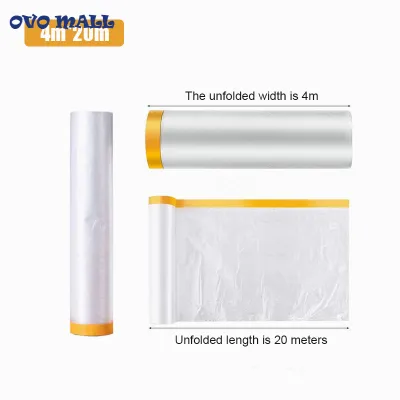
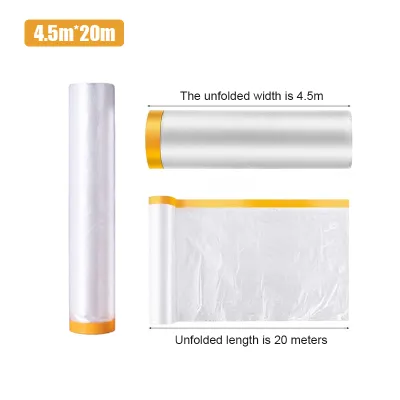
![[SG SELLER]Plastic Dust Cover Dust Prevention Renovation Drop Sheet Protective Plastic Film Furniture Dustproof Cover Paintproof Waterproof Cover Sheet Rolls](https://img.lazcdn.com/g/p/d2c82f6cde5eed649a28d487364fc7d2.png_400x400q80.png_.webp)
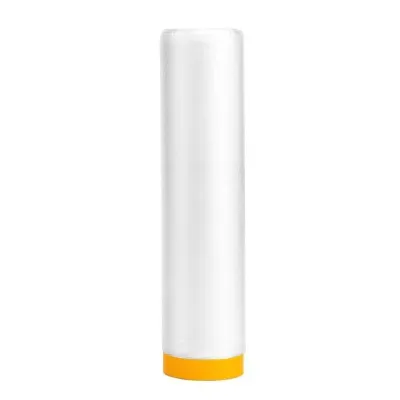
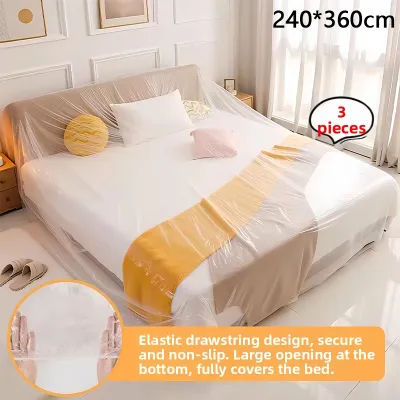

Prices are valid at publication and may change. Please refer to the product page for the latest price.
Fitted covers feature elastic hems, tailored corners, or adjustable straps that hold the fabric securely against the furniture frame. These are ideal for high-traffic items that experience frequent movement. Universal drapes, such as flat sheets or oversized drop cloths, offer a quick and versatile solution for temporary protection. While drapes are easier to put on and remove, they can easily slide off or look untidy if used on active furniture pieces.
Long-term storage demands comprehensive coverage that seals out dust, pests, and light. Fully enclosed zippered bags or heavy-duty breathable covers are preferred for items stored in attics, basements, or storage units. For daily-use furniture, the primary goal is quick maintenance and protection from minor spills or pet hair. Daily-use covers should be lightweight, easy to remove, and highly durable to withstand frequent washing cycles.
Additionally, consider the visual impact of the cover if the furniture remains in a visible living area. While utility is paramount, choosing neutral tones or fabrics that complement your interior decor can keep your home looking organized and tidy, even when pieces are covered for seasonal storage or during travel.
Choosing Covers for Upholstered Furniture (Sofas and Chairs)
Upholstered furniture, particularly pieces covered in leather, velvet, or dense fabric, requires careful material selection to maintain its texture and structural integrity. Because these materials are porous, they are highly susceptible to environmental changes and physical wear.

Leather is a natural material that needs to breathe; covering it with a non-porous plastic or heavy synthetic cover can trap ambient moisture, leading to surface peeling, mold, or unpleasant odors. Opt for tightly woven cotton canvas, linen blends, or breathable microfiber covers that block dust while allowing the upholstery fibers to ventilate naturally. Velvet and delicate fabrics also benefit from these breathable weaves, which prevent the pile from being crushed or matted.
Active households with children or pets require covers that stay firmly in place despite constant movement. Look for dust protection covers equipped with elasticized bottom hems, adjustable tie-down straps that anchor to the furniture legs, or foam tucking grips that slide into the crevices of the cushions. These features prevent the cover from bunching up, sliding off, or exposing parts of the upholstery to dust and wear.
Because upholstered furniture covers directly contact skin, pet dander, and household dust, they must be easy to clean. Before purchasing, verify the manufacturer’s care labels to ensure the cover material is fully machine washable. Choosing a pre-shrunk fabric is highly recommended, as covers that shrink during washing will no longer fit the furniture frame properly.
Pay close attention to the seam construction and stitching quality of fitted covers. Because upholstered seating experiences frequent compression and shifting when in use, the seams of a fitted cover are subjected to significant tension. Double-stitched seams or reinforced piping can prevent tearing and extend the lifespan of the cover under daily wear.
Selecting Protectors for Hard Surface Furniture (Tables and Desks)
Hard surfaces like polished wood, glass, and natural stone require protection from physical impact, scratches, and liquid stains. A simple thin sheet may block dust but offers little protection against a dropped object or a spilled drink. The ideal cover for these surfaces combines a soft interior with a durable, protective exterior.
To protect delicate finishes such as lacquer, varnish, or polished marble, choose covers with a soft-lined or padded underside. Materials like felt, brushed flannel, or soft microfiber backings prevent the cover itself from scratching the surface when it is dragged or adjusted. This is particularly important for high-gloss wooden dining tables or glass-topped desks where even minor abrasions are highly visible.
For dining tables and daily-use desks, the top layer of the cover should feature a wipe-clean or water-resistant finish. Treated polyester, polyurethane-coated fabrics, or heavy-duty canvas with a water-repellent treatment allow you to quickly wipe away spills before they penetrate the cover and damage the underlying wood or stone.
Hard surfaces are naturally slick, making covers prone to sliding off at the slightest nudge. To ensure the cover remains in place, look for designs with weighted edges, non-slip silicone backing dots, or integrated corner ties that secure around the table legs. This stability is crucial for maintaining consistent protection and preventing accidental spills from sliding off the edge.
Another critical factor for dining tables is heat resistance. If you plan to use the cover during meals or while serving warm dishes, ensure the material can withstand moderate heat without transferring residue or melting onto the table’s finish. Some synthetic covers can react with wood varnishes when exposed to heat, so verifying compatibility is essential.
Dust Protection for Storage and Display Pieces (Cabinets and Shelves)
Open shelving units, bookcases, and display cabinets are notorious dust magnets, requiring frequent cleaning to maintain their contents. Specialized dust covers can significantly reduce this maintenance burden, especially for pieces that hold books, collectibles, or seasonal dinnerware.
For open shelving units, a cover made of non-woven fabric or canvas with zippered front panels offers excellent utility. The zippers allow you to roll up the front flap for easy access to your items while keeping the sides and back fully sealed against dust. This style is highly practical for pantry shelving, utility racks, or wardrobe organizers.
When preparing display cabinets or storage chests for long-term storage, a fully enclosed cover is the most reliable option. These covers wrap around the entire piece, including the bottom, to prevent dust, insects, and light from entering. This is particularly important for protecting delicate wood finishes from UV fading and keeping pests away from stored textiles or paper goods.
Before purchasing a fitted cover for a cabinet or shelf unit, carefully check the clearance around doors, drawers, and hinges. A cover that is too tight can put pressure on delicate hinges or prevent drawers from closing fully, potentially warping the furniture frame over time. Ensure there is a small amount of slack to accommodate these moving parts without straining the cover’s seams.
For exceptionally tall cabinets or heavy shelving units, ease of installation is a key practical consideration. Covers that feature full-length side zippers or velcro panels are much easier to drape over tall structures without requiring a step stool or multiple people to assist. This design also allows you to access specific shelves without removing the entire cover.
How to Measure Furniture for a Custom or Fitted Cover
Accurate measurements are the foundation of a well-fitting dust protection cover. Guessing the size or relying solely on generic labels like “standard armchair” or “6-seater table” often leads to covers that are either too tight to install or so loose that they sag and collect dust in the folds.
Use a metal measuring tape for accuracy. For sofas and chairs, measure the total width from the outermost edge of one armrest to the other. Measure the depth from the front of the seat to the backmost point of the backrest. For height, measure from the floor to the highest point of the backrest, and note if the legs taper or flare outward, as this affects the bottom footprint.
Depending on the style of the cover, you may need to add specific allowances to your measurements. For fitted covers, a tolerance of 1 to 2 centimeters is generally recommended to ensure the cover can be slipped on and off without tearing. For draped covers, decide how far down you want the fabric to hang; a drape that touches the floor provides maximum dust protection but may accumulate dirt along the bottom edge, while a drape that stops 5 centimeters above the floor allows for easier cleaning underneath.
Once you have your exact dimensions, compare them carefully against the manufacturer’s product dimension charts. If your furniture’s measurements fall between two sizes, it is generally safer to choose the larger size, especially for fitted covers, as elastic hems or adjustable straps can be used to tighten any excess fabric.
When measuring irregular or complex shapes, such as wingback chairs or L-shaped sectional sofas, it is best to break the piece down into individual geometric sections. Measure each section as a separate block, and look for modular cover systems or custom-tailored options rather than trying to force a standard rectangular cover over an irregular shape, which can cause unsightly sagging and dust accumulation.
Care and Maintenance of Furniture Dust Covers
Proper care of your dust protection covers ensures they continue to perform effectively and last for years. Over time, covers accumulate dust, pet hair, and environmental oils, which can transfer back onto your furniture if the covers are not cleaned regularly.
Always consult the manufacturer’s care labels before washing your covers. Some materials, such as heavy-duty canvas or treated water-resistant fabrics, may require cold water cycles and mild detergents to preserve their protective coatings. Avoid using bleach or harsh fabric softeners, as these can degrade the fibers and reduce the cover’s dust-filtering capabilities.
Air-drying is the safest method for almost all dust cover materials. Machine-drying on high heat can cause significant shrinkage, particularly in cotton-based fabrics, rendering fitted covers unusable. High heat can also melt or crack water-resistant backings made of polyurethane or vinyl. Hang the covers in a well-ventilated area out of direct sunlight to dry completely before placing them back on your furniture.
When the covers are not in use, they should be folded neatly and stored in a dry, cool, and well-ventilated space. Avoid storing damp covers, as this can lead to mold growth and musty odors that are difficult to remove. Using a breathable storage bag or a dedicated shelf in a linen closet is an excellent way to keep the covers clean and ready for their next use.
To prolong the lifespan of your covers, practice spot-cleaning for minor spills or dust spots between full wash cycles. Wiping down water-resistant surfaces with a damp microfiber cloth or using a soft brush to remove surface dust prevents dirt from becoming deeply embedded in the fibers, reducing the frequency of heavy machine washing.
Frequently Asked Questions (FAQ)
Is it safe to use plastic sheets for long-term furniture storage?
Using non-breathable plastic sheets for long-term storage is generally not recommended, especially in humid environments. Plastic traps ambient moisture and condensation underneath, creating a damp environment that promotes rapid mold and mildew growth on wood, leather, and fabrics. Over time, this trapped moisture can warp wood, rot fabric fibers, and cause leather to peel or crack.
However, plastic sheets are highly effective for short-term protection during active home renovations, painting projects, or transport. In these scenarios, the plastic acts as an absolute barrier against heavy plaster dust, paint splatters, and moisture from rain. Ensure the furniture is completely dry before covering, and remove the plastic as soon as the dusty work is completed to allow the furniture to breathe.
Do dust protection covers prevent pet hair from sticking to sofas?
Dust protection covers can significantly reduce the amount of pet hair that reaches your sofa cushions, but their effectiveness depends heavily on the fabric weave. Smooth, tightly woven materials like high-thread-count cotton canvas, treated polyester, or specialized microfiber are highly effective because they do not have loose fibers for pet hair to cling to. Hair tends to sit on the surface of these fabrics, making it easy to brush or vacuum off.
In contrast, heavily textured covers, loose knits, or static-prone synthetic fabrics can actually attract and trap pet hair, making it difficult to remove. To maintain a hair-free environment, choose a smooth-surfaced cover and commit to regular maintenance. This includes washing the cover frequently and using a lint roller or rubber brush to clear surface hair before it embeds into the fabric weave.
Community discussion
Share your experience or ask a question. Comments are reviewed before publication.