
Choosing the right Dunlopillo mattress firmness requires balancing your primary sleeping position with your body weight to ensure proper spinal alignment. A mattress that is too soft can cause your hips to sink and strain your lower back, while one that is too firm can create painful pressure points at your shoulders and hips. By matching your sleep profile to the brand’s latex or spring support systems, you can find a balance that keeps your spine neutral throughout the night.
Quick Diagnostic: Mapping Firmness to Your Sleep Profile
To simplify your search, you can use a basic framework that aligns your sleeping posture and body weight with a target firmness level. This serves as a starting point before you begin testing specific models in a showroom or checking specifications online.
Side Sleepers
Products mentioned in this guide


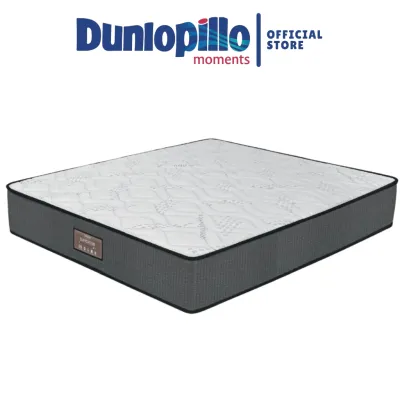
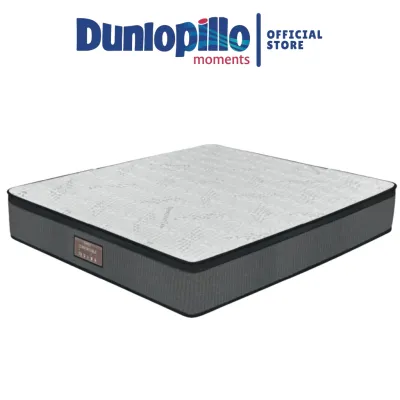
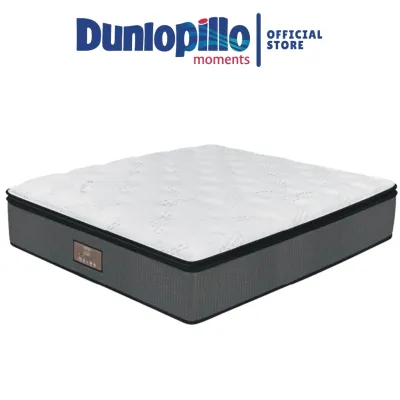
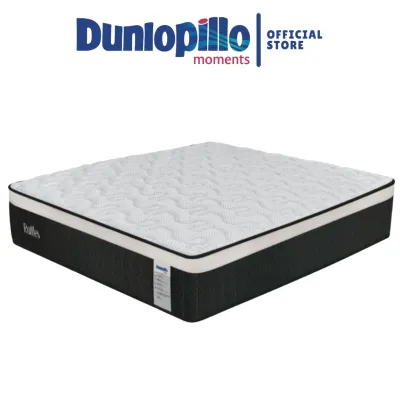
Prices are valid at publication and may change. Please refer to the product page for the latest price.
- Lighter weight: Soft to Medium-Soft
- Average weight: Medium
- Heavier weight: Medium-Firm
Back Sleepers
- Lighter weight: Medium
- Average weight: Medium-Firm
- Heavier weight: Firm
Stomach Sleepers
- Lighter weight: Medium-Firm
- Average weight: Firm
- Heavier weight: Firm to Extra-Firm
While this matrix provides a reliable baseline, certain physical conditions or personal preferences may require you to adjust these recommendations. For instance, individuals recovering from specific injuries or those with chronic joint issues should prioritize targeted pressure relief over standard weight-based guidelines.
Always verify the actual feel of the mattress against the manufacturer’s specific product labels. Firmness scales are not universally standardized across the bedding industry, meaning a medium model from one product line might feel noticeably different from a medium model in another.
Assess Your Primary Sleeping Position for Support Needs
Your dominant sleeping posture dictates where your body exerts the most pressure on the mattress surface. Understanding these pressure zones allows you to choose a firmness level that actively supports spinal alignment rather than working against it.

Side sleepers require a mattress that offers significant contouring around the shoulders and hips. Because these areas protrude the most, a surface that is too firm will push back against them, leading to restricted circulation and morning soreness. A softer or medium-firm surface allows these key pressure points to sink in just enough to keep the spine straight.
Back sleepers need a balanced surface that supports the natural curve of the lower back. If the mattress is too soft, the pelvis sinks too deeply, flattening the lumbar curve. Conversely, an overly firm mattress leaves a gap under the lower back, forcing the muscles to remain tense all night to support the spine.
Stomach sleepers require firm support to prevent the midsection from sagging. When the hips sink into a soft mattress, it arches the lower back excessively, placing severe strain on the lumbar muscles and ligaments. A firm, stable surface keeps the body in a flat, neutral plane.
Adjust Firmness Choices Based on Body Weight
Body weight directly influences how deeply you compress the comfort layers of a mattress, which alters how firm or soft the bed feels to you. A mattress that feels like a cloud to a lighter individual may feel like a hard board to someone heavier who sinks straight through to the support core.
Lighter individuals typically experience mattresses as being firmer than advertised because they do not exert enough downward force to compress the upper comfort layers. To achieve adequate contouring and pressure relief, lighter sleepers often need to select a softer model than standard charts suggest.
Average-weight individuals generally find that medium-firm options offer the ideal balance of surface comfort and deep support. This firmness level allows moderate sinkage for pressure relief while keeping the core support system engaged to prevent spinal misalignment.
Heavier individuals require firmer cores and high-density materials to prevent excessive sinking. Without a robust support system, heavier sleepers can bottom out through the comfort layers, leading to poor posture and rapid wear of the mattress materials. Opting for a firmer rating or a model with reinforced center zones helps maintain a level sleeping surface.
Evaluate Dunlopillo Mattress Options and Labels
When shopping for a Dunlopillo mattress, translating your diagnostic profile into a physical purchase requires careful inspection of product specifications and construction details. The brand is widely known for its latex technology, but different models combine latex with various support cores that alter the overall feel.
Begin by checking the product tags and online specifications for firmness ratings, which are often represented on a scale from 1 to 10 or categorized as soft, medium, or firm. Pay close attention to the thickness and density of the comfort layers, as a thick layer of natural latex can soften the initial feel of a firm pocket spring core.
The underlying construction type plays a critical role in how the mattress supports your weight over time. Pure latex models offer a highly responsive, buoyant feel that distributes body weight evenly without the deep sinkage of memory foam. Hybrid models, which pair latex comfort layers with pocketed innersprings, provide targeted zonal support that is highly beneficial for heavier individuals or back sleepers.
Before finalizing your purchase, verify the retailer’s sleep trial terms and return policies. Testing a mattress for a few minutes in a showroom cannot fully replicate the experience of sleeping on it for several weeks. Ensure you understand any potential return fees, transportation costs, or exchange limitations associated with your selected model.
Refine Your Choice for Pain Relief and Shared Beds
While sleeping position and body weight are the primary factors in choosing firmness, secondary household variables can influence your final decision. Addressing these specific scenarios ensures long-term comfort for both you and anyone sharing your bed.
If you suffer from chronic joint or back discomfort, finding the right firmness is essential for pain management. However, a mattress is not a medical cure; if you experience persistent pain, you should consult a qualified medical professional for personalized advice before relying solely on a mattress change.
Couples with different sleep profiles often face a challenge when selecting a single firmness level. In these cases, look for models designed with excellent motion isolation—such as pocketed springs or thick latex layers—which prevent one partner’s movements from disturbing the other. Some ranges also offer dual-firmness options within a single king-size mattress to accommodate different preferences.
In Singapore’s warm and humid climate, temperature regulation is a critical consideration. Latex naturally retains less heat than traditional memory foam, but you should still check for breathable cover fabrics and open-cell structures that promote airflow. Additionally, robust edge support is vital if you sit on the edge of the bed or sleep near the side, as it prevents the feeling of rolling off.
Frequently Asked Questions (FAQ)
How can I test a Dunlopillo mattress firmness accurately before buying?
When testing a mattress in a physical showroom, spend at least 10 to 15 minutes resting in your primary sleeping position rather than just sitting on the edge. Lie down, close your eyes, and focus on whether your spine feels aligned and if there are any pressure points on your shoulders or hips. If you are purchasing online, carefully review the terms of the sleep trial, checking for any hidden return fees, repackaging requirements, or pickup charges.
Will a Dunlopillo mattress feel softer or firmer over time?
Most mattresses undergo a natural break-in period during the first few weeks of use, during which the comfort layers soften slightly and adapt to your body shape. This initial softening is normal and should not be confused with structural sagging or core degradation. To monitor the condition of your mattress and ensure even wear, rotate it 180 degrees every few months, and check the manufacturer’s warranty guidelines regarding allowable depths for permanent indentations.
Community discussion
Share your experience or ask a question. Comments are reviewed before publication.