
Selecting the ideal double mattress firmness is a critical decision that directly influences your spinal health, muscle recovery, and overall sleep quality. In Singapore, where compact bedroom layouts in HDB flats and condominiums make the double mattress—measuring 137 cm by 190 cm—a highly practical choice for both single sleepers and space-conscious couples, maximizing the utility of this footprint requires a precise understanding of how your sleep posture interacts with the bed. Choosing incorrectly can lead to chronic joint pressure, morning stiffness, and disrupted sleep cycles.
To make an informed decision, you must evaluate how your primary sleeping position aligns your spine, how your body weight alters your perception of mattress materials, and how to navigate compromises if you share the bed. By matching these factors to the correct structural support and comfort layers, you can secure a mattress that promotes restorative sleep year after year.
Decoding the Mattress Firmness Scale
The mattress industry utilizes a standardized 1-to-10 scale to classify firmness, providing a common language for consumers to compare different models. On this scale, a rating of 1 represents an ultra-soft surface with virtually no resistance, while a 10 represents an extra-firm, highly rigid surface similar to sleeping on a carpeted floor. In practice, almost all commercial double mattresses fall within the 3 (soft) to 8 (firm) range, as extreme ratings do not provide the structural integrity required for daily use.
Products mentioned in this guide
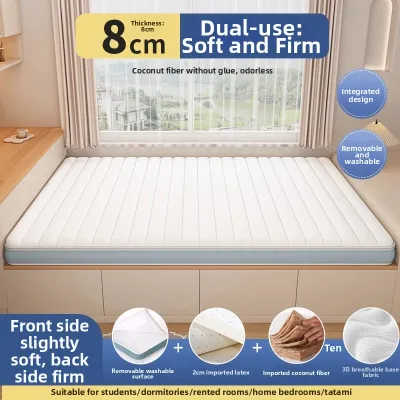
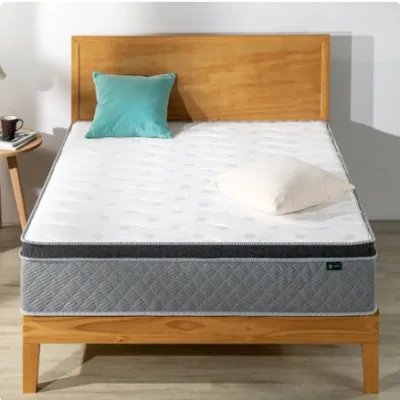
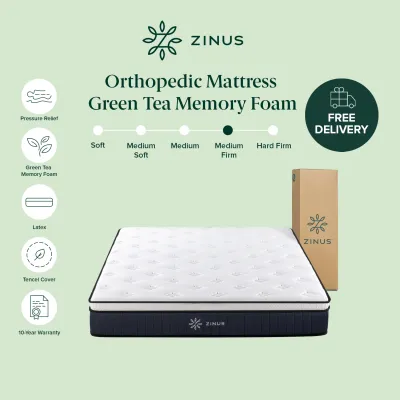
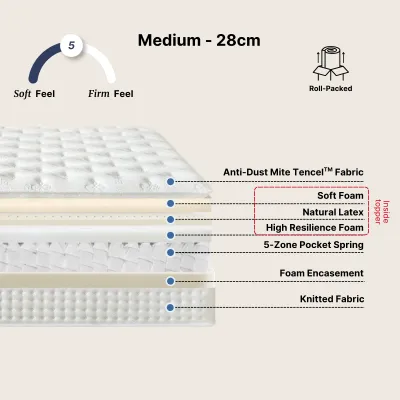

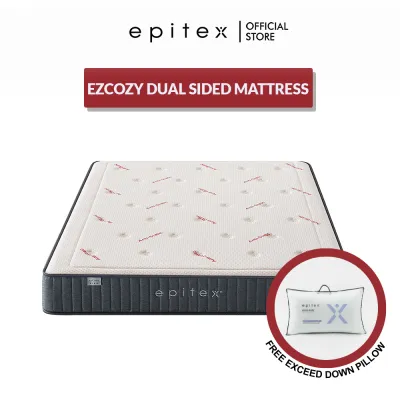
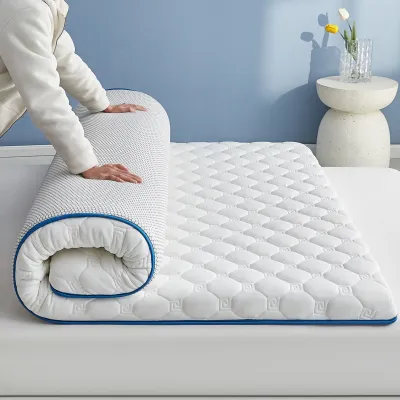
Prices are valid at publication and may change. Please refer to the product page for the latest price.
Understanding the distinction between support and firmness is essential when evaluating these ratings. Support refers to the mattress’s ability to keep your spine in a neutral alignment, which is driven by the core support system, such as pocketed coils or high-density base foam. Firmness, on the other hand, describes the initial feel of the top comfort layers—such as memory foam, latex, or quilted fiber—when you first lie down. A mattress can have a plush, soft surface feel while still offering excellent, rigid spinal support underneath.
It is also important to recognize that mattress firmness is highly subjective. A mattress rated as a 6 by a manufacturer is not a universal constant; its actual feel depends on your unique physical characteristics. Factors such as your body weight, weight distribution, and personal sensitivity to pressure points will dictate whether a specific double mattress feels medium-soft, medium, or firm to you.
Matching Your Sleeping Position to the Right Firmness
Your primary sleeping position is the most reliable diagnostic indicator for choosing a mattress firmness level. During sleep, your muscles relax, leaving your skeletal structure dependent on the mattress to maintain healthy alignment. If the surface is too hard or too soft for your specific posture, your spine will bend unnaturally, leading to muscle strain and joint pain.

Side Sleepers
Side sleepers require a medium-soft to medium double mattress, typically rated between 4 and 6 on the firmness scale. When you sleep on your side, your body weight is concentrated entirely on two narrow contact points: the shoulder and the hip. To prevent pain, these protruding areas must be allowed to sink into the mattress comfort layers.
If a side sleeper uses a mattress that is too firm, the rigid surface will push against the shoulder and hip, creating intense pressure points. This restricts blood circulation, leading to numbness, tossing and turning, and lateral misalignment of the spine. Conversely, if the mattress is too soft, the heavy pelvic region will sink excessively while the lighter upper body remains elevated, creating a curved “hammock” effect that strains the lower back. The ideal mattress provides enough contouring to cushion the joints while offering a supportive core to keep the spine straight.
Back Sleepers
Back sleepers thrive on a medium to medium-firm double mattress, generally falling between 5 and 7 on the firmness scale. This position naturally distributes your body weight more evenly across the mattress surface than side sleeping, but it introduces a distinct physical challenge: supporting the natural curve of the lower lumbar spine.
If a back sleeper chooses a mattress that is too firm, the surface acts like a flat board, supporting only the shoulder blades and the buttocks. This leaves the lower back suspended in the air without support, forcing the lumbar muscles to remain tense all night to maintain alignment. If the mattress is too soft, the hips and pelvis sink too deeply into the core, flattening the spine’s natural S-curve and causing chronic lower back strain. A medium-firm surface allows the hips to sink just enough to fill the lumbar gap, keeping the spine in a relaxed, neutral position.
Stomach Sleepers
Stomach sleepers need a medium-firm to firm double mattress, ranging from 7 to 8 on the scale. Sleeping on your stomach is biomechanically challenging because gravity naturally pulls your midsection downward, threatening to hyperextend the lower spine.
If a stomach sleeper rests on a soft mattress, the pelvis and abdomen sink deep into the comfort layers, forcing the lower back into an exaggerated arch. This swayback position compresses the facet joints of the lumbar spine, leading to significant morning stiffness and long-term back issues. While stomach sleeping is generally the least recommended posture by ergonomic professionals, those who prefer it must select a firm, highly supportive surface to keep the hips level with the shoulders. A thin, resilient comfort layer is still necessary to cushion the chest and knees without allowing the body to sink.
Adjusting for Body Weight and Sinkage
While your sleeping position provides the baseline firmness recommendation, your body weight is the primary variable that determines how deeply you will interact with the mattress layers. Heavier individuals compress comfort layers more significantly, while lighter individuals exert less downward force.
- Lighter Sleepers (Under 60 kg): If you fall into this category, you will not compress standard mattress materials deeply enough to experience their supportive cores. As a result, a mattress rated as a "medium" may feel quite firm to you. To achieve adequate pressure relief and spinal contouring, lighter sleepers should generally choose a mattress that is half a point to a full point softer than the standard recommendation for their sleep position.
- Average-Weight Sleepers (60 kg to 90 kg): Sleepers in this weight range typically experience mattresses close to their designated industry firmness ratings. If you fall here, you can safely rely on standard sleep-position recommendations without adjusting for weight.
- Heavier Sleepers (Over 90 kg): If you are a heavier sleeper, you will compress the upper comfort layers completely, resting your weight directly on the support core. A medium mattress can quickly feel soft, unsupportive, and hot. To prevent bottoming out, maintain spinal alignment, and ensure adequate edge support, you should opt for a double mattress that is 1 to 2 points firmer than standard recommendations, or look for models constructed with high-density foam or robust pocketed coil systems.
Compromising on a Double Mattress for Couples
Sharing a double mattress presents unique challenges, particularly when partners have different sleeping positions, body weights, or personal comfort preferences. Because a double mattress (137 cm x 190 cm) offers a more compact sleeping area than a Queen or King, both partners sleep closer together, making motion transfer and edge support critical factors in overall sleep quality.
- The Universal Medium-Firm Compromise: If you and your partner have conflicting sleep styles, a mattress rated between 6 and 6.5 is often the most successful middle ground. This level is soft enough to cushion a side sleeper's shoulders and hips, yet firm enough to prevent a back or moderate stomach sleeper's pelvis from sinking too deeply.
- Dual-Firmness and Split Configurations: For couples with highly contrasting needs—such as a lightweight side sleeper sharing a bed with a heavier stomach sleeper—a standard compromise may not suffice. In these scenarios, look for dual-firmness double mattresses. These specialized models feature split internal comfort layers, allowing the left side of the bed to be configured as soft or medium while the right side is configured as firm.
- The Split-Topper Approach: If a dual-firmness mattress is outside your budget, you can purchase a firm or medium-firm double mattress to satisfy the partner who requires more structural support. Then, add a single-sized, plush mattress topper (made of memory foam or latex) to only one side of the bed to provide the necessary pressure relief for the side-sleeping partner.
- Motion Isolation and Edge Support: When sharing a smaller double bed, movement from one partner can easily disrupt the other. Opt for pocketed coil systems or memory foam comfort layers, which absorb localized movement rather than transferring it across the bed. Additionally, ensure the mattress features reinforced edge support—either through thicker perimeter coils or high-density foam encasement—to maximize the usable sleeping surface and prevent the sensation of rolling off the edge.
How to Test and Verify Firmness Before Committing
Selecting a mattress based on specifications is an excellent starting point, but physical verification is essential before finalizing your purchase. Whether testing a mattress in a physical showroom in Singapore or evaluating it during an at-home trial, a systematic approach will prevent costly mistakes.
When testing in a showroom, avoid the common mistake of simply sitting on the edge of the bed or lying down for a few seconds. Implement the “15-minute rule”: lie down on the mattress in your actual, primary sleeping position for at least 15 consecutive minutes. Bring your own pillow if possible, as this ensures your neck alignment matches your home setup. Pay close attention to whether your muscles can fully relax, or if you feel yourself holding tension to stay balanced on the surface.
If you purchase a mattress online, prioritize brands that offer an at-home sleep trial, which typically ranges from 90 to 100 nights. It takes time for your body to adjust to a new sleep surface. During the first 2 to 4 weeks—often referred to as the mandatory break-in period—the mattress materials will soften slightly, and your muscles will adjust to the new alignment. Do not judge the mattress solely on the first few nights.
Finally, always verify the specific terms of the sleep trial and return policy before committing. Check if the manufacturer requires a minimum trial period (such as 21 days) before initiating a return, and clarify whether you will be responsible for return transportation fees or restocking charges.
Frequently Asked Questions (FAQ)
Can I change the firmness of my current double mattress?
Yes, you can modify the perceived firmness of your existing double mattress to a certain degree. If your mattress is too firm, you can easily soften the surface by adding a plush mattress topper made of memory foam, gel-infused foam, or natural latex, typically between 5 cm and 7.5 cm in thickness. If your mattress is too soft, making it firmer is more difficult. You can inspect your bed frame to ensure the wooden slats are not sagging; placing a solid bunkie board or a sheet of moisture-sealed plywood between the mattress and the slatted base can provide a more rigid foundation. However, if the internal coils or primary foam layers of your mattress have degraded and are actively sagging, these adjustments are only temporary fixes, and a full mattress replacement is required.
Is a firm mattress always better for back pain?
No, the belief that an ultra-firm mattress is the best solution for back pain is a common misconception. A mattress that is excessively firm cannot conform to the spine’s natural curvature, leaving the lumbar region unsupported and placing intense pressure on the shoulder blades, hips, and tailbone. This lack of contouring can actually worsen back pain and cause joint stiffness. Ergonomic studies generally indicate that a medium-firm mattress provides the optimal balance of spinal alignment and pressure relief for general lower back pain. However, because back pain can stem from various underlying medical conditions, you should always consult a healthcare professional or physical therapist for personalized diagnostic advice regarding chronic spinal issues.
Community discussion
Share your experience or ask a question. Comments are reviewed before publication.