
Protecting your household investments during home improvement projects, seasonal cleaning, or periods of vacancy requires a reliable barrier against airborne particles. In Singapore’s tropical climate, finding the best disposable dust covers for furniture involves balancing effective dust exclusion with moisture management. The ideal solution depends entirely on your specific scenario: heavy-duty plastic sheeting excels at blocking wet paint and plaster during renovations, while breathable non-woven fabric covers are superior for preventing mold and condensation during long-term storage. By matching the material properties to your project needs and verifying physical dimensions, you can safeguard your sofas, tables, and cabinets from costly surface damage.
Quick Guide to Selecting Disposable Furniture Covers
Selecting the right temporary protective cover requires matching your immediate home situation to the physical properties of the material. For active, high-impact environments such as interior painting, hacking, or tiling renovations, your primary concern is preventing liquid penetration and heavy plaster dust. In these situations, non-porous plastic sheeting provides an impermeable shield. Conversely, if you are leaving your home vacant for an extended holiday or storing items in a non-air-conditioned room, the high ambient humidity of Singapore makes breathability your top priority to prevent mold growth.
Before purchasing any protective wrap, the critical first step is to measure your furniture’s complete outer dimensions rather than relying on generic size labels like “large sofa” or “dining set.” A cover that is too small leaves vulnerable gaps, while an excessively large sheet can pool on the floor, creating tripping hazards and collecting dirt. Balancing the trade-offs between breathability, tear resistance, and cost will guide you to the most efficient choice. While thin utility plastics are highly economical for quick, single-day paint jobs, they puncture easily under tension, making thicker non-woven fabrics or heavy-duty polythene sheets more cost-effective for multi-week projects.
Products mentioned in this guide
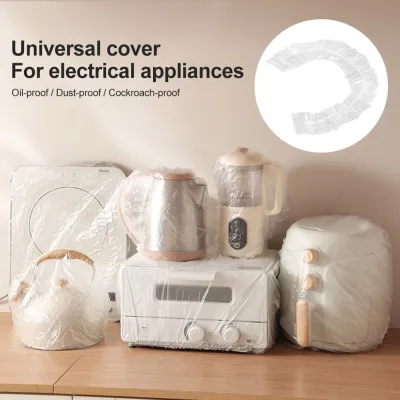
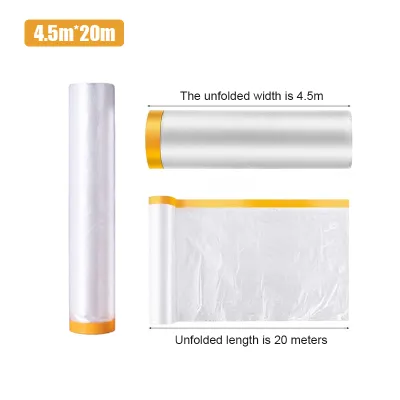
![[2-3 Days Delivery] 4.5m x 20m Plastic Dust Cover Protective Plastic Sheet Disposable Furniture Dustproof Cover Protective Cover Plastic Cover Plastic Film for Home Improvement CNY Gift Present](https://img.lazcdn.com/g/p/37fceab8fc43d4b3b58593d55aae9bcb.jpg_400x400q80.jpg_.webp)
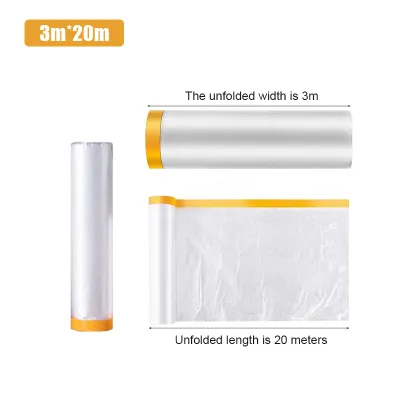
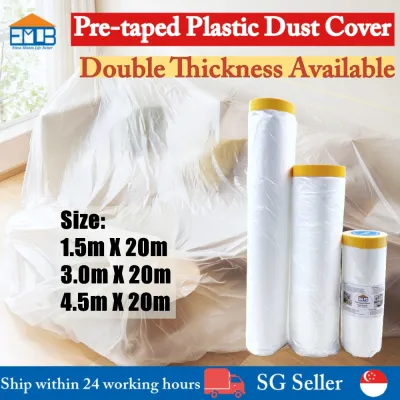
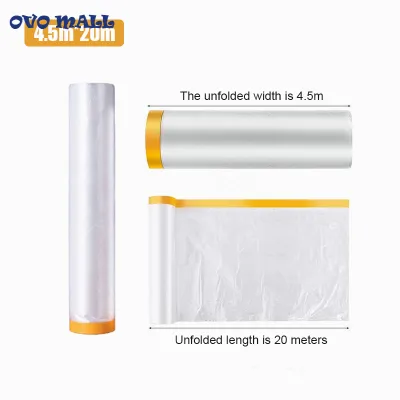
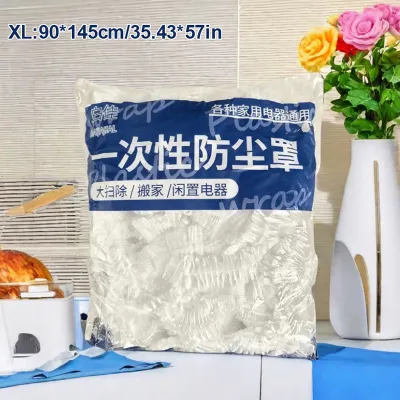
Prices are valid at publication and may change. Please refer to the product page for the latest price.
Recommended Disposable Dust Cover Types by Use Case
To simplify your selection process, it is helpful to categorize disposable covers into three primary material groups. Each group serves a distinct protective function, offering varying levels of durability, moisture resistance, and air circulation.

| Cover Material Type | Best Use Case | Breathability | Tear Resistance |
|---|---|---|---|
| Heavy-Duty Plastic Sheeting (LDPE) | Renovations, painting, and wet construction work | None (Impermeable) | High (Resists punctures from tools) |
| Non-Woven Fabric (Polypropylene) | Long-term storage, vacant homes, and dust protection | High (Prevents moisture buildup) | Moderate (Good for general handling) |
| Stretchable Plastic Wrap (LDPE Film) | Moving, securing drawers, and short-term transport | None (Impermeable) | Moderate to High (Under tension) |
Heavy-duty plastic sheeting, typically made from low-density polyethylene (LDPE), is the industry standard for construction and renovation protection. Its completely non-porous surface ensures that wet paint splatters, plaster dust, and water drips cannot penetrate to the underlying fabric or wood. This material is highly recommended when contractors are actively working in your living space, as it tolerates minor impacts and resists tearing when tools or ladders are brushed against covered items. However, its lack of breathability means it should not be left sealed on sensitive surfaces for months at a time.
Non-woven fabric covers, manufactured from spunbond polypropylene, offer an excellent alternative for long-term storage and general dust protection. The fibrous structure of non-woven material allows air to circulate freely while acting as a fine mesh filter that traps airborne dust particles. This breathability is essential in Singapore’s humid environment, as it prevents warm, moist air from becoming trapped against wood veneers or leather upholstery, which can lead to rapid mold and mildew colonization. While highly effective for dry dust, these covers are porous and will absorb liquids, making them unsuitable for active painting zones.
Stretchable plastic wrap, often referred to as packing cling film, is a highly specialized tool designed primarily for moving and short-term transport. It excels at securing moving parts, such as keeping cabinet doors closed, holding drawers in place, and wrapping around sectional sofa pieces to keep them clean during transit. Because it clings tightly to itself without adhesive, it leaves no sticky residue on your furniture surfaces. The primary limitation of stretch wrap is its susceptibility to sharp corners; once punctured under tension, the film can easily unzip and tear completely, requiring multiple overlapping layers to ensure reliable protection.
When deciding between a specialized, pre-shaped furniture cover and a standard utility sheet, consider the complexity of the item. A standard rectangular utility sheet is highly versatile and economical for flat dining tables, desks, or stacked chairs. However, for large, irregular items like high-backed armchairs or deep sectional sofas, a specialized contoured cover with pre-sewn corners saves significant installation time and provides a much tighter, more secure fit that prevents dust from blowing underneath.
Essential Features to Check Before Buying
When evaluating disposable dust covers, relying solely on marketing terms like “heavy-duty” or “premium” can lead to disappointing results. Instead, look for objective physical specifications on the product packaging to ensure the cover can withstand your specific home environment.
First, evaluate the material thickness, which is typically measured in microns (micrometer) or mils (thousandths of an inch). For light dust protection during a weekend cleaning session, a thin plastic sheet of 10 to 15 microns is sufficient and highly flexible. For active home renovations involving sanding, drilling, or painting, look for heavy-duty sheeting with a thickness of at least 50 to 100 microns. Thicker materials offer the puncture resistance necessary to withstand accidental scrapes from tools, sharp furniture corners, and the physical stress of being pulled or adjusted.
Second, inspect the cover for secure fitting mechanisms. A loose plastic sheet can easily be blown off by wind from open windows or ceiling fans, exposing your furniture to dust. Look for covers that feature integrated elastic hems along the bottom edge, which pull the material snugly around the base of the furniture. If elastic is not available, check for built-in tie-down straps or integrated adhesive tape strips along the borders, which allow you to anchor the cover directly to the furniture legs or to adjacent protective sheets without damaging the finish.
Third, pay close attention to seam construction and heat-sealing quality. The seams are the most common failure points on pre-shaped furniture covers. High-quality disposable covers utilize double-welded heat seams that fuse the plastic sheets together, creating a continuous barrier. Poorly sealed seams can easily split under tension when draping the cover over a large sofa, allowing fine drywall or concrete dust to seep through the gaps and settle deep into fabric fibers.
Finally, always verify the actual physical dimensions listed on the packaging rather than relying on generic category descriptions. A cover labeled “three-seater sofa cover” may vary significantly between manufacturers. Ensure the listed length, width, and depth measurements provide enough material to drape completely to the floor, leaving no exposed gaps at the base where dust can accumulate.
How to Measure Your Furniture for a Proper Fit
Achieving complete protection requires precise measurements of your furniture pieces before purchasing your disposable covers. Taking a few minutes to map out the dimensions prevents the frustration of discovering a cover is too short or too narrow mid-project.
Start by measuring the three primary dimensions of each item: the maximum length, width, and height. Always measure from the widest and highest points of the furniture. For example, when measuring a sofa, do not just measure the seat cushion; measure from the outermost edge of one armrest to the other, and from the floor to the very top of the backrest cushions. Be sure to include any protruding elements such as decorative wooden legs, rolled armrests, or extended headboards, as these protrusions will push the cover outward and reduce the available drape.
Once you have the base dimensions, calculate the necessary drape allowance. To ensure complete protection, the cover must reach all the way to the floor. If you are using flat plastic sheeting rather than a pre-shaped cover, you must add twice the height of the furniture to both the length and the width measurements. For example, if you have a dining table that is 1.5 meters long, 1 meter wide, and 0.75 meters high, you will need a sheet that is at least 3 meters long (1.5 + 0.75 + 0.75) and 2.5 meters wide (1 + 0.75 + 0.75) to drape fully to the ground on all sides.
If you plan to move or reposition the furniture while it is wrapped, you must also verify clearances along your transit route. Measure the width of your doorways, hallway turns, and lift entrances in your condominium or HDB block. Thick plastic wrapping or bulky non-woven covers can add several centimeters to the profile of your furniture, which can make navigating tight corners or fitting into a passenger lift highly challenging if clearances are already minimal.
For irregular or complex furniture shapes, such as L-shaped sectional sofas or large display cabinets, standard rectangular covers rarely provide a clean fit. In these cases, plan to use multiple overlapping sheets. You can wrap each section of a modular sofa individually using stretch wrap or smaller covers, then secure the overlapping seams with low-tack painter’s tape to create a unified, dust-tight seal.
Where to Source Disposable Covers in Singapore
Finding the right disposable furniture covers in Singapore involves choosing between immediate local availability and bulk online purchasing options. Depending on the scale of your project, different retail channels offer distinct advantages.
For immediate, small-scale needs—such as a sudden weekend painting project or a minor ceiling repair—local hardware stores and neighborhood DIY shops across Singapore are highly convenient. These brick-and-mortar retailers typically stock standard utility plastic drop cloths, thin painter’s tape, and basic dust sheets. While the selection of sizes and thicknesses may be limited, purchasing locally allows you to physically inspect the packaging and obtain the materials on the same day.
For larger renovation projects, whole-house packing, or specialized sizes, online marketplaces and ecommerce platforms offer a much wider selection. These digital platforms allow you to browse specialized non-woven fabric covers, extra-thick LDPE sheeting, and multi-packs designed for entire living room sets. When shopping online, prices generally range from S$5 for a basic single-use sofa cover to S$30 or more for heavy-duty, multi-pack kits. To ensure you receive a quality product, always read user reviews to verify the actual material thickness and tear resistance, as online descriptions can sometimes be misleading.
If you require industrial-grade protection, consider sourcing directly from local moving and packing supply specialists in Singapore. These commercial suppliers offer heavy-duty mattress bags, thick padded covers, and high-tensile stretch wraps that are far more durable than standard household retail options. While the cost per unit may be slightly higher, the superior puncture resistance is highly beneficial if your furniture will be handled frequently or stored in a shared warehouse facility.
Best Practices for Applying and Removing Dust Covers
The effectiveness of a disposable dust cover depends heavily on how it is applied and removed. Following a systematic process ensures that your furniture remains pristine throughout the project and that accumulated dust is not accidentally released back into your living space.
Before applying any cover, it is essential to clean and thoroughly dry the furniture surface. Wipe down wooden frames, vacuum fabric upholstery, and ensure leather surfaces are completely free of moisture. Trapping existing dust or debris under a tight cover can cause abrasive scratches when the cover shifts, while trapping moisture in Singapore’s humid climate can lead to rapid mold growth and musty odors within just a few days.
Once the furniture is clean and dry, drape the cover carefully over the item, ensuring it is centered and reaches the floor on all sides. Secure any loose edges or excess material to prevent the cover from shifting during active renovation work. Use low-tack painter’s tape to secure the plastic to the underside of the furniture legs or to the floor. Avoid using high-tack packing tape directly on finished wood, leather, or delicate fabrics, as the adhesive can leave a permanent residue or strip away the surface finish upon removal.
When your project is complete, the removal process must be handled with care to avoid dispersing the collected dust. Do not simply rip the cover off. Instead, carefully unfasten the tape or ties, and begin folding the cover inward, trapping the dirty, dusty outer surface on the inside of the fold. Work slowly from one end of the furniture to the other, rolling the dirty plastic into a tight bundle for immediate disposal in a trash bag.
Immediately after uncovering your furniture, conduct a thorough inspection of all surfaces. Check for any signs of accidental moisture buildup, condensation, or surface impressions left by the plastic under weight. If you notice any dampness, wipe the area dry immediately with a clean microfiber cloth and allow the furniture to air out in a well-ventilated room with a ceiling fan or dehumidifier running.
Frequently Asked Questions (FAQ)
Can I reuse disposable dust covers after a renovation?
Reusing a disposable dust cover depends entirely on its material thickness and its condition after the project. Heavy-duty LDPE plastic sheeting (50 microns or thicker) and robust non-woven fabric covers can often be reused if they have not suffered punctures, tears, or heavy paint spills. To reuse them safely, take the covers outdoors or to an open balcony, carefully shake off any loose dust and plaster debris, and wipe them down with a damp cloth before folding them neatly for storage. However, thin utility plastic wraps (under 20 microns) are highly prone to micro-tears and stretched seams after a single use; attempting to reuse these thin films is not recommended, as they lose their dust-blocking integrity.
Will plastic dust covers cause moisture damage to wood furniture?
Yes, using non-breathable solid plastic covers on solid wood or veneered furniture carries a significant risk of moisture damage, especially in Singapore’s high-humidity environment. When ambient temperatures fluctuate, moisture in the air can condense on the underside of the impermeable plastic sheet, trapping water droplets directly against the wood surface. This trapped moisture can cause wood veneers to warp, lift, or bubble, and can ruin delicate lacquer or wax finishes. To mitigate this risk, avoid leaving solid plastic covers on wood furniture for more than a few days. For longer-term protection, always use a breathable non-woven fabric cover, or place a clean, dry cotton sheet or drop cloth over the wood furniture first before draping the plastic cover on top.
Community discussion
Share your experience or ask a question. Comments are reviewed before publication.