
Choosing the right display cabinet style is a balancing act between personal expression and spatial harmony. To find a piece that elevates your home rather than cluttering it, you must look beyond the cabinet itself and evaluate how its materials, lines, and proportions interact with your existing decor. By systematically assessing your room’s architecture, understanding key furniture design markers, and accounting for physical constraints, you can select a display cabinet that feels like an organic extension of your living space.
Assess Your Existing Room Aesthetics and Layout
Before browsing online marketplaces or visiting local showrooms, take a detailed inventory of the room where the cabinet will stand. Start by identifying the dominant architectural features, such as high ceilings, exposed beams, or modern floor-to-ceiling windows, alongside the existing color palette. A room dominated by cool, neutral tones and clean plaster walls demands a different stylistic response than a space defined by warm timber flooring and heritage cornices.
Next, observe how light moves through the space throughout the day. Natural sunlight streaming through a window will highlight the grain of a wooden cabinet or create intense reflections on large glass panes, while artificial spotlights can cast dramatic shadows depending on where the cabinet is positioned. Understanding these lighting conditions helps you decide whether a matte, gloss, or highly transparent finish will work most effectively.
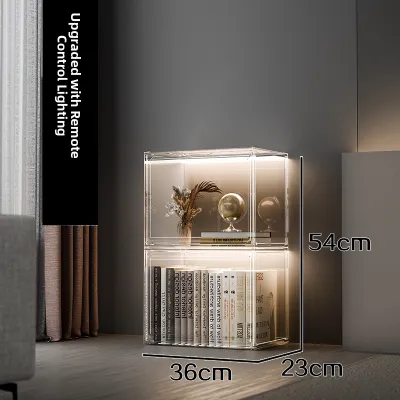
Products mentioned in this guide
![[FREE INSTALLATION] KENZZO :Belly Glass Door Display Cabinet /book shelf/ filing cabinet/ wardrobe](https://img.lazcdn.com/g/p/ef0152d394d3bae692e449cb326dcb39.jpg_400x400q80.jpg_.webp)
![[HOUZE] MEGAPOP Acrylic Display Cabinet With Wheels & LED Lights [2 | 3 | 4 Tiers]](https://img.lazcdn.com/g/p/c3da1aa39c8ae8f070880637b3f5b9aa.jpg_400x400q80.jpg_.webp)
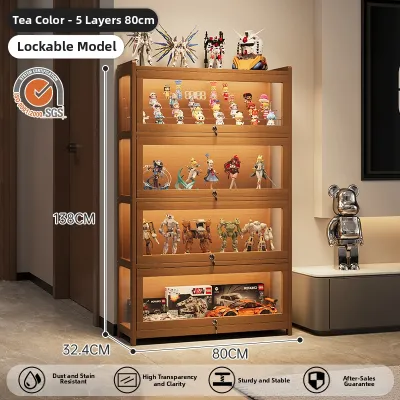



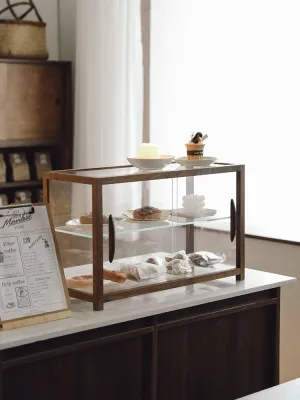
Prices are valid at publication and may change. Please refer to the product page for the latest price.
You must also evaluate the visual weight and scale of your current furniture. A delicate, slender metal cabinet can easily look lost next to a massive, deep-seated sectional sofa, whereas a heavy, dark oak cabinet might overwhelm a room filled with low-profile, leggy mid-century modern pieces.
Finally, consider the primary function of the room to ensure the cabinet supports your daily lifestyle. A display cabinet in a high-traffic dining area needs to accommodate movement and frequent access, whereas a piece placed in a quiet study or formal living room can serve as a decorative focal point with less emphasis on rugged durability.
Identify Key Design Elements of Display Cabinets
To match a display cabinet to your interior, you must first understand the design elements that define its style. Materials and surface finishes play a primary role in establishing this identity. For instance, natural wood grains with matte finishes project warmth and organic texture, while polished metals and high-gloss lacquers introduce a sleek, reflective quality that feels distinctly modern. Glass treatments, whether clear, frosted, or ribbed, also alter how light interacts with the cabinet’s contents.

Silhouettes and structural lines further dictate the cabinet’s aesthetic. Straight, unadorned lines and thin profiles create a sense of lightness and simplicity, making them suitable for minimalist spaces. Conversely, curved arches, tapered legs, and ornate crown moldings add historical character and visual complexity, drawing the eye as a statement piece.
Do not overlook the impact of hardware, which acts as the jewelry of the furniture piece. Minimalist, recessed finger pulls or sleek bar handles reinforce a contemporary look, while antique brass knobs, exposed hinges, and decorative escutcheons lean toward classic or rustic styles. Even the design of the base—whether the cabinet sits flush on the floor, rests on delicate tapered legs, or is supported by a sturdy plinth—affects its overall presence.
Lastly, consider the balance between transparency and solid structure. A cabinet featuring full glass doors on multiple sides maximizes visibility and light flow, whereas a model with solid lower doors or open wooden shelving offers a more grounded, private storage solution. Integrated lighting features, such as recessed LED strip lights, can also transform the cabinet from a simple storage unit into a dramatic gallery space.
Align Cabinet Features with Broad Design Directions
Once you understand both your room’s characteristics and the design elements of display cabinets, you can begin matching them to broad design directions. If your home features clean lines, neutral color palettes, and an emphasis on functional simplicity, look for cabinets with minimalist profiles. Pieces featuring slim black metal frames, frameless glass doors, and handle-free push-to-open mechanisms integrate seamlessly into contemporary, Scandinavian, or minimalist environments without disrupting the visual flow.
For homes with traditional, classic, or heritage-inspired interiors, a different approach is required. Here, you should seek out cabinets crafted from rich wood textures like walnut or oak, featuring classic proportions, detailed paneling, and elegant moldings. These elements echo the architectural details of older homes, creating a sense of permanence and timelessness that complements plush fabrics and antique decorative accents.
If your aesthetic leans toward the industrial or rustic, focus on cabinets that celebrate raw, tactile materials. Look for designs that combine distressed wood finishes with dark, powder-coated steel frames, visible rivets, and wire-mesh glass doors. These rugged textures pair exceptionally well with exposed brick walls, concrete floors, and utilitarian lighting fixtures, adding a grounded, historical feel to the space.
For transitional or eclectic interiors, the key lies in thoughtful contrast. You can successfully bridge different eras by choosing a cabinet that blends modern and classic elements—such as a traditional arched wooden cabinet finished in a bold, contemporary matte black paint, or a sleek glass cabinet styled with vintage brass hardware. This approach allows the piece to act as a unifying bridge between disparate furniture styles in the room.
Evaluate Practical Constraints and Placement
While aesthetic alignment is crucial, a display cabinet must also fit your physical environment and meet safety standards. Begin by measuring your available floor space and ceiling height, ensuring you leave adequate clearance around the cabinet. Crucially, measure your doorways, hallways, and lift access points to guarantee the fully assembled cabinet or its flat-pack packaging can be safely delivered into your home.
Structural stability is a paramount safety consideration, particularly for tall, top-heavy units or households with young children and pets. Always check the manufacturer’s instructions regarding stability and plan to use appropriate wall-anchoring hardware to prevent tipping hazards. Glass shelves and doors should be made of tempered safety glass to minimize the risk of injury in case of accidental impact.
You must also calculate the visual footprint of the cabinet to ensure it does not obstruct natural traffic flow. A cabinet that juts out too far into a walkway will quickly become a daily frustration, regardless of how beautiful it looks. Ensure there is ample clearance to fully open the cabinet doors and drawers without bumping into other furniture or blocking pathways.
Finally, verify the weight capacity of the shelves before placing your items. Heavy books, ceramic collections, and glassware require sturdy, well-supported shelving—whether thick tempered glass or solid wood—to prevent sagging or structural failure over time. Always refer to the manufacturer’s specified load limits rather than estimating capacity by eye.
Finalize Your Choice with a Cohesion Checklist
Before making your final purchase, run through a quick checklist to ensure your chosen display cabinet harmonizes with your home. First, verify material and finish continuity; the wood tone or metal finish of the cabinet should complement, rather than clash with, the existing anchor pieces in the room, such as your dining table or coffee table.
Second, balance the visual weight of the room by ensuring the cabinet’s size and density do not overwhelm nearby furniture. Third, confirm that the internal shelving configuration—whether adjustable or fixed—adequately accommodates the height and scale of the specific items you plan to display.
Lastly, ensure the final selection aligns with your expected quality standards and budget. In Singapore, quality display cabinets can range from affordable flat-pack options around S$150 to premium, solid-wood designer pieces exceeding S$2,000. Setting a clear budget beforehand helps you focus on well-constructed options that offer the optimal balance of durability, safety, and style for your investment.
Frequently Asked Questions (FAQ)
Can I mix different furniture styles in the same room?
Yes, mixing styles can create a rich, layered look if done intentionally. To maintain harmony, use a unifying element such as a consistent color palette, similar wood tones, or matching metal finishes across different pieces. Keeping one dominant style for your major furniture items while using a contrasting display cabinet as an accent piece prevents the room from feeling chaotic.
How do I make a display cabinet look less cluttered?
To keep your cabinet looking curated, embrace the rule of negative space by leaving empty areas around your items to let them breathe. Group decorative objects in odd numbers, such as clusters of three, and vary their heights to create visual interest. Additionally, choose a cabinet with solid lower doors or drawers to conceal everyday clutter while keeping the glass shelves reserved for your finest pieces.
Community discussion
Share your experience or ask a question. Comments are reviewed before publication.