
Selecting the perfect dining chair for your Singapore home requires balancing visual harmony, physical space limitations, and daily comfort. The right choice does not merely fill a gap around your table; it anchors the dining area, defines the flow of your living space, and withstands the unique demands of a tropical climate. To find the ideal match, you must evaluate your existing interior design theme, measure your layout constraints carefully, select materials suited to your household’s lifestyle, and verify the ergonomic dimensions of each chair.
Identify Your Existing Interior Style
Before browsing for a new dining chair, take a close look at your current dining area to establish a clear design direction. The dominant elements in the room—such as the material of your dining table, the type of flooring (like vinyl, marble, or parquet), your wall colors, and the existing lighting fixtures—will dictate whether your new seating should blend in seamlessly or serve as a striking focal point. If your dining area is part of an open-plan layout, which is common in modern Singapore apartments, the chairs must also coordinate with the adjacent living room furniture.
To help you navigate the selection process, consider how different chair designs align with popular interior design themes:
Products mentioned in this guide
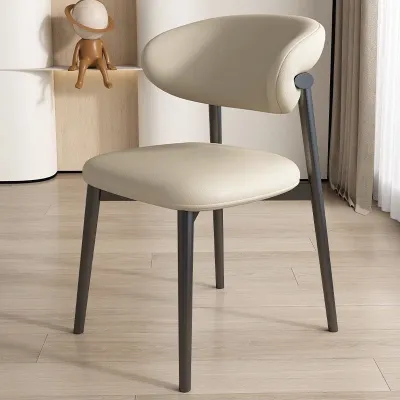

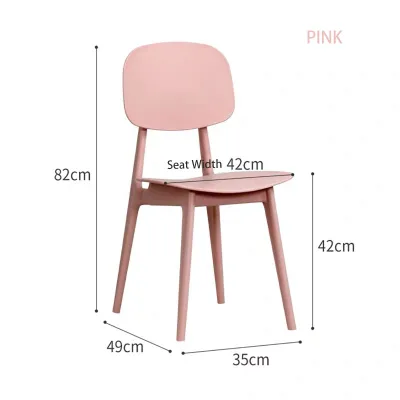
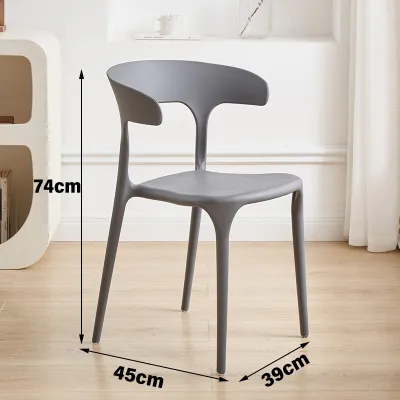
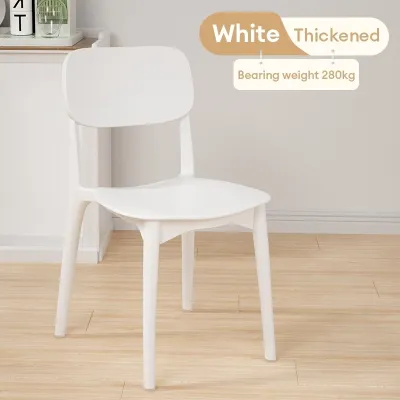
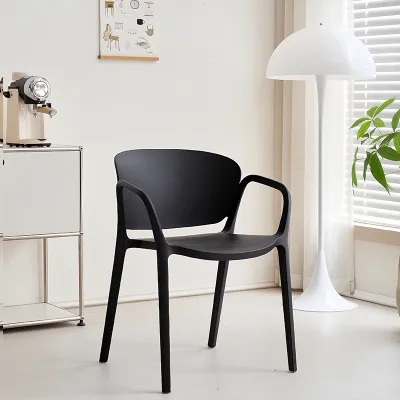
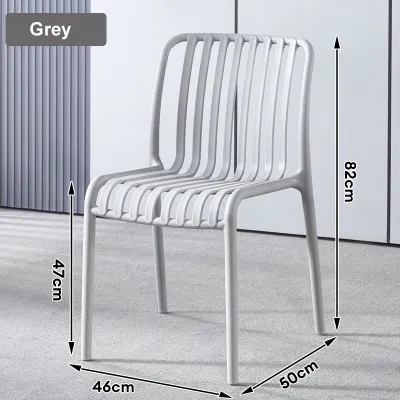
Prices are valid at publication and may change. Please refer to the product page for the latest price.
Scandinavian and Minimalist This aesthetic prioritizes simplicity, functionality, and natural beauty. Look for dining chairs featuring light-toned woods such as oak, ash, or beech, characterized by clean lines and tapered legs. Upholstery should remain understated, utilizing neutral-colored fabrics like grey, beige, or muted earth tones. Molded plastic chairs with wooden legs also fit well within this category, offering a sleek look that keeps the space feeling airy and uncluttered.
Industrial If your home features exposed brick, concrete screed floors, or matte black fixtures, industrial-style chairs will complement the look. These designs often incorporate black powder-coated iron or steel frames paired with distressed leather or dark wood seats. The focus is on raw, utilitarian materials that add texture and a sense of rugged durability to the dining space.
Modern Contemporary For a polished and sophisticated feel, modern contemporary chairs often feature bold geometric silhouettes, metallic accents (such as brass, gold, or chrome-plated legs), and rich upholstery materials. Velvet, bouclé, or high-quality performance fabrics in deep jewel tones or classic charcoal can elevate the dining area, turning each chair into a distinct design statement.
Traditional and Local Heritage Homes that embrace classic Asian design, colonial influences, or mid-century modern styles benefit from chairs made of rich, dark woods like teak or walnut. Incorporating elements like natural rattan weaving, spindle backs, or intricate wood carvings adds warmth, texture, and a sense of history to the room, celebrating local craftsmanship and timeless design.
Once you identify your style, decide whether you want your chairs to harmonize or contrast with the table. Choosing chairs in the same wood species and finish as your table creates a cohesive, unified look. Conversely, pairing a rustic wooden table with sleek, matte-black metal chairs creates an intentional contrast that adds visual interest and prevents the dining set from looking too uniform or dated.
Measure Your Space and Layout Constraints
A beautiful dining chair can quickly become a daily frustration if it does not fit comfortably within your floor plan. In Singapore, where residential space is highly valued, understanding the physical dimensions of your dining area is crucial. You must ensure there is sufficient clearance not only for the chairs when they are tucked in, but also when they are occupied or pulled out.

As a general rule, maintain a clearance of 60 to 90 centimeters between the edge of your dining table and the nearest wall, sideboard, or walkway. This spacing provides enough room for an adult to pull out a chair, sit down comfortably, and allow others to walk behind them without feeling squeezed. If your dining area sits directly in a main thoroughfare, aim for the upper end of this range (around 90 centimeters) to prevent traffic bottlenecks.
The architectural layout of your home should also influence the visual weight of the chairs you choose:
Compact HDB Dining Areas In smaller apartments, heavy or bulky furniture can make a room feel cramped. Opt for armless dining chairs, designs with slim metal or wooden legs, or low backrests that sit below the tabletop level. Chairs made of transparent materials, such as acrylic, or those with open-back designs (like spindle-back or ladder-back chairs) allow light to pass through, reducing visual clutter and making the dining nook feel more spacious.
Spacious Condominiums and Landed Properties If you have a dedicated dining room or a large open-plan area, lightweight chairs can look lost or unsubstantial. In these spaces, you can comfortably choose chairs with integrated armrests, high backrests, or fully upholstered frames. These designs have a heavier visual weight that helps anchor the dining table as a distinct zone within a larger room.
Additionally, always check the clearance underneath your dining table. Measure the distance from the floor to the underside of the table apron (the wooden frame directly beneath the tabletop). If you are considering armchairs, verify that the armrests are low enough to slide completely under the table when the chairs are not in use. This step is especially important if your table has a central pedestal or trestle base rather than four corner legs, as these structures can limit how far a chair can be tucked in.
Align Materials With Your Lifestyle and Climate
The materials you select for your dining chairs must be practical enough to handle your household’s daily routines while enduring Singapore’s tropical climate. High humidity and warmth can accelerate wear on certain materials, making durability and ease of maintenance key factors in your decision.
First, evaluate your household dynamics. If you have young children or pets, prioritize materials that are highly durable and easy to clean. Solid wood frames with protective polyurethane seals, powder-coated metals, and molded plastics can be wiped down in seconds. For upholstered seats, look for high-performance fabrics treated with stain-resistant coatings, or opt for wipeable synthetic leathers. Avoid delicate weaves, linen, or light-colored fabrics that easily absorb spills and require professional cleaning.
Next, consider how much time you are willing to spend on furniture maintenance:
Low-Maintenance Materials Molded polypropylene, metal, and sealed timber require very little upkeep. Regular dusting and an occasional wipe with a damp cloth are usually sufficient to keep them looking pristine. These materials are highly resilient against daily wear, making them excellent choices for busy households or high-traffic dining areas.
High-Maintenance Luxury Materials Velvet, natural linen, and full-grain leather offer a premium look and feel but demand careful preservation. Velvet and linen require regular vacuuming with a brush attachment to remove dust and pet hair, and spills must be treated immediately to prevent permanent staining. Full-grain leather needs periodic conditioning to prevent it from drying out or cracking over time.
Finally, account for the local tropical climate. Singapore’s high humidity levels can affect natural materials if they are not properly cared for. When choosing natural rattan or solid wood, ensure the items have been treated with appropriate sealants to prevent moisture absorption, which can lead to warping or mold growth. Ensure your dining area has adequate ventilation, especially if you rely on natural breeze rather than constant air conditioning. If you prefer metal frames, verify with the manufacturer that the metal has a rust-resistant or powder-coated finish to protect it from the humid air.
Verify Comfort and Ergonomic Fit
While aesthetics and materials are essential, a dining chair must ultimately be comfortable to sit in. Whether you use your dining table solely for quick meals, as a remote workspace, or for hosting long dinner parties, ergonomic support is vital for preventing physical discomfort.
To ensure a comfortable seating posture, pay close attention to the standard height ratio between your table and chairs. Most standard dining tables stand at approximately 75 centimeters tall. To allow comfortable leg clearance and a natural resting position for your arms, your dining chair seat height should measure between 45 and 48 centimeters from the floor. This leaves a gap of 27 to 30 centimeters from the top of the seat to the underside of the tabletop, which accommodates most body types comfortably.
Consider your typical usage patterns when evaluating backrest designs:
Extended Use and Long Gatherings If your dining table doubles as a home office or a place where guests linger for hours, look for chairs that offer robust lumbar support. A slightly reclined backrest (around 100 to 105 degrees) and a padded seat cushion will distribute weight evenly and reduce pressure on your lower back.
Short Meals and Space Saving For quick breakfasts or casual dining, low-back stools or backless benches are highly efficient. While they sacrifice long-term back support, they can be tucked completely out of sight when not in use, keeping your walkways clear.
Seat width and depth are also critical, particularly for armchairs. A standard dining chair seat is typically 45 to 50 centimeters wide. Armchairs require extra width to accommodate the arm structure, so ensure the total outer width of the chair fits between your dining table legs without crowding adjacent seats.
Whenever possible, visit physical showrooms in Singapore to test the chairs in person. Sit in them for several minutes to evaluate the cushion density, backrest angle, and overall stability. If you are purchasing online, carefully review the detailed dimension diagrams, compare them against your existing table, and check the retailer’s return and exchange policies to avoid restocking fees if the fit is not ideal.
Frequently Asked Questions (FAQ)
Can I mix and match different dining chair styles?
Yes, mixing and matching dining chairs is an excellent way to create a personalized, curated look. To ensure the arrangement feels intentional rather than chaotic, establish at least one unifying element. You can choose chairs with different silhouettes but keep them in the same color palette or material, such as all-black frames. Alternatively, you can use the exact same chair design but select upholstery in two or three coordinating colors. Another popular approach is to place two distinct host chairs at the ends of a rectangular table while keeping the side chairs uniform.
How do I decide between a dining bench and individual chairs?
The choice depends on your space constraints and how you use your dining area. Benches are highly space-efficient because they can seat more people (especially children) and can be tucked completely under the table when not in use, making them ideal for narrow HDB dining nooks. However, benches lack back and arm support, which can make them uncomfortable for extended seating. If you frequently host long dinner parties or use your table as a workspace, individual chairs with supportive backrests are a more comfortable and ergonomic choice for your guests and family.
Community discussion
Share your experience or ask a question. Comments are reviewed before publication.