
Choosing a dining bench backrest is a balancing act between style, comfort, and spatial constraints. The right backrest style transforms your dining area from a simple eating spot into a cohesive design statement. To find the perfect match, you must look beyond color and focus on the interplay of lines, materials, and visual weight.
In Singapore’s compact apartments and open-plan layouts, the dining area often serves multiple purposes, from family meals to remote work. A dining bench with a backrest offers the supportive comfort of a traditional chair while maintaining the communal, space-saving appeal of a bench. By aligning the silhouette of your bench’s backrest with your home’s existing interior theme, you can create a harmonious look that feels intentional and curated.
Quick Guide to Matching Dining Bench Backrest Styles
Achieving visual harmony in your dining room does not require buying a matching set from a single furniture showroom. In fact, matching everything too perfectly can make a space feel flat and devoid of character. Instead, successful interior design relies on finding common threads—such as shared geometric angles, complementary wood grains, or balanced metal accents—that tie different pieces together.
Products mentioned in this guide
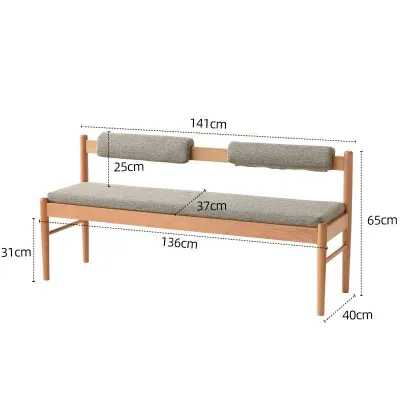
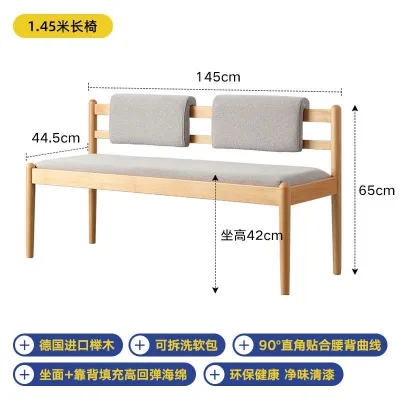
![[CozyNest ]Simple Modern R Solid Wood Bench Designer Vintage Bed End Stool Shoe Changing Stool Rest Dining Stool with Backrest](https://img.lazcdn.com/g/p/97c152d5b512400d382061d69ac0cd80.jpg_400x400q80.jpg_.webp)
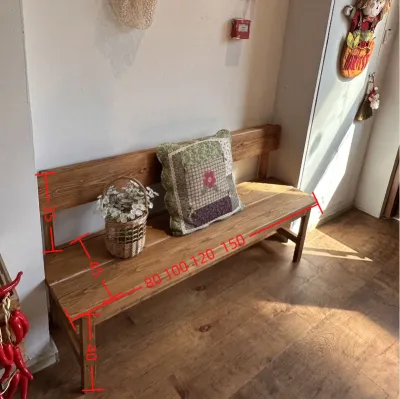

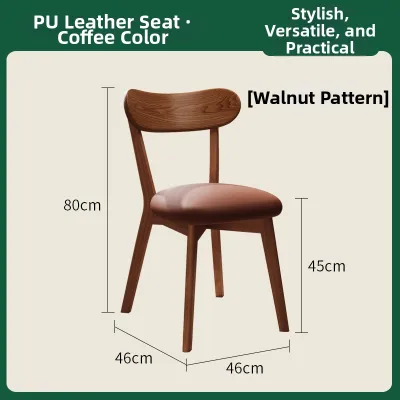
Prices are valid at publication and may change. Please refer to the product page for the latest price.
When selecting a dining bench backrest, consider how its silhouette interacts with your dining table and the surrounding walls. A high, solid backrest commands attention and acts as a visual boundary, making it ideal for larger, open-concept spaces. Conversely, a low-profile or slatted backrest allows light and sightlines to pass through, which helps smaller dining nooks feel more open and airy.
The decision process begins by identifying the dominant lines in your room. If your home features clean, straight architectural lines, a bench with a geometric or minimalist backrest will reinforce this modern structure. If your space leans toward organic shapes and soft textures, a curved or upholstered backrest will soften the overall look and invite long, comfortable conversations.
How to Identify Your Current Home Decor Aesthetic
Before browsing online marketplaces or visiting local design boutiques, you must conduct a thorough audit of your existing dining space. The goal is to pinpoint the dominant design language of your home so you can choose a bench that either seamlessly blends in or provides a tasteful, intentional contrast.

Start by examining the architectural features and fixed elements of the room. Look at the flooring material, the presence of wall paneling, the window frames, and the style of built-in cabinetry. A room with polished concrete floors and exposed track lighting naturally leans toward an industrial aesthetic, while a space with light oak vinyl flooring and white walls points toward Scandinavian or minimalist design.
Next, assess your dining table, which serves as the primary anchor for the entire seating arrangement. Pay close attention to its material, finish, and leg structure. A heavy, solid teak table with thick square legs has a strong rustic or traditional presence that requires a bench of equal visual weight. On the other hand, a round marble table with a central pedestal leg has a sleek, contemporary feel that pairs beautifully with curved, low-profile backrests.
Finally, take note of the room’s lighting and color palette. Consider the amount of natural light the space receives and the temperature of your light fixtures. A dining area bathed in warm, natural light can handle darker wood tones and rich upholstery fabrics without feeling gloomy. If your dining corner is tucked away in a darker part of the home, opting for lighter wood finishes and open, slatted backrests will help maximize the available light and keep the area feeling fresh.
Popular Dining Bench Backrest Styles and Where They Fit
The silhouette of a dining bench backrest is a powerful tool for defining the mood of your dining area. You can use it to reinforce your existing theme or to introduce an unexpected element of contrast that prevents the room from looking too uniform. Understanding the distinct characteristics of each style category allows you to make an informed choice that elevates your space.
To help you visualize how these styles interact with different environments, the following matrix maps the four primary backrest categories to their ideal table pairings, room vibes, and key design features:
| Backrest Style | Key Design Features | Ideal Table Pairing | Target Room Vibe |
|---|---|---|---|
| Scandinavian | Low-profile, light wood, slatted or spindle backs | Light oak, pedestal, or tapered-leg tables | Airy, clean, functional, and bright |
| Industrial | Metal frames, distressed wood, exposed rivets | Reclaimed wood with black iron legs | Raw, urban, utilitarian, and textured |
| Mid-Century | Tapered legs, walnut tones, curved plywood | Walnut veneer, organic shapes, angled legs | Retro-modern, eclectic, and sophisticated |
| Traditional | Cross-back, ladder-back, winged upholstery | Solid wood, farmhouse, or turned-leg tables | Cozy, classic, warm, and inviting |
Scandinavian and Minimalist Profiles
Scandinavian design is celebrated for its focus on functionality, simplicity, and a deep connection to natural materials. Benches in this category typically feature low-profile backrests made from light-toned woods such as ash, beech, or light oak. The backrests often utilize vertical spindles or horizontal slats, which provide structural support without blocking light or views.
These airy designs are exceptionally well-suited for smaller dining spaces or open-plan apartments where maintaining clear sightlines is crucial. To keep the visual weight light, pair a Scandinavian-style bench with a minimalist pedestal table or a table with slender, tapered legs. This combination ensures that the dining set does not overwhelm the room, leaving plenty of physical and visual breathing space.
Industrial and Rustic Silhouettes
If your home embraces raw textures and utilitarian charm, an industrial or rustic dining bench backrest is an excellent choice. These benches often combine matte black metal frames with thick, solid wood seats and backrests. You will frequently see design details like exposed hardware, distressed finishes, and bold, angular metal brackets supporting the backrest.
Because industrial furniture carries significant visual weight, it is important to balance these pieces within your dining room. A heavy metal-and-wood bench can easily dominate a small space if not styled carefully. To soften the look, ensure the room has adequate warm lighting and introduce softer surrounding textiles, such as a woven area rug or linen curtains, to temper the raw, hard edges of the metal.
Mid-Century Modern and Contemporary Shapes
Mid-century modern design is characterized by its organic curves, geometric shapes, and iconic tapered legs. Dining benches from this era often showcase rich walnut or medium oak tones, with backrests crafted from curved plywood or featuring gently upholstered panels. The lines are clean yet expressive, offering a perfect blend of retro charm and contemporary sophistication.
To anchor a mid-century modern bench in your home, consider pairing it with a dining table that shares similar angled legs or a warm wood finish. You can enhance the vintage-inspired aesthetic by placing a geometric or textured rug beneath the dining set and hanging a statement pendant light overhead. This creates a defined dining zone that feels both nostalgic and thoroughly modern.
Traditional and Farmhouse Designs
For those who prefer a cozy, time-tested aesthetic, traditional and farmhouse backrest styles offer warmth and familiar comfort. Classic designs include the cross-back (or X-back), the ladder-back, and fully upholstered benches with elegant winged silhouettes. These styles prioritize physical comfort and often feature higher backrests that encourage long, leisurely meals with family.
To prevent a traditional bench from making your dining room feel dated or heavy, look for ways to modernize the look. You can choose a farmhouse bench with a painted white or charcoal frame paired with a natural wood seat, or opt for an upholstered backrest in a contemporary, neutral performance fabric. Mixing a traditional bench with a slightly more modern, clean-lined dining table also creates a beautiful transitional look.
Essential Space, Comfort, and Sizing Checks Before You Buy
While finding the right style is exciting, a dining bench must fit your physical space and meet your household’s daily usability needs. Failing to measure accurately can result in a bench that is uncomfortable to use or, worse, blocks movement through your dining area. Before making a purchase, perform these essential checks to ensure a perfect fit.
First, measure your dining table’s dimensions, specifically focusing on the clearance between the table legs and the height of the table apron (the wooden board under the tabletop). Unlike backless benches, which can easily slide completely underneath a table when not in use, a dining bench with a backrest will only slide in until the backrest hits the edge of the tabletop. You must measure the total depth of the bench and compare it to the available space behind the table to ensure there is enough room for people to walk past when the bench is occupied.
Next, check the height of the backrest against surrounding architectural features. If your dining table is placed against a wall, under a window, or next to built-in shelving, ensure the backrest does not block window sills, light switches, or low-hanging wall art. Ideally, the top of the backrest should sit below the level of a window sill to maintain an unobstructed view and allow natural light to flood the room.
Structural stability and weight capacity are critical safety considerations, especially for benches with backrests, as users will naturally lean back and exert force on the frame. Rather than assuming a bench is sturdy based on its material alone, always verify the maximum weight capacity by checking the manufacturer’s official product specifications. Look for benches with robust joinery, such as mortise-and-tenon joints or reinforced metal brackets, to ensure the backrest remains secure over years of daily use.
Finally, consider the logistics of bringing the bench into your home. Measure the width of your doorways, hallways, and lift access to ensure the fully assembled bench (or its packaging) can be safely navigated into your dining room. Because benches with backrests are bulkier and less flexible than individual chairs, planning the delivery path beforehand prevents unexpected delivery day headaches.
Coordinating Materials and Upholstery With Your Dining Table
Creating a cohesive dining set involves carefully coordinating the materials of your bench with those of your dining table. You do not need to match the wood species or paint colors exactly; in fact, mixing materials often results in a more sophisticated, designer-led look. The key is to establish a clear relationship between the different textures and finishes.
If you choose to mix different wood tones, aim for a clear contrast rather than a near-miss. For example, pairing a light oak table with a dark walnut bench looks intentional and stylish. If you try to match two different medium oak finishes from different manufacturers, they may clash due to differing undertones (such as pink versus yellow undertones). To tie mismatched wood pieces together, look for a shared design element, such as matching black metal legs on both the table and the bench.
When it comes to upholstery, practicality must go hand-in-hand with aesthetics. An upholstered backrest adds immense comfort and a touch of luxury, but it is also highly susceptible to spills and stains in a dining environment. Before choosing a fabric, consult the manufacturer’s care tags and cleaning instructions. For households with young children or pets, look for performance fabrics that offer water and stain resistance, or opt for easy-to-wipe materials like faux leather or treated canvas.
Lastly, balance the visual weight of your seating arrangement. A massive, solid wood dining table paired with a very delicate, thin-framed bench can look unbalanced, making the table appear overly dominant. Conversely, a chunky, heavily upholstered bench paired with a glass-top table with thin wire legs can make the space feel top-heavy. Aim for a balanced distribution of visual weight, where the bench feels substantial enough to anchor its side of the table without overwhelming the overall composition.
Frequently Asked Questions (FAQ)
Can I mix different dining chair and bench styles at the same table?
Yes, mixing different seating styles is an excellent way to create a dynamic, personalized dining area. To keep the arrangement looking cohesive rather than chaotic, establish at least one unifying element across all the seating pieces. This could be a shared color palette, a consistent wood finish, or a matching metal frame material. For example, you might place a wooden dining bench with a backrest on one side of the table and pair it with two individual chairs on the opposite side that feature the same wood tone but have upholstered seats. Keeping the seat heights consistent across all pieces is also essential for maintaining a comfortable dining experience for everyone at the table.
Does a dining bench with a backrest save more space than individual chairs?
A dining bench with a backrest offers different space-saving advantages compared to individual chairs, but it also comes with specific trade-offs. On the positive side, a bench allows you to seat more people—especially children—along one side of the table than individual chairs would allow, maximizing your seating density. However, because the backrest prevents the bench from being tucked completely under the table, it requires a permanent footprint behind the table. If your primary goal is to clear as much floor space as possible when the dining set is not in use, a backless bench remains the most space-efficient option, while a bench with a backrest prioritizes long-term seating comfort and visual presence.
Community discussion
Share your experience or ask a question. Comments are reviewed before publication.