
Quick Answer: Matching Wheels to Floor Types
Selecting the right computer chair wheel is the simplest way to protect your home office flooring from unsightly scratches, deep gouges, and premature wear. The general rule of thumb is straightforward: soft wheels, such as those made of rubber or polyurethane, are designed to cushion and protect hard floors like parquet, laminate, and vinyl. Conversely, hard wheels, typically made of nylon or hard plastic, are engineered to glide smoothly over carpeted surfaces without sinking.
While rollerblade-style wheels have emerged as a highly popular alternative for hard floors due to their smooth glide, they require specific clearance and height checks before installation. Because floor finishes and chair designs vary widely, always verify the manufacturer’s specifications and product labels for exact compatibility before making a purchase. Spending a small amount, typically between S$20 and S$50, on a dedicated set of replacement casters can save you thousands of dollars in professional floor restoration costs.
Common Computer Chair Wheel Materials Explained
To make an informed decision, it is essential to understand how different wheel materials interact with your floor. Wheel hardness is measured on a scale known as durometer; soft durometer wheels deform slightly under weight to distribute pressure, while hard durometer wheels maintain their rigid shape to minimize rolling resistance. When browsing online marketplaces or local furniture shops, check the product labels carefully for explicit material listings and floor-safety certifications.
Products mentioned in this guide


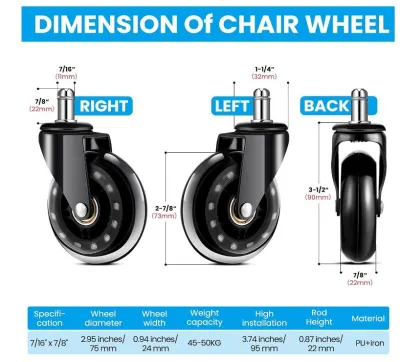
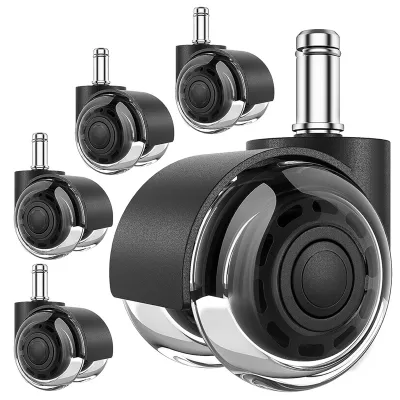


Prices are valid at publication and may change. Please refer to the product page for the latest price.

Soft Wheels (Rubber and Polyurethane)
Soft wheels are usually manufactured from polyurethane (PU) or synthetic rubber. These materials provide excellent grip and shock absorption, allowing the chair to roll quietly across hard surfaces without slipping or sliding. The soft outer tread acts as a protective barrier, absorbing tiny particles of dust and debris rather than grinding them into your floor finish.
However, soft materials require regular inspection, especially in warm, humid climates. Over time, low-grade polyurethane can degrade, becoming sticky or leaving a stubborn residue on your floor. Additionally, if exposed to direct sunlight or extreme indoor heat, the outer tread may soften further, increasing rolling resistance and potentially marking delicate surfaces.
Hard Wheels (Nylon and Hard Plastic)
Hard wheels are typically made of molded nylon, polypropylene, or heavy-duty plastic. These casters are designed to be rigid, allowing them to sit on top of carpet fibers rather than sinking into the pile. This rigidity minimizes the effort required to push or roll your chair across a carpeted room.
However, using hard wheels on hard surfaces is a recipe for floor damage. Because hard plastic has virtually no grip on smooth surfaces, the wheels will often slide instead of rotating. This sliding action, combined with the weight of the user, can quickly scratch, scuff, or even dent hardwood, laminate, and vinyl floors.
Rollerblade-Style Wheels
Rollerblade-style casters feature a heavy-duty steel frame housing a single, narrow wheel made of high-grade polyurethane, similar to those found on inline skates. This design utilizes precision ball bearings to deliver an exceptionally smooth, silent glide across hard floors. The curved profile of the wheel provides a distinct contact patch that distributes weight efficiently while rolling.
Before upgrading to rollerblade-style wheels, you must measure your workspace clearance. These casters are taller than standard twin-wheel designs and can raise your chair’s seat height by 2 to 3 cm. This slight increase can alter your ergonomic setup, potentially causing your armrests to hit the underside of your desk or forcing you to adjust your monitor height.
Choosing the Best Wheel for Your Specific Floor
Selecting the ideal caster requires matching the wheel’s physical properties to the dominant flooring material in your workspace. If your home office features transitional flooring—such as a rug placed over parquet—or if you frequently move your chair between different rooms, you must verify how your chosen wheels perform on both surfaces.
Hardwood and Laminate Floors
Delicate wood finishes, such as solid timber parquet or engineered wood, require maximum protection. For these surfaces, soft polyurethane or rubber wheels are highly recommended because they roll smoothly without scratching the protective topcoat.
Even with soft wheels, you must remain vigilant about cleanliness. Dust, grit, and small debris can easily become trapped in the wheel tread, turning the caster into an abrasive roller that can dull your floor’s finish over time. If your wood floors are newly sealed or if you want an extra layer of security, consider pairing your soft wheels with a high-quality, non-slip protective chair mat.
Tile, Stone, and Concrete Floors
While ceramic tile, marble, and polished concrete are highly durable, they present unique challenges for office chairs. Hard wheels rolling over these surfaces can create a loud, distracting clatter, and the constant impact against deep grout lines can cause vibrations that travel up the chair frame.
To ensure a quiet and comfortable workspace, opt for wider, soft polyurethane wheels that absorb these micro-shocks. Avoid cheap, hard plastic wheels on tiled floors; the concentrated point load on a rigid wheel can chip the edges of ceramic tiles or scratch polished stone surfaces over time.
Carpeted Floors
Carpeted floors demand a completely different approach to maintain mobility. Hard nylon or plastic wheels are the standard choice here, as they glide effortlessly over carpet fibers without getting bogged down.
If you attempt to use soft rubber or polyurethane wheels on a carpet, you will experience significant rolling resistance. The soft tread sinks into the carpet pile, forcing you to exert extra physical effort to move your chair, which can strain your back and legs over a long workday. Additionally, the friction from soft wheels dragging across carpet fibers can cause the carpet to fray or wear prematurely. Always check your carpet’s pile height and pad density; high-pile or plush carpets may still require a rigid plastic chair mat even when using hard nylon wheels.
How to Check Compatibility and Measure Stem Size
Before purchasing replacement wheels from an online marketplace or furniture retailer, you must verify that the new casters will physically fit your chair’s base. Most office chairs use a push-in stem system, but dimensions can vary between manufacturers.
To measure your current wheel stem, flip your chair over and pull one of the casters straight out of the base. If it is stuck, a gentle pry with a flathead screwdriver can help release it. Use a precise ruler or a digital caliper to measure two key dimensions:
- Stem Diameter: The most common standard size is 11 mm (often referred to as universal), but some brands, notably Ikea, use a proprietary 10 mm stem.
- Stem Length: Standard stems are typically 22 mm long, though some specialized chairs may use shorter or longer variations.
Additionally, check your chair’s warranty terms before swapping out the wheels, as some manufacturers specify that using third-party casters voids the warranty. Before installing your new wheels, inspect the caster sockets in the chair base for any cracks, dirt buildup, or wear that could prevent the new stems from seating securely.
Maintenance and Floor Protection Practices
Regular maintenance is crucial to keep your chair rolling smoothly and to prevent unexpected floor damage. Over months of daily use, hair, dust, and carpet fibers inevitably wrap around the wheel axles, clogging the bearings and preventing the wheels from rotating freely.
Set a routine to clean your chair wheels every few months. Use tweezers, a crochet hook, or a utility knife to carefully cut away and remove trapped hair and debris. While cleaning, inspect each wheel for flat spots, deep cracks, or embedded grit. If you notice a wheel is dragging, squeaking excessively, or leaving dark marks on your floor, stop using the chair immediately and replace the damaged caster to avoid costly floor repairs.
Frequently Asked Questions (FAQ)
Can I use rollerblade wheels on any office chair?
Most rollerblade-style wheels are designed with a standard 11 mm stem, making them compatible with a wide range of office chairs. However, they will not fit chairs that require proprietary 10 mm stems unless you purchase a specific compatible version. Additionally, because these wheels increase your seat height, verify that your desk clearance and armrest height can accommodate the adjustment.
Do I still need a chair mat if I buy soft polyurethane wheels?
While soft polyurethane wheels significantly reduce the risk of surface scratches, a chair mat can still provide valuable protection. A mat helps distribute heavy point loads, preventing indentations on softer wood or vinyl floors, and shields your flooring from accidental spills. Consider your weight, the chair’s load capacity, and how often you roll when deciding if a mat is necessary.
How often should I replace my computer chair wheels?
There is no fixed timeline for replacing chair wheels, as lifespan depends on user weight, daily usage, and floor friction. Instead, watch for physical and functional cues. Replace your wheels immediately if you observe flat spots, visible cracking, increased rolling resistance, or if the wheels begin to drag and leave marks on your floor.
Community discussion
Share your experience or ask a question. Comments are reviewed before publication.