
Choosing the right coffee table style requires balancing your existing interior design with your household’s daily habits. To select the ideal livingroom table, you must evaluate the dominant lines and colors of your current furniture, measure your available floor area, and choose a material that fits your lifestyle. Whether you want a piece that blends seamlessly into a minimalist Scandinavian theme or a bold mid-century modern design that serves as a focal point, the right choice anchors your seating area while keeping your home functional.
Assess Your Current Living Room Aesthetic
Before browsing online catalogs or visiting showrooms, conduct a visual audit of your existing space. Look closely at your sofa, entertainment unit, bookshelves, and rugs. Note whether your room features clean, straight lines and neutral tones, or if it leans toward organic curves, rich textures, and warm wooden hues. Identifying these elements helps you classify your current design theme, ensuring your new livingroom table complements rather than clashes with its surroundings.
Determine whether your primary goal is cohesion or contrast. If your living room features a highly structured, minimalist layout, a simple geometric table with a matching finish will preserve a calm, unified atmosphere. Conversely, if your space feels slightly flat, introducing a contrasting style—such as an industrial metal-and-wood table in an otherwise soft, contemporary room—can create a compelling visual anchor. The key is intentionality; a contrasting piece should look like a deliberate design choice rather than an accidental mismatch.
Products mentioned in this guide
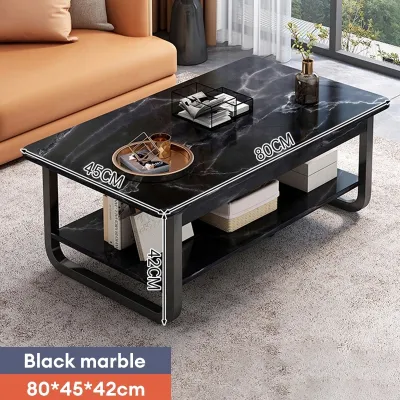
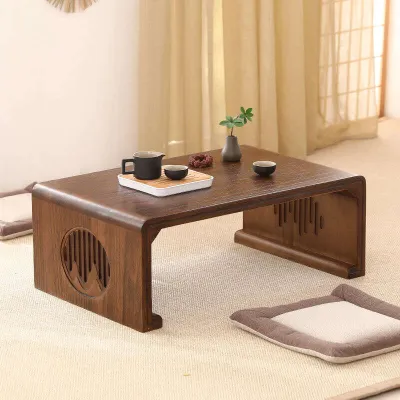
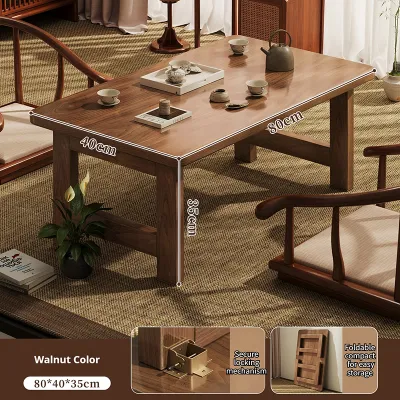
Prices are valid at publication and may change. Please refer to the product page for the latest price.
Pay attention to the dominant wood tones and metal finishes already present in the room. Mixing too many different wood grains or metal colors can make a living space feel fragmented. If your cabinetry features light oak, look for tables that share similar pale undertones. If your lighting fixtures or sofa legs are matte black metal, selecting a table with matching black hardware or legs will tie the entire room together effortlessly.
Evaluate Your Space and Functional Needs
Physical constraints and daily household activities must dictate your table choice long before you settle on a specific aesthetic. In Singapore, where space optimization is essential in HDB flats and condominiums, choosing a table that fits the scale of your room is critical. A table that is too large will restrict movement, while one that is too small will look swallowed by the surrounding furniture.

Begin by mapping out the traffic flow around your seating area. You must ensure there is enough clearance to walk comfortably between the sofa, the television console, and the table. If your layout is compact, consider round or oval shapes. These designs eliminate sharp corners, allowing family members to navigate tight pathways without bumping into hard edges.
Next, conduct a lifestyle self-assessment to determine how the table will actually be used. If your household includes young children or active pets, safety and stability should be your primary concerns. In these scenarios, fragile glass tops or sharp, angular metal corners can present unnecessary risks; instead, prioritize rounded edges, sturdy legs, and highly stable bases that resist tipping. If you frequently host social gatherings, you might require a larger surface area for serving drinks and snacks, or perhaps a nested set of tables that can be expanded when guests arrive and tucked away afterward.
Do not overlook practical delivery and installation logistics. Before purchasing, verify the finished dimensions of the table and compare them against your doorway, hallway, and lift access points. Many high-rise apartments have strict lift dimensions, and ensuring a fully assembled table can fit through these spaces prevents costly delivery failures. Additionally, check whether the table requires self-assembly or professional installation, and confirm that your home has the necessary flat surface and space to complete the setup safely.
How to Match a Livingroom Table Style to Your Decor
Once you understand your aesthetic preferences and physical constraints, you can explore specific design styles. Matching a livingroom table to your decor involves translating your visual audit into concrete design categories that enhance your home’s character.
Scandinavian and Minimalist Designs
Scandinavian and minimalist styles are defined by their simplicity, functionality, and connection to natural elements. These tables typically feature light-toned woods like ash, beech, or pale oak, characterized by clean geometric shapes and a complete lack of ornate detailing. Leg designs are usually slender and straight, keeping the visual weight of the piece exceptionally light.
These designs are highly effective in smaller or naturally lit living rooms. By keeping the floor visible beneath a leggy, open-frame table, you create the illusion of more space, which is incredibly beneficial in compact apartments. To maintain this airy feel, keep the tabletop clutter-free, utilizing built-in hidden drawers or lower shelves only for absolute essentials.
Mid-Century Modern and Retro
Mid-Century Modern style brings warmth, organic shapes, and a nostalgic retro appeal to the living room. Signature elements of this style include tapered peg legs, gently rounded triangular or surfboard shapes, and rich, warm wood finishes such as walnut, teak, or cherry. These tables often celebrate the natural grain of the wood, making them excellent focal points.
To integrate a mid-century modern table successfully, pair it with clean-lined contemporary sofas or vintage-inspired seating. The organic curves of a retro table contrast beautifully with structured, boxy upholstery. This style works exceptionally well in living rooms that aim for a cozy, inviting, and slightly eclectic atmosphere without feeling overly formal.
Industrial and Contemporary
Industrial design embraces raw, utilitarian elements and mixed materials. These tables often combine matte black metal frames with reclaimed wood surfaces, concrete-look tops, or heavy wire mesh shelving. On the other hand, contemporary style focuses on sleek, cutting-edge designs, often utilizing high-gloss finishes, acrylic, or polished metal.
An industrial table can add a rugged, modern edge to an otherwise soft or neutral room, grounding the space with its dark tones and textured surfaces. If you are dealing with an extremely tight seating area, a contemporary glass or clear acrylic table is an excellent choice. Because you can see straight through these materials, they visually expand the room, preventing the seating area from feeling cramped or dark.
Traditional and Transitional
Traditional coffee tables are characterized by classic proportions, dark wood stains like mahogany or espresso, and detailed craftsmanship such as turned legs, carved borders, or brass hardware. These tables evoke a sense of formality, stability, and timeless elegance, making them ideal for structured, classic interiors.
If you appreciate classic shapes but prefer a more modern, relaxed feel, transitional style offers the perfect compromise. Transitional tables bridge the gap between traditional weight and modern simplicity. They often feature classic silhouettes—such as a sturdy rectangular frame—but are finished in lighter, contemporary oak stains or paired with sleek stone tops, offering immense versatility for homes with mixed decor.
Select Materials and Finishes for Daily Living
Choosing the right material is not just about looks; it directly impacts how much time you will spend cleaning and maintaining your table. Different materials carry different visual weights and require specific care, especially when exposed to daily household use.
Solid wood offers unmatched warmth and natural beauty, but it is sensitive to moisture and temperature changes. Engineered wood, such as high-quality MDF with wood veneer, provides a similar look with greater resistance to warping, making it a highly practical alternative. Glass and metal tables bring a modern, lightweight feel to a room, but glass requires frequent wiping to remove fingerprints and dust. Stone surfaces, like marble or travertine, add a luxurious, heavy presence, but they are porous and can stain if spills are not cleaned immediately.
In Singapore’s tropical climate, high humidity levels can affect furniture over time. When selecting a wood or metal table, do not assume the material is inherently moisture-resistant or rust-proof. Instead, check the manufacturer’s product specifications and care labels. Look for tables with protective finishes, and always follow the brand’s recommended cleaning methods to prevent damage to the surface.
Always verify the specific type of finish applied to your table. For example, a lacquered or polyurethane-sealed wood table offers better spill protection than an oiled or waxed finish, which may require periodic reapplication. If you select a glass table, ensure it uses tempered glass for safety, and check that any metal joints or welds are smooth and stable. When in doubt about care or suitability, consult the manufacturer’s guidelines directly to protect your investment.
Finalize Proportions, Height, and Placement
Even the most beautiful table will feel awkward if its dimensions do not align with your seating. To ensure your chosen style functions perfectly in your physical space, you must apply standard interior design proportion rules.
As a general rule, your livingroom table should be approximately two-thirds the total length of your sofa. A table that is too short will look disconnected from the seating, while a table that matches or exceeds the sofa’s length will make the layout feel cramped and difficult to navigate. For sectional sofas with a chaise lounge, measure the open seating area rather than the entire sofa length to find the correct proportion.
Height alignment is equally critical for comfort and ergonomics. The surface of your table should sit level with, or slightly below, the top of your sofa’s seat cushions—typically within a range of 40 to 50 centimeters from the floor. A table that is too high blocks your line of sight and feels awkward when reaching for a drink, while a table that is too low requires uncomfortable bending.
Finally, establish clear pathways to ensure safe and easy navigation. Leave a clearance of 30 to 45 centimeters between the edge of the table and the front of your sofa. This provides ample legroom while keeping drinks and remote controls within easy reach. For walkways between the table and other furniture pieces, such as a television console or armchair, maintain a minimum clearance of 60 to 75 centimeters. Ensuring these physical boundaries are respected guarantees your living room remains a comfortable, functional, and welcoming space.
Community discussion
Share your experience or ask a question. Comments are reviewed before publication.