
Dragging a heavy dining chair across a hard floor creates a jarring noise and can cause permanent damage to your home’s flooring. In Singaporean apartments, where flooring represents a major renovation investment—whether it is premium solid teak parquet, resilient Stone Plastic Composite (SPC) vinyl, or classic homogeneous tiles—the humble chair feet protector is a critical defensive barrier. Selecting the wrong type can lead to scratched finishes, torn wear layers, or sticky, dirt-caked adhesive trails across your living space. Matching the protector material to the specific characteristics of your flooring ensures effortless sliding, dampens scraping sounds, and preserves the structural integrity of both the chair and the floor.
To find the ideal match, you must evaluate how the protector material interacts with your specific floor surface under pressure. Factors like the humidity of the local climate, the presence of grout lines, and the weight of your furniture all play a role in determining which protector will perform best over time. Taking a systematic approach to this choice prevents costly floor repairs and keeps your chairs sliding smoothly.
Quick Match: Best Chair Feet Protectors by Floor Type
Selecting the right protector begins with identifying your primary flooring material. Different floors require different levels of cushioning, friction, and slide capability to prevent damage. A material that glides beautifully on hard ceramic tile might scratch a delicate hardwood floor, while a soft felt pad that works perfectly on parquet will wear down in weeks on textured homogeneous tiling.
Products mentioned in this guide
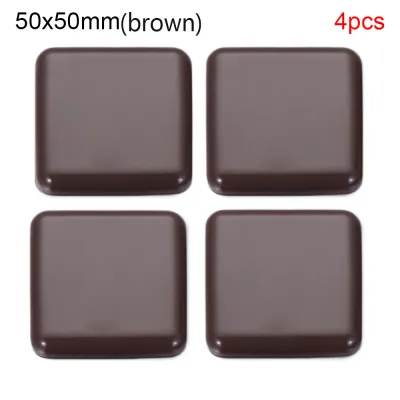
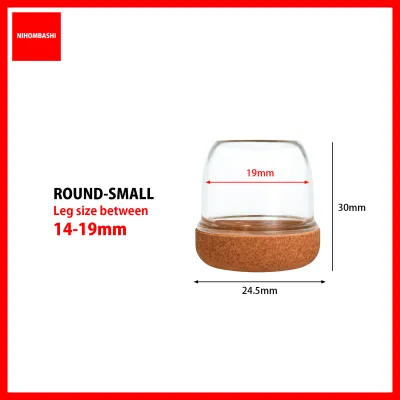
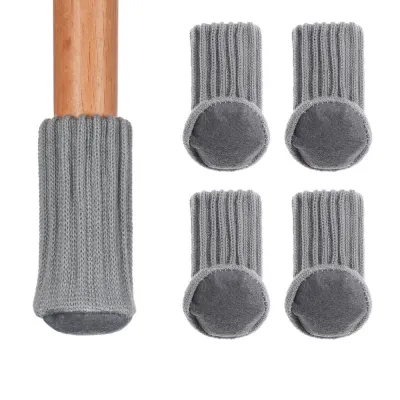
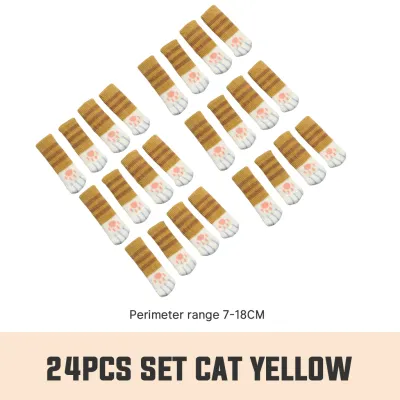
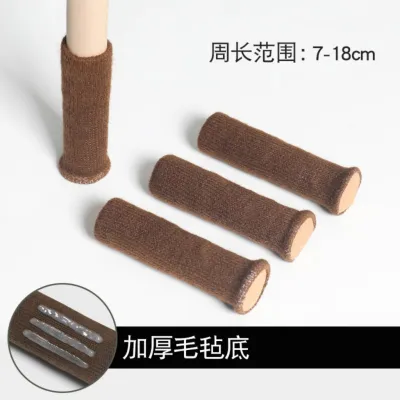
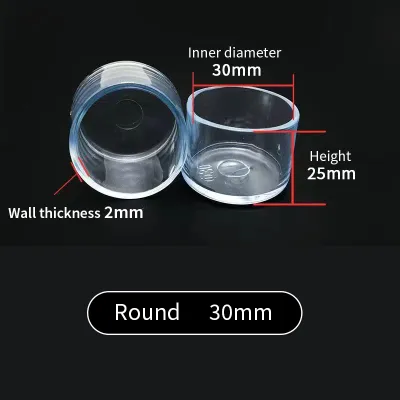
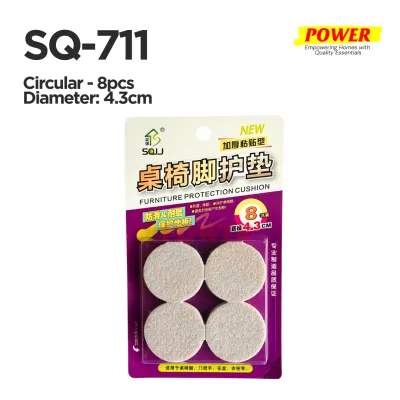
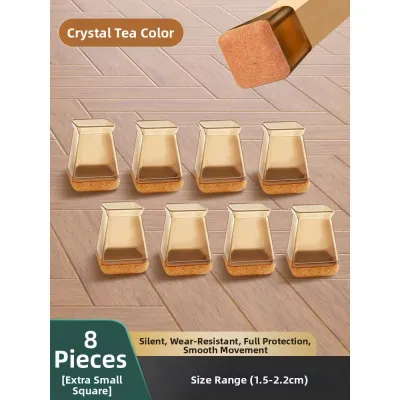
Prices are valid at publication and may change. Please refer to the product page for the latest price.
| Floor Type | Recommended Protector Material | Primary Benefit | Key Considerations |
|---|---|---|---|
| Vinyl / SPC | Slip-on Silicone with Felt Base or Non-Staining Plastic | Smooth glide, prevents tearing of the wear layer | Avoid cheap rubber compounds due to staining risks |
| Ceramic / Homogeneous Tile | Heavy-Duty Plastic Glides or Thick, Dense Rubber | Bridges grout lines smoothly, resists rapid abrasive wear | Felt pads trap grout grit and wear down quickly |
| Parquet / Solid Wood | High-Density Wool Felt (Screw-in or Heavy-Duty Slip-on) | Maximum scratch prevention, excellent noise dampening | Requires regular cleaning to remove embedded grit |
| Laminate / Engineered Wood | High-Density Felt or Soft Silicone Caps | Prevents surface scuffs and pressure dents | Ensure adequate surface area to distribute chair weight |
While this table provides a quick starting point, the physical characteristics of your chairs also influence the final choice. Heavy solid wood dining chairs exert significant downward pressure, requiring thicker, more secure protectors like screw-in glides. Lightweight metal-legged study chairs or bar stools with tapered legs benefit more from flexible, slip-on silicone caps that conform to angled feet. Consider how often the chair is moved daily to determine whether durability or maximum cushioning is your primary goal.
Choosing Protectors for Hard and Smooth Surfaces (Tiles and Vinyl)
Hard, non-porous floors are incredibly popular in Singaporean homes due to their durability and ease of maintenance in a tropical climate. However, these surfaces present unique challenges when furniture is moved across them. Protecting them requires understanding how different protector materials interact with grout lines and synthetic wear layers.

Ceramic, Porcelain, and Homogeneous Tiles
Homogeneous and ceramic tiles are exceptionally durable, but their installation involves recessed grout lines that create a slightly uneven surface. When a chair is pulled, the edges of these grout lines act like miniature speed bumps. Soft felt pads sliding over these ridges get sheared off or shredded quickly, leading to frequent replacements. Furthermore, textured tiles can act like a file, grinding down soft materials and trapping abrasive grit in the process.
For tiled floors, heavy-duty plastic glides (such as polyethylene) or dense, vulcanized rubber caps are highly effective. These materials are rigid enough to bridge grout lines smoothly without catching or dipping into the recesses. They also resist the abrasive wear of textured ceramic surfaces. If you prefer felt for its noise-dampening qualities, look for specialized extra-thick, high-density felt glides that are mechanically fastened rather than stuck on with simple adhesive.
Vinyl, Linoleum, and SPC Flooring
Stone Plastic Composite (SPC) and luxury vinyl tiles (LVT) are highly favored for their water resistance and realistic wood textures. However, the thin polyurethane wear layer on these resilient floors is vulnerable to deep scratches and scuffs from exposed metal or hard plastic chair legs. To protect this layer, chairs must glide smoothly without creating high-friction drag points that can stretch or tear the vinyl surface.
When choosing protectors for vinyl, the chemical composition of the material is just as important as its physical texture. Many low-quality rubber protectors contain flexible oils and plasticizers that can chemically react with the vinyl’s wear layer under pressure. This reaction, known as plasticizer migration, leaves permanent yellow, brown, or dark stains on the floor that cannot be cleaned off. Always check product labels to ensure the rubber or plastic components are explicitly certified as “non-staining” or “vinyl-safe.”
Protecting Scratch-Prone Surfaces (Parquet, Laminate, and Engineered Wood)
Wood and wood-composite floors bring warmth to bedrooms and living areas, but they are highly susceptible to pressure dents, surface scratches, and finish degradation. Protecting these delicate surfaces requires a soft touch and regular maintenance to prevent everyday movement from ruining the wood’s natural beauty.
Felt pads are the traditional and most effective choice for natural wood parquet, laminate, and engineered wood floors. The soft, compressed fibers of felt distribute the weight of the chair evenly across the wood surface, allowing the legs to slide silently and effortlessly. This soft barrier prevents the hard wood or metal of the chair leg from making direct contact with the floor’s protective lacquer or polyurethane varnish.
Despite their excellent performance, felt pads suffer from a notable vulnerability: they act like magnets for dust, pet hair, and fine grit. In a typical home, tiny abrasive particles accumulate on the floor. As a felt-tipped chair slides over these particles, they become embedded in the soft fibers. Over time, this transforms the smooth felt pad into a piece of coarse sandpaper that scratches the wood finish every time the chair moves. To mitigate this grit-trapping issue, choose high-density wool felt over cheap, loose synthetic polyester felt, and make a habit of vacuuming or brushing the chair feet regularly.
For those seeking a low-maintenance alternative, high-density silicone caps with integrated felt bases or specialized soft, non-staining rubber caps offer excellent protection. These caps wrap securely around the leg, preventing dust from getting trapped underneath the foot. Additionally, always consider the surface area of the protector. For heavier furniture, using wider, thicker pads helps distribute the load, preventing the chair legs from leaving permanent pressure indentations in softer wood species like pine or light oak.
Understanding Protector Materials and Attachment Styles
Finding the right protector material is only half the battle; you must also select an attachment style that keeps the protector firmly in place. A protector that slips out of alignment can expose the raw chair leg, causing immediate damage to your floor before you even notice the failure.
Adhesive vs. Slip-On vs. Nail-In/Screw-In
Adhesive felt and rubber pads are widely available and simple to install, but they are highly prone to failure on active furniture. In Singapore’s hot and humid climate, standard acrylic adhesives can soften and lose their grip. When lateral force is applied to a chair—such as when you sit down or pull yourself closer to a dining table—the adhesive can shear. This causes the pad to slide off center, leaving a sticky, dirt-attracting residue on both the chair leg and your clean floor.
[Adhesive Pads]     --> Easy to apply, but prone to sliding off in high humidity.
[Slip-On Caps]      --> Uses tension/friction; excellent for angled or metal legs.
[Screw-In Glides]   --> Mechanically fastened; highly secure for wooden furniture.
Slip-on silicone or rubber caps offer a more secure, adhesive-free alternative. These caps stretch over the bottom of the chair leg, utilizing elastic tension to stay in place. They are particularly useful for metal legs, hollow tubes, or chairs with slightly angled feet where adhesive pads cannot stick properly. For wooden chairs, nail-in or screw-in glides provide the most durable and permanent solution. By mechanically fastening the protector into the center of the wooden leg, you ensure it will never slide out of alignment, though this method does require drilling a small pilot hole.
Material Breakdown: Felt, Rubber, Plastic, and Silicone
To make an informed decision, it helps to compare the core physical properties of the four primary protector materials. Each material offers a distinct balance of durability, noise reduction, and glide friction:
- Felt: Offers outstanding noise reduction and the lowest glide friction, making chairs incredibly easy to slide. However, it has moderate durability and is highly prone to trapping dirt and moisture.
- Rubber: Provides excellent grip and noise dampening. It is highly durable but has high glide friction, meaning it is better suited for stationary furniture (like sofas or heavy cabinets) rather than dining chairs that need to move frequently.
- Plastic (PTFE/Teflon): Extremely durable with very low glide friction, allowing heavy chairs to slide easily over rough surfaces like tiles. It offers minimal noise reduction and can make a sliding sound on hard floors.
- Silicone: Highly flexible and durable, making it the perfect sleeve material to hold other bases (like felt or Teflon) in place. On its own, raw silicone can grip the floor too tightly, so it is best used as a hybrid cap with a felt or plastic base.
When shopping for protectors, avoid relying solely on generic material descriptions. Check the physical thickness and density of the product. High-quality felt should feel firm and resistant to compression when squeezed between your fingers, while cheap felt will compress easily like a cotton ball. For rubber and silicone, look for thick walls that resist tearing from the sharp edges of metal or wooden chair legs.
Installation Tips and When to Replace Your Protectors
Proper installation and regular maintenance are essential to ensure your chair feet protectors perform their job without causing accidental damage. Even the highest-quality protector will fail prematurely if applied to a dirty surface or left on the chair long after it has worn out.
To install adhesive protectors successfully, begin with thorough surface preparation. Wipe away any loose dust and dirt from the bottom of the chair leg. Next, dampen a clean cloth with isopropyl alcohol to wipe down the surface, removing any manufacturing oils, wax, or old adhesive residue. Let the wood or metal dry completely before applying the protector. Once the adhesive pad is pressed firmly into place, allow a curing time of at least 12 to 24 hours before sitting on the chair. This resting period allows the adhesive bond to polymerize and reach its maximum holding strength.
Establish a visual and tactile inspection routine every three to six months. Run your fingers over the bottom of each chair leg to check for embedded sand, grit, or pet hair. Inspect the pads visually to see if the felt has worn thin, the rubber has flattened out, or the silicone caps have cracked. If you notice any of these signs, or if a chair begins to make a scraping sound when moved, replace the protectors immediately.
When it is time to replace old adhesive pads, take care not to damage the chair leg finish. Do not use sharp metal scrapers or knives that can gouge the wood. Instead, use a hair dryer on a low heat setting for a few seconds to soften the old adhesive. Once warmed, peel the pad away gently. Use a mild adhesive remover or a small amount of eucalyptus oil on a cloth to dissolve any remaining sticky residue. Wipe the area clean with a damp cloth, let it dry completely, and your chair legs will be perfectly prepared for a fresh set of protectors.
Frequently Asked Questions (FAQ)
Can I use the same chair feet protectors for indoor and outdoor furniture?
Indoor chair feet protectors are not designed to withstand outdoor environments, especially under Singapore’s intense UV exposure and heavy tropical rainfall. Standard felt pads will absorb rainwater, leading to mold, rot, and rapid adhesive failure. For outdoor spaces like balconies, patios, or gardens, use protectors made from UV-stabilized plastics, stainless steel glides, or weather-proof vulcanized rubber caps. These materials resist degradation from moisture, temperature fluctuations, and direct sunlight, ensuring your outdoor furniture moves safely without damaging tiled or composite decking surfaces.
Do fabric chair socks work better than adhesive felt pads?
Fabric chair socks—often made of knitted acrylic or heavy cotton—are a popular alternative because they are easy to slip on, washable, and highly elastic. They generally stay on chair legs better than cheap adhesive felt pads and do not leave sticky residue behind. However, they have clear trade-offs. Fabric socks tend to collect dust, lint, and pet hair very quickly, requiring frequent washing to prevent them from looking untidy. They can also stretch out and slide down the chair legs over time, and their bulky, casual appearance may not suit formal dining rooms or minimalist interior designs where low-profile, discreet protectors are preferred.
Community discussion
Share your experience or ask a question. Comments are reviewed before publication.