
Finding the perfect center table is more than a matter of selecting a surface to hold your coffee cup or remote control. It is about choosing an anchor piece that bridges your seating arrangement, complements your architectural features, and reinforces your design narrative. The ideal style balances visual weight, material harmony, and functional proportions, turning a disparate collection of furniture into a cohesive, intentional space.
Whether your home leans toward the clean, light-filled corners of Scandinavian design, the rugged textures of an industrial loft, the nostalgic curves of mid-century modernism, or the structured symmetry of traditional elegance, your center table should feel like a natural extension of that aesthetic. Achieving this harmony requires a systematic look at your existing decor, followed by a careful evaluation of materials, shapes, and physical proportions.
Assess Your Living Room's Current Decor Baseline
Before browsing showroom galleries or online catalogs, take a step back to analyze your living room’s existing design elements. Introducing a new piece of furniture without assessing your current baseline often leads to visual friction, where a beautifully designed table suddenly looks out of place. Begin by observing the dominant lines in your room. If your sofa, TV console, and shelving units feature sharp, linear profiles, a highly angular table will reinforce a modern, structured look, while a rounded table can soften those harsh edges.
Products mentioned in this guide
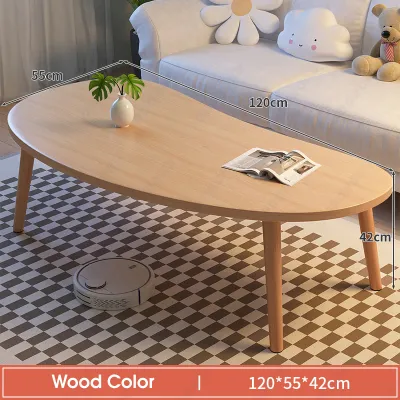
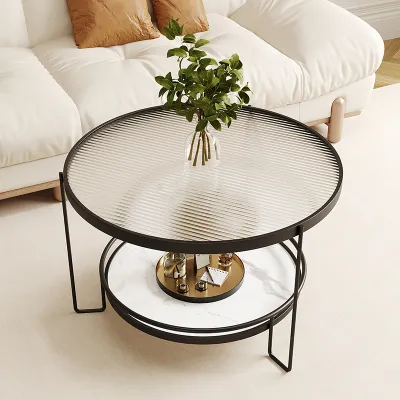
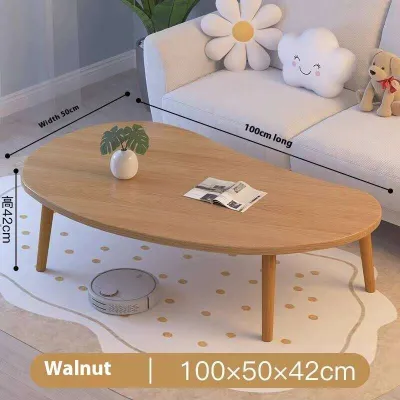
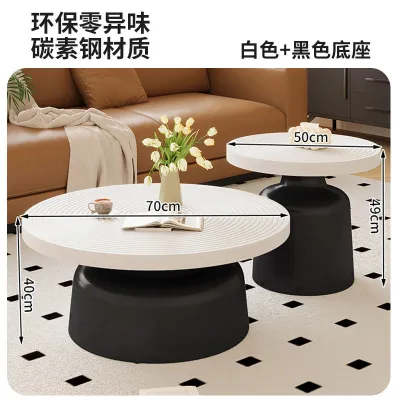

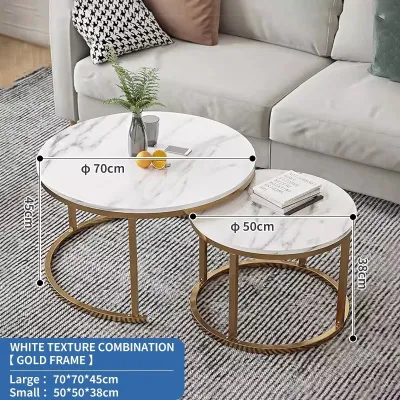
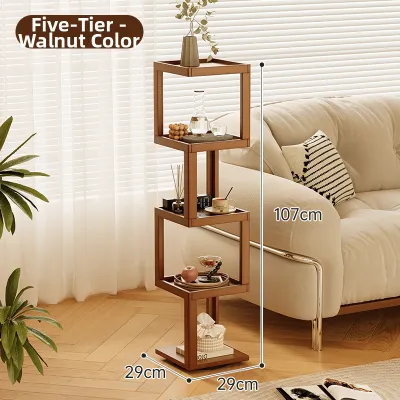
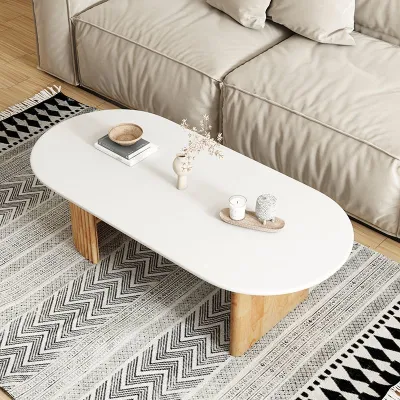
Prices are valid at publication and may change. Please refer to the product page for the latest price.
Next, evaluate the visual weight of your current setup. A room filled with chunky, low-profile, fully upholstered seating has high visual weight and requires a center table that can either match that grounded presence or alleviate it. For instance, a solid block or plinth table pairs naturally with heavy furniture, whereas a table with slender legs or a glass top can make a dense seating area feel lighter and more open.
Finally, conduct a quick inventory of your existing material finishes and color temperatures. Note whether your room features warm wood tones like honey oak and walnut, or cool tones like ash and gray-washed finishes. Look at the metal accents on your light fixtures, door handles, and cabinet pulls—are they matte black, brushed brass, or polished chrome? Ensuring your new table aligns with these existing temperatures and finishes prevents a clashing, disorganized appearance.
Match Center Table Styles to Your Living Room Theme
Every interior design theme relies on a specific vocabulary of shapes, materials, and finishes. By understanding these stylistic markers, you can select a center table that speaks the same design language as the rest of your room.

Scandinavian and Minimalist Spaces
Scandinavian and minimalist aesthetics prioritize simplicity, functionality, and a sense of visual calm. To complement this style, look for center tables crafted from light-toned woods such as oak, ash, or beech, finished with a matte lacquer that preserves the wood’s natural, pale appearance.
The silhouette should remain clean and uncomplicated, favoring simple geometric shapes like circles, soft rectangles, or organic triangular shapes with rounded corners. Avoid any ornate detailing, heavy hardware, or high-gloss finishes that disrupt the understated atmosphere.
In compact living areas, such as modern apartments or HDB flats, nesting tables or designs with hidden drawers are highly practical. These options allow you to maintain a clutter-free environment, tucking away remote controls and reading materials to preserve the clean, streamlined look of the space.
Industrial and Urban Loft Interiors
Industrial decor celebrates raw, utilitarian materials and exposed structural elements. A center table for this style should embrace a bold mix of textures, typically combining reclaimed wood tops with black iron, steel, or powder-coated metal frames.
Look for design details that highlight craftsmanship and construction, such as exposed rivets, visible weld joints, distressed metal finishes, or heavy casters. These elements give the table a sense of history and rugged durability.
Because industrial pieces can sometimes feel cold or harsh, balance is essential. Pair a heavy wood-and-iron center table with softer textiles in the surrounding space, such as a thick woven area rug, plush throw blankets, or a soft leather sofa to create a welcoming, balanced environment.
Mid-Century Modern and Retro Rooms
Mid-century modern design is characterized by organic shapes, warm wood tones, and a playful yet functional approach to furniture. If your living room reflects this retro charm, look for tables made from rich, warm woods like walnut, teak, or cherry.
Key design features of this style include iconic tapered legs, splayed legs, or delicate hairpin legs that lift the table off the floor, creating a sense of lightness. Organic silhouettes—such as oval, kidney-shaped, or rounded rectangular tops—are highly effective at breaking up the rigid, boxy layouts of standard seating areas.
To add an authentic vintage touch, consider tables that incorporate subtle mixed materials. A walnut table with a small brass cap on the legs, a cane lower shelf, or a colored laminate insert can elevate the retro aesthetic without overwhelming the room.
Traditional and Classic Elegance
Traditional living rooms rely on symmetry, rich textures, and formal arrangements to create a sense of timeless elegance. A center table in this setting should serve as a substantial, grounded anchor that commands attention.
Opt for dark, rich wood finishes such as mahogany, cherry, or deep espresso oak. Look for classic architectural details like turned legs, carved trim, bevelled edges, or elegant cabriole legs that showcase traditional craftsmanship.
Alternatively, a glass-topped table framed by ornate wrought iron or carved wood can provide the necessary formality while allowing a beautiful Persian or oriental rug underneath to remain visible. These heavier, structured designs help ground the entire seating arrangement, establishing a clear focal point for formal entertaining.
Compare Key Design Elements That Define Each Style
If your living room does not fit neatly into a single design category, you can still find the perfect table by breaking down and comparing the individual design elements that define each style. This modular approach allows you to mix and match features to create a customized look.
Material and Finish
The materials used in your center table dictate both its visual impact and its practical durability. Wood grains introduce organic warmth and texture, but their longevity depends on the protective finish applied; always check the manufacturer’s care instructions to ensure the surface is sealed against moisture and stains. Metals offer a sleek, modern, or industrial edge, with matte black steel providing a grounded look and polished brass or chrome reflecting light to add a touch of glamour. Glass and acrylic are highly functional choices for smaller spaces, as their transparency reduces visual clutter and allows light to flow freely through the room.
Shape and Silhouette
The shape of your center table influences the physical flow and safety of your living room. Round and oval tables are excellent for high-traffic zones or households with young children, as the absence of sharp corners reduces the risk of bumps and bruises while softening angular rooms. Rectangular and square tables are ideal for anchoring symmetrical layouts and aligning with large L-shaped sectionals, ensuring that everyone seated has easy access to the table surface.
Leg Design and Base
The base of the table determines its stability, visual footprint, and legroom clearance. Pedestal bases offer a clean, sculptural look and provide maximum legroom since there are no corner legs to navigate. Hairpin and slender tapered legs create a light visual footprint, making a small room feel more spacious by exposing more of the floor. Solid block or plinth bases make a bold, architectural statement, but they require a larger room with plenty of breathing space to avoid looking cramped.
Ensure Practical Fit: Proportions, Clearance, and Space Planning
An aesthetically beautiful center table can quickly become a daily frustration if it does not fit the physical dimensions of your living room. Proper space planning is essential, particularly in compact urban layouts where every square centimeter counts.
When evaluating heights, the surface of your center table should sit roughly level with or slightly below the seat cushions of your surrounding sofa—typically within a range of 40 to 48 centimeters. A table that is too tall disrupts the visual line of the room, while one that is too low requires awkward bending to reach. Additionally, the length of the table should ideally measure between one-half and two-thirds of the total length of your sofa to maintain visual balance.
Walkway clearance is equally critical for comfortable movement. Maintain a distance of 35 to 45 centimeters between the edge of the table and the front of your sofa. This spacing provides ample legroom while keeping drinks, books, and lighting controls within easy reach. For general walkways around the entire seating group, aim for at least 60 centimeters of clear space to allow family members and guests to pass through without shuffling sideways.
In smaller homes, look for multi-functional, space-saving designs that maximize utility. Nesting tables can be expanded when hosting guests and stacked away when floor space is needed. Lift-top tables feature a mechanism that raises the tabletop to dining or working height, making them ideal for multi-purpose living rooms. Tables with open lower shelves or built-in drawers offer valuable storage for blankets, board games, and media accessories without adding physical bulk to the room.
Finally, consider the maintenance and durability requirements of your household. Families with young children or active pets should prioritize scratch-resistant surfaces, rounded edges, and materials that are easy to wipe clean. Before purchasing, review the manufacturer’s care instructions for specific finishes, and always perform a spot test with any cleaning products on a hidden area of the table to ensure it does not damage the protective sealant.
Frequently Asked Questions (FAQ)
Can I mix two different design styles for my center table and sofa?
Yes, mixing design styles is an excellent way to create a personalized, transitional look. The key to successful blending is finding a unifying element that bridges the two styles. For example, if you pair a modern, clean-lined sofa with a rustic industrial center table, you can harmonize the pieces by choosing an area rug that incorporates colors from both elements, or by matching the metal accents of the table with your living room’s lighting fixtures and cabinet hardware.
What is the most versatile center table style if I change my decor often?
The most versatile choice is a simple, neutral-toned table with clean lines and a mid-profile design, such as a round glass-topped table with a slender metal frame or a minimalist oak table. These designs act as a blank canvas, allowing you to easily update the look of your room by changing your soft furnishings, rugs, and decorative tabletop accessories like trays, books, and candles without needing to replace the table itself.
Community discussion
Share your experience or ask a question. Comments are reviewed before publication.