
Choosing the right outdoor shoe rack requires balancing your household’s storage needs with the physical and regulatory limits of your balcony or corridor. To find the right fit, you must calculate your total shoe capacity—including a buffer for guests and future purchases—while carefully measuring your outdoor space to ensure unobstructed walkways. Additionally, selecting weather-resistant materials and configurations that suit your local climate helps protect your footwear and keeps your entryway organized.
Assess Your Household Shoe Capacity Needs
Start your planning by conducting a thorough inventory of all the shoes your household uses on a regular basis. Each family member typically has a set of active pairs, such as daily work shoes, school shoes, and casual sandals, which are most convenient to store near the entrance. Do not forget to account for guest slippers or temporary footwear that visitors might use, as these also require dedicated slots to prevent clutter.
Next, factor in the physical dimensions of different shoe types, as specialized footwear takes up significantly more space than standard flats. Running trainers, hiking boots, and high-top sneakers require greater vertical clearance and wider shelf space. Grouping your shoes by height and width will help you determine how many standard shelves you need versus how many taller compartments are required.
Products mentioned in this guide
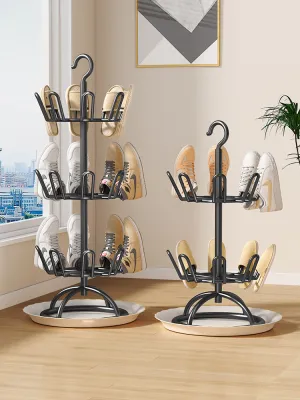
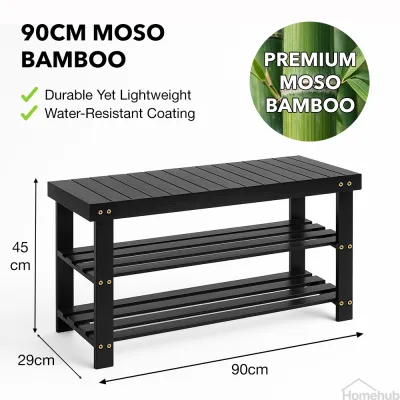
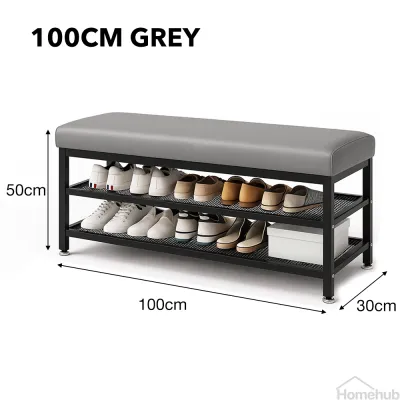
Prices are valid at publication and may change. Please refer to the product page for the latest price.
Finally, always build a capacity buffer into your final decision to accommodate future lifestyle changes. Selecting a rack that offers roughly twenty percent more storage than your current collection prevents overcrowding and allows air to circulate freely around your shoes. This ventilation is crucial for outdoor storage, as tightly packed shoes are more susceptible to moisture retention and mold growth.
Measure and Evaluate Your Outdoor Space
Before browsing product catalogs, take precise measurements of your designated outdoor area to avoid purchasing a rack that does not fit. Use a physical measuring tape to record the exact width, depth, and height of the space on your balcony or along your corridor. Be sure to leave ample clearance for apartment doors to swing fully open and for residents to walk past without squeezing.

Evaluate the specific floor and wall conditions of your outdoor area, as these can impact the stability of your furniture. Balconies and corridors often feature drainage slopes, uneven floor tiles, exposed pipes, or low-hanging air conditioning ledges that restrict placement. A shoe rack placed on a sloped surface will wobble, making adjustable leveling feet a highly desirable feature to look for.
In Singapore, residential developments have strict guidelines regarding the use of shared outdoor spaces. If you live in public housing or a condominium, you must verify the latest local fire safety and estate bylaws before placing any furniture outside. Common corridors must maintain a minimum clear escape path width, and storage units must not block fire hose reels, dry risers, or emergency exit routes.
Match Rack Dimensions and Configurations to Your Space
Once you have your measurements, match them to a structural layout that optimizes your available floor area. If your balcony has limited floor space but plenty of vertical clearance, a tall, narrow shoe tower is an excellent way to maximize storage. Conversely, if you are placing the rack under a low window or along a corridor railing, a low, wide profile keeps the view unobstructed and complies with height limits.
Look for modular or adjustable shelving systems that offer the flexibility to customize your storage layout over time. Shelves that can be easily adjusted or removed allow you to accommodate tall boots or bulky sports gear alongside flat sandals. Stackable designs are also highly practical, allowing you to expand your storage upward if your household size or shoe collection grows.
Decide between open shelving and enclosed cabinets based on how exposed your outdoor space is to the elements. Enclosed designs with doors protect your footwear from direct sunlight, blowing rain, and dust, keeping your entryway looking clean and organized. However, closed cabinets must feature adequate ventilation, such as slatted doors or rear vents, to prevent moisture buildup and unpleasant odors.
Check Material Durability and Weather Resistance
Outdoor furniture must endure harsh environmental conditions, including intense sunlight, high humidity, and sudden downpours. When evaluating options, check the manufacturer’s specifications for materials treated for outdoor use, such as rust-proof metals, heavy-duty plastics, or treated wood. Avoid untreated materials that can warp, crack, or rust when exposed to moisture and UV rays.
Examine the smaller components of the shoe rack, as these are often the first parts to fail under outdoor exposure. Ensure that connecting hardware, screws, hinges, and magnetic latches are made of corrosion-resistant materials like stainless steel. Additionally, look for sturdy, non-slip rubber or plastic foot pads that protect the bottom of the rack from standing water on wet balcony floors.
Even durable outdoor shoe racks require regular maintenance to prolong their lifespan and keep them looking their best. Periodically wipe down the surfaces with a damp cloth to remove accumulated dust, salt spray, and dirt. Regularly inspect the joints and hardware for early signs of rust or wear, tightening any loose screws to maintain structural stability.
Avoid Common Sizing and Placement Mistakes
A common mistake is focusing solely on the final placement spot while forgetting the delivery and installation route. Before ordering a fully assembled or large flat-pack shoe rack, measure your building’s elevator doors, stairwells, and your home’s main entryway. A rack that cannot fit through these tight spaces will be incredibly difficult to transport and install.
Avoid compromising safety for convenience when positioning your storage unit in shared residential areas. Avoid placing the rack where it blocks emergency exit routes, fire extinguishers, or utility access panels. In shared corridors, ensure your setup does not encroach on your neighbor’s walkway or create a tripping hazard during an evacuation.
High-rise balconies are subject to strong wind gusts that can easily tip over tall or lightweight furniture. If you choose a tall shoe tower, verify the manufacturer’s instructions for securing the unit safely. You may need to position it flat against a solid wall, place heavier items on the lower shelves, or use approved anchoring kits to prevent the rack from falling over during stormy weather.
Frequently Asked Questions (FAQ)
Can I place an outdoor shoe rack in a public housing corridor?
Yes, but you must strictly adhere to local fire safety regulations and estate bylaws. Shared corridors must maintain a minimum clear width of unobstructed space to help maintain safe evacuation during an emergency. You must not block fire hose reels, dry risers, or stairwell access, and it is essential to consult the latest official housing authority guidelines for your specific estate before setting up any furniture.
How do I prevent my outdoor shoe rack from blowing over in strong winds?
To secure your rack against strong winds, place heavier shoes on the bottom shelves to lower the unit’s center of gravity. Position the rack flat against a solid windward wall rather than near open railings. You can also use anti-slip rubber base pads to increase friction, or utilize wall-anchoring kits if they are supported by the manufacturer’s installation instructions.
Community discussion
Share your experience or ask a question. Comments are reviewed before publication.