
Choosing the right capacity magnetic shoe rack requires balancing your household’s daily footwear habits with the physical and magnetic weight limits of your mounting surface. In space-conscious homes, such as apartments in Singapore where metal main doors are standard installation sites, a magnetic rack offers an efficient entryway storage solution. To find the ideal size, you must audit your active shoe collection, calculate a realistic capacity buffer, and verify that your door or metal panel can support the weight of both the rack and your shoes without sliding.
Assess Your Household's Shoe Inventory
To establish a baseline capacity, begin by counting the shoes your household actually wears on a regular basis. It is easy to overestimate your storage needs if you include every pair owned. Separate your core, daily-use footwear from seasonal, formal, or occasional shoes that can be stored in a main wardrobe or shoe cabinet elsewhere. This distinction prevents you from buying an unnecessarily large rack that clutters your entryway.
Next, identify any bulky or non-standard footwear. High-top sneakers, thick-soled running shoes, and boots occupy significantly more vertical and horizontal space than flat sandals, slippers, or canvas shoes. A typical pair of adult shoes requires about 20 to 25 centimeters of horizontal space, but wider athletic shoes or heavy work boots may require more. If your household collection consists mostly of wide or high-profile shoes, you will need to plan for wider tiers or greater vertical clearance between shelves.
Products mentioned in this guide
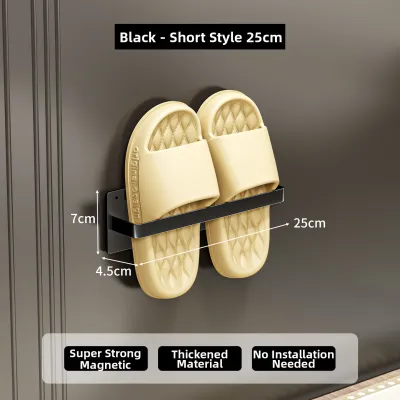
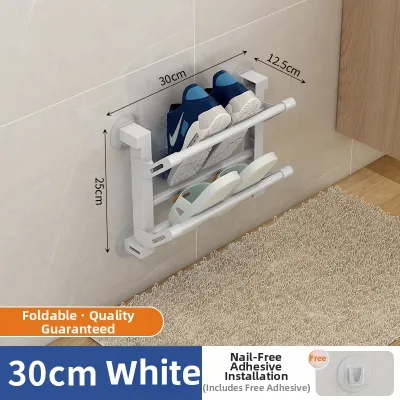
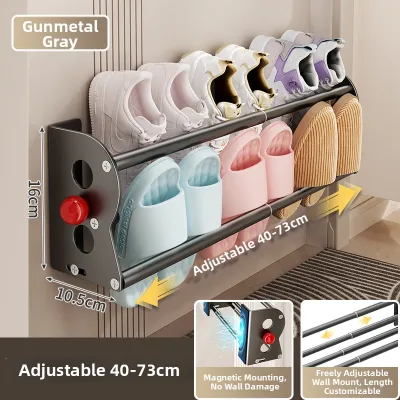
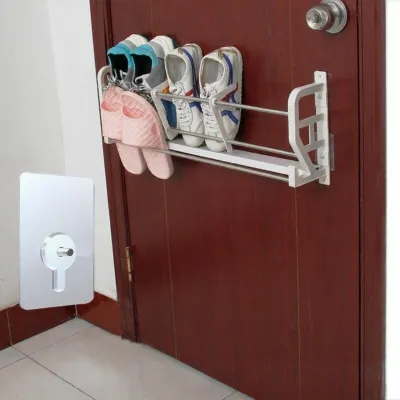
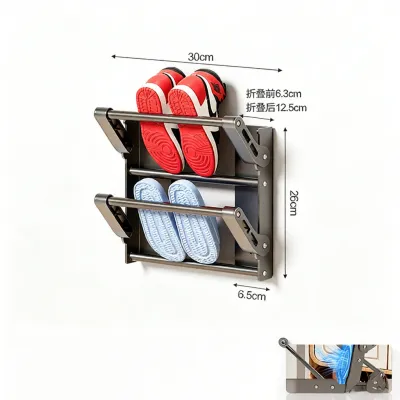
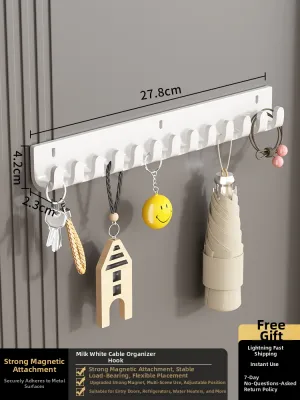

Prices are valid at publication and may change. Please refer to the product page for the latest price.
Do not forget to account for guests. If you frequently host family and friends, your entryway can quickly become cluttered. Allocating a dedicated tier or a couple of slots on your magnetic rack for visitor footwear helps maintain a clear, safe walkway near your entrance. This is especially useful in households where removing shoes before entering is a standard cultural practice.
Calculate the Required Rack Capacity
To translate your inventory into a specific rack size, start with a baseline multiplier of two to three pairs of daily-wear shoes per household member. For a three-person household, this means a core capacity of six to nine pairs. This baseline ensures that the shoes worn most frequently remain easily accessible right at the door, reducing morning rush-hour chaos.

Next, incorporate a small capacity buffer. A buffer of one or two extra slots accommodates new purchases, seasonal rotations, or the rapidly changing shoe sizes of growing children. Planning for this slight excess prevents your entryway from spilling over into disorganized piles on the floor and extends the lifespan of your storage setup.
Finally, decide on the primary role of the magnetic rack. If it serves as your primary shoe storage, you will need a high-capacity configuration. However, if it functions as an active transition zone—holding only the pairs worn today or tomorrow while the rest reside in a larger cabinet—you can opt for a much smaller, minimalist design that takes up minimal visual space.
Evaluate Space and Installation Constraints
Before purchasing, you must measure the physical dimensions of your target installation surface. In many homes, the metal main door or an adjacent metal gate is the primary mounting spot. Measure the available height, width, and depth, ensuring the rack will not interfere with the door handle, digital lock, peephole, or keys. A rack that is too wide may hit the door frame when opened, causing damage over time.
Weight capacity is a critical safety factor for any magnetic storage system. You must verify the manufacturer’s specified weight limit for the magnetic mounts and compare it to the estimated weight of your fully loaded rack. A single pair of adult sneakers can weigh between 0.5 kg and 1 kg; overloading the rack can cause the magnets to slide down the door or detach entirely, potentially damaging your flooring or causing a tripping hazard.
Clearance is equally important for smooth daily operation. Ensure that the depth of the rack, plus the overhang of your largest shoes, does not block the doorway, obstruct the path of the door opening against an adjacent wall, or violate common corridor clearance guidelines. If your door opens into a narrow hallway, a slim-profile or angled rack is essential to keep the walkway clear and safe for all household members.
Additionally, test the magnetic strength of your mounting surface before buying. Some metal doors have thick decorative veneers, laminate finishes, or are made of non-magnetic metals like aluminum. A simple test with a standard refrigerator magnet can help you verify if the surface has enough iron content to hold a heavy magnetic shoe rack securely.
Match Capacity to Magnetic Shoe Rack Designs
Once you know your capacity and space limits, you can choose between fixed-tier and modular magnetic designs. Fixed-tier racks offer a sturdy, single-piece construction that is easy to install but offers no flexibility if your storage needs change. Modular or stackable magnetic units allow you to add or rearrange individual tiers, making it easier to scale your storage up or down as your household size evolves.
Evaluate the vertical spacing between tiers to ensure it matches your shoe profile. Standard flat tiers work well for low-profile shoes like loafers, flats, and sandals. If your inventory includes taller footwear, look for designs that offer generous vertical gaps or adjustable shelf heights to prevent crushing the tops of your shoes.
For exceptionally tight spaces, angled or staggered tier designs are highly effective. By tilting the shoes downward or upward, these racks reduce the overall depth of the unit, allowing you to store adult-sized shoes on a shallower frame without them protruding into your living space. This design is particularly beneficial for narrow entryways where every centimeter of clearance matters.
Common Sizing Mistakes to Avoid
One of the most frequent errors is ignoring the depth of the rack and the resulting shoe overhang. If you measure only the width of the metal door, you might buy a rack that prevents the door from opening fully against the wall or blocks the entryway path when shoes are placed on it. Always add at least 5 to 10 centimeters to the rack’s depth to account for shoe heels or toes that stick out.
Another common mistake is focusing solely on the number of tiers while ignoring the cumulative weight limit of the magnetic mounts. A five-tier rack might physically hold ten pairs of shoes, but if the magnetic backing is only rated for a lighter load, the entire assembly may slip under the weight of heavy work boots or leather shoes. Always check the manufacturer’s load ratings and distribute the weight evenly, placing heavier shoes on the bottom tiers.
Lastly, do not assume standard door dimensions apply to your home. Custom doors, digital lock placements, and decorative panel moldings can significantly reduce the flat, magnetic surface area available for mounting. Always take physical measurements of your specific door and check for any raised patterns before making a decision.
Frequently Asked Questions (FAQ)
Can I add more tiers to a magnetic shoe rack later?
Yes, if you choose a modular magnetic shoe rack design. These systems allow you to purchase and mount individual tiers independently as your household size or shoe collection grows. However, you must always verify the weight capacity of each magnetic unit and ensure the mounting surface remains clean and flat to maintain a strong magnetic grip.
How do I store tall boots on a standard magnetic shoe rack?
Storing tall boots on a standard magnetic rack requires checking the vertical clearance between tiers. If the rack has fixed, narrow shelves, you can store boots on the very top tier where there is no overhead restriction. Alternatively, look for modular magnetic racks where you can adjust the spacing between individual magnetic brackets to accommodate taller footwear.
Community discussion
Share your experience or ask a question. Comments are reviewed before publication.