
Choosing the right capacity aluminium shoe cabinet requires balancing your household’s current shoe count, future storage needs, and the physical constraints of your entryway. An aluminium cabinet offers a modern, moisture-resistant alternative to traditional wood, making it highly suitable for humid climates. To find the perfect fit, you must calculate your active footwear inventory, translate that number into physical shelf dimensions, and verify your home’s spatial limits.
Assess Your Household's Shoe Storage Needs
Calculating your household’s shoe storage needs begins with a simple inventory check. Start by multiplying the number of people in your home by the average number of shoes each person wears regularly. For a typical family of four, if each member keeps five pairs of active footwear, your baseline requirement is immediately twenty pairs. This baseline represents the absolute minimum capacity your cabinet must accommodate to keep your entryway clear of daily clutter.
Lifestyles heavily influence this baseline calculation. If your household includes avid runners, gym-goers, or site workers, you must account for bulky sports trainers, hiking boots, or safety shoes that occupy significantly more physical space than standard flats. Additionally, consider your social habits; if you frequently host gatherings, allocating a dedicated shelf or lower compartment for guest slippers and shoes prevents immediate entryway congestion.
Products mentioned in this guide
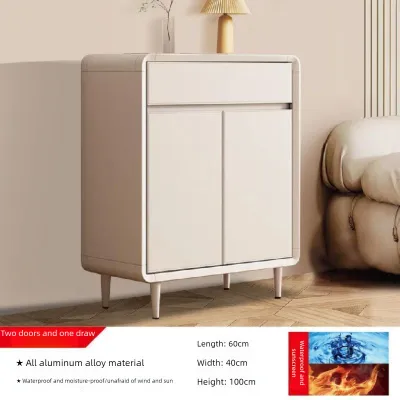
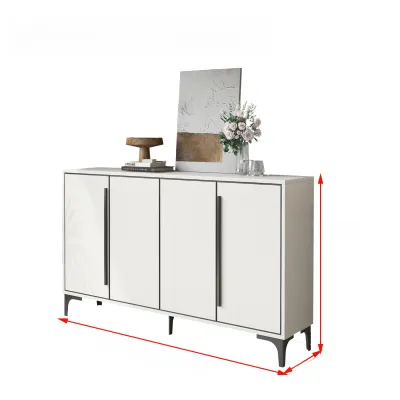
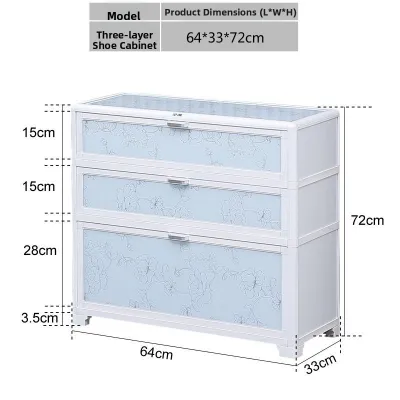
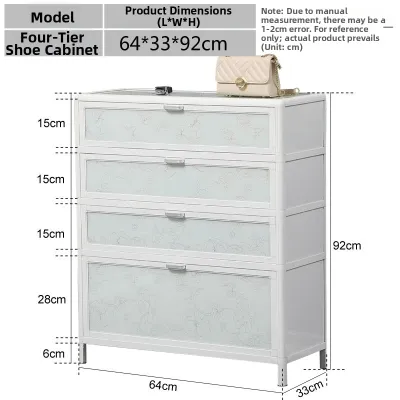
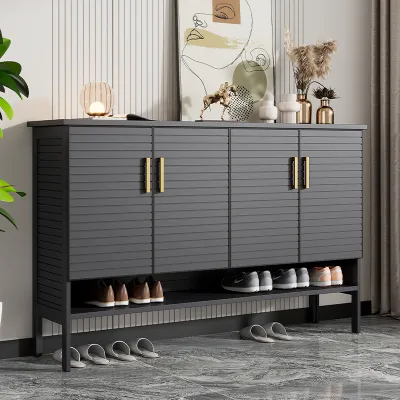
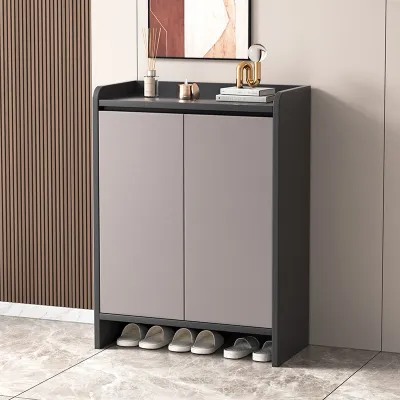
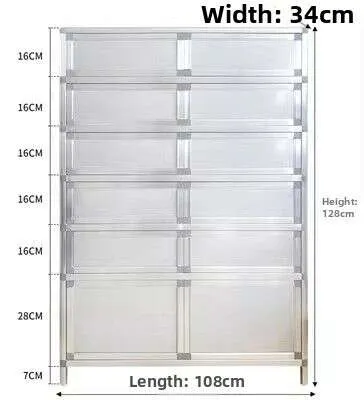
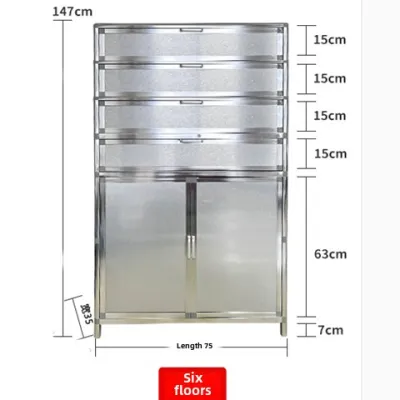
Prices are valid at publication and may change. Please refer to the product page for the latest price.
Future-proofing is another critical factor when determining capacity. Families with growing children will find that shoe sizes change rapidly, and what once fit on a compact shelf will soon require adult-sized spacing. It is generally wise to add a buffer of at least ten to twenty percent to your calculated shoe count. This buffer allows your collection to expand naturally over time without forcing you to upgrade to a larger cabinet prematurely.
Translating Shoe Count into Cabinet Capacity
Once you have a target shoe count, you must translate this number into actual cabinet dimensions and shelf configurations. Standard shoe cabinets are typically designed around average shoe widths, where a single pair of adult shoes requires approximately 20 to 25 centimetres of horizontal shelf space. Therefore, a cabinet with a shelf width of 80 centimetres can comfortably hold three to four pairs of standard shoes per tier.

To plan your tiers and layers, divide your total shoe count by the estimated capacity of a single shelf. For example, if you need to store thirty pairs of shoes and select an 80-centimetre-wide cabinet, you will require approximately eight to ten shelves. This calculation helps you decide whether a tall, vertical utility cabinet or a wider, low-profile sideboard style is more appropriate for your storage goals.
Footwear variety complicates simple width calculations because different shoe types have varying heights and depths. High heels, ankle boots, and high-top sneakers require more vertical clearance than flat sandals or loafers. When planning your cabinet layout, allocate deeper or taller sections for these bulky items, or look for models that offer specialized compartments to prevent your shoes from being crushed or bent out of shape.
Adjustable shelving is the most effective way to maximize internal volume in an aluminium shoe cabinet. Shelves that can be moved up or down allow you to customize the vertical spacing based on your seasonal footwear rotation. By minimizing wasted vertical space above flat shoes, you can squeeze extra tiers into the same external cabinet height, significantly increasing your overall storage efficiency.
Measuring Your Entryway and Checking Physical Limits
Before purchasing any furniture, you must measure your entryway carefully to ensure the cabinet fits your physical space. Start by measuring the available floor width and depth, keeping in mind that a standard shoe cabinet requires a depth of at least 35 to 40 centimetres to accommodate larger shoe sizes. You must also measure the clearance space in front of the cabinet to ensure doors or drawers can open fully without blocking walkways or striking adjacent walls.
Delivery access is a frequently overlooked constraint that can disrupt your installation plans. You must verify that the packaged dimensions of the aluminium cabinet can safely pass through your building’s elevator doors, narrow stairwells, and your main apartment entrance. If you live in a high-rise apartment, measuring the lift cabin’s height and depth is a crucial step before finalizing a purchase of a tall, fully assembled unit.
Placement near ventilation and heat sources requires careful planning. Avoid placing your aluminium cabinet directly in front of air conditioning vents, main electrical distribution boards, or in areas exposed to intense afternoon sun. In narrow corridors or shared common areas, ensure the cabinet does not block fire escape routes or restrict the natural airflow required to keep the entryway comfortable.
Stability and anchoring are vital safety considerations, particularly for tall or slim shoe cabinets. Because aluminium is lightweight, a tall cabinet can become top-heavy when fully loaded with heavy footwear. Check your wall conditions to determine if you can drill and install anti-tip anchoring hardware. Always refer to the manufacturer’s instructions regarding wall-mounting requirements to prevent accidental tipping.
Key Features to Look for in Aluminium Shoe Cabinets
Ventilation design is a paramount feature when selecting an aluminium shoe cabinet, especially in Singapore’s humid climate. Without proper airflow, enclosed cabinets trap moisture from damp shoes, leading to mould growth and unpleasant odours. Look for cabinets featuring louvred doors, perforated back panels, or integrated ventilation grilles that promote continuous air circulation while keeping your footwear dust-free.
Material benefits should be verified by checking the manufacturer’s specifications. While aluminium is naturally resistant to rust and moisture compared to traditional wood or particleboard, you should confirm the quality of the powder coating or anodized finish. A high-quality finish ensures the cabinet is easy to wipe clean with a damp cloth and remains resilient against wet umbrellas or muddy soles.
Door mechanisms play a significant role in space efficiency. Swing doors require ample clearance space to open, making them better suited for wider entryways. For tight corridors or narrow foyers, sliding doors or pull-down tipping compartments are excellent alternatives, as they allow you to access your shoes without encroaching on the limited walkway space.
Base elevation is another practical feature to consider. A cabinet with raised legs or a recessed base allows you to slide the unit flush against the wall, bypassing the skirting boards. This elevated design also creates a convenient gap underneath the cabinet for storing everyday slippers, while making it much easier to sweep or mop the floor underneath without moving the heavy furniture.
Common Sizing Mistakes to Avoid
One of the most common sizing mistakes is ignoring the door swing radius of both the cabinet and your main entrance door. If your shoe cabinet is placed too close to the front door, an open cabinet door can collide with the main entrance, creating a physical hazard and restricting entry. Always map out the swing paths of all doors in the immediate area before deciding on a final placement.
Overlooking internal shoe depth can lead to a frustrating situation where the cabinet doors cannot close fully. Standard external cabinet depths might seem sufficient on paper, but thick back panels and door frames reduce the usable internal depth. If members of your household wear larger shoe sizes, measure the longest pair of shoes and compare this measurement against the cabinet’s internal shelf depth specifications.
Forgetting to account for the thickness of skirting boards can cause alignment and stability issues. If a cabinet lacks a recessed base or high legs, the skirting board will prevent the unit from sitting flush against the wall. This gap can cause the cabinet to tilt forward slightly, compromising its stability and making it difficult to secure the unit with wall anchors.
Prioritizing external aesthetics over internal volume often results in inadequate storage. A sleek, ultra-thin cabinet might look beautiful in a minimalist entryway, but it may lack the shelf depth or adjustable options needed for your actual shoe collection. Always prioritize internal utility and flexible shelving configurations over purely decorative external designs to ensure your storage needs are fully met.
Frequently Asked Questions (FAQ)
How many pairs of shoes can a standard aluminium shoe cabinet hold?
The actual capacity of a standard aluminium shoe cabinet depends heavily on its width, the number of tiers, and the internal shelf depth. A compact, three-tier cabinet with a width of 60 centimetres typically holds around nine to twelve pairs of standard flat shoes. In contrast, a tall, multi-tier utility cabinet measuring 180 centimetres in height can often accommodate thirty or more pairs, depending on the shelf spacing.
To get an accurate estimate, you should always check the manufacturer’s product specifications, which often state the maximum pair capacity based on standard shoe sizes. Keep in mind that bulky footwear, such as thick-soled sneakers, work boots, or high heels, will occupy more space and reduce the overall capacity compared to flat sandals or slippers. Planning for a mix of footwear types will help you choose a cabinet that comfortably fits your entire collection.
Community discussion
Share your experience or ask a question. Comments are reviewed before publication.