
Choosing the right cap hanger is essential for keeping your headwear organized, accessible, and in pristine condition. The ideal storage solution depends directly on the size of your collection, the structure of your hats, and the physical constraints of your living space. Whether you own a few daily-wear baseball caps or a massive collection of rare collectibles, matching your inventory to the correct hanger design prevents clutter and protects your investment. In space-conscious homes, such as apartments in Singapore, selecting a system that maximizes vertical space while protecting fabrics from local humidity is key to long-term storage success.
Assess Your Cap Collection and Storage Needs
Start by laying out all your caps to get an accurate count of your current inventory. Group them into daily essentials, occasional wear, and rare collectibles. Daily caps need high-accessibility zones like entryways, while collectibles might require protective display areas further inside the home.
Estimate your collection’s growth rate before purchasing a storage system. If you buy several caps a year, select a hanger with at least thirty percent extra capacity to avoid immediate replacement. Planning for a buffer ensures your storage setup remains functional as your collection expands.
Products mentioned in this guide
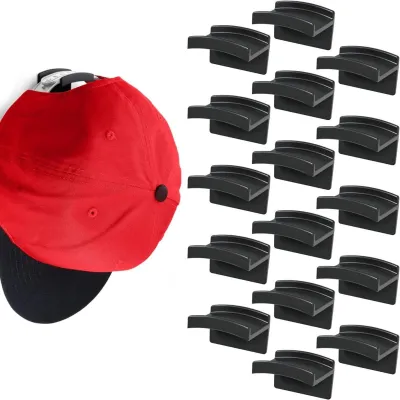
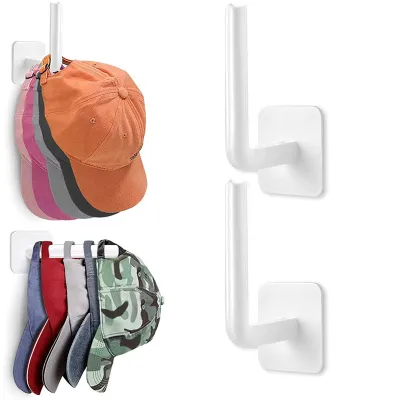
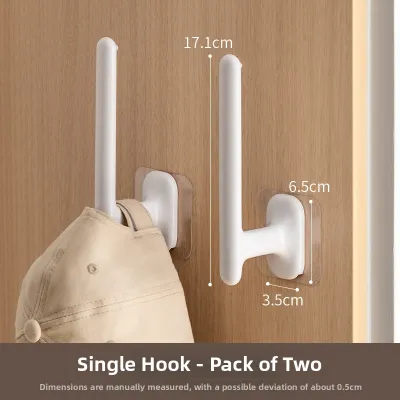
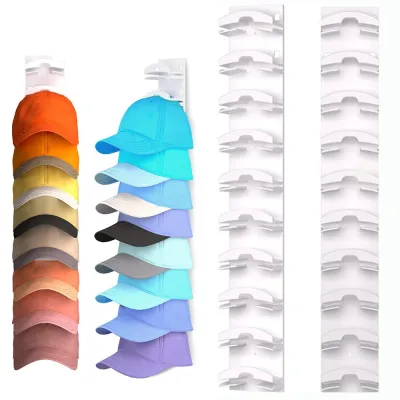
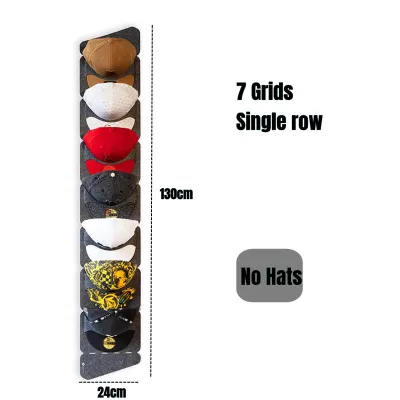
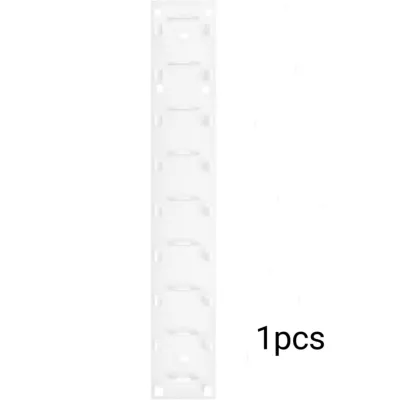
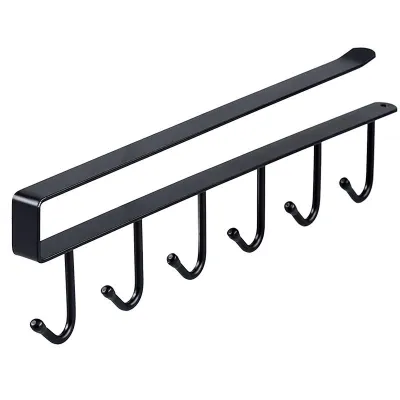
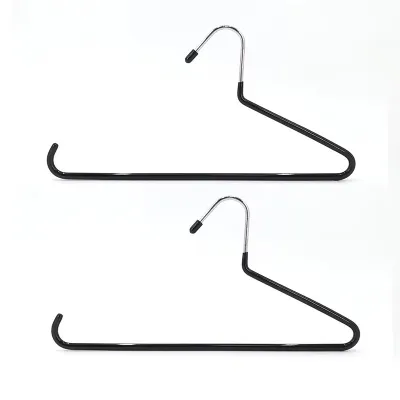
Prices are valid at publication and may change. Please refer to the product page for the latest price.
Note the construction of your hats, as different styles require specific support mechanisms. Structured caps with stiff buckram crowns need support that does not crush the front panel, whereas unstructured dad hats or beanies can tolerate closer nesting or clip-based hanging systems. Mixing these styles on the wrong hanger can lead to permanent warping.
Match Hanger Designs to Collection Sizes
Selecting a hanger configuration that aligns with your total volume prevents cluttered walls and damaged brims. Different designs offer varying levels of density, accessibility, and structural support.

Small and Starter Collections
For collections of fewer than ten caps, minimalist solutions keep your space tidy without requiring heavy installation. Single-row wall hooks, over-the-door strap hangers, or small tabletop stands are highly effective. These options keep your daily hats within arm’s reach without dominating the room’s visual profile.
When selecting hooks, check the depth and curvature of the hanging points. Sharp, narrow hooks can crease the sweatband or distort the back strap over time. Look for rounded, wide-profile hooks that distribute the cap’s weight evenly across the support surface.
Because small setups usually sit in highly visible areas like the entryway or bedroom door, choose finishes that complement your existing interior design. Matte black metal, polished chrome, or natural wood finishes allow the hanger to blend seamlessly with your home decor.
Medium and Growing Collections
If your collection ranges from ten to twenty-five caps, vertical space optimization becomes essential. Cascading closet hangers that loop over a standard wardrobe rod, multi-tier wall-mounted wire racks, or modular metal grids are excellent choices for maximizing limited wall or closet space.
Before mounting any multi-tier system, verify the manufacturer’s specified weight capacity for both the hanger and the mounting hardware. While caps are individually light, a dense cluster of twenty caps, combined with the weight of a metal rack, can strain weak drywall anchors. Ensure your wall type can support the cumulative load.
Ensure the vertical spacing between tiers allows at least fifteen to twenty centimeters of clearance. This gap prevents the upper caps from pressing down on the crowns of the hats below, preserving their structured shape and allowing you to retrieve individual hats without disturbing the rest.
Large and Dedicated Collections
For serious collectors with more than twenty-five caps, high-density storage and display systems are necessary. Heavy-duty wall-mounted tracks, custom wooden or metal pegboards, and large freestanding display towers offer the required capacity while showcasing your collection.
Assess the mounting surface carefully to ensure it can support a large-scale installation. Concrete or brick walls common in Singapore apartments provide excellent support when paired with appropriate masonry plugs, whereas lightweight partition walls require finding studs or using heavy-duty toggle bolts.
Opt for modular systems where you can easily add extra tracks, pegboard hooks, or shelves as your collection expands. This scalability saves you from replacing the entire setup later and allows you to reconfigure the display as your storage needs evolve.
Evaluate Space, Mounting, and Accessibility
Before purchasing any cap hanger, measure your physical space carefully. Remember that a cap is not flat; a standard structured baseball cap projects about eighteen to twenty-two centimeters from the wall when hung. Ensure your chosen location has enough clearance so passersby do not constantly brush against the hats.
If you select an over-the-door model, measure the door thickness and check the clearance at the top of the frame. A gap of at least two to three millimeters is usually required so the door can close smoothly without scraping the metal brackets or damaging the door frame.
Always review the manufacturer’s installation manual to identify the necessary tools, such as drills, levels, or specific screwdrivers. Using the correct wall anchors for your specific wall material is crucial for long-term stability and preventing damage to your home’s surfaces.
Finally, mount the hanger at an accessible height, typically between 1.2 and 1.8 meters from the floor. This placement allows you to easily reach every cap without stretching or accidentally dislodging neighboring hats during daily use.
Common Sizing and Capacity Mistakes to Avoid
Avoid overloading any hanger beyond its rated capacity. While a single cap is light, stacking multiple hats on a single hook can bend the hook, pull anchors out of the wall, or tear drywall, leading to costly repairs.
Another common error is ignoring the depth and crown height of structured caps. Forcing structured caps into tight, flat pockets or overlapping them too closely will permanently crease the front panels, ruining the aesthetic of the hat.
Ensure you leave sufficient clearance around each hanging point. Tight spacing causes friction when retrieving a cap, which can wear down delicate fabrics, bend brims, or knock adjacent caps to the floor.
Lastly, be cautious with adhesive hooks. In humid climates, adhesive backings on painted walls or textured wallpaper can fail under continuous load. Always verify the adhesive’s weight limit and ensure the surface is clean, dry, and non-porous before application.
Frequently Asked Questions (FAQ)
Can I use a regular coat rack for my caps?
Standard coat hooks are often too thick, blunt, or sharply angled for delicate cap structures. Hanging a cap directly by its inner sweatband or crown on a thick coat hook can stretch the fabric or leave permanent indentations. If you want to repurpose an existing coat rack, check the hook diameter first. You can make it safer for caps by adding protective silicone sleeves, hanging the caps by their rear adjustment straps, or using hanging clips and S-hooks attached to the rack to distribute the weight more gently.
How do I prevent caps from losing their shape on a hanger?
To preserve the shape of your caps, hang them by their rear adjustment straps or use specialized cap clips that grip the brim gently without leaving deep crease marks. Avoid hanging heavy items like jackets or bags on the same hook, as they can crush the caps underneath. Additionally, position your cap hanger away from direct sunlight to prevent color fading, and avoid high-humidity areas like bathrooms or unventilated laundry spaces to protect the fabric from moisture damage and mold.
Community discussion
Share your experience or ask a question. Comments are reviewed before publication.