
Selecting the correct bracket for a furniture project requires matching the hardware to the specific structural load, mounting surface, and joint angle. Rather than relying on a single universal solution, this guide helps you diagnose your project’s physical demands, identify the appropriate bracket category, and verify installation compatibility to ensure a secure and durable result. Choosing the wrong hardware can lead to sagging shelves, unstable joints, or structural failure. By understanding the mechanical forces at play, you can confidently select a bracket that keeps your furniture stable and safe.
Assess Your Furniture Project Requirements
Before purchasing any hardware, you must evaluate the specific physical demands of your furniture task. The first step is estimating the load capacity, which requires distinguishing between static weight and dynamic movement. Static weight refers to stationary items, such as books on a shelf. Dynamic weight involves active forces, such as the impact of placing heavy items down, the pulling motion of opening drawers, or the shifting weight of someone sitting on a bench. Brackets must be rated to handle these dynamic forces, which often exceed static weight estimates.
The mounting surface is another critical factor that dictates your choice of bracket and fasteners. In many modern homes, particularly high-rise apartments with concrete or masonry walls, mounting furniture requires robust anchoring systems that can bite into solid material. Conversely, mounting onto drywall or hollow partition walls requires specialized anchors that spread the load behind the wall board. If you are attaching brackets directly to furniture panels made of solid wood or particleboard, you must assess the material’s density and thickness to ensure the screws will hold without stripping the fibers.
Products mentioned in this guide
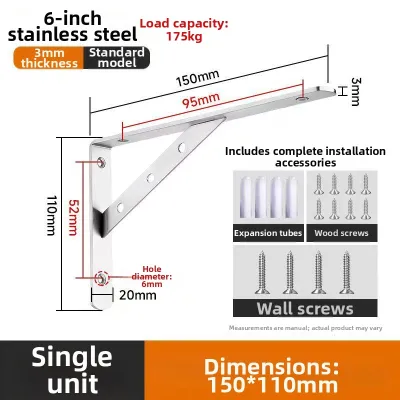
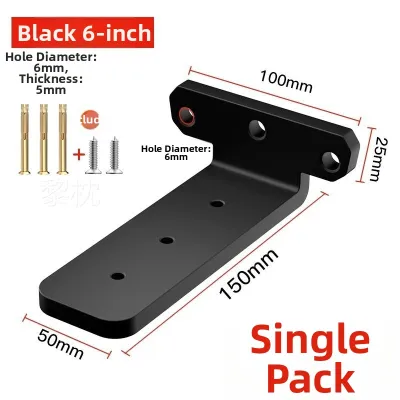
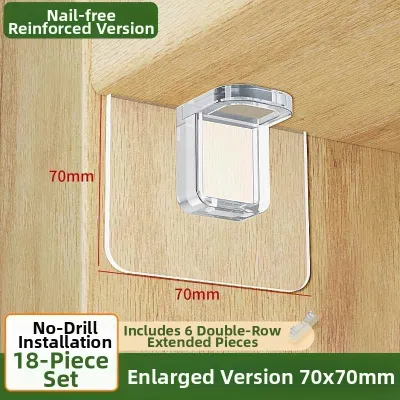
Prices are valid at publication and may change. Please refer to the product page for the latest price.
Finally, consider the joint angle and movement requirements of your project. You must determine if the connection needs a fixed 90-degree hold, a flat alignment across a seam, or an adjustable angle. Identifying these structural parameters early prevents installation errors and ensures the longevity of your furniture.
Match Bracket Types to Common Furniture Tasks
Different bracket shapes and profiles serve distinct mechanical functions in furniture assembly. Using the wrong profile for a task—such as using a flat plate where an angular support is needed—compromises structural integrity. Matching the bracket design to the specific direction of force ensures that the hardware reinforces the joint rather than bending under stress.

L-Brackets and Corner Brackets for Joint Reinforcement
L-brackets and corner brackets stabilize intersecting furniture panels at a right angle. They are ideal for reinforcing internal cabinet corners, securing bed frame rails, and stabilizing table leg aprons. Sitting in the interior corner of a joint, they resist lateral forces that cause furniture to wobble.
When selecting an L-bracket, match its size to the thickness of your furniture panels. The bracket legs should accommodate multiple screw holes for a secure grip without protruding past the wood edges. Note that standard L-brackets lack diagonal reinforcement, meaning they can bend under heavy vertical loads and are unsuitable for deep, cantilevered shelving.
Shelf Brackets for Horizontal Load Support
For supporting horizontal surfaces like shelves or cantilevered desks, dedicated shelf brackets are essential. Unlike standard L-brackets, they are engineered to resist downward bending forces. Heavy-duty variants feature a diagonal support bar, known as a gusset, welded or forged between the two legs. This gusset transfers the downward weight of the shelf back toward the vertical mounting wall, preventing the bracket from flexing.
To ensure stability, the bracket arm should extend at least two-thirds of the total depth of the shelf to prevent the front edge from tipping. Furthermore, space the brackets along the wall to prevent the shelf material from bowing under distributed loads, aligning them with wall studs or manufacturer-recommended intervals.
Flat Brackets and Mending Plates for Surface Alignment
Flat brackets, often called mending plates, join coplanar surfaces or repair splits along the wood grain. Common applications include securing extending table leaves, reinforcing split wood panels, and joining frame rails end-to-end. Because they lie flat against the surface, they do not provide right-angle reinforcement but effectively prevent adjacent pieces from pulling apart.
You must decide between a surface-mounted or a recessed installation. Surface-mounted plates are quick to install but remain visible and create a slight protrusion. For a seamless finish, use a router or chisel to create a shallow recess in the wood, allowing the mending plate to sit flush with the surrounding surface.
Evaluate Material and Finish for Environmental Durability
The environment in which your furniture resides dictates the material and finish of the brackets you choose. Indoor, dry living areas allow for standard steel or decorative brass brackets. However, high-humidity environments—such as kitchens, bathrooms, or semi-outdoor balcony spaces—require hardware that can withstand moisture without rusting. Rust ruins the appearance of the bracket, weakens the metal, and can cause the surrounding wood to rot.
To prevent premature failure, check manufacturer labels and product specifications for rust-resistant properties. Stainless steel offers excellent corrosion resistance, while zinc-plated steel and powder-coated finishes provide protective barriers against moisture. When purchasing brackets, perform a quick visual inspection. Look for uniform coating coverage, smooth edges free of burrs, and a complete finish inside the screw holes, as exposed raw metal in these areas is often where rust begins.
Verify Hardware and Installation Compatibility
A successful installation relies on ensuring your selected brackets align with your available tools, fasteners, and spatial constraints. Always match the bracket’s screw hole diameters and countersink profiles to the screws you plan to use. If the screw head is too small, it may pull through the bracket hole; if it is too large, it will sit proud of the surface, preventing a flush fit and potentially snagging on clothing.
If you are mounting brackets to non-wood surfaces, such as concrete or masonry walls, select appropriate wall plugs or anchors that match both the bracket’s load rating and the wall material. Standard plastic wall plugs may suffice for light decorative shelves, but heavy-duty installations require expansion anchors or masonry screws. Additionally, check the spatial clearance within your furniture design to determine if you can conceal the brackets or if you should opt for decorative, exposed hardware.
Recognize Safety Limits and When to Consult Professionals
While many furniture projects are highly suited for DIY, you must recognize the safety limits of your skills and tools. Heavy mounting tasks, such as hanging large floating credenzas or modifying walls to support heavy structures, require a professional structural assessment. Attempting to mount heavy loads to inadequate wall structures can result in catastrophic failure, causing property damage or severe injury.
Safety is also a primary concern for tall, freestanding furniture like bookcases, wardrobes, and chests of drawers. These items require anti-tip restraints secured with dedicated brackets to the wall to prevent accidental tipping. Always use the specific anti-tip brackets and straps provided by the manufacturer, or source heavy-duty L-brackets rated for this purpose.
Finally, establish clear stopping conditions. If you encounter unexpected resistance while drilling, hit a metal plate, or find unexpected wall cavities, stop immediately. These are signs that you may be drilling into electrical conduits, water pipes, or structural framing. In such cases, or when manufacturer instructions conflict with your physical setup, consult a qualified professional.
Frequently Asked Questions (FAQ)
Can I use L-brackets instead of heavy-duty shelf brackets for deep shelves?
Standard L-brackets should not be used as substitutes for heavy-duty shelf brackets on deep shelves. Because standard L-brackets lack a diagonal gusset, they have very limited resistance to bending forces. When a heavy load is placed on a deep shelf, the leverage exerts a powerful downward pull on the bracket’s horizontal arm, causing it to bend or pull the fasteners out of the wall. Always use gusseted shelf brackets for deep or heavily loaded shelving.
How do I conceal brackets in my furniture design?
To conceal brackets, you can use a router or chisel to carve a shallow recess (or mortise) into the wood panels, allowing the bracket to sit flush with the surface and be hidden within the joint. For shelving, you can opt for blind shelf supports or floating shelf brackets, which feature rods that insert directly into pre-drilled holes in the rear edge of the shelf, hiding all mounting hardware from view.
Community discussion
Share your experience or ask a question. Comments are reviewed before publication.