
Choosing the right bookshelf size for a Singapore apartment requires balancing your available floor area, wall dimensions, and storage needs. In compact high-rise homes, every centimeter of space is valuable, making precise planning essential before making a purchase. Rather than relying on generic size charts, the most effective approach is to measure your specific room constraints, evaluate the physical footprint of the furniture, and match the shelf depth and load capacity to your actual collection. This guide walks you through the practical steps to choose a bookcase that fits your home safely, functionally, and beautifully.
Measure Your Available Space and Clearances
Before browsing designs, you must determine the absolute maximum dimensions your room can accommodate. Start by measuring the floor area where the bookshelf will stand, noting both the width and the depth. Next, measure the vertical wall space from the floor to the ceiling. Be highly attentive to structural features common in local apartments, such as concrete beams, bulkheads, or sloped ceilings, which can significantly reduce the usable height of a wall.
Do not assume a wall is completely clear just because it looks empty. You must account for baseboards or skirting boards along the bottom of the wall, which prevent furniture from sitting completely flush against the plaster. This gap can affect the stability of the unit and alter your depth calculations. Additionally, map out the locations of wall switches, power outlets, and air conditioning units. Placing a tall bookcase directly under an air conditioner can block the downward airflow, while covering power sockets restricts access to essential electronics unless you are prepared to cut custom access holes in the back panel of the furniture.
Products mentioned in this guide
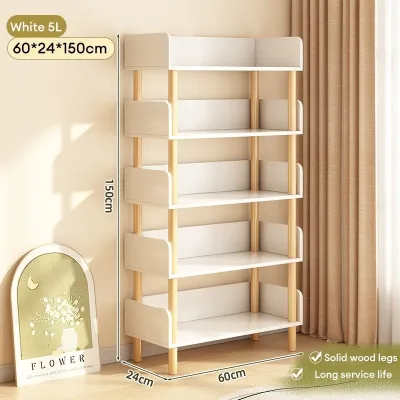
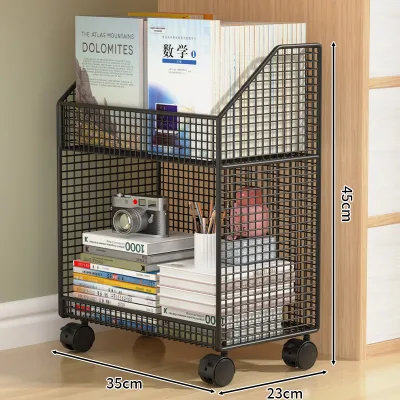
![[SG Stock] Bookcase Shelves Household Living Room Shelves Random Combination Of Storage /Complimentary Backplane](https://img.lazcdn.com/g/p/a63b6137d178423369e0951c109a7d58.jpg_webp_400x400q80.jpg_.webp)
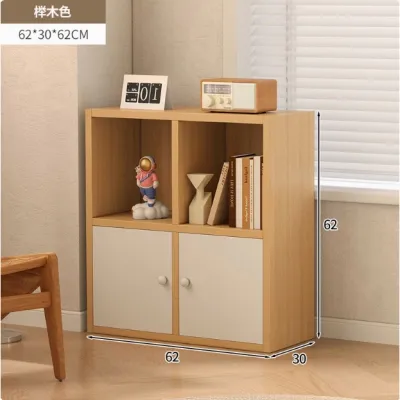
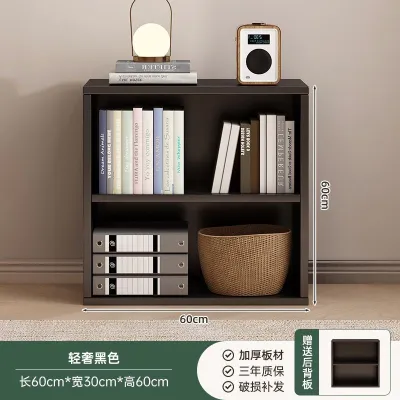
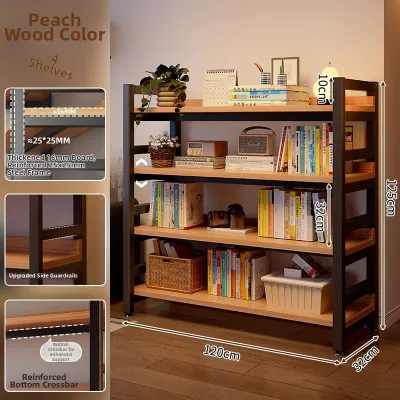
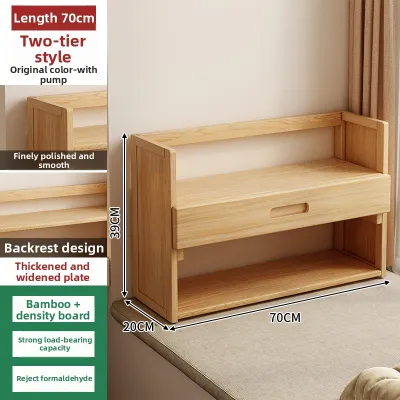
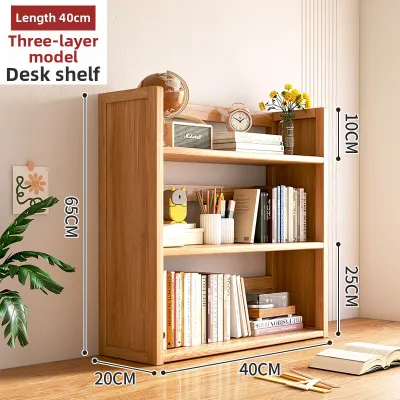
Prices are valid at publication and may change. Please refer to the product page for the latest price.
Finally, verify the entire delivery path from the building entrance to your room. Many homeowners purchase a beautiful, fully assembled bookcase only to find it cannot fit inside the estate’s passenger lift, through narrow corridor turns, or past the front door frame. Measure the height, width, and diagonal clearance of your lift doors and entryway. If these dimensions are tight, prioritize flat-packed bookshelves that can be transported in individual boxes and assembled directly inside the designated room.
Match Bookshelf Dimensions to Your Storage Needs
The dimensions of your bookshelf should directly reflect the items you intend to store. Standard paperbacks and novels typically require a shelf depth of only 20 to 25 centimeters. If you primarily collect oversized art books, academic binders, or decorative storage boxes, you will need a deeper shelf of 30 to 35 centimeters. Choosing a shelf that is too deep for small novels wastes precious floor space in a compact room, while a shelf that is too shallow causes books to overhang, creating a cluttered appearance and a tipping hazard for the items themselves.

Opting for adjustable shelving is highly recommended over fixed shelves. Fixed shelves limit your storage options and often result in wasted vertical space above shorter books, or force you to store taller volumes horizontally. Adjustable shelves use peg-and-hole systems that allow you to customize the height of each compartment. This flexibility lets you maximize every vertical centimeter of the bookcase and easily adapt the layout as your collection evolves over time.
You must also evaluate the weight of your collection to prevent the shelves from sagging. Books are incredibly heavy when packed together, and thin particleboard shelves can bow under the weight over time. Check the manufacturer’s specified load capacity per shelf before buying. For heavy textbooks, dense encyclopedias, or ceramic ornaments, look for shelves made of solid wood, thick plywood, or reinforced metal. Additionally, shorter shelf spans—typically under 80 centimeters—are much less prone to sagging than wide, unsupported spans.
Evaluate Bookshelf Configurations for Compact Spaces
When floor area is limited, standard wide bookcases may not be practical. You must choose configurations that optimize vertical space or utilize empty walls, while performing necessary structural and safety checks for each type.
Tall and Narrow Bookcases
Tall and narrow bookcases are excellent for maximizing storage capacity while occupying a minimal floor footprint. By utilizing the vertical space up to your ceiling, you can store a substantial book collection without sacrificing valuable floor area in a small study or living room. However, these units naturally have a higher center of gravity, which makes them inherently prone to tipping forward if they are unevenly loaded, bumped, or subjected to accidental pulling.
To mitigate this risk, securing the unit to the wall with anti-tip anchoring hardware is absolutely mandatory. Most reputable manufacturers include wall-anchoring brackets and straps with tall furniture. Never skip installing these safety devices, especially if you plan to store heavier items on the upper shelves. Ensure the anchor is rated for the weight of the fully loaded bookcase to guarantee long-term stability.
Wall-Mounted and Floating Shelves
Wall-mounted and floating shelves free up floor space entirely, making them ideal for tight corridors, bedrooms, or study corners. However, their weight capacity depends heavily on your wall type. In Singapore, internal walls are typically either solid concrete structural walls or partition drywall. Concrete walls offer excellent load-bearing capacity but require a hammer drill and heavy-duty masonry wall plugs to secure the brackets.
Drywall partitions require specialized hollow-wall anchors or toggle bolts, and shelves must ideally be screwed directly into the internal metal or wood studs. Always respect the manufacturer’s load limits and distribute the weight evenly across the shelf to prevent structural failure or wall damage.
Avoid Common Sizing and Placement Mistakes
A frequent mistake is forgetting to calculate the diagonal clearance needed to stand a tall bookshelf upright. If you assemble a tall bookcase flat on the floor, the diagonal measurement of the unit must be less than your ceiling height, or it will get wedged against the ceiling when you try to lift it.
Placement is just as important as size. Avoid placing a large bookcase where it blocks natural light from windows or restricts the flow of foot traffic through narrow walkways. Ensure it does not obstruct the airflow of your air conditioning unit or mechanical ventilation systems, which can lead to mold growth on both the wall and your books due to trapped humidity.
Finally, do not buy a bookshelf that only accommodates your current collection. Book collections tend to grow. Purchasing a unit that is already at maximum capacity means you will soon need additional storage, cluttering your home further. Leave at least twenty percent of the shelf space free for future acquisitions.
Frequently Asked Questions (FAQ)
How much clearance should I leave above and around a bookshelf?
Leave at least 5 to 10 centimeters of clearance above the top of the bookshelf and along the sides. This gap ensures adequate airflow, which is crucial in humid climates to prevent mold and mildew from developing behind the furniture. It also provides enough visual breathing room so the room does not feel cramped, and allows physical access for dusting and cleaning the top surface.
Do I need to anchor a bookshelf to the wall in a rented apartment?
Yes, anchoring tall or heavy bookcases is a critical safety measure to prevent tipping accidents, particularly if you have children or pets. In a rented apartment, review your tenancy agreement regarding drilling holes in walls. Most landlords permit minor drilling for safety fixtures, provided you agree to patch and paint the holes properly when your lease ends. Always consult your landlord or property agent before drilling to avoid disputes.
Community discussion
Share your experience or ask a question. Comments are reviewed before publication.