
Choosing the right bookcase size for a Singapore apartment requires balancing your storage needs with the physical realities of compact urban living. Whether you are furnishing a newly renovated HDB flat or a cozy condominium unit, selecting the wrong dimensions can quickly make a room feel cramped or leave you with shelves that sag under the weight of your collection. To find the perfect fit, you must evaluate your available floor area, wall height, and the specific items you plan to store.
By taking precise measurements and understanding how different shelving configurations interact with your home’s layout, you can maximize your vertical space without sacrificing floor clearance. This guide outlines the essential steps to measure your space, match bookcase designs to your room layout, assess weight capacities, and ensure a safe, seamless installation.
Measure Your Available Space and Clearance
Before browsing online marketplaces or visiting local furniture showrooms, you must establish the exact physical boundaries of your designated wall space. Start by measuring the total width of the wall, the floor-to-ceiling height, and the maximum depth the room can accommodate without blocking walkways. Use a reliable metal measuring tape and record the dimensions in millimeters to ensure accuracy when comparing products.
Products mentioned in this guide
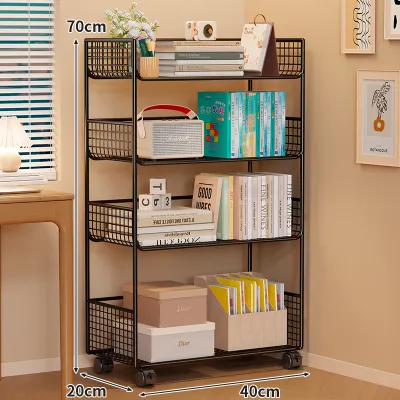
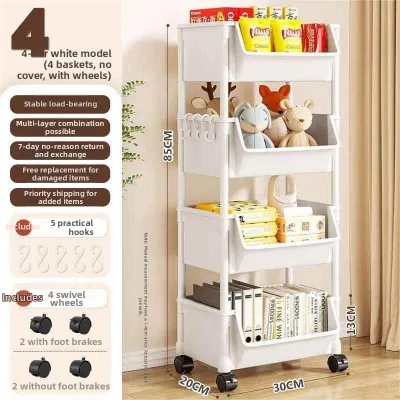
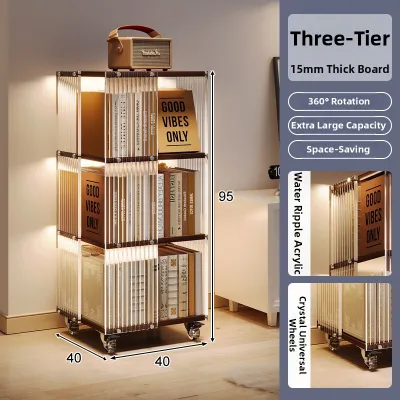
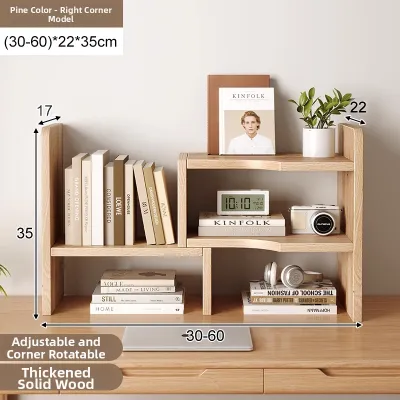
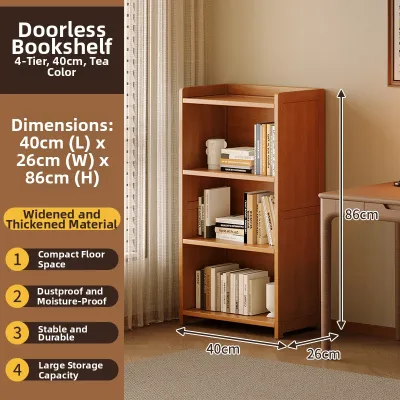
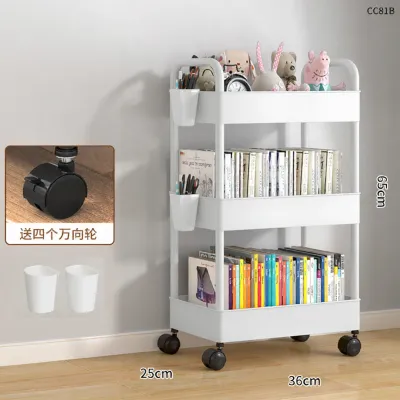
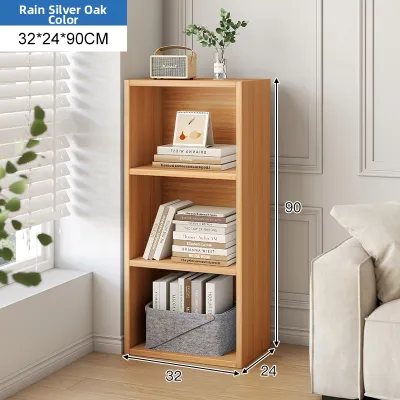
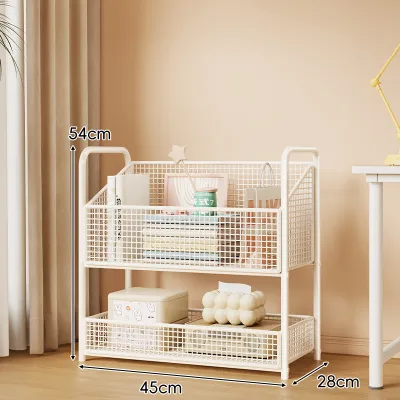
Prices are valid at publication and may change. Please refer to the product page for the latest price.
Do not rely solely on your apartment’s floor plan, as actual built dimensions often vary slightly from the blueprints. Measure the specific zone where the furniture will stand, taking note of any architectural features that might obstruct a flush fit. Skirting boards along the base of the wall can push a bookcase forward by several millimeters, which may prevent it from sitting completely flat against the wall unless the unit features a baseboard cutout.
Additionally, look upward and check for air-conditioning trunking, structural beams, or light switches that could interfere with a tall shelving unit. In Singapore apartments, exposed trunking is common and can significantly reduce the usable height or depth of a wall. If your bookcase is too deep, it may block access to power outlets, data ports, or wall-mounted fan brackets, so plan your placement to keep these utilities accessible.
Finally, consider the traffic flow around the bookcase. Leave ample clearance in front of the shelves so you can stand, bend down, and browse comfortably. If the bookcase is placed near a doorway or wardrobe, measure the swing path of the doors to ensure they can open fully without striking the shelving. A minimum clearance of 90 centimeters in high-traffic corridors is generally recommended to maintain comfortable movement.
Match Bookcase Dimensions to Your Room Layout
Different room layouts in Singapore apartments demand distinct bookcase shapes and sizes to optimize space efficiency. For tight corridors, narrow entryways, or spaces adjacent to household shelters, tall and narrow shelving units are highly effective. These vertical designs draw the eye upward, making the ceiling feel higher while occupying minimal floor area. They provide excellent storage for novels and small decorative items without encroaching on essential walking paths.

In contrast, wide and low bookcases are ideal for spaces beneath windows or as part of a living room media wall. Placing a low shelving unit under a window utilizes an otherwise neglected area without blocking natural light or views. These units can also double as console tables, offering a flat top surface for displaying plants, framed photos, or keys near the entryway.
For compact bedrooms or study rooms where floor space is at a premium, wall-mounted shelves or floating bookcases are excellent alternatives. By lifting the storage off the ground, you keep the floor area clear, which makes the room feel larger and easier to clean. Floating shelves are highly customizable, allowing you to arrange them around existing furniture like desks or beds to suit your specific storage habits.
When choosing between these configurations, consider the overall visual balance of the room. A massive, dark wood bookcase can overwhelm a small study, whereas a light-colored, open-backed shelving unit can make the same space feel airy and bright. Match the scale of the furniture to the scale of the room to create a harmonious and functional living environment.
Evaluate Storage Capacity and Load Requirements
A bookcase must not only fit your room but also safely support the items you intend to place on it. To determine the necessary shelf depth, measure the largest items in your collection. Standard paperbacks and novels typically require a shelf depth of 20 to 25 centimeters, while larger textbooks, art books, and office binders may need 30 centimeters or more. Choosing a shelf that is too shallow will cause your books to overhang, creating a cluttered look and increasing the risk of accidental falls.
Weight capacity is another critical factor that directly affects the longevity and safety of your shelving. Books are surprisingly heavy, and overloading a shelf can cause the material to bow, crack, or pull away from its supports over time. Before purchasing, check the manufacturer’s specified weight limit per shelf, which is often determined by the material and construction of the unit. Solid wood and metal shelves generally offer higher load capacities than thin particleboard or medium-density fibreboard (MDF).
To prevent sagging, look for bookcases with shorter shelf spans or reinforced support brackets. A shelf span of more than 80 centimeters without middle support is highly susceptible to bowing under heavy loads. If you plan to store a mix of heavy reference books, lightweight paperbacks, and decorative objects, prioritize bookcases with adjustable shelf heights. This flexibility allows you to customize the vertical spacing, ensuring that heavy items can sit securely on lower shelves while maximizing the use of upper levels.
Verify Delivery Access and Installation Safety
Even the most beautiful bookcase is of no use if it cannot physically enter your home. Before finalizing your purchase, measure the dimensions of your apartment building’s lift, the width of the stairwells, and the clearance of your main entrance door. Large, pre-assembled bookcases or long flat-pack boxes can be difficult to maneuver around tight corners or inside standard residential lifts. Confirm these dimensions with your delivery provider to avoid costly return fees or delivery failures.
Once the bookcase is inside your apartment, securing it properly is paramount for household safety. Tall bookcases—typically those exceeding 120 centimeters in height—pose a serious tip-over hazard if they are not anchored to the wall. This risk is especially high when shelves are loaded unevenly or if heavy items are placed near the top. Most manufacturers include wall-anchoring hardware with their products, which must be installed according to the provided instructions.
The effectiveness of your wall anchor depends heavily on your apartment’s wall structure. In Singapore, walls can be made of solid concrete, hollow bricks, or drywall partitions. Concrete walls, such as those found in HDB household shelters or structural pillars, require heavy-duty masonry plugs and a hammer drill for installation. Drywall partitions require specialized hollow-wall anchors to distribute the weight safely. If you are unsure about your wall type or lack the necessary tools, stop and consult a qualified professional handyman to handle the drilling and mounting securely.
Frequently Asked Questions (FAQ)
Can I place a bookcase in front of a household shelter door?
No, you should never place a bookcase or any other heavy furniture directly in front of a household shelter door. In Singapore, these reinforced steel doors lead to designated emergency shelters that must remain fully accessible at all times. Blocking the door violates safety guidelines and can prevent rapid entry during an emergency. If you are short on space, opt for lightweight, easily movable storage units nearby, or ensure that any adjacent shelving is positioned well clear of the door’s swing path.
How much gap should I leave behind a bookcase for ventilation?
It is highly recommended to leave a gap of at least 2 to 5 centimeters between the back of your bookcase and the wall. Singapore’s humid tropical climate can cause moisture to trap in tight, unventilated spaces, leading to mold growth on both your walls and your books. Check your manufacturer’s care instructions for specific clearance recommendations. Maintaining a small gap allows air to circulate freely, protecting your furniture, books, and wall finishes from dampness and mildew.
Community discussion
Share your experience or ask a question. Comments are reviewed before publication.