
Choosing the right bed riser is a straightforward way to customize your sleeping environment, but it requires more than simply picking a set of blocks from a shelf. A bed that sits too low can make daily transitions in and out of bed physically taxing, while also leaving valuable under-bed real estate completely unused. However, installing incompatible or weak risers can compromise the structural integrity of your bed frame, damage your flooring, or even cause the entire bed to collapse. To make a safe and practical choice, you must evaluate your bed frame’s leg design, calculate the total weight capacity required, and select a riser style that matches your room’s functional and aesthetic needs.
Assess Your Bed Frame Leg Shape and Material
Before browsing for bed risers, you must thoroughly examine the physical characteristics of your bed frame’s legs. Bed frame legs come in a wide variety of shapes, including square, round, tapered, and angled designs. Using a precise measuring tape, measure the exact width and depth of the very bottom of each leg. This measurement is critical because the leg must fit entirely within the recessed cup or top platform of the riser; a leg that hangs over the edge of a riser will create severe instability and concentrated stress points.
Beyond the shape, the material of your bed frame legs dictates how they will interact with a riser. Wooden legs, metal posts, and upholstered frame supports distribute weight differently. Inspect how the legs are attached to the main frame—whether they are secured with heavy-duty bolts, screwed directly into wooden joints, or welded as part of a metal frame. If the legs are already showing signs of wear, such as split wood, loose joints, or bent metal, adding risers will only exacerbate these structural weaknesses.
Products mentioned in this guide


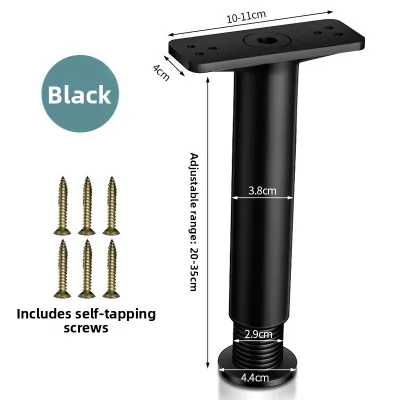



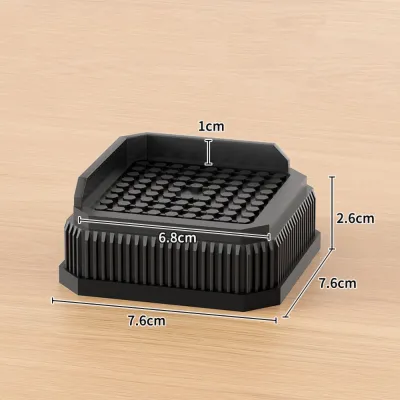
Prices are valid at publication and may change. Please refer to the product page for the latest price.
The interface of the riser must match your leg type to prevent slipping. For standard straight legs, a riser with a deep recessed cup is ideal because it physically walls in the leg, preventing it from sliding off the edge. If your bed frame features wide, angled legs or a central support beam, a flat-top riser or an adjustable clamp-on design may be necessary. It is also important to identify bed frames that are completely incompatible with risers. For example, platform bases that sit flush against the floor, or frames with thin, fragile decorative legs, should never be elevated using standard risers, as they lack the distinct, load-bearing legs required to sit securely inside a riser cup.
Calculate the Total Weight Capacity Required
Selecting a bed riser with the correct weight capacity is the most critical safety step in this process. To determine the minimum load capacity your risers must support, you must calculate the combined weight of every element resting on them. Start with the weight of the bed frame itself, then add the weight of the mattress and any foundation or box spring. Because high-quality mattresses and solid wood or steel frames can be surprisingly heavy, do not guess these numbers; check your original purchase specifications or product manuals where possible.

Next, add the maximum expected weight of the occupants. This includes the weight of all sleepers who regularly use the bed, plus a generous allowance for pets or children who might jump onto the bed. You should also account for heavy bedding, such as thick winter duvets, and the weight of any storage boxes that might hang directly from the frame rather than resting on the floor.
Once you have calculated this total combined weight, you can determine the capacity required per riser. Most bed riser sets state their weight capacity based on a set of four or six support points. To find the load each individual riser must bear, divide your total calculated weight by the number of legs your bed frame has. However, weight is rarely distributed perfectly evenly across a bed, especially when people move or sit on the edge. Therefore, always add a safety margin of at least 25% to your total weight calculation. When shopping, look for verified load ratings on the product packaging or manufacturer specifications rather than assuming a material like wood or heavy-duty plastic is automatically strong enough to support your bed.
Select the Right Bed Riser Height and Style
Once you have established the physical compatibility and weight requirements, you can focus on the height and style of the risers. Begin by measuring your desired under-bed clearance. If you plan to store specific plastic storage bins or accommodate a robotic vacuum cleaner, measure the height of those items first, then select a riser height that provides at least two to three centimeters of extra clearance. Keep in mind that elevating the bed too high can make getting into and out of bed difficult, particularly for shorter individuals or those with limited mobility.
Bed risers are available in several styles, each offering distinct advantages. Standard molded plastic risers are lightweight and often budget-friendly, but they must be checked for internal structural ribbing to ensure they can handle heavy loads without cracking. Solid wood risers offer excellent stability and a more premium, furniture-like appearance that blends seamlessly with wooden bed frames. Metal risers, often made of steel or heavy-duty aluminum, provide exceptional strength and a minimalist, industrial look. Adjustable risers, which allow you to stack interlocking segments or adjust a screw mechanism, offer flexibility but must be verified for stability at their maximum height setting.
The base footprint of the riser is another crucial factor to consider. A riser with a wide, flared base distributes the heavy load of the bed over a larger surface area of your floor. This is particularly important if your bedroom has soft flooring like vinyl, parquet, or carpet, where concentrated weight can cause permanent indentations or tears. Finally, consider the visual impact of the risers. Choosing a color and finish that matches either your bed frame or your flooring will help the risers blend into the room’s decor rather than standing out as an obvious modification.
Safety Checks and Installation Steps
Installing bed risers requires careful execution to prevent injury or damage to your furniture. Never attempt to install bed risers alone; always enlist the help of a partner to lift the bed frame while you position the risers. Before starting, clear the area around the bed and remove any fragile items from nearby nightstands to prevent accidental damage during the lift.
To begin the installation, have your helper lift one corner or one side of the bed frame at a time. Carefully slide the riser underneath the leg, ensuring the leg is perfectly centered within the recessed cup or on the flat platform of the riser. Slowly lower the bed frame leg into the riser, checking that it sits fully flat and does not rest on the outer rim. Repeat this process for all remaining legs, including any central support legs. Many modern queen and king-size beds feature one or two central support legs; neglecting to place risers under these central supports will cause the frame to sag, warp, or break under weight.
Once all risers are in place, perform a thorough stability check. Gently shake the bed frame from different angles to ensure there is no wobbling, shifting, or sliding. If you are installing the risers on hard flooring surfaces like hardwood, laminate, or ceramic tiles, place non-slip rubber pads or heavy-duty felt protectors underneath the base of each riser. This prevents the risers from sliding when you get into bed and protects your floors from scratches. If you notice any flexing in the bed frame, if the risers show signs of stress or cracking, or if the bed feels unstable, remove the risers immediately and consult the bed frame manufacturer or a professional furniture installer.
Frequently Asked Questions (FAQ)
Can I use bed risers on a bed frame with wheels or casters?
Using standard bed risers on a frame with wheels or casters poses a significant safety risk, as the wheels can easily roll or shift inside the riser cup, causing the bed to tip over. If your bed frame has casters, the safest approach is to remove the wheels entirely before placing the legs into the risers, provided the frame design allows for safe removal. Alternatively, you must look for specialized bed risers that feature deep, locking caster wells or built-in straps designed specifically to secure wheeled legs in place.
Will bed risers damage my hardwood or tile floors?
Because bed risers concentrate the entire weight of the bed, mattress, and sleepers onto a few small areas, they can cause scratches, dents, or cracks on hardwood, laminate, and tile floors. To prevent this damage, choose risers with a wide base footprint that distributes the weight over a larger surface area. Additionally, ensure the bottom of each riser is equipped with a built-in rubber or felt pad, or add high-quality aftermarket furniture pads to act as a protective barrier between the riser and your floor.
Is it safe to stack multiple bed risers to get more height?
You should never stack separate, standard bed risers on top of one another unless they are explicitly designed and certified by the manufacturer as an interlocking, stackable system. Stacking non-interlocking risers severely compromises the stability of the bed, creating a high risk of slipping, shifting, and catastrophic structural failure under load. If you require a significant amount of extra height, it is always safer to purchase a single-piece, heavy-duty riser designed specifically for your target height.
Community discussion
Share your experience or ask a question. Comments are reviewed before publication.