
Finding the perfect bar stool involves balancing precise measurements with the specific demands of your living space. Whether you are furnishing a compact kitchen island in a Singapore HDB flat, setting up a dedicated home bar for weekend entertaining, or creating a cozy alfresco nook on your balcony, the right seating must fit both your physical dimensions and your lifestyle. By matching the stool’s height to your counter and selecting materials tailored to each environment, you can create a comfortable, functional, and visually cohesive space.
How to Measure and Match the Right Bar Stool Height
To ensure a comfortable seating experience, the most critical step is measuring the distance from the floor to the underside of your counter or table. A standard rule of thumb for comfortable seating is to allow a clearance of approximately 25 to 30 centimeters between the top of the stool seat and the underside of the counter. This gap provides sufficient legroom for most adults to sit comfortably without their knees pressing against the structure, while also allowing enough space to cross their legs.
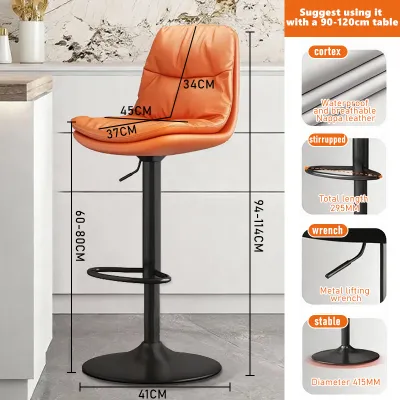
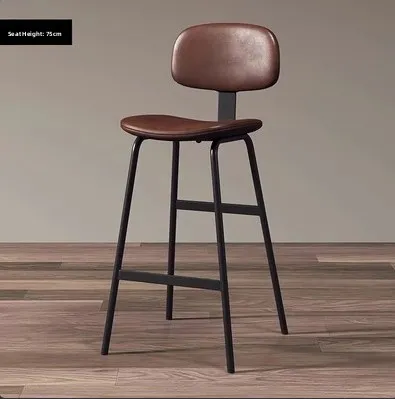
When shopping for seating, you will generally encounter two primary categories: counter-height stools and bar-height stools. Counter-height stools typically feature seat heights ranging from 60 to 65 centimeters, making them ideal for standard kitchen counters or islands that stand around 90 centimeters tall. Bar-height stools, on the other hand, usually have seat heights between 75 to 80 centimeters, which align with dedicated bar counters or high-top tables that measure roughly 100 to 105 centimeters from the floor.
Products mentioned in this guide
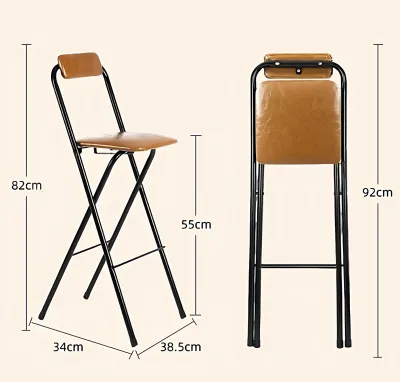
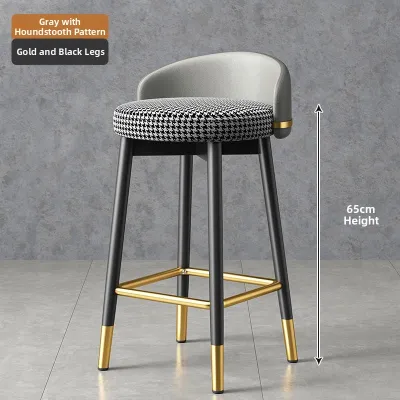
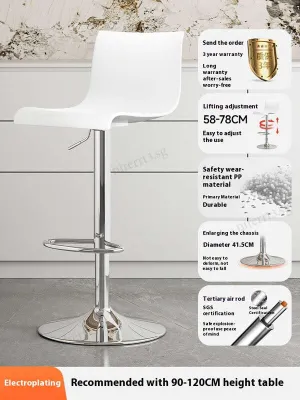
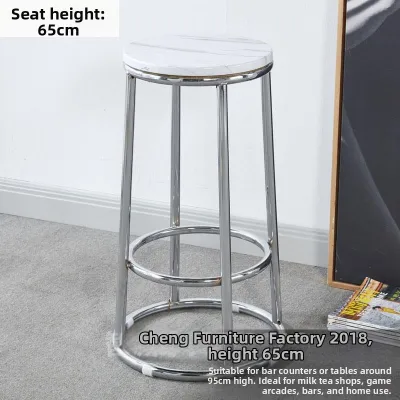
Prices are valid at publication and may change. Please refer to the product page for the latest price.
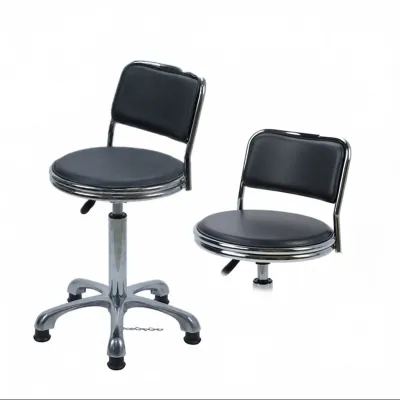
Before finalizing any purchase, it is highly recommended to measure your specific counter height twice to avoid alignment errors. If your household features family members of varying heights, or if you plan to use the seating across different surfaces, adjustable-height stools equipped with gas-lift mechanisms offer excellent versatility. Always consult the manufacturer’s detailed sizing charts and product specifications to verify the exact seat height, especially since cushion compression can slightly alter the active seating level.
Choosing Bar Stools for Your Kitchen Island
The kitchen island often serves as the multi-functional hub of the modern home, hosting everything from quick morning breakfasts and meal preparation to remote work sessions. Because you are likely to spend extended periods sitting at the island, prioritizing ergonomic features is essential. Look for stools that offer supportive backrests and integrated footrests, which help maintain natural spinal alignment and reduce fatigue during longer periods of use.

In many Singapore apartments, maximizing floor space is a key design priority. If your kitchen layout is compact or features high-traffic walkways, space-saving stool designs can keep the area uncluttered. Armless stools or low-profile designs can easily be tucked completely under the island counter when not in use, keeping your walkways clear. Alternatively, if you only require extra seating occasionally, stackable stools can be stored in a utility closet and brought out only when guests arrive.
Kitchen environments are inherently prone to spills, splashes, and grease. When selecting upholstery, look for materials that are straightforward to clean and maintain. Faux leather, treated fabrics, and molded plastics can usually be wiped down with a damp cloth to remove food residue. Always check the manufacturer’s care labels and cleaning instructions to ensure the materials can withstand regular wiping without degrading or losing their color over time.
Selecting Bar Stools for a Home Bar
A dedicated home bar is designed for socializing, relaxation, and entertainment, meaning the aesthetic appeal of your stools should complement the overall theme of the room. Whether your home bar leans toward a sleek modern look, a warm rustic tavern style, or a minimalist contemporary design, the stool’s frame finish and seat texture should harmonize with your existing decor. Consider how metal finishes, wood grains, or textured fabrics interact with the bar counter’s material to create a cohesive visual flow.
In social settings, movement and ease of interaction are vital. Swivel-base bar stools are highly functional in entertainment areas because they allow guests to turn easily to face different conversations, watch a television screen, or step away from the bar without physically dragging the stool across the floor. This smooth rotation enhances the dynamic flow of the room and makes entering and exiting the seating area much more convenient.
Because home bars often host lively gatherings, stability and structural integrity are paramount safety considerations. Before purchasing, carefully review the manufacturer’s specified weight capacity and stability ratings. Stools with a wider, heavier base or sturdy four-legged frames tend to offer greater resistance to tipping during active use. Checking these specifications ensures that your entertainment area remains safe and comfortable for all your guests.
Picking Bar Stools for Balcony and Semi-Outdoor Areas
Furnishing a balcony or semi-outdoor area in Singapore requires careful consideration of the local tropical climate. High humidity, intense sunlight, and occasional driving rain can quickly damage indoor furniture. It is crucial to verify material suitability by strictly checking the manufacturer’s outdoor specifications and care guidelines. Look for materials engineered to withstand moisture and UV exposure, such as powder-coated aluminum, synthetic wicker, or specially treated weather-resistant woods.
Balcony spaces in high-rise apartments are often narrow, requiring a thoughtful approach to layout and furniture footprint. Opting for lightweight or foldable bar stools allows you to easily rearrange the setup depending on the weather or the number of guests. Foldable designs are particularly useful because they can be stored flat against a wall or inside the home during heavy downpours, preserving the longevity of the materials.
Safety must remain a primary concern when arranging furniture on a balcony. Ensure that the footprint of the bar stools fits comfortably within the usable floor area without blocking essential walkways, sliding door tracks, or emergency exit routes. Additionally, position the stools at a safe distance from the balcony railing to prevent any accidental tipping hazards, keeping the outdoor relaxation area both peaceful and secure.
Evaluating Style, Comfort, and Versatile Features
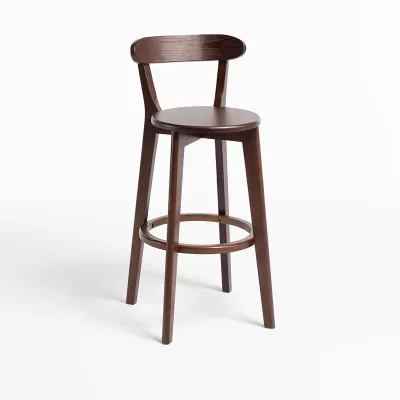
When finalizing your bar stool selection, comparing the long-term maintenance and durability of different materials will help you make a lasting investment. Metal frames offer excellent structural strength and a modern aesthetic, but they should be checked for protective coatings to prevent rust in humid environments. Wooden frames provide classic warmth and stability but may require periodic tightening of joints or specialized wood conditioners to maintain their appearance over the years.
If you value flexibility and have limited storage space, consider multi-purpose stools designed to transition seamlessly between indoor and outdoor environments. These versatile options allow you to use the stools at your kitchen island for daily meals, and then easily carry them out to the balcony when hosting an evening gathering. Selecting lightweight, weather-resistant designs makes this transition effortless while maximizing the utility of your furniture.
Finally, pay close attention to the practical details of delivery and setup before making your purchase. Review the assembly requirements to determine if you will need specialized tools or professional installation services. Additionally, check if the stools come equipped with high-quality floor protection pads to safeguard your interior flooring, and verify the manufacturer’s warranty conditions to ensure coverage against structural defects.
Frequently Asked Questions (FAQ)
Can I use counter-height stools at a standard bar-height table?
Using counter-height stools at a standard bar-height table is generally not recommended due to the significant height mismatch. Because counter-height stools sit lower, the gap between the seat and the bar-height tabletop will be excessively large, leading to uncomfortable posture, strained shoulders, and an awkward dining experience. If you must use the same stools across surfaces of varying heights, look for models with adjustable gas-lift mechanisms that allow you to safely customize the seat height to match the table.
How do I protect my flooring from bar stool damage?
To protect your flooring from scratches, scuffs, and dents, always check the bottom of the stool legs or base. Installing felt pads, rubber caps, or plastic glides designed specifically for your floor type—whether it is hardwood, vinyl, or tile—creates a protective barrier that absorbs friction. Regularly inspect these protective pads for wear and tear, and replace them promptly when they become thin or collect abrasive dust, ensuring your floors remain undamaged over time.
Community discussion
Share your experience or ask a question. Comments are reviewed before publication.