
Finding the perfect storage solution for your entryway starts with understanding how much footwear you actually need to store. Selecting the right bamboo rack capacity allows you to keep your home organized, clean, and free of clutter. In Singapore, where residential space in HDB flats and condominiums is highly optimized, an oversized rack can block vital walkways, while an undersized one leads to an unsightly pile of shoes by the door. Achieving the right balance requires evaluating your household’s daily habits, measuring your foyer with precision, and understanding how bamboo furniture interacts with the local tropical climate.
Assessing Your Household's Shoe Storage Needs
Before browsing product listings, you must conduct a realistic audit of your household’s footwear collection. Begin by counting the total number of shoes owned by every member of the family. It is helpful to divide this total into two distinct categories: daily active wear and long-term storage. Active footwear includes the sneakers, school shoes, and work flats that family members wear multiple times a week. Long-term storage covers formal dress shoes, high heels for special occasions, and seasonal footwear that can be kept elsewhere, such as in bedroom wardrobes.
The physical profile of your shoes directly impacts the type of shelves you need. A flat pair of sandals or children’s sneakers takes up minimal vertical space, whereas high-top sneakers, heavy work boots, and high heels require taller clearances. If you store bulky footwear on standard shelves, you risk crushing the materials or bending the shoe collars, which shortens their lifespan. For households with young children, remember that kids’ shoes are small now, but their shoe sizes will grow rapidly, and their collection will expand as they enter school and take up sports.
Products mentioned in this guide
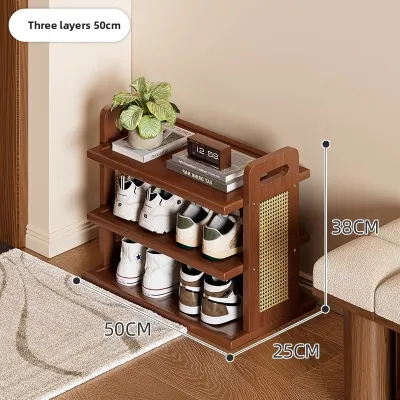
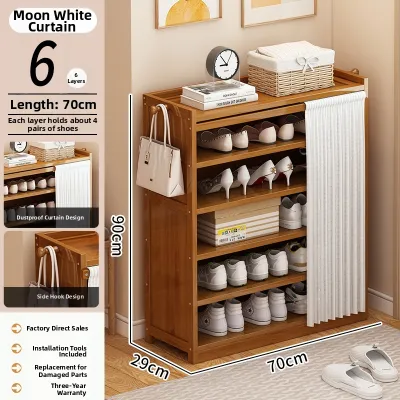
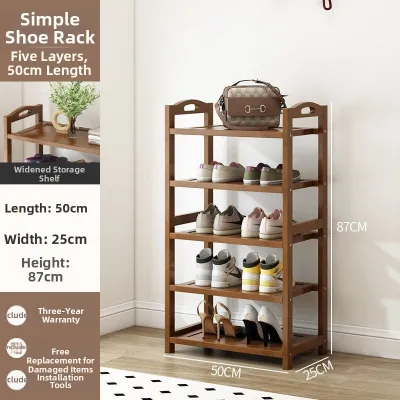
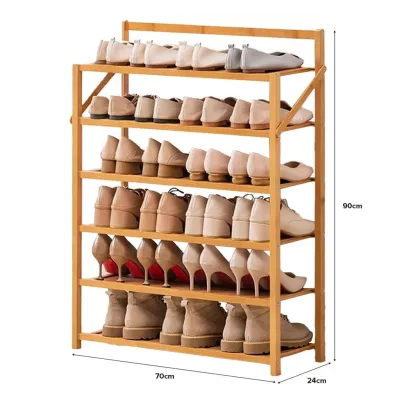
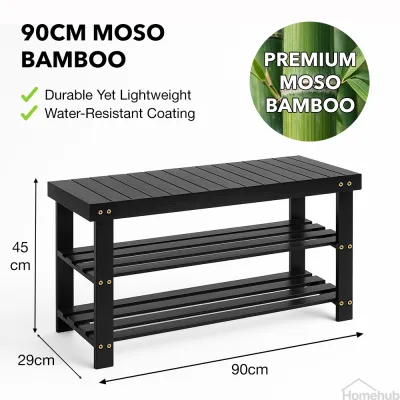
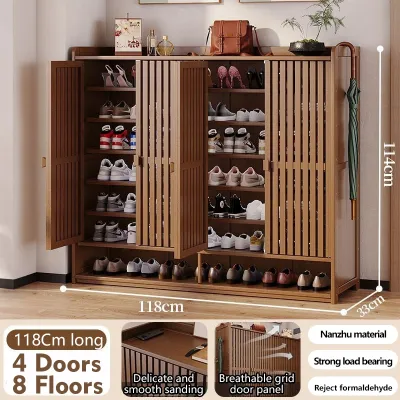
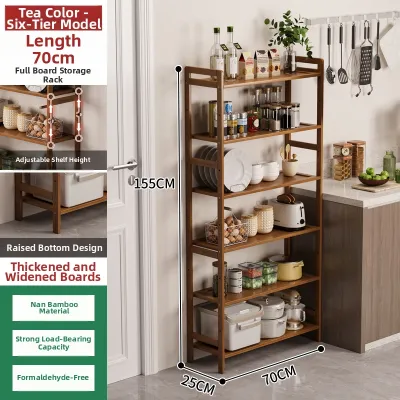
Prices are valid at publication and may change. Please refer to the product page for the latest price.
Household dynamics also dictate your storage strategy. A single professional living in a studio apartment may only need to store 8 to 10 pairs of shoes near the entrance. A couple might require space for 15 to 20 pairs to cover both professional and casual environments. For larger families, the demand can easily escalate to 30 or more pairs. If you do not plan for this capacity upfront, shoes will inevitably spill onto the floor, creating a tripping hazard right inside your front door.
To maintain an organized entryway, aim to store only your active rotation near the door. A good rule of thumb is to allocate space on your main entryway rack for 3 to 4 pairs per person. Any additional footwear should be cleaned, conditioned, and stored in secondary closets or under-bed storage boxes. This division keeps your foyer looking spacious and prevents the entryway from becoming a chaotic dumping ground.
Measuring Your Entryway and Available Space
Once you have a clear picture of your capacity requirements, you must measure your available floor space with absolute accuracy. Use a metal measuring tape rather than a flexible fabric one to ensure precise numbers. Measure the maximum width, depth, and height of the area where you intend to place the rack. Do not rely on floor plans alone, as actual built dimensions can vary slightly from architectural drawings.

When measuring the depth of your entryway, pay close attention to skirting boards, baseboards, and door moldings. These architectural features often prevent furniture from sitting completely flush against the wall. A bamboo rack that is advertised as 30 centimetres deep might actually require 32 centimetres of clearance once you account for the protrusion of the skirting boards. Failing to account for this minor difference can result in a rack that protrudes into your main walkway.
Vertical clearance is equally critical, especially if you plan to position the rack beneath other household fixtures. If your entryway features a wall-mounted mirror, a console table, or electrical distribution boards, measure the distance from the floor to the bottom of these items. You must leave a minimum of 10 to 15 centimetres of open space above the top shelf of your rack. This clearance ensures you can easily place and retrieve shoes from the top tier without scraping your knuckles against the wall or blocking access to utility panels.
In Singapore’s high-density residential layouts, door swing radiuses and corridor clearances are vital safety considerations. Measure the swing arc of your main door, as well as any nearby bedroom or kitchen doors. The rack must sit entirely outside this path so that doors can open to a full 90-degree angle without striking the furniture. Additionally, you must maintain a clear, unobstructed walkway of at least 90 centimetres throughout your foyer to allow residents, guests, and delivery personnel to pass through comfortably.
Finally, consider the environmental conditions of your chosen location. Singapore’s tropical climate brings high humidity levels that can promote mold growth on natural materials. To mitigate this risk, avoid placing your rack in tight, unventilated alcoves where air becomes stagnant. Position the rack in an area that benefits from natural cross-ventilation, such as near a window or along a hallway that receives regular airflow. This draft helps dry out damp shoes and keeps the bamboo material in prime condition.
Matching Bamboo Rack Dimensions to Your Space
With your measurements and shoe counts in hand, you can now match these requirements to specific bamboo rack configurations. Bamboo furniture is highly versatile, offering a variety of profiles ranging from tall, narrow towers to wide, low-profile utility benches. Your choice between these designs should be guided by both your available floor space and your aesthetic preferences.
Tall, narrow racks are the ultimate space-savers for compact entryways. A unit with 5 to 7 tiers that is only 50 centimetres wide occupies minimal floor space while maximizing vertical storage. This setup is highly efficient for narrow corridors or small apartment foyers. On the other hand, a wide, low-profile rack with 2 to 3 tiers stretching 90 to 120 centimetres in width offers a more open, spacious look. These wider designs often feature a reinforced top shelf that can double as an entryway bench, providing a stable place to sit while putting on or taking off your shoes.
Tier spacing and shelf adjustability are crucial features to look for when selecting a rack. Standard bamboo racks typically offer a fixed distance of 15 to 18 centimetres between shelves. While this is perfect for flats, sandals, and standard sneakers, it will not accommodate taller footwear. If your collection includes ankle boots, high heels, or high-top boots, look for a rack that features pre-drilled adjustment holes or removable wooden slats. This flexibility allows you to customize the shelf heights to fit your specific footwear mix without wasting valuable vertical space.
To help you plan, consider these general capacity guidelines based on household size:
- Single Households: A compact 3-tier rack with a width of 60 to 70 centimetres is ideal. This configuration comfortably holds 6 to 9 pairs of adult shoes, keeping your daily footwear neatly organized without dominating your entryway.
- Couples: A 4-tier or 5-tier rack with a width of 80 centimetres provides excellent storage for 12 to 15 pairs. This size allows both individuals to keep their primary work and casual shoes easily accessible.
- Families (3 to 4 Members): A large 5-tier or 6-tier rack with a width of 90 to 100 centimetres is recommended, offering space for 20 to 24 pairs. Alternatively, you can place two matching lower-profile units side-by-side to create a seamless, cohesive storage zone that remains easy for children to reach.
Before making a final decision, always verify the manufacturer’s maximum weight capacity per tier. While bamboo is renowned for its impressive strength-to-weight ratio, overloading the shelves can lead to structural failure. A standard bamboo shelf is typically rated to support between 10 and 15 kilograms. If you plan to store heavy leather boots, safety shoes, or use the top shelf to hold heavy shopping bags and decorative items, ensure the rack’s specifications can safely accommodate these loads to prevent the bamboo slats from bowing or cracking over time.
Common Sizing and Placement Mistakes to Avoid
One of the most frequent errors homeowners make is failing to check building management and local safety regulations before placing a shoe rack. In Singapore, the Civil Defence Force maintains strict guidelines regarding corridor clearances in HDB estates and private condominiums. Placing a large rack in a shared corridor can obstruct evacuation routes during an emergency. Always ensure that any furniture placed outside your home leaves a clear escape path of at least 1.2 metres, and verify your specific estate’s bylaws to avoid fines or forced removal.
Another common mistake is overloading the bamboo shelves beyond their structural limits. It can be tempting to squeeze an extra pair of shoes onto a crowded shelf, but this practice restricts airflow around your footwear. Stagnant air traps moisture and sweat inside the shoes, leading to unpleasant odors and mold growth. Furthermore, packing shoes too tightly can scuff delicate leathers, bend shoe counters, and place excessive lateral stress on the bamboo joints, eventually causing the frame to wobble.
Exposure to extreme environmental elements is another hazard that can ruin your furniture. While bamboo is naturally water-resistant, it is not completely waterproof unless treated with specialized outdoor sealants. Placing your rack in direct, harsh afternoon sunlight will cause the bamboo to dry out, fade, and eventually split. Similarly, leaving it in an area vulnerable to heavy rain splashes will cause the wood fibers to swell, warp, and grow mold. Always place your rack in a sheltered, well-ventilated area away from direct weather exposure.
Finally, do not forget to check the delivery box dimensions and the required assembly space. Many bamboo shoe racks are shipped flat-packed to save on transport costs. Ensure that the packaged box can easily fit through your front door and lift lobby. Once the package arrives, clear a spacious, clean area on your living room floor to assemble the rack. Attempting to assemble a multi-tiered furniture piece in a cramped, cluttered hallway increases the risk of scratching the bamboo finish or losing essential screws and dowels during the process.
Frequently Asked Questions (FAQ)
Can I place a bamboo shoe rack outside my apartment door?
Whether you can place a rack outside depends entirely on your building’s management guidelines and local fire safety regulations. In Singapore, HDB and Civil Defence rules require a minimum of 1.2 metres of clear, unobstructed space in common corridors to ensure safe evacuation during emergencies. Additionally, some condominium management committees strictly prohibit any personal belongings in shared corridors. If your building allows it, ensure the rack does not block walkways, and choose a sheltered spot to protect the bamboo from direct rain and intense sunlight.
How do I prevent a tall bamboo shoe rack from tipping over?
Tall, narrow bamboo racks with five or more tiers have a higher center of gravity, making them susceptible to tipping over if bumped or overloaded. This risk is particularly high in households with young children or active pets. To prevent accidents, always secure the rack to the wall using anti-tip hardware. Many manufacturers include wall anchors and safety straps in the packaging. Follow the manufacturer’s instructions carefully to mount the rack securely to a solid wall or wall stud, ensuring the anchor is rated for the weight of a fully loaded rack.
Does bamboo require special care in humid weather?
Yes, bamboo is a natural, porous material that requires basic maintenance to withstand high humidity. To keep your rack in excellent condition, wipe up any liquid spills or water from wet umbrellas immediately using a dry microfiber cloth. Avoid using harsh chemical cleaners, bleach, or abrasive pads, as these can strip away the protective lacquer or varnish. Instead, clean the surface periodically with a damp cloth and a mild, pH-balanced wood soap. Ensure the surrounding area remains well-ventilated to prevent moisture buildup and mold growth.
Community discussion
Share your experience or ask a question. Comments are reviewed before publication.