
Choosing the right mattress firmness is the single most critical decision you will make to ensure restful sleep and prevent chronic morning aches. If you are considering an Azure mattress, matching the firmness level to your primary sleeping position and body weight is essential for maintaining proper spinal alignment. Because everyone distributes weight differently, a mattress that feels perfectly supportive to one person may cause discomfort and stiffness for another.
By understanding how your sleep posture and body weight interact with a mattress’s comfort and support layers, you can make an informed choice. This guide will walk you through self-assessing your physical needs, understanding the mechanics of spinal alignment, matching your profile to the ideal firmness, and verifying your purchase during a home sleep trial.
Assess Your Sleep Posture and Body Weight
To identify your primary sleep posture, do not simply rely on how you lie down when you first go to bed. Instead, note the position you find yourself in when you wake up or when you naturally stir in the middle of the night. This is your true dominant posture, and it dictates where your body requires the most cushioning and structural support.
Products mentioned in this guide
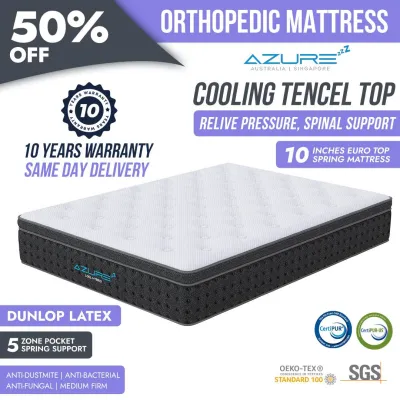

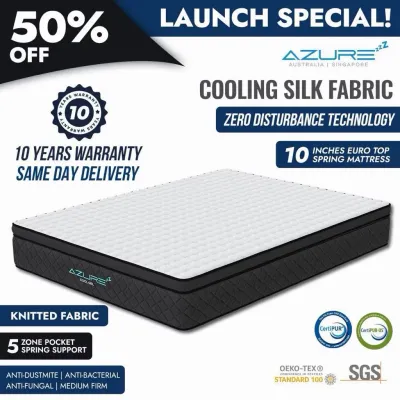
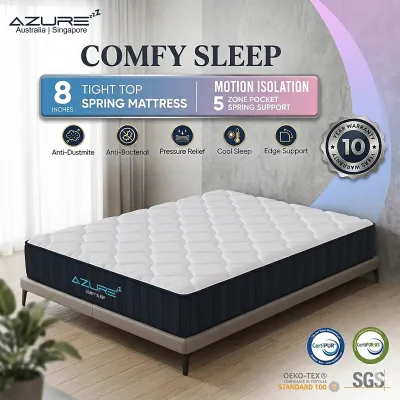
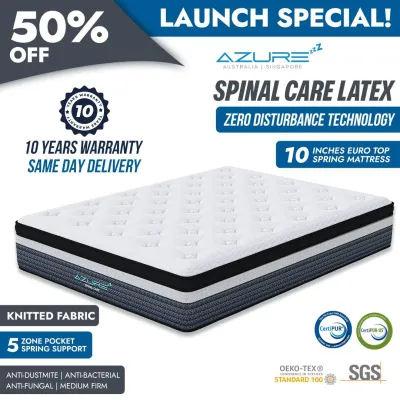
Prices are valid at publication and may change. Please refer to the product page for the latest price.
Body weight acts as the physical force that engages the mattress layers. A lightweight sleeper (under 60 kg) exerts minimal downward pressure. On a firm mattress, they will float on top of the comfort layers without compressing them, which can lead to poor pressure relief and joint pain. Conversely, an average-weight sleeper (60 kg to 90 kg) compresses standard comfort layers predictably, making medium profiles highly versatile. A heavyweight sleeper (over 90 kg) compresses foam layers deeply. If the mattress lacks a robust support core, they will sink straight through the comfort layers and bottom out against the support system, causing spinal misalignment and rapid wear on the materials.
Combination sleepers present a unique challenge because they shift between side, back, and stomach positions throughout the night. They require a responsive mattress surface that adjusts quickly to movement, preventing that “stuck” feeling that makes turning difficult. For these sleepers, a balanced medium-firm hybrid mattress—combining pocketed springs with a responsive comfort layer like latex—is typically the most effective solution.
Before evaluating specific mattress options, complete this simple self-assessment checklist to clarify your sleeping profile:
- Dominant Position: Side, Back, Stomach, or Combination
- Weight Category: Lightweight (under 60 kg), Average (60 to 90 kg), or Heavyweight (over 90 kg)
- Current Discomforts: Shoulder pain, lower back stiffness, hip pressure, or neck strain
- Sleeping Environment: Air-conditioned room (where foam may feel slightly firmer) or fan-cooled room (where foam may feel softer and heat retention is a concern)
Understand How Firmness Affects Spinal Alignment
To choose a mattress effectively, you must understand the critical distinction between support and pressure relief. Support is the upward resistance provided by the mattress’s base layer, typically pocketed coils or high-density support foam. This structural layer keeps the spine in a neutral position, preventing the heavier parts of the body, like the pelvis, from sagging. Pressure relief, or surface comfort, is the performance of the top layers (such as memory foam, natural latex, or micro-coils) that cushion the body’s curves and bony prominences.

The universal firmness scale ranges from 1 to 10, with 1 being extremely soft and 10 being highly rigid. However, firmness is inherently subjective. A mattress rated as a 6 (medium-firm) by a manufacturer might feel like an 8 (firm) to a lightweight sleeper, or a 4 (soft) to a heavier individual. Furthermore, different materials behave differently; memory foam offers a deep, body-hugging contour, while natural latex provides a buoyant, on-the-bed feel.
The ultimate goal of any mattress is to maintain natural spinal alignment. When you lie down, your spine should mimic the posture it maintains when you stand upright with good posture. For side sleepers, this means a straight, horizontal line from the crown of the head to the tailbone. For back and stomach sleepers, it means preserving the gentle, natural curves of the cervical, thoracic, and lumbar regions.
In many traditional households, there is a persistent belief that a rock-hard mattress is the only way to prevent back pain. Physically, however, an overly firm mattress does not conform to the body’s natural contours. This leaves a gap under the lower back, forcing the lumbar muscles to remain tense all night to support the spine. It also creates intense pressure points at the shoulders and hips, restricting blood circulation and causing tossing and turning.
Match Your Profile to the Right Azure Firmness Level
Once you have assessed your sleeping posture and weight, you can map your profile to the appropriate firmness category. This ensures you select a model designed to support your body type.
Side Sleepers
Side sleepers require a softer to medium surface (typically 4 to 6 on the firmness scale). Because the shoulders and hips project outward, they bear the brunt of the body’s weight in this position. A mattress with sufficient contouring allows these joints to sink in slightly, preventing joint pressure and keeping the spine straight. However, heavier side sleepers (over 90 kg) should opt for a medium-firm feel to prevent sinking too deeply and hitting the hard support core beneath the comfort layers.
Back Sleepers
Back sleepers generally benefit from a medium to medium-firm feel (typically 6 to 7 on the scale). This level of firmness provides enough contouring to fill the lumbar gap in the lower back while offering a stable support core that prevents the heavier midsection and pelvis from sagging. If the pelvis sinks too deep, it pulls the spine out of alignment, leading to chronic lower back pain.
Stomach Sleepers
Stomach sleepers require a firm surface (typically 7 to 8 on the scale). Sleeping on the stomach naturally puts the lumbar spine at risk of hyperextension. If the mattress is too soft, gravity pulls the hips and pelvis downward into the bed, bowing the lower back and straining the surrounding muscles and ligaments. A firm surface keeps the pelvis elevated and the spine in a flatter, healthier alignment.
Actionable Verification
To apply these guidelines, visit Azure’s current product pages to cross-reference your profile with their official model specifications. Pay close attention to the construction layers:
- Comfort Layer Materials: Check if the model uses natural latex (which offers a responsive, buoyant medium feel) or memory foam (which provides a deeper, pressure-relieving hug).
- Support Core: Look for individual pocketed spring systems, which offer targeted support and reduce motion transfer between partners.
- Cooling Technologies: In Singapore's hot and humid climate, verify if the mattress features gel-infused memory foam or breathable bamboo covers, as heat retention can make a mattress feel softer and more uncomfortable over time.
- Brand Specifications: Always verify exact model names, proprietary firmness ratings, and layer thicknesses directly with Azure, as product lineups and material formulations can change.
Verify Your Choice During the Home Sleep Trial
No matter how much research you do, the true test of a mattress’s firmness is sleeping on it night after night. This is why utilizing a home sleep trial is essential to verify your choice.
When your new Azure mattress arrives, keep in mind that brand-new foam and pocket springs require a break-in period of approximately 21 to 30 nights. During this time, the materials soften slightly to reach their true, intended firmness. Simultaneously, your body needs time to adjust to the new support system, especially if you are transitioning from an old, sagging mattress that forced your muscles into unnatural compensation patterns.
During the trial period, monitor your sleep quality for signs of a correct fit. A suitable mattress will allow you to wake up without morning stiffness or localized joint pain. You should feel well-supported when sleeping near the edges, and you should not experience excessive tossing and turning or feel stuck when trying to change positions.
Conversely, watch out for warning signs that you have chosen the wrong firmness:
- Too Soft: A dull, aching pain in your lower back upon waking, or a feeling that your hips are sinking much lower than your shoulders.
- Too Firm: Sharp pressure points, numbness, or a tingling sensation in your shoulders, elbows, or hips, particularly if you sleep on your side.
Before finalizing your purchase, carefully review Azure’s specific trial terms, return policy, and warranty conditions in Singapore. Ensure you understand any associated costs, such as return transportation fees or processing charges. Finally, perform a logistical check: measure your HDB or condominium lift, doorways, and stairwells to ensure the mattress can be safely delivered to your bedroom. Confirm whether the delivery team handles old mattress disposal, as managing heavy furniture removal in high-rise apartments requires proper coordination.
Frequently Asked Questions (FAQ)
What if my partner and I prefer different firmness levels?
If you and your partner have different sleeping positions or weight profiles, finding a compromise is key. A medium-firm mattress is often the most successful middle ground, as it offers enough support for back and stomach sleepers while providing decent pressure relief for side sleepers. Alternatively, you can look into dual-firmness options if the brand offers them, or purchase a firmer mattress and apply a localized, high-quality mattress topper (such as a soft latex or memory foam topper) to only one side of the bed. This customizes the surface feel for the partner who needs more cushioning without compromising the support of the other side.
Does a firmer mattress always mean better back support?
No, maximum firmness does not automatically equate to better orthopedic support. True support is a mattress’s ability to keep your spine in a neutral alignment, which requires the mattress to contour to your body’s natural curves. An excessively firm mattress will push against your shoulders and hips, leaving your lower back unsupported and forcing your muscles to remain tense throughout the night. Support comes from the structural core of the mattress, while firmness is simply the feel of the top comfort layers; a mattress can be soft on the surface while still providing excellent deep-down support.
Community discussion
Share your experience or ask a question. Comments are reviewed before publication.