
Selecting the right anti-slip chair pad is a balancing act between securing your furniture and preserving your home’s flooring. In Singapore’s warm, humid climate, choosing the wrong material can lead to trapped moisture, chemical discoloration, or abrasive scratches. The ideal pad depends entirely on whether your floor is hard tile, resilient vinyl, or natural wood parquet.
Quick Reference: Matching Chair Pads to Floor Surfaces
To prevent costly floor repairs, you must match the physical properties of your chair pads with the specific vulnerabilities of your flooring. A pad that provides excellent grip on hard ceramic tiles might chemically ruin a luxury vinyl floor or trap moisture on a delicate parquet surface.
| Floor Type | Recommended Pad Material | Grip Mechanism | Key Risk to Avoid |
|---|---|---|---|
| Hard Surfaces (Tiles, Stone) | Textured Silicone or Heavy-Duty Rubber | High-friction suction and physical grip | Trapping abrasive grit under hard plastic |
| Resilient Surfaces (Vinyl, Linoleum) | Felt-bottomed Sleeves or Polyurethane | Soft sliding resistance and non-reactive backing | Plasticizer migration and permanent yellow staining |
| Wood Surfaces (Parquet, Hardwood) | High-Density Felt or Breathable Fabric | Gentle friction and smooth gliding | Moisture trapping and finish peeling |
Look out for early warning signs of incompatibility, such as a sticky residue left on the floor, a cloudy appearance under the pad, or fine scratches that align with the path of the chair. If you notice any of these signs, remove the pads immediately to prevent permanent surface damage.
Products mentioned in this guide
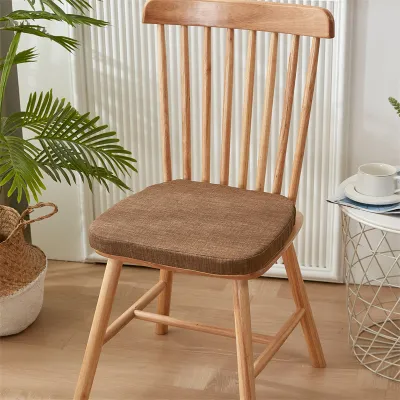
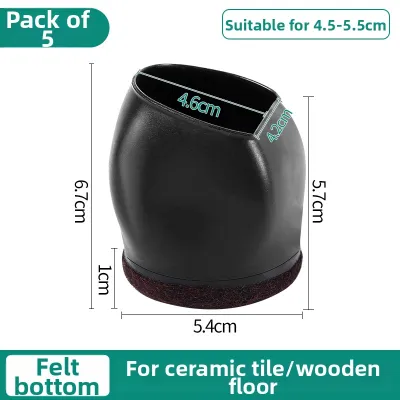
Prices are valid at publication and may change. Please refer to the product page for the latest price.
Identifying Floor Vulnerabilities and Grip Requirements
Every time someone sits on a chair, their body weight is concentrated onto four small contact points. This intense pressure, combined with the horizontal friction of sliding the chair, subjects your flooring to severe mechanical stress. Before purchasing any protective accessories, always consult your flooring manufacturer’s warranty guidelines, as using unapproved adhesives or rubber backings can void your coverage.

Hard Surfaces (Tiles and Stone)
While ceramic, porcelain, and natural stone tiles are highly durable, they are not immune to damage. The primary threat is abrasive wear caused by tiny particles of dust, sand, or grit that become trapped between a hard chair pad and the floor. When the chair moves, these particles act like sandpaper, grinding into the glazed or polished finish and leaving dull, permanent micro-scratches. To prevent this, hard surfaces require flexible, high-friction backings that conform to the tile’s texture and grip the surface securely without sliding.
Resilient Surfaces (Vinyl and Linoleum)
Resilient flooring materials like luxury vinyl tiles (LVT) and linoleum are favored for comfort, but their chemical composition makes them highly sensitive to certain synthetic materials. Many standard rubber and low-grade plastic pads contain chemical additives called plasticizers, which keep the pads flexible. Over time, these chemicals can migrate from the pad into the vinyl floor, causing a permanent chemical reaction that turns the flooring yellow or brown. Additionally, because these floors are slightly soft, they require load-distributing pads with a wider surface area to prevent the chair legs from leaving permanent indentations.
Wood Surfaces (Parquet and Hardwood)
Natural wood flooring is highly sensitive to moisture and mechanical friction. Solid wood and parquet floors are coated with protective finishes, such as polyurethane, lacquer, or oil, which can easily peel or wear away under constant scraping. Non-breathable pads made of solid rubber or dense plastic can trap ambient humidity underneath them, leading to a phenomenon known as “blushing,” where the wood finish turns a cloudy white due to trapped moisture. Wood surfaces require gentle, highly breathable, non-adhesive grip materials that allow the wood to expand and contract naturally while preventing scratches.
Evaluating Pad Materials and Backing Mechanisms
Understanding the physical and chemical properties of different pad materials is essential for making an informed choice. The density of the material determines how well it distributes weight, while the backing mechanism dictates whether the pad will stay in place without damaging the underlying floor finish.
Rubber and Silicone Grips
Rubber and silicone are highly effective at preventing slips on smooth, hard surfaces due to their high coefficient of friction. They are ideal for heavy dining chairs on polished tiles where you want the chair to remain firmly in place. However, you must ensure that any rubber product is labeled as “non-marking” and “plasticizer-free” to avoid chemical staining on vinyl or wood. Over time, exposure to heat, humidity, and cleaning chemicals can cause low-quality rubber to degrade, leaving a sticky, difficult-to-remove residue on your floor.
Felt and Fabric Blends
Dense felt pads, typically made from wool or synthetic fibers, offer a balanced solution for wood and vinyl floors. Instead of locking the chair in place, felt allows for controlled, smooth movement, which minimizes the physical stress on both the chair joints and the floor finish. Felt is highly breathable, eliminating the risk of moisture trapping on parquet. However, felt pads are not suitable for high-moisture environments like kitchens or bathrooms, as they can absorb water, harbor mold, and lose their structural integrity when wet.
Clear PVC and Polyurethane
Clear polymer pads and sleeves offer a discreet aesthetic solution, allowing the natural beauty of patterned parquet or decorative tiles to remain visible. These materials are highly durable and excellent at distributing heavy loads, making them suitable for heavy furniture. When selecting clear pads, verify that they are UV-stabilized to prevent yellowing over time when exposed to sunlight. Additionally, check that the material remains flexible in your room’s typical temperature range to prevent the plastic from cracking or scratching the floor.
A Practical Selection Checklist for Your Space
To ensure you select the right anti-slip chair pads for your home, follow this structured checklist before making a purchase:
- Measure the Chair Legs: Use a precise measuring tape to find the exact diameter of round legs or the width of square legs. If the legs are angled, look for flexible slip-on cups that can accommodate the angle without putting uneven pressure on the edges.
- Estimate the Weight Load: Consider the weight of the chair itself combined with the average weight of the users. Heavy solid wood or metal chairs require high-density, thick felt or reinforced silicone cups to prevent the leg from bottoming out and scraping the floor.
- Verify Floor Compatibility: Carefully read the product packaging or manufacturer specifications. Look for explicit statements confirming compatibility with your specific floor type, such as "safe for hardwood" or "non-staining on vinyl."
- Check the Backing Type: Decide between self-adhesive pads, slip-on sleeves, or screw-in glides. For rental properties, non-adhesive slip-on sleeves or friction-based pads are ideal as they leave zero permanent marks or adhesive residue.
- Assess Room Traffic and Environment: In high-traffic areas like dining rooms, choose durable, wrap-around sleeves that won't peel off easily. For quiet, low-traffic areas like home offices, simple adhesive felt pads may be sufficient. Spending S$10 to S$20 on high-quality, compatible pads now can save you thousands of dollars in floor restoration later.
Installation, Routine Care, and Safe Removal
Proper installation and ongoing maintenance are critical to ensuring your chair pads protect your floors effectively over the long term. Even the highest-quality pad can cause damage if installed incorrectly or allowed to wear out.
First, prepare the surface of the chair leg thoroughly before applying any pad. Clean the bottom of each leg with isopropyl alcohol to remove all dust, grease, and old adhesive residue. Allow the wood or metal to dry completely for at least ten minutes before applying the new pad. If you are using self-adhesive pads, press them firmly in place and avoid sitting on the chair for at least twenty-four hours to allow the adhesive bond to cure fully.
Establish a routine inspection schedule every three to six months. Check each chair leg for signs of pad wear, edge lifting, or debris accumulation. Felt pads are notorious for collecting pet hair, dust, and small grit particles; if left uncleaned, this debris turns the pad into an abrasive surface that will scratch your floor. Replace any pads that appear compressed, torn, dirty, or lose their grip.
When it is time to replace old adhesive pads, use safe removal techniques to protect the chair leg and the floor. Gently warm the old pad with a hair dryer on a low setting for thirty seconds to soften the adhesive. Carefully peel the pad away, using a plastic scraper or an old credit card to lift the edges. Never use a metal blade, which can easily gouge the wood or scratch the metal. If any sticky residue remains, apply a small amount of mild adhesive remover or mineral oil to a microfiber cloth, spot-test it on an inconspicuous area of the chair leg first, and then gently wipe the residue away. If you suspect any damage to your floor’s finish during this process, stop immediately and consult a professional flooring contractor.
Frequently Asked Questions (FAQ)
Can I use the same anti-slip pads on both tiles and parquet?
No, it is highly recommended to use specialized pads for each surface type due to their vastly different physical properties. Hard ceramic tiles require high-friction silicone or rubber pads to prevent sliding on the smooth, non-porous surface. In contrast, natural wood parquet requires breathable, non-reactive materials like high-density felt to prevent moisture trapping and chemical damage to the delicate wood finish. Using a high-grip rubber pad designed for tiles on a parquet floor can trap humidity and cause the wood finish to cloud or peel.
How do I remove sticky residue left by old chair pads?
To safely remove adhesive residue without damaging your floor’s finish, start with the gentlest method. Apply a few drops of cooking oil or mineral oil to the sticky area and let it sit for five minutes to break down the adhesive. Gently rub the spot with a soft microfiber cloth, then clean the area with a damp cloth and mild dish soap to remove the oil. For stubborn residue, you may use a specialized adhesive remover, but always spot-test it in an inconspicuous corner or inside a closet first. Always check your flooring manufacturer’s warranty and cleaning guidelines before applying any chemical solvents.
Do anti-slip pads work on uneven or textured floor tiles?
Standard flat adhesive pads often fail on uneven or highly textured floor tiles because they cannot make full contact with the surface, leading to poor adhesion and rapid peeling. For textured stone or rustic tiles, slip-on silicone cups with flexible, thick bases are far more effective. These cups conform to the irregular surface and provide a secure grip without relying on adhesive. Alternatively, you can install adjustable leveling glides with flexible felt or rubber bottoms, which can be adjusted to compensate for uneven grout lines and keep the chair stable.
Community discussion
Share your experience or ask a question. Comments are reviewed before publication.