
Choosing the right ambient light for your display cabinet requires balancing the cabinet’s design style, material properties, and physical layout with the correct light temperature and fixture type. The goal is to enhance the visual presentation of your collectibles, books, or glassware without creating distracting glare or heat buildup. By matching the lighting style to the cabinet’s aesthetic—whether it is a warm, traditional wooden showcase or a sleek, minimalist metal-and-glass unit—you create a cohesive focal point in your living space.
Understand Your Display Cabinet's Style and Material
Identifying your cabinet’s design language and material properties is the first step in determining your baseline lighting requirements. Traditional wooden cabinets, such as those made from rich mahogany, oak, or walnut, benefit significantly from warm white light. A color temperature between 2700K and 3000K enhances the natural grain, depth, and warmth of the wood, creating a cozy and inviting display. Using cool light on natural wood can make the material look washed out or unnaturally grey.
Modern industrial or minimalist cabinets featuring black metal frames and clear glass shelves pair exceptionally well with neutral to cool white light, typically between 3500K and 4000K. This temperature range creates a crisp, clean look that highlights metallic surfaces and crystal-clear glass. The cooler light mimics natural daylight, making it ideal for contemporary spaces where a sharp, high-contrast presentation is desired.
Products mentioned in this guide
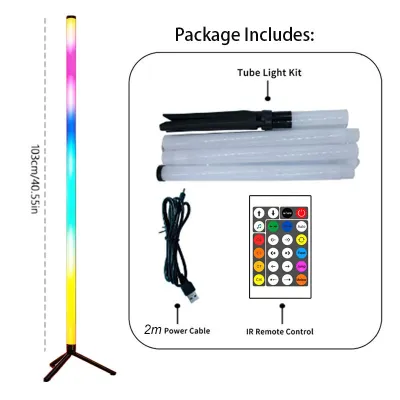
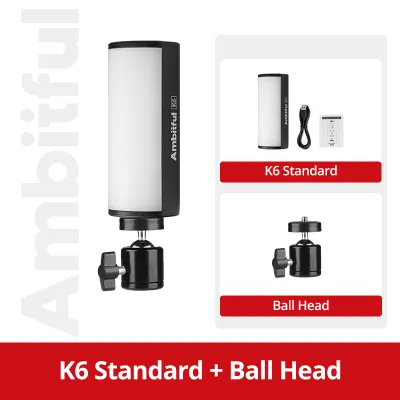
Prices are valid at publication and may change. Please refer to the product page for the latest price.
Material reflectivity is a critical factor when planning your lighting. High-gloss lacquered finishes, mirrored back panels, and extensive glass shelving present significant glare risks. Direct light hitting these surfaces bounces straight into the viewer’s eyes, distracting from the items on display. To mitigate this, check if you can use frosted diffusers over your light sources or position the fixtures at angles that direct light away from primary viewing positions. Matte finishes, conversely, absorb more light, meaning you might need slightly higher intensity to achieve the same ambient effect.
Before purchasing any lighting components, evaluate the cabinet’s internal structure, shelf depths, and frame profiles. Traditional cabinets often feature overhanging face frames or deep trim moldings that naturally hide light fixtures from view. Modern frameless glass cabinets offer very few hiding spots, requiring ultra-slim linear fixtures or specialized corner-mount profiles that blend seamlessly into the frame structure. Measure the clearance behind shelf supports and along the front edges to ensure your chosen fixtures will fit without being visible.
Select the Right Ambient Light Fixtures
Selecting the appropriate lighting hardware involves comparing different fixture types to find the one that integrates seamlessly with your cabinet’s aesthetic. LED strips are highly flexible, continuous light sources ideal for even illumination across entire shelves. They can be cut to specific lengths and are excellent for modern, seamless looks where you want a continuous glow without visible dark spots.

Puck lights, on the other hand, create localized pools of light. This style is perfect for highlighting specific items, such as sculptures or individual pieces of pottery, by creating a dramatic, high-contrast spotlight effect. Puck lights work best in cabinets with distinct compartments or individual display alcoves where focused illumination is preferred over a uniform wash of light.
Integrated linear fixtures offer a premium, polished alternative to standard LED strips. These rigid bars often come with built-in aluminum housings and diffusers, making them highly durable and easy to align. They provide a clean, professional look that is particularly suited for high-end modern cabinets where the fixtures themselves might be partially visible.
Verify how the fixtures receive power and check if the setup matches your available space. Battery-operated lights offer maximum flexibility and require no drilling, but they require regular recharging or battery replacements, which can become tedious for daily use. Low-voltage plug-in systems provide consistent brightness and can be connected to smart plugs or timers, but they require routing cables to a nearby wall outlet. Always measure the available clearance between the top of your displayed items and the shelf above to ensure the fixture does not crowd the display space.
Review the manufacturer specifications for heat output and material compatibility. Since display cabinets are enclosed or semi-enclosed spaces, heat management is crucial. LED fixtures are generally low-heat, but high-density strips can still warm up enclosed spaces over time. Additionally, Singapore’s warm and humid climate means that adhesives used for mounting LED strips must be high-quality and heat-resistant to prevent peeling. Check the IP (Ingress Protection) rating if you plan to display items in high-humidity areas, such as near dining spaces or kitchens.
Plan the Lighting Layout and Intensity
To avoid harsh shadows and direct glare, position your light sources toward the front of the cabinet, directing the light backward and downward onto the items. If lights are placed at the very back of the shelf, the fronts of your collectibles will remain in shadow, defeating the purpose of the display. For glass shelves, top-down lighting can filter through multiple levels, but solid wood or metal shelves block light completely, requiring individual fixtures installed under every single shelf.
Adjusting brightness levels is essential for creating a balanced ambient glow that complements, rather than overpowers, the room’s primary lighting. Look for lighting systems that offer dimming capabilities, either via a physical dial, a remote control, or a smart home integration. This allows you to adjust the intensity based on the time of day—brighter during the afternoon to compete with natural sunlight, and softer in the evening for a relaxed atmosphere.
Asymmetrical cabinets or units with varying shelf heights require careful planning to ensure even light distribution. If you have a tall central compartment flanked by shorter side shelves, balance the light distribution by using lower-wattage puck lights in the smaller sections and a continuous LED strip in the main column. This prevents hot spots where one area looks blindingly bright while another remains dim, ensuring a balanced visual presentation across the entire cabinet.
Installation and Safety Considerations
Even low-voltage LEDs generate some heat at the driver and along the strip. In fully enclosed wooden or glass cabinets, this heat can accumulate over hours of operation, potentially damaging sensitive collectibles or warping delicate wood finishes. Ensure there is a small gap for air circulation, or choose aluminum channels that act as heat sinks to draw warmth away from the LEDs and the cabinet structure.
Keep your installation clean by routing cables discreetly along the back corners of the cabinet. You can use self-adhesive cable clips that match the color of the cabinet frame to keep wires taut and hidden. If your cabinet has a wooden back panel, check if you can safely drill a small access hole near the bottom or behind a shelf support to pass the power connector through. Always measure and mark your drill points carefully to avoid splintering the wood or hitting structural joints.
If your lighting plan involves hardwiring a transformer directly into your home’s electrical system, or if you need to install a new wall outlet behind the cabinet, stop and consult a qualified electrician. Working with mains voltage (230V in Singapore) requires professional expertise to ensure compliance with local electrical safety standards and to prevent fire hazards. DIY installations should be limited to plug-and-play low-voltage systems.
Frequently Asked Questions (FAQ)
Can I add ambient light to a fully enclosed glass display cabinet?
Yes, you can add ambient light to an enclosed glass cabinet, but you must prioritize low-heat fixtures to prevent temperature buildup inside the sealed space. Look for low-wattage LED strips or puck lights that explicitly state low heat emission on their product labels. For wiring, check if the cabinet has existing gaps near the door hinges or glass panels where thin, flat cables can pass through without being pinched. If no gaps exist, you may need to use battery-powered fixtures or consult the manufacturer’s instructions to see if a specialized cable entry point can be safely utilized.
How do I hide the power cords for my cabinet lighting?
Hiding power cords is essential for a professional, clean look. You can use slim, surface-mounted cable raceways or plastic channels that match the color of your cabinet’s interior frame. Run these channels along the inside corners or behind the vertical support pillars where they are naturally shielded from view. If your cabinet has a solid back panel, routing the wires through the back and running them down the exterior side of the panel is an effective method. For glass cabinets where every angle is visible, consider using ultra-thin flat wires that can be painted to match the frame, or opt for rechargeable, wireless puck lights to eliminate cords entirely.
Community discussion
Share your experience or ask a question. Comments are reviewed before publication.