
Finding extra storage in a Singapore HDB flat often requires looking at the smallest, most underutilized gaps. A 10cm shelf is the ultimate space-saving solution for these tight areas, turning awkward crevices into highly functional storage zones. The best type of shelf depends entirely on where you plan to place it: wall-mounted shelves excel in vertical zones like bathrooms, slide-out gap fillers utilize floor-level nooks next to appliances, and foldable designs offer temporary utility in busy kitchens. By matching the shelf design to the specific constraints of your home, you can maximize every square centimeter of your living space.
Choosing the right option requires balancing installation limits, moisture exposure, and weight requirements. While a slim shelf can fit almost anywhere, selecting the wrong mounting style or material can lead to unstable storage or damage to your walls. Evaluating your space systematically ensures your new storage solution is both safe and highly practical.
Assess Your Tight Space: Measurements and HDB Constraints
Before purchasing a 10cm shelf, you must measure the target area with high precision. A gap that appears to be 10cm wide at eye level might narrow significantly near the floor due to skirting boards, uneven plastering, or protruding wall tiles. Use a metal measuring tape to check the width, depth, and height at multiple points along the gap. Do not forget to account for obstacles such as exposed copper pipes, electrical trunking, and the swing radius of nearby cabinet doors or room entryways.
Products mentioned in this guide
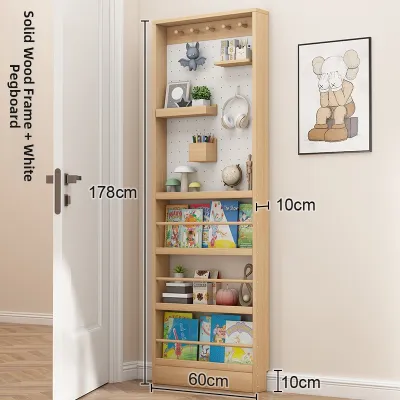
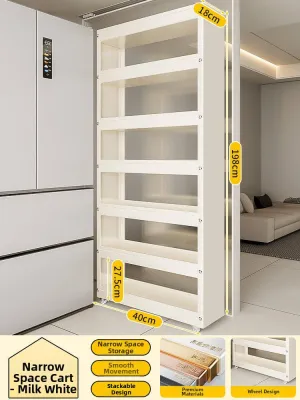
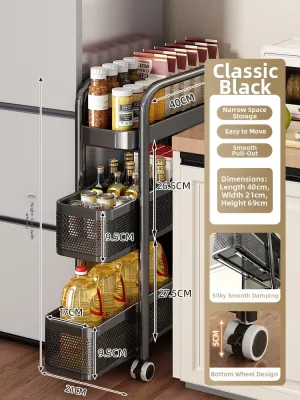
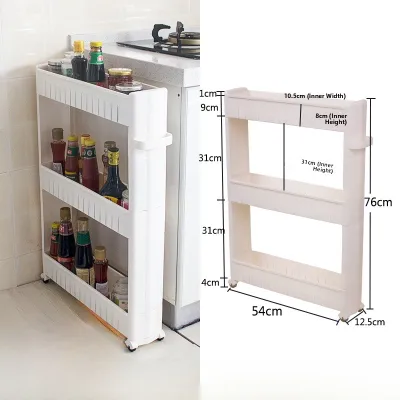
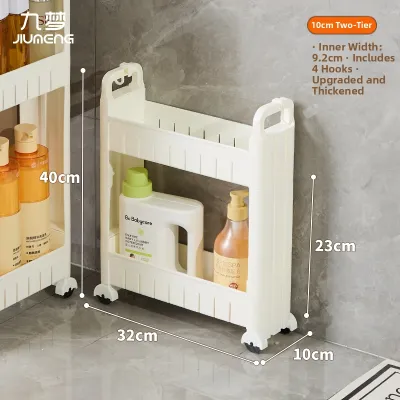
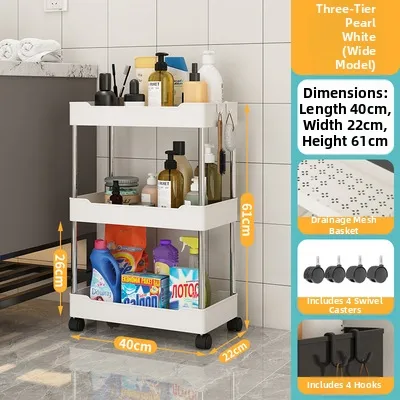
Prices are valid at publication and may change. Please refer to the product page for the latest price.
Environmental conditions in your HDB flat will dictate the materials you can safely use. In high-humidity zones like the master bathroom or the service yard, moisture-resistant materials are essential to prevent rust, mold, or warping. Conversely, narrow gaps in the kitchen near the hob or oven are exposed to high heat and airborne grease, requiring surfaces that are easy to wipe clean and non-flammable.
Finally, consider the structural limits and rules governing your home. If you are renting your flat, your tenancy agreement may strictly prohibit drilling into walls or tiles. Even as a homeowner, HDB renovation guidelines restrict drilling into certain structural precast walls or columns, and drilling into bathroom tiles risks puncturing the underlying waterproofing membrane. Identifying these boundaries early helps you decide whether to look for drill-free adhesive options, freestanding units, or heavy-duty screw-mounted shelves.
Match 10cm Shelf Types to Your Specific HDB Areas
Not all narrow shelves are built the same way, and matching the shelf type to your specific room layout is key to a successful organization project. The four primary designs—wall-mounted, freestanding, foldable, and slide-out gap fillers—each serve distinct structural purposes. Choosing the correct design prevents awkward reaching, tipping hazards, and wasted vertical space.

For instance, a slide-out gap filler is ideal for floor-level crevices but useless above a toilet cistern. A wall-mounted shelf keeps floors clear but requires a sturdy wall and permanent installation. By analyzing the physical footprint of each shelf type, you can easily resolve common HDB pain points, such as cluttered kitchen countertops, cramped bathroom vanities, and tight bedside areas.
Wall-Mounted Shelves for Vertical Bathroom and Kitchen Gaps
Wall-mounted 10cm shelves are excellent for reclaiming vertical dead space without taking up valuable floor area. Before choosing this option, verify the wall material in your flat. Internal partition walls in newer BTO flats may require specialized toggle bolts, whereas solid concrete walls require a hammer drill and standard masonry wall plugs. Always check the product packaging for the manufacturer’s specified weight capacity to ensure the shelf can support your intended items.
In the bathroom, a slim wall-mounted shelf is ideal when positioned above the toilet cistern or adjacent to the vanity mirror. Because these areas are constantly exposed to steam and water splashes, prioritize rust-proof materials such as anodized aluminum, stainless steel, or high-grade plastics. Avoid unsealed wood or low-quality chrome-plated iron, which can degrade rapidly in Singapore’s humid climate.
In the kitchen, mounting a 10cm shelf near the stove keeps frequently used spices, oils, and condiments within arm’s reach. Ensure the shelf is positioned far enough from direct flames to prevent heat damage to the shelf or its contents. Opt for tempered glass or powder-coated steel shelves, as these materials resist grease buildup and can be wiped clean with a simple degreasing spray.
Freestanding and Gap Filler Shelves for Appliance and Furniture Nooks
For floor-level gaps, freestanding shelves and slide-out gap fillers offer excellent storage capacity without requiring any wall drilling. When selecting a freestanding unit, floor clearance is your primary consideration. Ensure the floor is perfectly level, as even a minor slope can cause a tall, narrow 10cm unit to wobble or lean precariously against adjacent furniture.
Because a 10cm wide freestanding shelf has a very narrow base, stability is a major safety concern. Look for units that feature adjustable leveling feet or those designed to be wedged securely between two heavy objects, such as a wardrobe and a wall. If the unit is tall, check if it includes an anti-tip strap that can be anchored to the wall or the side of a sturdy cabinet for added security.
Slide-out gap fillers, often equipped with bottom wheels or casters, are highly effective for the narrow spaces beside major household appliances. They fit perfectly in the gap between your refrigerator and kitchen cabinets, or beside the washing machine in the service yard. When choosing a rolling model, verify that the wheels are multidirectional and smooth enough to glide over your floor tiles without scratching the grout or surface finish.
Foldable and Pull-Out Shelves for Multi-Use and Temporary Needs
Foldable and pull-out 10cm shelves provide exceptional flexibility for multi-use spaces where permanent storage is not always desired. These shelves can be deployed when you need extra surface area and folded flat against the wall or cabinet when you need to reclaim physical space. This makes them highly suitable for tight walkways or small kitchens where every centimeter of movement matters.
When shopping for a foldable shelf, pay close attention to the locking mechanisms and hinge durability. The hinges must lock securely into place with a reassuring click to prevent accidental collapsing when items are placed on top. Check the manufacturer’s instructions for the maximum load limit when the shelf is fully extended, as folding brackets typically support less weight than fixed, rigid brackets.
These temporary shelves are highly useful as prep stations in small HDB kitchens, providing a quick spot to place a recipe book, a timer, or small ingredient bowls. They also work beautifully as minimalist bedside extensions in compact bedrooms where a traditional nightstand cannot fit, allowing you to rest a phone or a pair of glasses overnight and fold the shelf away during the day.
HDB Installation Rules and Safety Checks
Installing shelves in an HDB flat requires adherence to specific safety standards to prevent structural damage and personal injury. If you plan to drill into your walls, be aware of HDB guidelines regarding structural columns and load-bearing walls. Drilling into precast structural walls requires more effort and the correct heavy-duty drill bits, while drilling into non-load-bearing partition walls requires finding the internal studs or using specialized hollow-wall anchors.
Waterproofing preservation is another critical factor, especially in wet areas like bathrooms and service yards. HDB flats feature a waterproofing membrane beneath the floor tiles and running up the lower portion of the walls. Avoid drilling into the lower 150mm of bathroom walls to prevent puncturing this barrier, which can lead to costly water leakage issues in your flat or your neighbor’s unit downstairs.
Once your shelf is installed, perform regular safety and maintenance checks to ensure its long-term stability. Over time, humidity can cause screws to loosen slightly, and adhesive backings can degrade. Periodically check that wall brackets remain flush against the wall and tighten any loose hardware. Inspect metal shelves for early signs of rust and wooden shelves for swelling or soft spots, addressing any wear immediately to keep your storage setup safe and secure.
Frequently Asked Questions (FAQ)
Can I install a wall-mounted 10cm shelf on HDB bathroom tiles without cracking them?
Yes, you can install a shelf on tiled walls, but it requires careful preparation to avoid cracking the ceramic or homogenous tiles. Before drilling, gently tap the tiles to check for hollow sounds; drilling into a hollow spot behind a tile increases the risk of cracking. Always use a specialized carbide-tipped or diamond-tipped tile drill bit, and keep the drill speed low without using the hammer action mode until you have fully penetrated the tile layer. If you are renting or want to avoid the risk of damage entirely, consider using high-quality, heavy-duty adhesive brackets designed specifically for wet tile environments.
Are adhesive 10cm shelves strong enough for heavy kitchen items?
Adhesive 10cm shelves can be highly reliable, but their weight capacity depends heavily on proper surface preparation and the manufacturer’s specifications. The mounting surface must be completely free of grease, dust, and moisture before application; cleaning the area with rubbing alcohol and letting it dry fully is highly recommended. Always check the product label for the maximum weight limit and allow the adhesive to cure for the recommended time (usually 24 hours) before placing any items on the shelf. To ensure safety, restrict adhesive shelves to lightweight items such as spices, sponges, or small plastic bottles, and avoid storing heavy glass jars or large liquid containers on them.

Community discussion
Share your experience or ask a question. Comments are reviewed before publication.