
Selecting the correct leg riser is more than just a quick cosmetic upgrade; it is a critical structural decision. If you choose the wrong specifications, you risk damaging your furniture joints, scratching your flooring, or causing a sudden collapse. To find the perfect fit, you must accurately match the attachment mechanism—whether it is an insert stem or a recessed cup—and calculate the total weight load of your furniture, including a generous safety margin.
Taking the time to measure your existing furniture legs and understand their weight requirements ensures your home remains safe and stable. Whether you are raising a heavy storage cabinet to clear a robot vacuum or elevating a sofa for easier access, getting these specifications right is the key to a successful installation.
Understanding Stem Size for a Secure Fit
The term “stem size” refers to the physical dimensions of the attachment point on the leg riser. For insert-style risers, this is the diameter and length of the metal peg or threaded bolt that screws directly into the furniture leg. For cup-style risers, the stem size corresponds to the interior width and depth of the recessed cup that holds the bottom of the furniture leg.
Products mentioned in this guide
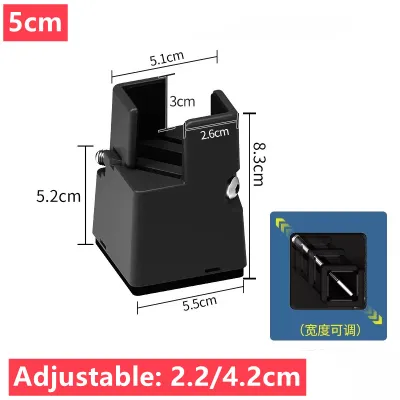
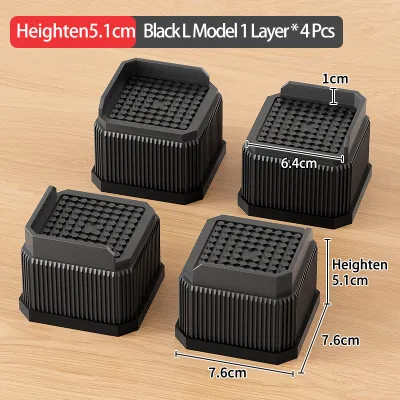
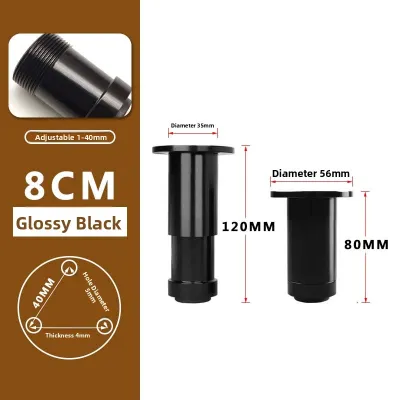
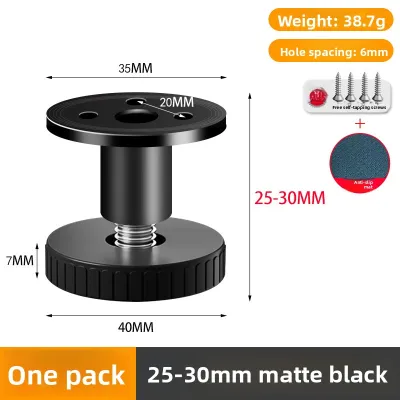
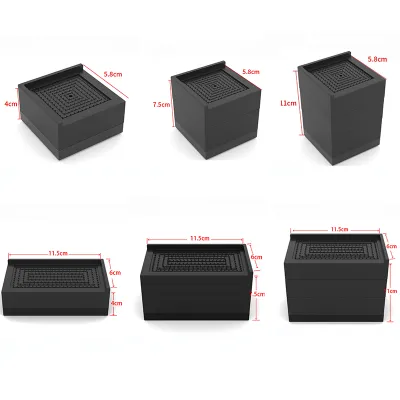
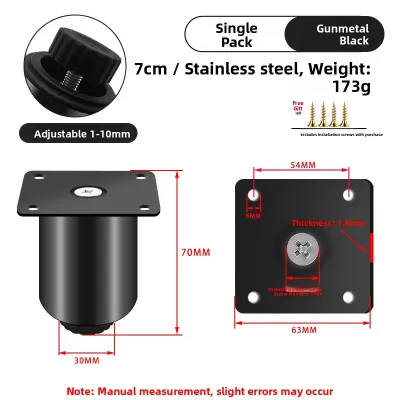
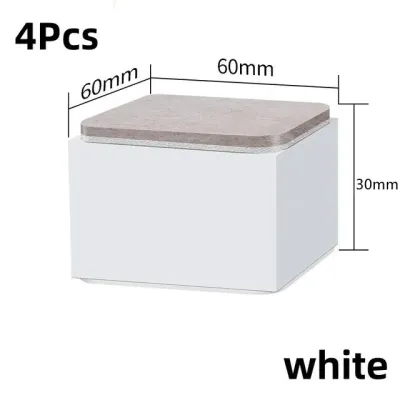
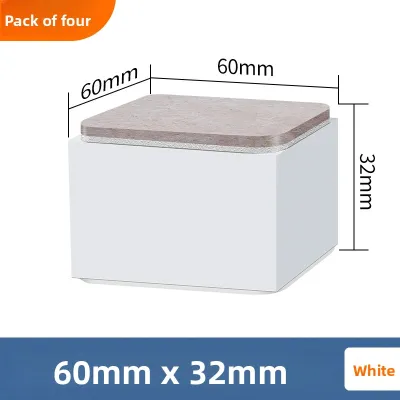
Prices are valid at publication and may change. Please refer to the product page for the latest price.
To measure your furniture accurately, do not rely on rough estimates with a standard ruler. A digital caliper is the most reliable tool for measuring the exact diameter of an existing threaded stem or the receiving hole in your furniture leg. If you must use a standard measuring tape, wrap it around the circumference of a round leg and divide by 3.14 to calculate the diameter, or measure the flat edges of a square leg from side to side.
Matching the shape of the leg to the riser is just as important as matching the size. Round stems must go into round sockets, and square legs must sit in square cups. Attempting to force mismatched shapes creates uneven pressure points, which can easily split wooden legs or strip metal threads over time.
Understanding the difference between insert-style and cup-style risers will narrow down your purchasing options. Insert-style risers provide a seamless, integrated look because they replace the existing feet entirely. Cup-style risers, on the other hand, act as a sleeve or platform that cradles the existing leg, making them highly versatile but visually more prominent.
A common misconception is that purchasing a larger stem size provides superior support. In reality, an oversized stem will simply not fit, while a slightly undersized stem will wobble within the socket, placing extreme lateral stress on the furniture frame. Precision is the only way to guarantee stability.
Calculating Weight Capacity for Safe Support
When browsing leg risers, you will often see weight capacities listed in two different ways: “per riser” or “total set” capacity. Always read the product packaging carefully to distinguish between the two. If a set of four risers is rated for 600 kg, this typically assumes an even weight distribution of 150 kg per corner.

To calculate the required capacity, start by estimating the base weight of your furniture piece. You can often find this information on the manufacturer’s specification tag underneath the piece, in the original user manual, or by searching the model online. For solid timber sideboards or heavy storage units, the empty weight can easily exceed 80 kg.
Next, you must calculate the dynamic and static loads that the furniture will bear during daily use. For a bed frame, this includes the mattress, heavy bedding, and the combined weight of the sleepers. For a three-seater sofa, you must account for the maximum weight of three adults sitting down simultaneously, which can easily add another 240 to 300 kg.
Applying a safety margin is a critical step that many homeowners overlook. Always add a buffer of 20% to 30% to your total calculated weight. This buffer accounts for dynamic shifts—such as someone sitting down heavily or children jumping on the bed—which momentarily multiply the force exerted on the risers.
Exceeding the maximum weight limit carries severe risks. Under excessive load, plastic risers can crack without warning, metal stems can bend or snap, and the furniture can tilt, leading to a dangerous tip-over. Ensuring your risers are rated well above your actual needs is the best way to prevent structural failure.
Matching Specifications to Common Furniture Types
Different furniture pieces demand different riser specifications based on how they are used. Sofas and bed frames experience constant dynamic movement as people sit, lie down, and shift positions. For these items, prioritize deep cup-style risers or heavy-duty threaded stems that can absorb lateral forces without shifting or squeaking.
Heavy cabinets, wardrobes, and bookshelves carry massive static loads that remain constant over long periods. For these pieces, precise stem matching is vital to keep the unit perfectly level. Additionally, look for risers with integrated anti-slip rubber bases to prevent the heavy furniture from slowly sliding or “creeping” across smooth Singapore floors, such as polished marble, vinyl, or large-format ceramic tiles.
Lightweight furniture, such as side tables or accent chairs, has much lower weight requirements. For these pieces, standard stem sizes and lower weight capacities are perfectly adequate. This allows you to focus on the aesthetic design, color matching, and slim profiles of the risers rather than purely heavy-duty specifications.
Before finalizing your choice, check the overall height adjustment and its impact on the furniture’s functionality. Raising a tall cabinet too high can dangerously elevate its center of gravity, making it prone to tipping. Always verify that drawers can still be opened comfortably and that the new height does not block wall outlets or light switches.
Frequently Asked Questions (FAQ)
What if my furniture legs do not have a hole for a stem insert?
If your furniture legs lack pre-drilled holes, cup-style or flat-top risers are the safest option. These designs allow the existing legs to sit securely inside a recessed cup or rest on a high-friction flat platform. Avoid drilling new holes into your furniture legs unless you have the appropriate woodworking tools and are certain it will not compromise the structural integrity of the joint.
Do I need extra floor protection when using stem-style leg risers?
Yes, floor protection is highly recommended to safeguard your home’s flooring. While the stem secures the top of the riser to the furniture, the bottom of the riser bears the entire weight of the load directly against your floor. Check if the riser base features built-in felt or non-marking rubber pads. For homes in Singapore with polished marble, engineered timber, or laminate floors, adding aftermarket heavy-duty felt pads or non-slip rubber grips will prevent unsightly scratches and keep the furniture firmly in place.
Community discussion
Share your experience or ask a question. Comments are reviewed before publication.