
Finding the best value ergonomic gaming chair in Singapore is not about chasing the lowest price tag or the flashiest brand name. Instead, true value lies in matching a chair’s adjustable features and material durability to your specific body dimensions and daily sitting habits. In Singapore’s warm, humid climate, factors like upholstery breathability and local warranty support become just as critical as the mechanical adjustments themselves. By focusing on verifiable specifications rather than marketing hype, you can secure a chair that supports your posture and lasts for years.
To make an informed decision, you must look past the racing-style aesthetics that dominate the gaming chair market. Many models prioritize bold colors and aggressive side bolsters over actual physical support. A truly ergonomic chair adapts to your body, promoting a neutral sitting posture where your feet rest flat on the floor, your knees sit at a 90-degree angle, and your spine maintains its natural curve. Evaluating these factors systematically ensures your investment protects your physical health.
Defining "Value" in Ergonomic Gaming Chairs
Value is often misunderstood as simply finding the cheapest option available on an online marketplace. In the context of ergonomic seating, value represents the ratio of functional lifespan and physical support to the total cost of ownership. A cheap chair that requires replacement after a year due to flat foam or a broken gas lift ultimately costs more than a mid-range chair that remains supportive for a decade.
Products mentioned in this guide
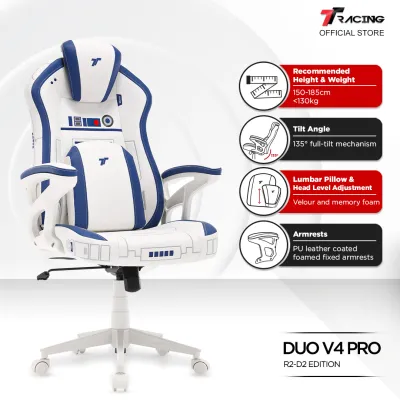
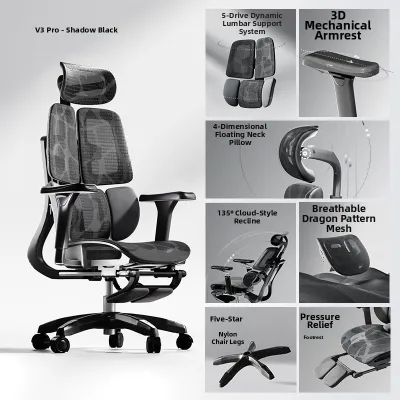
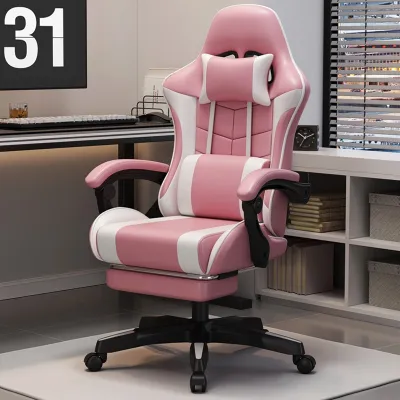
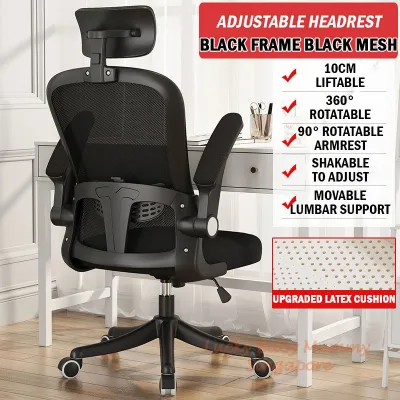

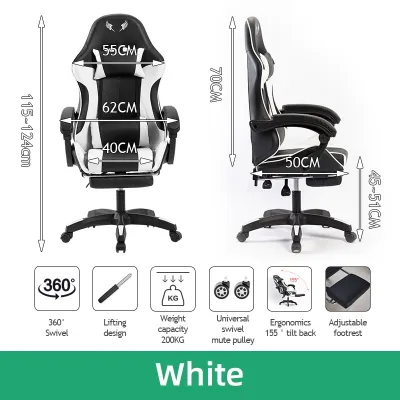
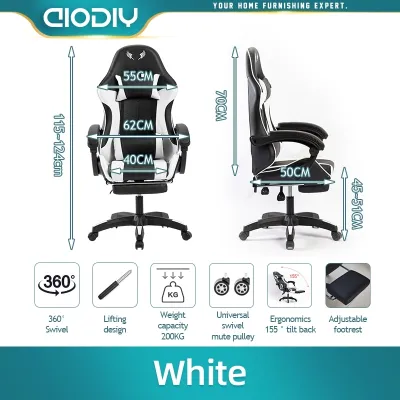
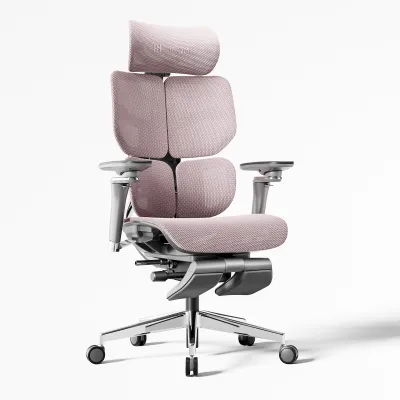
Prices are valid at publication and may change. Please refer to the product page for the latest price.
The primary differentiator between a basic gaming chair and a high-value ergonomic model is the level of active adjustability. Basic models often rely on static components, such as a simple elastic-strap lumbar pillow and fixed armrests. High-value models, conversely, integrate mechanical adjustments directly into the chair’s frame. These mechanical components, such as synchronous tilt mechanisms and adjustable seat pans, allow the chair to move with your body rather than forcing your body to adapt to a rigid shape.
When evaluating value, you must also consider the cost of discomfort. Poor seating posture leads to muscle fatigue, lower back pain, and shoulder strain, which can impact your productivity and overall well-being. Investing in a chair with robust ergonomic features is an investment in preventative health. Therefore, a high-value chair is one that offers the precise adjustments your body requires to remain comfortable during extended sessions, built with materials that withstand daily wear.
Essential Ergonomic Adjustments to Verify
Before purchasing any gaming chair, you must verify its adjustable features against your physical dimensions. The most critical area to inspect is the lumbar support system. While entry-level chairs often use loose, external cushions that slide out of place, superior value models feature integrated lumbar support. Look for systems that allow you to adjust both the height and the depth of the lumbar curve, ensuring the support aligns perfectly with the small of your back.

Armrest adjustability is another essential factor that directly impacts shoulder and neck strain. Armrests are typically rated from 1D to 4D, representing the dimensions in which they can move. At a minimum, seek 3D armrests that adjust for height, depth (forward and backward), and angle (rotation). This adjustability allows you to position the armrests so your elbows rest at a 90-degree angle, level with your desk surface, preventing you from hunching your shoulders forward while typing or gaming.
The recline and tilt mechanism determines how the chair handles movement. Basic chairs use a simple tilt lock that only allows you to lock the chair in an upright position. For better ergonomic value, look for a multi-functional tilt mechanism or a synchronous tilt system. A synchronous tilt system allows the backrest to recline at a faster rate than the seat pan, keeping your feet flat on the floor and maintaining proper spinal alignment even when you lean back to relax.
Finally, seat depth adjustment is a frequently overlooked feature that is vital for users of varying heights. A sliding seat pan allows you to adjust the distance between the front edge of the seat and the backrest. Ideally, you should be able to sit fully against the backrest while maintaining a gap of two to three fingers between the back of your knees and the edge of the seat. This prevents the seat from cutting off circulation to your lower legs while ensuring your thighs are fully supported.
Assessing Build Quality and Material Durability
Singapore’s tropical climate presents unique challenges for furniture materials, making durability assessment a top priority. High humidity and warm temperatures accelerate the degradation of low-grade synthetic materials. When evaluating upholstery, standard polyurethane (PU) leather is highly susceptible to peeling and cracking over time. If you prefer a leather-like finish, verify that the manufacturer uses prime or reinforced PU, or consider breathable fabric or mesh alternatives that facilitate airflow and heat dissipation.
The structural integrity of the chair depends heavily on its internal frame and base. Avoid chairs that use wooden boards or elastic straps inside the seat pan, as these materials sag over time and lose their supportive qualities. Instead, look for chairs constructed with a solid steel or reinforced metal frame. The base of the chair should ideally be made of heavy-duty aluminum or reinforced nylon, paired with smooth-rolling casters designed for your specific flooring type, whether parquet, vinyl, or tile.
Safety and longevity are directly tied to the gas lift cylinder, which controls the chair’s height adjustment. Always check the product specifications or the physical label on the cylinder to verify it is a Class 4 gas lift. Class 4 cylinders feature thicker walls and higher-quality seals than Class 3 alternatives, allowing them to support higher weight capacities and resist pressure loss over years of daily use.
Additionally, consider the physical logistics of delivery and installation. Before ordering, measure your doorways, hallways, and lift access to ensure the packaged box or fully assembled chair can safely enter your home. Verify the manufacturer’s specified load capacity and overall finished dimensions. If you plan to assemble the chair yourself, check if the package includes clear instructions and the necessary tools, or see if the retailer offers professional assembly services to guarantee the joints and bolts are secured correctly.
Navigating Price Tiers and Budget Expectations
Understanding what each price tier offers in Singapore helps you set realistic expectations and avoid overpaying for aesthetic branding. In the budget tier, typically under S$300, you will find basic gaming chairs that offer standard tilt functions and fixed or simple strap-on cushions. While these chairs are highly accessible, they often compromise on material durability and long-term ergonomic support, making them suitable primarily for casual, short-duration use.
The mid-range tier, spanning from S$300 to S$600, is generally where the best value is found for the average user. In this price bracket, you can expect significant upgrades, including high-density molded foam that retains its shape, 3D or 4D adjustable armrests, and integrated lumbar support systems. The materials in this tier are better suited to withstand Singapore’s humidity, often featuring improved fabric weaves or higher-grade synthetic leathers backed by multi-year warranties.
Premium chairs, priced above S$600, offer advanced engineering and top-tier materials. These models feature sophisticated synchronous tilt mechanisms, premium mesh upholstery that provides exceptional breathability, and highly customizable ergonomic adjustments. While the initial investment is higher, these chairs are built to last a decade or more, often backed by extensive warranties that cover both mechanical parts and structural components.
To spot inflated pricing, compare the physical specifications of a chair against its marketing claims. A high price tag does not automatically guarantee superior ergonomics. If a premium-priced chair relies on basic strap-on pillows, a Class 3 gas lift, or lacks seat depth adjustment, you are likely paying a premium for brand logos, licensed themes, or aggressive marketing rather than actual ergonomic substance.
Purchasing Channels and Warranty Verification
Where and how you buy your ergonomic gaming chair significantly impacts your overall satisfaction and consumer protection. While purchasing online via ecommerce platforms or official brand websites offers convenience and occasional promotions, visiting an authorized physical showroom is highly recommended. Testing a chair in person allows you to verify if the seat width, backrest height, and lumbar positioning actually fit your unique body shape before you commit to a purchase.
When testing a chair in a showroom, spend at least fifteen minutes sitting in it. Adjust every mechanism—the armrests, the seat height, the lumbar support, and the recline tension—to ensure they operate smoothly and can be locked securely. Pay close attention to whether your feet can rest flat on the floor while your back is fully supported, and check how the seat cushion feels after several minutes of continuous sitting.
Warranty coverage is the ultimate safety net for your investment, especially when purchasing mechanical furniture. Always read the fine print of the warranty terms before buying. A robust warranty should cover key mechanical components, including the gas lift cylinder, the tilt mechanism, the armrest adjustability joints, and the internal steel frame. Be aware that standard wear-and-tear on upholstery, such as minor scuffs or fabric staining, is typically excluded from warranty coverage.
Finally, protect yourself by purchasing exclusively through official brand channels or authorized local distributors. Buying from unauthorized third-party sellers or parallel importers may save you a small amount upfront, but it often voids the manufacturer’s warranty. If a mechanical component fails a year down the road, you may find yourself unable to source replacement parts or secure local repair support, turning a perceived bargain into a costly mistake.
Frequently Asked Questions (FAQ)
Are gaming chairs actually better for posture than standard office chairs?
Gaming chairs and standard office chairs approach ergonomics differently, and neither is universally superior. Traditional gaming chairs feature a high backrest and a bucket-seat design inspired by race cars, which provides excellent head and neck support and is highly comfortable for relaxed, reclined positions. However, the side bolsters of a bucket seat can sometimes restrict movement, which may not suit all body types. Dedicated ergonomic office chairs, on the other hand, focus heavily on active tasking posture, offering flexible backrests and open seat designs that encourage natural movement during intense desk work. If you frequently recline, play with a controller, or prefer high-back support, a well-designed gaming chair with adjustable lumbar support is highly effective; for strict, upright computer work, a dedicated ergonomic office chair may offer more precise spinal alignment.
How should I maintain my gaming chair to prevent peeling and wear?
To extend the lifespan of your gaming chair in Singapore’s humid climate, establish a regular maintenance routine based on its upholstery material. For synthetic leather, wipe the surface down weekly with a soft, slightly damp microfiber cloth to remove sweat, body oils, and dust, which accelerate material breakdown; avoid harsh chemical cleaners or alcohol-based wipes that strip the protective coating. If your chair features fabric or mesh, vacuum it regularly using an upholstery attachment to prevent dust buildup. Keep the chair away from direct sunlight, which fades materials and weakens synthetic fibers, and position it in a well-ventilated area or air-conditioned room to manage humidity. Lastly, consult your manufacturer’s manual to perform periodic checks, tightening any visible screws and structural bolts every six months to ensure the joints remain stable and squeak-free.
Community discussion
Share your experience or ask a question. Comments are reviewed before publication.