
Dealing with wet umbrellas after a sudden tropical downpour is a familiar challenge for many households in Singapore. When heavy monsoon rains strike, an unmanaged umbrella can quickly turn a neat entryway into a slippery, water-logged hazard. Finding the right umbrella holder is not just about keeping your foyer tidy; it is about protecting your flooring from moisture damage, preventing slips, and maximizing the limited space near your front door.
By evaluating your available floor area, the number of umbrellas your household uses, and the specific layout of your entrance, you can select a storage solution that blends seamlessly with your home decor. This guide will help you evaluate different umbrella holder styles and build a practical shortlist based on your specific household layout and usage habits.
Assessing Your Entryway Space and Household Needs
Before browsing online marketplaces or local furniture stores, you must evaluate the physical constraints of your entryway. Start by measuring the available floor width, depth, and wall clearance around your front door. Be sure to account for the swing path of the main door, gate, and any nearby shoe cabinets to ensure the holder will not obstruct daily foot traffic. A holder that blocks a major walkway will quickly become a constant source of frustration, regardless of how stylish it looks.
Products mentioned in this guide
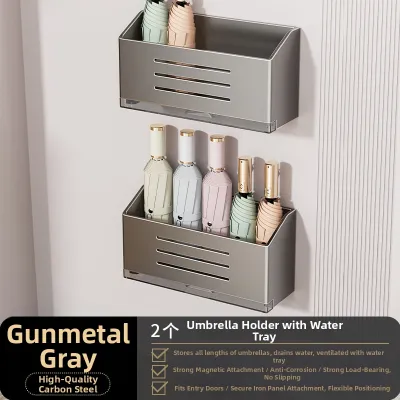
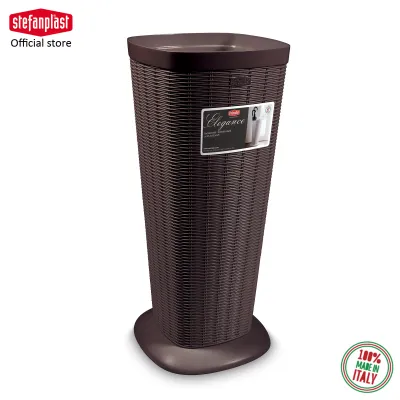
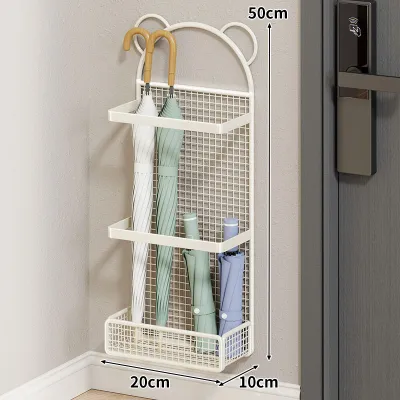
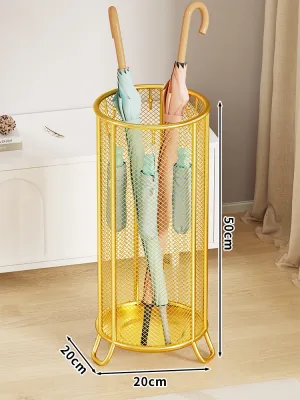
![[SG Seller]No Punch Wall Mount Hook Rack Wood Grain Design Home Storage Organizer for Coat Bag Hat Umbrella](https://img.lazcdn.com/g/p/3d4e652243d790e357d320509440a8a5.jpg_400x400q80.jpg_.webp)
Prices are valid at publication and may change. Please refer to the product page for the latest price.
Next, consider your household’s actual storage requirements. Count the number of umbrellas you need to store during the peak of the rainy season. Do you primarily use large, long-handled golf umbrellas, or does your family rely on compact, folding travel umbrellas? A household that uses several long umbrellas will require a taller, heavier stand to prevent tipping, while a home dominated by folding umbrellas will benefit from a holder with dedicated hooks or shallow compartments.
The type of flooring in your entryway also dictates your choice of holder. Hardwood, laminate, and parquet floors are highly sensitive to standing water and can warp, discolor, or swell when exposed to persistent moisture. If you have these materials, you will need a holder with an exceptionally secure, leak-proof drip tray. Even if you have water-resistant homogeneous tiles or marble, a wet floor still poses a significant slipping hazard, making reliable water containment a top priority.
Finally, take note of any specific household dynamics that might affect your choice. If you have young children or curious pets, a heavy, freestanding ceramic or metal bucket could pose a safety risk if knocked over. In such cases, a wall-mounted rack placed out of reach or a highly stable, low-profile stand is often a much safer and more practical alternative.
Comparing Common Umbrella Holder Types
Umbrella storage solutions come in several distinct designs, each offering unique spatial advantages. Understanding how these different configurations interact with your entryway layout will help you narrow down the best category for your home.

Freestanding Stands and Buckets
Traditional freestanding stands and cylindrical buckets are highly popular due to their classic look and ease of placement. These units are best suited for entryways with dedicated corners or recessed alcoves that do not interfere with the main walking path. Because they sit directly on the floor, they require no installation and can be easily moved when cleaning or rearranging your foyer.
When evaluating freestanding options, pay close attention to the base weight and overall footprint. A tall, narrow stand with a lightweight plastic base is highly likely to tip over when loaded with multiple heavy, wet golf umbrellas. Look for models with weighted bases or wider footprints that offer reliable stability.
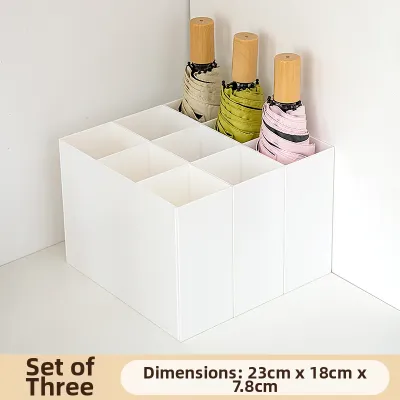
Additionally, check if the stand features internal dividers or varying compartment heights. A deep bucket can easily swallow small, folding umbrellas, making them difficult to retrieve when you are in a rush. Models with built-in hooks or split levels allow you to store both long and short umbrellas neatly without them tangling or getting lost at the bottom.
Wall-Mounted and Over-the-Door Racks
For narrow corridors, compact apartments, or entryways where floor space is at an absolute premium, vertical storage solutions are highly effective. Wall-mounted racks and over-the-door organizers lift your umbrellas off the floor entirely, keeping your walkways completely clear and making the space feel much larger.
Before choosing a wall-mounted model, you must verify your wall material and its weight-bearing capacity. Mounting a rack onto drywall requires appropriate anchors, whereas solid concrete walls will require drilling and masonry plugs. If you prefer to avoid drilling entirely, look for heavy-duty adhesive models or over-the-door brackets, ensuring they do not interfere with the door’s closing mechanism.
When installing a wall-mounted rack, carefully plan the mounting height. The rack must be positioned high enough so that your longest umbrellas can hang freely without touching the floor, yet low enough that shorter family members can easily reach them. Ensure the drip tray at the bottom of the rack is positioned correctly to catch every falling drop.
Multi-Functional Coat and Umbrella Racks
If you prefer a single, organized drop zone for all your outdoor gear, a multi-functional coat and umbrella rack is an excellent choice. These combined units typically feature upper hooks for hats, jackets, and bags, alongside a dedicated umbrella holder and drip tray at the base.
While highly convenient, these larger units require careful inspection of their drip tray placement. Ensure that wet umbrellas are kept physically separate from hanging fabric items, wooden shelves, or leather bags to prevent water transfer and subsequent mold growth.
Structural stability is another critical factor for multi-functional racks. Because they are taller and designed to hold heavier items like coats and bags, they can easily become top-heavy. Check the manufacturer’s specifications to see if the unit features a heavily weighted base or includes wall-anchoring hardware to prevent accidental tipping when fully loaded.
Essential Features and Material Checks
To ensure your chosen umbrella holder remains durable and functional in a humid climate, you should evaluate several key features against manufacturer specifications rather than relying on vague marketing claims.
First, examine the drainage and drip management system. A good holder must do more than just hold umbrellas; it must manage the water they shed. Look for models equipped with removable drip trays that allow you to empty collected water easily. Slatted bottoms or elevated internal grates are also highly beneficial, as they keep the tips of your umbrellas raised above the pooled water, allowing them to dry faster and preventing rust on the umbrella frames.
Second, verify the material and finish of the holder. Given the constant exposure to moisture and high ambient humidity, materials must be highly rust-resistant. If you are choosing a metal holder, check the product specifications for terms like powder-coated steel, rust-resistant coating, or stainless steel. For wooden or bamboo holders, ensure the material has been treated with a water-resistant sealant to prevent warping, rotting, or mold development over time.
Third, assess the stability and weight distribution of the unit. Look for details regarding the base construction. A high-quality freestanding holder will often specify a weighted base, sometimes utilizing materials like cast iron or heavy resin. If you are considering a tall or top-heavy design, check if the product description mentions floor anchoring options or wall-tethering straps, which are essential for maintaining safety in active households.
Finally, prioritize ease of cleaning. Water left in a dark, enclosed space will quickly lead to mold, mildew, and unpleasant odors. Choose designs with smooth, non-porous interior surfaces and easily accessible water catchers. Being able to quickly slide out a plastic tray, rinse it, and wipe it down will make routine maintenance simple and ensure your entryway remains fresh and hygienic.
Building Your Final Shortlist
With a clear understanding of your space and the available options, you can now systematically narrow down your choices from online furniture retailers to find the perfect match.
Begin by filtering your candidates strictly by the maximum dimensions you measured during your entryway assessment. Eliminate any freestanding units that exceed your available floor width or depth, and discard wall-mounted options that are too wide for your designated wall segment. Keeping your spatial limits non-negotiable prevents you from buying a beautiful piece that ultimately blocks your doorway.
Next, cross-reference the remaining options with your household’s umbrella inventory. Discard any designs that do not offer enough slots or hooks for your daily-use umbrellas. If you have a mix of long and short umbrellas, remove any deep, undivided buckets that lack hooks or shallow compartments, as they will make retrieving folding umbrellas highly inconvenient.
After filtering for size and capacity, compare the remaining models based on their drainage mechanisms and material care requirements. If you prefer low-maintenance household chores, prioritize powder-coated metals or plastics with easily removable drip trays. Avoid high-maintenance materials like untreated wood or intricate wire designs that are difficult to wipe dry if you do not want to spend extra time on upkeep.
Lastly, review the retailer’s return policies and assembly requirements before making your final purchase. Some larger multi-functional racks may require extensive self-assembly, so ensure you have the necessary tools or check if the retailer offers assembly services. Confirming a flexible return policy provides peace of mind in case the holder’s physical scale or color does not fit your entryway as expected.
Placement and Maintenance Guidelines
Proper placement and regular maintenance are essential to maximize the lifespan of your umbrella holder and protect your entryway from water damage.
Always position freestanding holders on flat, level surfaces. Placing a stand on an uneven floor or a thick rug can compromise its stability, making it prone to tipping when loaded. Keep the holder slightly offset from direct foot traffic paths to minimize the risk of family members or guests accidentally bumping into it.
Make it a habit to empty and dry the removable drip tray regularly, especially after heavy rainstorms. Allowing water to sit in the tray for extended periods creates a breeding ground for mosquitoes and bacteria, leading to stagnant odors. A quick rinse and a thorough wipe with a dry cloth will keep the tray clean and hygienic.
When cleaning the holder, always follow the manufacturer’s care instructions. Use a soft microfiber cloth and mild soapy water to wipe down both the interior and exterior surfaces. Avoid using harsh chemical cleaners, bleach, or abrasive scrubbing pads, as these can scratch or strip away the protective rust-resistant coatings, leaving the underlying metal vulnerable to corrosion.
For wall-mounted units, perform periodic safety checks. Inspect the mounting brackets, screws, or adhesive strips every few months to ensure they remain securely fastened. High humidity and the weight of wet umbrellas can gradually loosen wall anchors, so tightening them early prevents the rack from sagging or falling.
Frequently Asked Questions (FAQ)
How do I prevent water from pooling on the floor?
To prevent water from pooling on your entryway floor, always choose an umbrella holder equipped with a deep, removable drip tray or a solid, leak-proof base. For added protection on sensitive flooring like parquet or laminate, place a small, water-resistant silicone mat or a highly absorbent microfiber rug directly underneath the holder. This secondary barrier will catch any stray drips that fall when you are placing or removing wet umbrellas.
Can I use a coat rack for wet umbrellas?
You can use a multi-functional coat rack for wet umbrellas, but only if the unit is specifically designed with a dedicated, water-resistant drip tray at the base. Hanging wet umbrellas directly onto standard coat hooks without a bottom tray will allow water to drip onto your flooring and potentially damage nearby hanging garments or bags. Always ensure the umbrellas are kept physically separated from dry fabrics to prevent moisture transfer and mold.
Community discussion
Share your experience or ask a question. Comments are reviewed before publication.