
Finding the ideal shoe tray with wheels in Singapore requires balancing compact entryway space with the practical demands of a tropical climate. Mobile shoe storage offers a highly flexible solution for modern apartments, allowing you to slide your footwear out of sight under benches or roll the entire unit aside for effortless floor cleaning. Instead of relying on generic marketing claims, selecting the right model comes down to verifying three core pillars: precise spatial dimensions, material durability under humid conditions, and robust wheel mechanics. By focusing on these verifiable specifications, you can secure a mobile organizer that keeps your entryway tidy and stands up to daily use.
Measure Your Space and Define Capacity Requirements
Before browsing online marketplaces or local furniture stores, you must establish the exact physical boundaries of your storage area. Begin by measuring the floor footprint where the wheeled tray will reside when stationary. Use a metal measuring tape to record the maximum available length, width, and height clearance, paying close attention to architectural obstacles like protruding baseboards, electrical outlets, and door swings. If you plan to tuck the tray under an entryway bench or inside a lower cabinet console, measure the vertical clearance of the opening and subtract at least three to five centimeters to ensure the unit can roll in and out without scraping the upper frame.
Walkway clearance is equally critical in compact Singapore apartments, such as HDB flats or cozy condominiums. A wheeled shoe tray must not obstruct the primary path to your front door or create a tripping hazard during busy morning routines. Ensure that even when the tray is fully loaded and pulled out for selection, there remains ample space for household members to pass comfortably. If your entryway is narrow, a slim, single-tier rolling tray or a vertically stacked multi-tier unit with a small footprint will be far more practical than a wide, sprawling rack.
Products mentioned in this guide
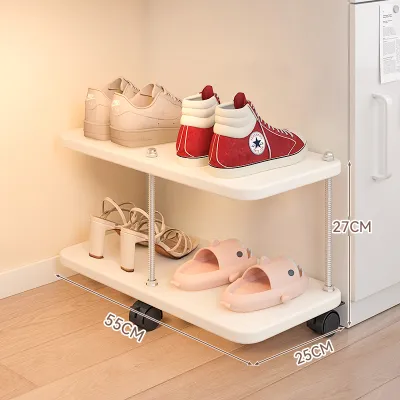
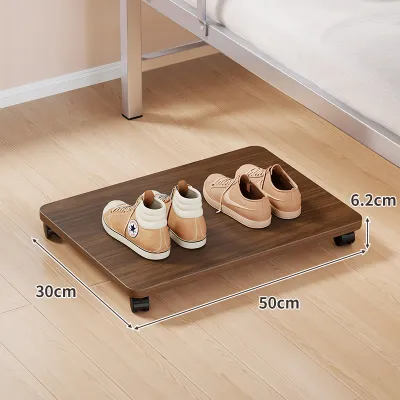
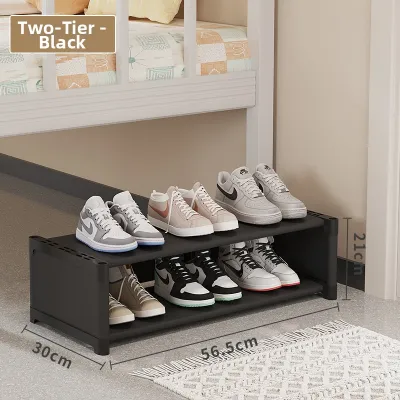
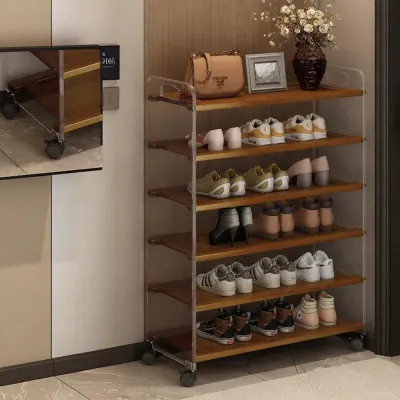
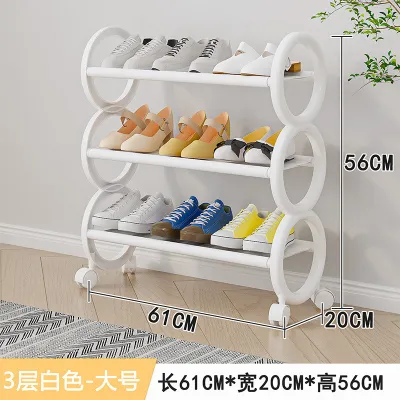
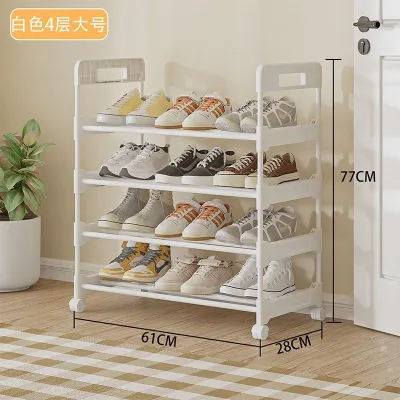
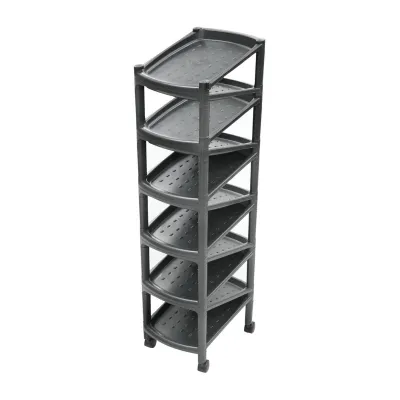
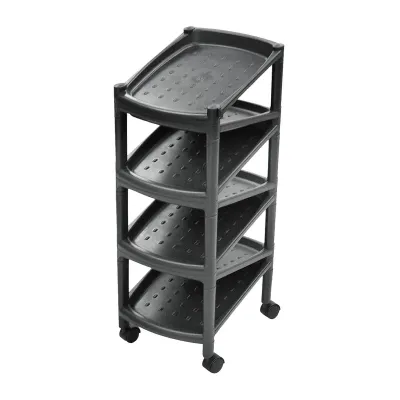
Prices are valid at publication and may change. Please refer to the product page for the latest price.
Next, calculate your required storage capacity by auditing your household’s active footwear collection. Count the number of pairs that need immediate, daily access, and factor in a small buffer for guests or future purchases. A standard pair of adult shoes typically requires about 20 to 25 centimeters of horizontal shelf width, while larger sneakers or athletic shoes may need more. If you have a multi-person household, a single-tier tray will quickly overflow, signaling the need for a multi-tier rolling cart.
Finally, consider the logistics of moving the unit between different zones of your home. If you intend to roll the shoe tray from the main foyer into a utility room, bedroom, or onto a balcony during cleaning days, verify the clearance of all intervening doorways and hallways. For multi-story homes or situations where you might need to transport the organizer between floors, check that the unit’s fully loaded weight and dimensions are manageable for your home’s layout or lift access. Taking these precise measurements beforehand prevents the frustration of purchasing a mobile organizer that is either too bulky to maneuver or too small to be useful.
Verify Materials, Load Ratings, and Build Quality
The high humidity levels characteristic of Singapore’s tropical climate demand careful scrutiny of the materials used in your wheeled shoe tray. Standard untreated wood or low-grade particleboard can quickly absorb moisture from damp shoes or atmospheric humidity, leading to warping, structural sagging, and mold growth. When evaluating frame materials, prioritize moisture-resistant options such as powder-coated steel, heavy-duty ABS plastic, or treated bamboo. Powder-coated steel frames offer exceptional structural rigidity and resistance to rust, provided the protective coating remains intact and free of deep scratches.

To ensure the unit can safely support your footwear collection, always check the manufacturer’s official load rating. This specification, usually detailed in the product manual or label, indicates the maximum weight capacity the frame and shelves can bear. A sturdy multi-tier wheeled rack should ideally support at least 5 to 10 kilograms per shelf, allowing you to store heavier items like leather boots, safety shoes, or wet weather gear without risk of structural failure. Avoid units that omit weight capacity ratings, as they are often constructed from thin-walled plastics or lightweight wire that can bend or buckle under moderate loads.
Surface treatments and finishes play a vital role in maintaining the appearance and hygiene of your shoe tray. Because footwear carries dirt, grit, and moisture from the outdoors, the shelves must feature a scratch-resistant, non-porous surface that is easy to wipe clean. Look for trays with smooth plastic liners, sealed laminate finishes, or rust-resistant metal grates. These surfaces allow you to quickly sanitize the unit with a damp cloth and mild household detergent, preventing the buildup of unpleasant odors and stubborn stains over time.
Equally important is the design of the joint connections and shelving brackets. When a shoe tray is in motion, the structural joints experience dynamic forces and vibrations that stationary furniture does not encounter. Inspect the assembly hardware to ensure the unit utilizes robust metal screws, locking nuts, or reinforced snap-fit joints rather than simple friction-fit plastic connectors. A well-engineered frame will remain rigid and stable when pushed or pulled, preventing the shelves from wobbling or collapsing during transport across your home.
Evaluate Wheel Mechanics and Essential Hardware
The usability and longevity of a mobile shoe tray depend heavily on the quality of its wheel mechanics. Caster wheels are available in various materials and designs, each suited to specific flooring types. For hard surfaces common in local homes, such as ceramic tiles, polished marble, or luxury vinyl tiles, soft rubber or polyurethane casters are highly recommended. These materials provide smooth, quiet rolling and offer excellent grip while protecting your floors from unsightly scratches and scuff marks. Conversely, hard nylon or cheap plastic wheels can slide rather than roll, potentially scraping delicate parquet or engineered wood flooring over time.
Maneuverability is determined by whether the casters are fixed or swivel. A high-quality wheeled shoe tray should feature 360-degree swivel casters, which allow you to guide the unit in any direction and navigate tight corners or narrow hallways with ease. To maintain complete control over the unit when it is stationary, ensure that at least two of the wheels are equipped with reliable locking brakes. These manual levers lock the wheels in place, preventing the tray from rolling unexpectedly on slightly uneven floors or when you are actively placing or removing heavy shoes.
Another essential hardware feature to look for is a raised edge or an integrated drip tray on the bottom tier. Singapore’s frequent afternoon downpours mean your shoes will often return home wet and muddy. A rolling tray with a raised perimeter lip—ideally between two to five centimeters high—acts as a containment barrier, preventing dirty water, sand, and debris from spilling onto your clean entryway floor. Some models feature removable plastic drip trays that slide out effortlessly, allowing you to empty collected water and wash the insert in the sink without having to clean the entire structural frame.
Configure Shelves for Your Specific Footwear Types
A successful mobile shoe storage setup must accommodate the diverse shapes and sizes of your household’s footwear. Standard flat shelves with fixed heights are suitable for low-profile shoes like flats, sandals, and loafers, but they quickly become impractical for high-top sneakers, ankle boots, or high heels. To maximize your storage efficiency, look for wheeled shoe trays that offer adjustable shelf heights or removable tiers. This flexibility allows you to customize the vertical spacing between shelves, ensuring that taller footwear can stand upright without being compressed or creased.
The angle of the shelves is another design element that influences both visibility and accessibility. Flat shelves are excellent for general storage and allow you to place shoes side-by-side without them sliding around when the unit is moved. However, slanted shelf designs can optimize vertical space and make it easier to view your collection at a glance, especially in low-light entryways. If you choose a slanted design, verify that the shelves feature a prominent front lip or a non-slip textured surface to keep the shoes securely in place while the tray is rolling.
Proper weight distribution is critical for maintaining the stability of any mobile shelving unit. When loading your wheeled shoe tray, always place your heaviest footwear—such as work boots, thick-soled sneakers, or leather dress shoes—on the bottom tier. This strategy lowers the unit’s overall center of gravity, significantly reducing the risk of the tray tipping over when you push or pull it across the room. Lighter footwear, such as slippers, sandals, and canvas shoes, should be reserved for the upper shelves to maintain a balanced and safe load distribution.
Maintain Mobility and Structural Integrity
To ensure your wheeled shoe tray continues to glide smoothly and lasts for years, establish a simple routine maintenance schedule. Over time, dust, pet hair, and outdoor debris can accumulate around the wheel axles, creating friction that impedes mobility and can cause the wheels to drag and scratch your floors. Every few months, turn the empty tray over and use a stiff brush or a vacuum crevice tool to clear away any debris from the caster housings. Applying a small drop of silicone-based lubricant to the wheel bearings can also help maintain silent, effortless rolling.
Regularly inspect the structural integrity of the frame, especially if you frequently move the shoe tray across different rooms. The vibrations from rolling over tile grout lines or door thresholds can gradually loosen assembly screws and joints. Use a screwdriver or hex key to gently tighten any loose hardware, ensuring you do not overtighten and strip the threads, particularly on plastic or soft wood components. If you notice any wobbling or misalignment, address it immediately to prevent uneven wear on the casters and frame.
Finally, clean the shelves and drip trays regularly to prevent the buildup of mold, bacteria, and unpleasant odors. Wipe down the surfaces with a soft microfiber cloth dampened with warm water and a mild, non-abrasive detergent. Avoid using harsh chemical cleaners or abrasive scrubbing pads, which can damage protective powder coatings or scratch plastic surfaces. Allow the unit to dry completely in a well-ventilated area before reloading your shoes, ensuring that no trapped moisture remains to compromise the materials or your footwear.
Frequently Asked Questions (FAQ)
Can I add wheels to an existing stationary shoe rack?
Yes, retrofitting caster wheels to a stationary shoe rack is often possible, but it requires careful evaluation of the unit’s base structure. Before purchasing casters, inspect the thickness and material of the bottom frame or legs to ensure they can support drilling and the concentrated weight of mounting plates. Be aware that modifying a stationary rack can alter its center of gravity, potentially introducing stability risks or tipping hazards when the unit is moved. Additionally, making structural alterations will almost certainly void any manufacturer warranties, so it is highly recommended to consult the manufacturer’s guidelines or a qualified professional before proceeding with any modifications.
How do I prevent a tall wheeled shoe rack from tipping over?
Preventing a tall, mobile shoe rack from tipping over requires adhering to strict loading and operational safety checks. Always load your heaviest shoes on the bottom shelves to establish a low center of gravity, and place lighter footwear on the upper tiers. When moving the unit, push or pull from the middle of the frame rather than the top to minimize leverage that could cause it to capsize. It is also essential to engage the wheel locks on at least two casters whenever the rack is stationary or being loaded. Finally, never exceed the manufacturer’s specified maximum weight limits for individual shelves or the overall unit, as overloading compromises structural balance and safety.
Community discussion
Share your experience or ask a question. Comments are reviewed before publication.