
Finding the perfect queen mattress in Singapore comes down to matching your personal sleep style with the right level of firmness. Because firmness is highly subjective, what feels like a cloud to one person might feel like a rigid plank to another. Choosing the ideal mattress requires understanding how different firmness levels support your body, how materials behave in a tropical climate, and how to verify specifications before making a purchase. By focusing on structural support and comfort layers, you can find a queen mattress that ensures restful sleep night after night.
Understanding Mattress Firmness Levels
The mattress industry typically uses a standard 1-to-10 firmness scale to help sleepers gauge how a bed will feel. On this scale, a rating of 1 represents an extremely soft surface with maximum sinkage, while a 10 represents an incredibly rigid, solid surface with virtually no give. Most mattresses on the market fall between a 3 (soft) and an 8 (firm), with a 6 to 6.5 generally classified as the industry-standard medium-firm.
It is crucial to distinguish between surface feel and deep structural support when evaluating these ratings. The surface feel is determined by the comfort layers, which are the top sheets of foam, latex, or fiber designed to cushion pressure points. Deep support, on the other hand, comes from the core layer—such as pocketed coils or high-density support foam—which keeps your spine aligned regardless of how plush the top layers feel.
Products mentioned in this guide
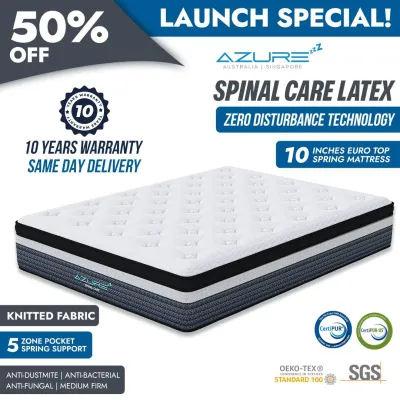
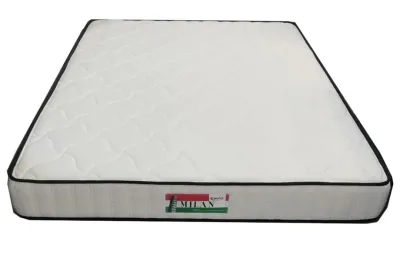
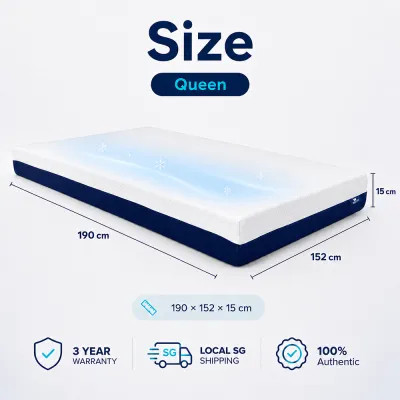
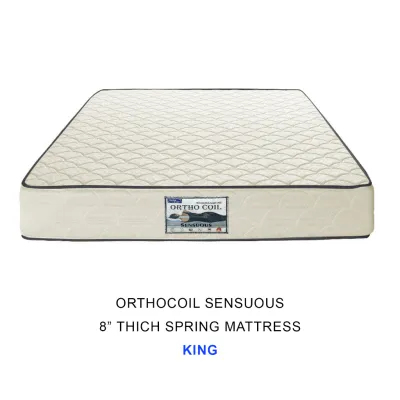
Prices are valid at publication and may change. Please refer to the product page for the latest price.
Your body weight plays a significant role in how you perceive these firmness levels. Lighter individuals often do not compress the comfort layers enough to reach the support core, making a medium mattress feel quite firm to them. Conversely, heavier sleepers exert more downward force, causing them to sink deeper into the mattress, which can make a medium mattress feel much softer and potentially compromise spinal alignment.
Furthermore, firmness is not universally standardized across different brands. A “medium” mattress from one manufacturer might feel like a “firm” from another due to variations in material density and construction. When researching options, it is always best to look at the specific material specifications and customer feedback rather than relying solely on the generic firmness label.
Matching Firmness to Your Sleep Position and Body Type
Your primary sleeping posture is the most reliable guide for determining your ideal firmness range. Side sleepers require a mattress that cushions the shoulders and hips, which are the primary pressure points in this position. A soft to medium mattress (typically rated 3 to 5) allows these wider parts of the body to sink in just enough, keeping the spine straight and preventing numbness or joint pain.

Back and stomach sleepers need a flatter, more supportive surface to prevent the pelvis from sagging. If your hips sink too deep, it arches the lower back unnaturally, leading to chronic morning stiffness. For these positions, a medium-firm to firm mattress (rated 6 to 8) provides the necessary upward resistance to keep the hips level with the shoulders and maintain a neutral spinal alignment.
Combination sleepers, who rotate through multiple positions during the night, benefit most from a responsive medium feel (rated 5 to 6). This range offers a balanced compromise, providing enough surface cushioning for side sleeping while maintaining sufficient core support for back sleeping. A responsive material also makes it easier to turn over without feeling stuck in a deep body impression.
Physical profile adjustments are essential to fine-tune these recommendations. Sleepers under 60 kg generally prefer softer surfaces to experience adequate contouring, while those over 90 kg require a firmer support core to prevent bottoming out. If you fall into a heavier weight category, look for mattresses with reinforced support layers to ensure the bed does not lose its structural integrity over time.
Singapore’s warm and humid climate can also influence how a mattress feels. Temperature-sensitive materials, such as traditional memory foam, tend to soften as they absorb body heat and ambient warmth. If you sleep without air conditioning, a mattress that starts out slightly firmer may soften to your preferred comfort level during the night as it retains heat.
Key Materials and Construction for Each Firmness Preference
Different mattress materials inherently lend themselves to specific firmness profiles. Memory foam and natural latex are popular choices for soft to medium mattresses. High-density memory foam contours closely to the body, distributing weight evenly and relieving pressure. Natural latex offers a cooler, more resilient alternative, providing a gentle push-back feel that keeps you on top of the mattress rather than sinking into it.
Innerspring and hybrid designs are excellent for achieving medium-firm to firm support. These mattresses combine a supportive base of steel coils with comfort layers of foam or latex on top. The gauge of the steel wire, the coil count, and how the coils are tempered directly influence the overall firmness. Thicker wire (a lower gauge number) and pocketed coils provide robust, localized support that minimizes motion transfer across the bed.
Zoned support systems offer targeted firmness by dividing the mattress into distinct regions. These systems typically feature firmer coils or denser foam in the middle third of the bed to support the heavier lumbar region, while using softer zones under the shoulders and legs. This targeted engineering helps maintain proper alignment across different sleep positions without requiring an excessively firm mattress overall.
When comparing options, check the manufacturer’s technical specifications on product labels or websites. For foam layers, look for density ratings (measured in kilograms per cubic meter) to gauge durability and support. For latex and some foams, you may find an Indentation Load Deflection (ILD) rating, where higher numbers indicate a firmer material that requires more force to compress.
How to Evaluate and Test Queen Mattresses Before Buying
Testing a mattress in a showroom requires a deliberate approach to get an accurate impression. Instead of briefly sitting on the edge or lying down for a few seconds, spend at least 15 to 20 minutes resting in your primary sleeping position. Pay close attention to how your lower back feels and whether you experience any pressure points on your hips or shoulders. Don’t hesitate to test the edge support by sitting on the very side of the bed, which is crucial for ease of getting up.
If you are purchasing a queen mattress online, carefully review the terms of the sleep trial and return policy. Many online brands offer trials ranging from 100 to 120 nights, but these often come with a mandatory break-in period of 3 to 4 weeks. This period is necessary because your body takes time to adjust to a new support system, and the mattress materials need time to settle. Ensure you understand who covers the return shipping fees and how the mattress must be packaged for return.
Your bed frame plays a critical role in how firm your mattress actually feels. A mattress placed on a solid platform or a frame with closely spaced slats will feel firmer and more supportive than one placed on flexible, bowed slats. Check the manufacturer’s guidelines for slat spacing—typically, slats should be no more than 5 to 7 centimeters apart—to prevent the mattress from sagging between the gaps, which can void your warranty.
Finally, verify the exact dimensions of the queen mattress before finalizing your purchase. In Singapore, a standard queen mattress measures 152 cm by 190 cm, which differs from the standard dimensions in other regions like the United States or Europe. Ensure your bed frame, fitted sheets, and bedroom layout are compatible with these specific measurements, leaving at least 60 to 75 centimeters of walking space around the sides and foot of the bed.
Additionally, consider the delivery logistics for your home. Many apartments and HDB flats in Singapore have tight hallways, sharp corners, or compact lifts. If you are purchasing a traditional, non-compressed mattress, measure your doorways and lift dimensions beforehand to ensure the delivery team can safely transport the mattress to your bedroom without damaging the frame or walls.
Building Your Condition-Based Mattress Shortlist
To make a confident decision, compile a personalized checklist based on your specific sleeping conditions. Start by defining your target firmness range based on your weight and primary sleep position. Next, establish your budget boundaries, keeping in mind that high-quality materials often translate to better long-term durability. Be sure to factor in delivery logistics, such as whether the delivery team can navigate tight stairwells or lifts, and whether they offer old mattress disposal services.
Material safety is another critical factor to verify on product labels or manufacturer websites. Look for recognized certifications such as CertiPUR-US for polyurethane foams or OEKO-TEX Standard 100 for textiles, which verify that the materials are free from harmful levels of toxic chemicals and heavy metals. If you are sensitive to smells, check for low-VOC (volatile organic compound) certifications to minimize the initial off-gassing odor when unboxing.
If you share your queen bed with a partner, prioritize motion isolation and edge support. Pocketed coil hybrids and memory foam mattresses excel at absorbing movement, preventing one person’s tosses and turns from waking the other. Robust edge support, often achieved through reinforced foam encasements or thicker coils around the perimeter, maximizes the usable sleep surface and prevents the feeling of rolling off the bed.
Frequently Asked Questions (FAQ)
Can a mattress topper change the firmness of my queen mattress?
A mattress topper is an effective tool for adding plushness to a bed that feels too firm, but it cannot fix a mattress that is sagging or overly soft. Toppers work by introducing a new comfort layer, such as memory foam, latex, or down, which cushions pressure points. When selecting a topper, check its thickness and material density to ensure it provides the desired feel, and verify that your fitted sheets have deep enough pockets to accommodate the added height.
Do both partners need to agree on the same firmness level?
Couples with different firmness preferences do not have to compromise on comfort. Many manufacturers offer dual-firmness queen mattresses, where each side of the bed is constructed with a different firmness level. Alternatively, you can opt for a medium-firm mattress as a base and customize one side using a single-size mattress topper. This approach allows both sleepers to get the specific support and pressure relief they need without requiring separate beds.
Will my queen mattress feel softer or firmer over time?
Almost all new mattresses undergo a break-in period during which the comfort layers soften slightly and conform to your body shape. This process typically takes anywhere from two to four weeks of regular use. Over several years, however, materials will naturally wear down, which can lead to permanent softening or sagging. To protect your investment, review the manufacturer’s warranty terms to see what depth of sagging or body impressions qualifies for a replacement claim.
Community discussion
Share your experience or ask a question. Comments are reviewed before publication.