
Maximizing floor space is a primary goal for many homeowners in Singapore, where modern apartments and HDB flats require creative layout solutions. When every square meter counts, furniture must work twice as hard. A multi-functional storage ottoman is one of the most versatile investments you can make for your home, serving simultaneously as comfortable seating, a hidden storage unit, a footrest, or even a temporary coffee table. By consolidating multiple functions into a single footprint, these pieces help reduce visual clutter while keeping daily essentials within easy reach.
However, finding the right storage ottoman involves more than simply picking a color that matches your sofa. To get the most value from your purchase, you need to evaluate how the piece fits into your daily routine, how its materials will hold up in Singapore’s humid climate, and whether its dimensions align with your physical space. This guide provides a comprehensive framework to help you assess structural quality, match functions to your specific living areas, and navigate the spatial planning required for a seamless delivery and setup.
Key Evaluation Criteria for Multi-Functional Storage Ottomans
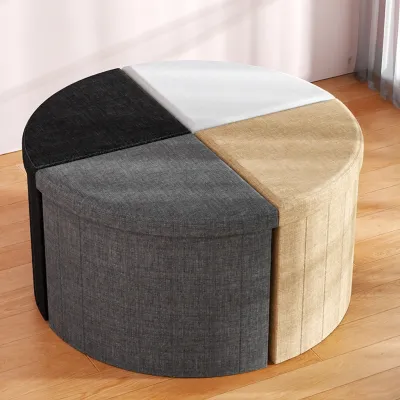
When shopping, distinguish between basic models that merely offer a hollow compartment and true multi-functional designs. A basic storage ottoman typically features a simple lift-off lid, which can be cumbersome to handle and offers limited utility. In contrast, highly functional designs incorporate features like reversible tops that transform into hard-surface trays, nesting stools that slide out for guests, or modular frames that can be reconfigured to complement different seating arrangements.
Products mentioned in this guide
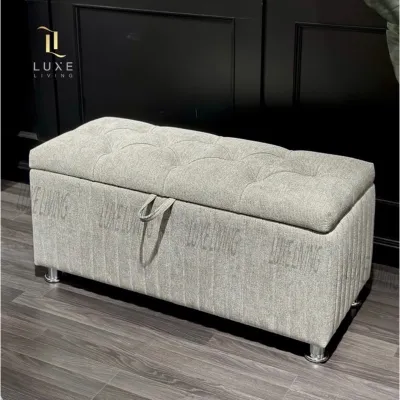
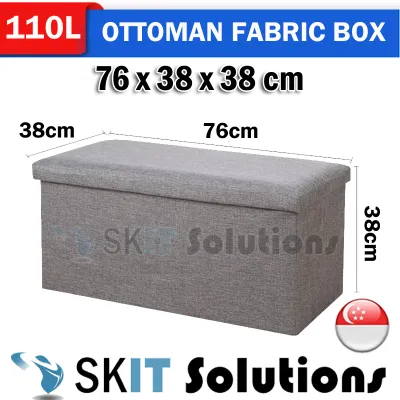
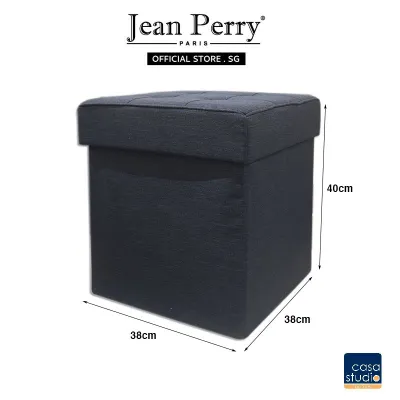
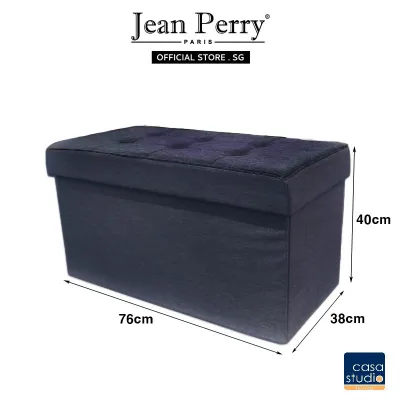
Prices are valid at publication and may change. Please refer to the product page for the latest price.
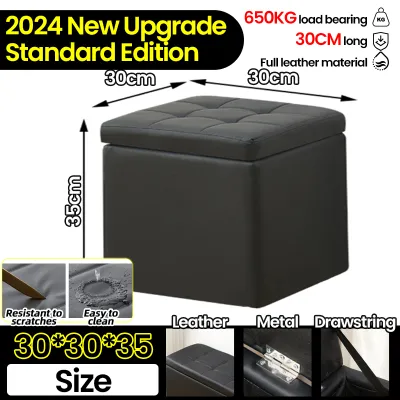
Structural integrity is the most critical factor when evaluating any multi-functional furniture piece. Because these items are designed to be sat on, leaned against, and opened frequently, they must be built to withstand regular physical stress. Always check the manufacturer’s specifications for weight capacity limits. A high-quality ottoman should feature a frame constructed from solid timber or reinforced metal rather than thin particleboard or medium-density fibreboard (MDF), which can warp or split under heavy loads over time. Look for joints that are screwed, glued, or dowelled rather than simply stapled together.
Safety mechanisms are equally vital, particularly for the moving parts of the ottoman. If you select a model with a hinged lid, inspect the hardware closely. High-quality ottomans utilize safety tension hinges, hydraulic gas lifts, or soft-close mechanisms. These components prevent the heavy lid from slamming shut unexpectedly, protecting fingers from getting pinched and reducing wear and tear on the frame. If you have children or pets in your household, a lid that stays open at any angle without support is an essential safety feature to verify before buying.
Finally, evaluate the upholstery based on actual household conditions and care instructions rather than aesthetic appeal alone. Manufacturers provide care labels that detail the fabric’s composition, stain resistance, and recommended cleaning methods. For high-traffic areas, look for performance fabrics that have undergone rigorous durability testing, such as high rub-count ratings. Avoid relying on generic material descriptions; instead, look for specific manufacturer guarantees regarding fabric durability, water repellency, and ease of spot cleaning to ensure the piece remains presentable over years of daily use.
Matching Functions to Your Living Space and Lifestyle
The ideal configuration of a storage ottoman depends heavily on where it will be placed and how your household functions on a daily basis. Different rooms demand different priorities, and understanding these nuances will help you select a piece that integrates seamlessly into your lifestyle.

In a living room setup, a storage ottoman often takes center stage, frequently positioned in front of the main sofa. If you plan to use the ottoman as a central hub, look for designs featuring a reversible top. These models typically have a plush, upholstered side for resting your feet and a flat, hard-surfaced reverse side made of wood veneer, laminate, or lacquer. This allows you to flip the top instantly to create a stable surface for holding drinks, books, or decorative items. Alternatively, you can opt for an upholstered ottoman that comes with a custom-fitted, removable wooden tray that sits securely over the top, providing the same stability without the need to flip the entire lid.
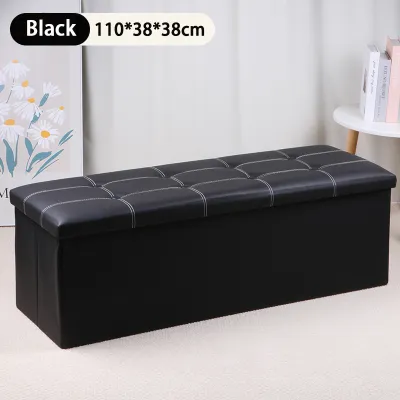
For bedrooms and entryways, the focus shifts toward comfortable seating height and quick access to stored items. An entryway storage bench should be at a comfortable height for sitting down to put on or remove shoes, typically between 40 and 45 centimeters from the floor. The storage compartment in this area is best suited for items like umbrellas, shoe horns, or clean indoor slippers. In the bedroom, placing a long storage ottoman bench at the foot of the bed provides an excellent spot for putting on socks while offering deep storage for extra bedsheets, heavy blankets, or seasonal clothing. For these spaces, look for hinged lids or smooth-sliding drawers that allow you to access the interior without having to lift off a heavy top entirely.
In compact apartments, space-saving designs like foldable, nesting, or modular ottomans offer maximum flexibility. Foldable models feature collapsible walls, allowing you to store them flat under a bed or inside a wardrobe when not needed. Nesting ottomans house smaller stools inside that slide out for guests and tuck away neatly afterward. Modular designs allow you to push multiple units together to form a temporary chaise lounge or separate them around the room to create individual seating zones.
Sizing, Weight Capacity, and Spatial Planning
Relying on visual estimation rather than precise measurements is a common mistake when buying furniture. Because a storage ottoman is a highly physical piece that people interact with daily, careful spatial planning is essential to ensure comfort, safety, and accessibility.
First, measure the physical clearances in the room where the ottoman will be placed. You must maintain clear walkways to allow comfortable movement around the furniture. As a general rule, leave at least 60 to 75 centimeters of open space between the ottoman and adjacent furniture, such as the sofa, TV console, or armchairs. If you choose an ottoman with drawers that slide out or a lid that swings outward, factor in the fully extended dimensions of these parts. Ensure that opening the storage compartment does not block main pathways or collide with other household items.
Second, verify the manufacturer’s weight capacity specifications to ensure the piece can safely support its intended use. Weight limits are typically divided into static weight (the maximum weight the ottoman can support when a person sits still) and dynamic weight (the limit when weight is shifted or dropped onto the surface). A single-seat storage ottoman should have a static weight capacity of at least 100 to 120 kilograms. For larger bench-style ottomans designed to seat two or more people, look for a weight capacity of 180 to 200 kilograms or more. Never exceed these limits, as overloading can compromise the internal frame joints and lead to sudden structural failure.
Finally, do not overlook the delivery access routes. In Singapore, navigating high-rise apartment buildings presents unique delivery challenges. Before finalizing your purchase, measure the height, width, and depth of your building’s passenger lift, as well as the width of your apartment’s front door frame and any tight corridor turns. If the ottoman is delivered fully assembled, the packaging box will be significantly larger than the product itself. Verifying these dimensions beforehand prevents the frustration of delivery failures, return shipping costs, or additional manual handling fees charged by delivery personnel for navigating stairs.
Materials, Upholstery, and Maintenance Requirements
The longevity of your storage ottoman depends on its materials and maintenance. Singapore’s tropical climate, characterized by high humidity and warm temperatures, requires a deliberate approach to material selection and care.
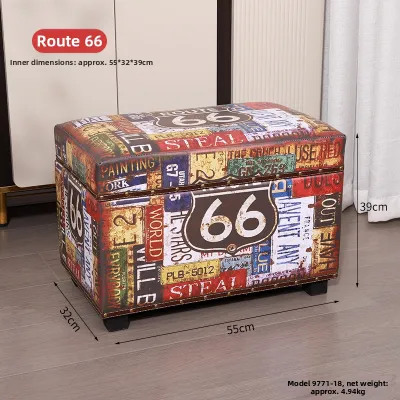
Upholstery fabrics react differently to humidity and daily wear. When reviewing product options, look closely at the manufacturer’s care labels. Synthetic fibers, such as high-grade polyester, nylon, or microfiber blends, are highly practical choices for humid environments. These materials are generally resistant to moisture absorption, less prone to stretching, and easier to spot-clean with mild upholstery cleaners. If you prefer the look of leather, genuine top-grain leather is highly durable but requires regular conditioning to prevent cracking in air-conditioned rooms. Faux leather or polyurethane (PU) options are easy to wipe clean but can degrade or peel over time if exposed to high humidity or direct sunlight; look for high-quality, hydrolysis-resistant PU if choosing synthetic leather.
The internal frame and hardware require equal attention. High humidity can affect wood and metal components hidden beneath the upholstery. Ensure the internal storage compartment is lined with a clean, breathable fabric or a smooth, sealed wood finish to protect your stored items from splinters or snagging. Inspect the metal hinges, screws, and gas lifts to confirm they are made of rust-resistant materials or have been treated with a protective coating. Low-grade metal hardware can rust quickly in humid conditions, leading to squeaking, stiff movement, or complete hinge failure.
Environmental placement plays a significant role in maintenance. If your ottoman is placed near a balcony door or a large window, it will be exposed to direct sunlight and potential rainwater splashes. UV rays can fade fabric colors and weaken fibers over time, while moisture can lead to mold growth. To protect your investment, position the ottoman away from direct sunlight or use UV-blocking window films. Ensure the room is well-ventilated, and consider running a dehumidifier periodically to keep indoor humidity levels within a safe range for both the wooden frame and the fabric upholstery.
Pre-Purchase Checklist and Delivery Verification
To ensure a smooth purchasing experience and avoid common pitfalls, use this actionable checklist before confirming your order and during the delivery process.
Before Placing Your Order
- Confirm Dimensions: Cross-reference the ottoman's height, width, and depth with your measured floor space, ensuring a minimum of 60 centimeters of clearance around all sides.
- Check Access Routes: Measure your apartment's front door, hallway turns, and the building's lift dimensions to guarantee the packaged item can be delivered safely.
- Verify Weight Limits: Ensure the manufacturer's specified static weight capacity meets the needs of your household members and guests.
- Review Warranty Terms: Check the warranty coverage period, focusing specifically on what is covered (e.g., frame structure, hinge mechanisms, or fabric stitching) and the retailer's return policy.
- Determine Assembly Requirements: Confirm whether the ottoman is delivered fully assembled, requires basic leg attachment, or demands professional assembly.
Upon Delivery and Setup
- Inspect the Exterior: Check the entire fabric or leather surface for any tears, stains, loose threads, or uneven stitching.
- Test the Hinges: Open and close the lid several times. The movement should be smooth, quiet, and controlled. If the lid has a safety tension hinge, verify that it holds the lid open without falling.
- Check Structural Stability: Sit on the ottoman to check for any wobbling, creaking, or flexing in the frame. The feet should sit perfectly flat on your floor.
- Examine the Interior: Open the storage compartment and run your hand along the lining to check for any exposed staples, rough wood edges, or dampness.
Frequently Asked Questions (FAQ)
Can a storage ottoman safely replace a traditional coffee table?
Yes, a storage ottoman can serve as an excellent replacement for a traditional coffee table, provided it is equipped with a stable, flat surface. Placing cups, glasses, or hot dishes directly on a soft, upholstered top is highly unstable and increases the risk of spills and fabric damage. To use an ottoman safely as a table, select a model with a reversible lid that features a hard wooden or laminate tray on the underside. Alternatively, you can place a large, sturdy, flat-bottomed serving tray with raised edges on top of the upholstered surface. Always ensure that any hot items are placed on heat-resistant coasters or trivets rather than directly on synthetic fabrics or faux leather to prevent melting or permanent marking.
How do I prevent mold or odors inside the storage compartment?
Preventing mold and musty odors inside a storage ottoman is crucial in Singapore’s humid climate. Because the storage compartment is typically enclosed and lacks natural airflow, moisture can easily become trapped inside. To protect your stored items, place moisture-absorbing products such as silica gel packets, activated charcoal bags, or small disposable dehumidifier tubs inside the compartment, replacing them regularly as they saturate. Never store damp, unwashed, or soiled items, such as shoes worn in the rain or damp beach towels, inside the ottoman. Additionally, make it a habit to leave the ottoman lid open for a few hours during dry, air-conditioned days to allow fresh air to circulate and clear out any trapped moisture.
Community discussion
Share your experience or ask a question. Comments are reviewed before publication.