
Selecting the right bed side shelf for a compact bedroom requires balancing spatial limitations with structural safety. In typical high-density housing layouts, such as Singapore’s Housing & Development Board (HDB) flats, floor space is at a premium. Standard bedside tables often block wardrobe doors, restrict walkway access, or simply make a small room feel cluttered. A foldable or collapsible bedside shelf offers an elegant solution, providing a temporary surface for nighttime essentials that can be tucked away when not in use.
To find the ideal option, you must evaluate three primary folding mechanisms: clamp-on shelves that attach directly to the bed frame, wall-mounted drop-leaf tables that fold flat against the wall, and freestanding collapsible tables that can be stored elsewhere. The right choice depends on your bed frame design, wall construction, and how much clearance you have around the bed. Prioritizing manufacturer-stated load capacities and secure locking mechanisms ensures your setup remains safe and functional over years of daily use.
Assessing Your Bedroom Layout and Bed Frame Constraints
Before browsing online marketplaces or local furniture showrooms, you must take precise measurements of your bedroom layout. The most critical measurement is the clearance between the edge of your mattress and the nearest obstacle, whether that is a sliding wardrobe door, a bedroom door, or an adjacent wall. In many modern HDB bedrooms, this walkway can be as narrow as 50 to 60 centimeters. A deployed bedside shelf should not force you to squeeze past the bed or risk painful bumps in the dark. Measure the exact width of the walkway and compare it to the extended width of any shelf you consider, ensuring you retain at least 30 centimeters of clear walking space when the shelf is fully open.
Products mentioned in this guide
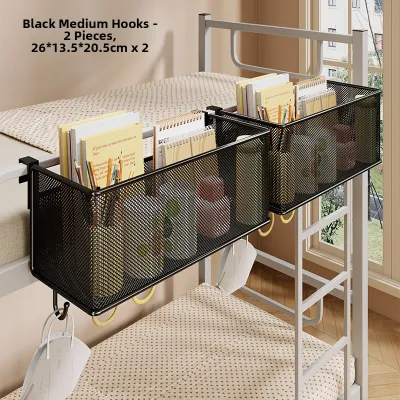
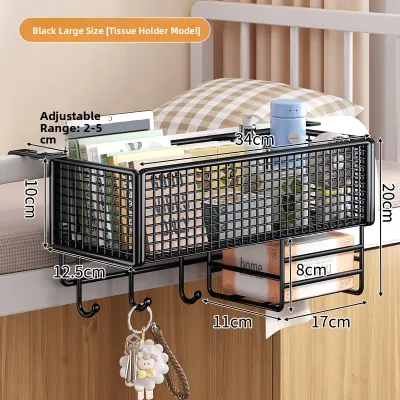
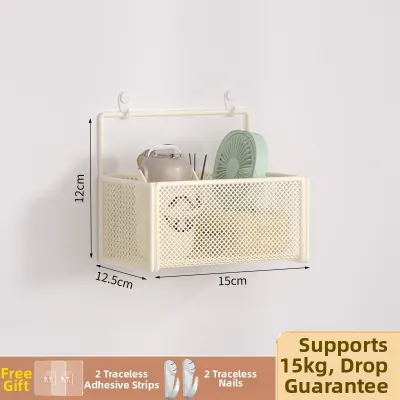
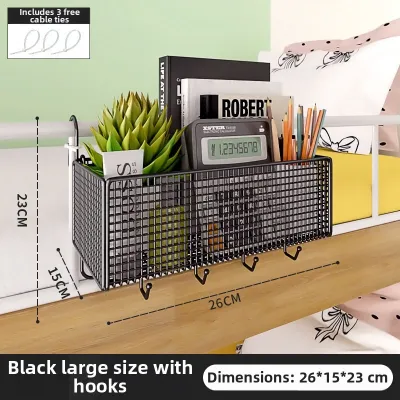
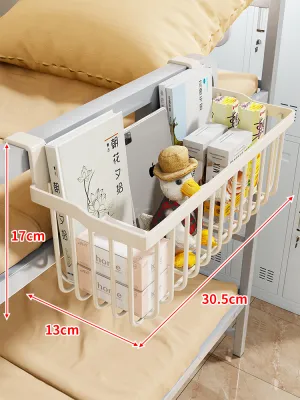
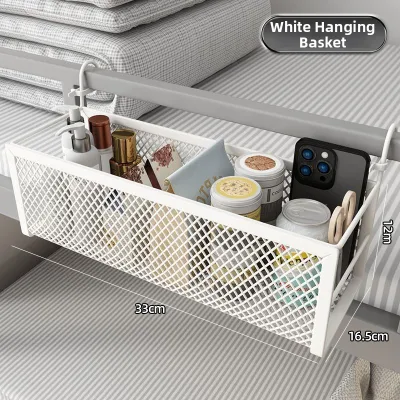

Prices are valid at publication and may change. Please refer to the product page for the latest price.
Next, examine the structure of your bed frame. Clamp-on bedside shelves require a exposed, sturdy flat edge or headboard to grip onto. Use a measuring tape to determine the exact thickness of your bed frame’s side rails or headboard. Many clamp-on models are designed for standard frame thicknesses, typically ranging from 1.5 to 5 centimeters. If your bed frame has a fabric-upholstered surround, deep tufting, or a highly rounded edge, a clamp-on shelf will not sit level or secure. In such cases, pressure-based clamps can slip, potentially damaging both the frame and any items placed on the shelf.
Finally, identify the composition of the wall adjacent to your bed if you are considering a wall-mounted drop-leaf shelf. In Singapore flats, bedroom walls are generally either solid structural concrete or hollow drywall partitions. Structural concrete walls offer exceptional load-bearing capacity but require a rotary hammer drill and heavy-duty masonry wall plugs for installation. Hollow partition walls, often used to divide bedrooms or create built-in wardrobes, require specialized toggle bolts or hollow-wall anchors. Mounting a folding shelf to a partition wall without the correct anchors can lead to sudden structural failure, tearing the drywall and damaging your property.
Comparing Types of Foldable Bedside Shelves
Foldable bedside shelves generally fall into three distinct design categories, each offering unique spatial advantages and requiring specific room conditions. Choosing the right style involves matching your home’s structural limitations—such as rental drilling restrictions or bed frame designs—with your daily storage needs.

To help you determine the most suitable category for your bedroom, consider how each type performs across key structural and installation criteria.
Clamp-On Foldable Shelves
Clamp-on foldable shelves are highly popular for their tool-free installation and zero-floor-footprint design. These shelves utilize adjustable screw clamps to grip the side rail of your bed frame, extending outward to hold your phone, glasses, or a cup of water. Because they do not require drilling into walls, they are an exceptional choice for tenants who must return their rooms undamaged at the end of a lease.
When selecting a clamp-on model, always verify the manufacturer’s specified frame thickness compatibility. A clamp that is forced onto a frame that is too thick will suffer from thread strain, while a clamp on a frame that is too thin may wobble even when fully tightened. Additionally, check whether the product includes protective padding, such as silicone or felt liners, on the clamping surfaces. Without this padding, the metal or hard plastic clamps can easily scratch, dent, or strip the paint off wooden and metal bed frames over time.
Weight distribution is another critical factor for clamp-on designs. Because these shelves are cantilevered over the edge of the bed frame, placing heavy items on the outer edge creates significant rotational force. This torque can cause the shelf to tilt downward or put undue stress on your bed frame’s joints. To maintain stability, look for models with wide clamping bases or dual-clamp configurations, and restrict their use to lightweight nighttime essentials.
Wall-Mounted Drop-Leaf Shelves
Wall-mounted drop-leaf shelves offer a permanent, highly stable bedside surface that folds completely flat against the wall when not in use. This design is ideal for ultra-compact bedrooms where every millimeter of floor space matters, as it eliminates the need for legs or bulky support frames. When folded down, these shelves typically protrude less than 5 to 8 centimeters from the wall, keeping walkways entirely clear.
Successful installation of a wall-mounted shelf depends heavily on matching the mounting hardware to your wall type. For solid concrete walls, standard plastic wall plugs and steel screws are sufficient. For hollow partition walls, you must locate the internal timber or metal studs using a stud finder, or utilize heavy-duty metal toggle bolts that expand behind the plasterboard. Attempting to mount a drop-leaf shelf directly into drywall with standard screws will inevitably result in the shelf pulling out of the wall under load.
Before purchasing, inspect the hinge and locking mechanisms of the drop-leaf bracket. High-quality brackets feature spring-loaded locking pins or self-locking hinges that click securely into place when the shelf is raised. Avoid designs that rely solely on friction or loose support rods, as these can easily be knocked out of place, causing the shelf to collapse unexpectedly. Also, consider the visual footprint of the brackets when the shelf is folded down; some designs leave bulky metal arms exposed, while others fold away discreetly behind the wooden panel.
Freestanding Collapsible Side Tables
For those who cannot drill into walls and possess bed frames incompatible with clamp-on models, freestanding collapsible side tables provide a highly flexible alternative. These tables feature folding legs—often utilizing an X-frame or nesting design—that allow the entire unit to fold flat to a thickness of just a few centimeters. When guests visit or when you need to clean the room, the table can be collapsed and slid out of sight.
To ensure a freestanding table is practical for daily use, measure its folded dimensions and compare them to your available storage spaces. Ideally, the collapsed table should fit easily under your bed frame or inside a nearby wardrobe. If your bed frame sits low to the ground, measure the vertical clearance beneath it to ensure the folded table can slide underneath without catching on the dust ruffles or frame supports.
Base stability is the primary safety concern for freestanding folding tables. Because they lack permanent attachment to a wall or bed, they are more susceptible to tipping if bumped in the dark. Look for models with wide, slip-resistant feet and a low center of gravity. Avoid tables with highly narrow bases or top-heavy designs. The unfolding mechanism should operate smoothly and feature a manual safety latch or locking ring that prevents the legs from folding back up if the table is accidentally nudged or shifted.
Essential Specifications and Safety Checks Before Buying
When shopping for a bed side shelf, it is easy to be swayed by minimalist aesthetics or low prices. However, prioritizing safety and material durability will prevent accidents and ensure your investment lasts. Always consult the manufacturer’s official specification sheet rather than relying on product images, which often use clever styling to make small shelves appear larger and sturdier than they are.
- Verify the Maximum Load Capacity: Never guess how much weight a shelf can hold. Look for the certified weight limit on the product label. For clamp-on shelves, this is typically between 3 and 7 kilograms, while wall-mounted options on concrete can support 10 to 15 kilograms. Remember that placing a heavy object on the edge of a shelf exerts more force than placing it near the mount.
- Assess Material Resistance to Moisture and Heat: Bedside shelves frequently hold water glasses, mugs of hot tea, or humidifiers. Untreated wood or low-grade MDF (medium-density fibreboard) can quickly swell, warp, or peel when exposed to condensation or spills. Look for shelves made from water-resistant materials, such as powder-coated steel, high-density plastics, or engineered wood sealed with a durable melamine or laminate finish.
- Inspect the Folding Lock Mechanism: A folding shelf must have a positive locking system. This means the shelf cannot fold down unless a specific lever, button, or pin is manually disengaged. Avoid designs that rely purely on gravity or friction to stay upright, as a simple upward bump from your knee while getting out of bed could release the mechanism and spill your belongings.
- Check for Raised Edges or Lip Details: A small raised border or lip around the perimeter of the shelf is an invaluable feature for bedside use. It prevents round items, such as pens, lip balms, or rolling smart devices, from sliding off the edge in the middle of the night.
Installation and Long-Term Maintenance Checklist
Proper installation and regular maintenance are vital to keeping your foldable bedside shelf safe and level. Over time, the repeated motion of folding and unfolding, combined with the vibrations of daily movement, can loosen screws and clamps.
To ensure your shelf remains secure, follow this practical setup and maintenance routine:
- Use the Correct Tools and Hardware: During assembly, do not substitute the manufacturer's provided screws or brackets unless you are upgrading to specialized wall anchors. Ensure all screws are driven in straight and flush with the surface. If mounting to concrete, use a spirit level to ensure the brackets are perfectly horizontal before drilling.
- Perform a Gradual Load Test: Once installation is complete, do not immediately place your expensive smartphone or a full glass of water on the shelf. Test the stability gradually. Start by placing a few light books on the shelf, then slowly increase the weight over 24 hours while observing the brackets or clamps for any signs of sagging, bending, or slipping.
- Tighten Hardware Periodically: Make it a habit to inspect the mounting hardware every few months. For clamp-on models, check that the clamping screws have not backed out due to bed movement. For wall-mounted shelves, verify that the wall plugs remain firmly seated in the wall and that the hinge screws are tight.
- Clean and Lubricate Hinges: Dust and lint from bedding can accumulate in folding hinges, causing them to stiffen or squeak. Wipe the joints clean with a dry microfiber cloth regularly. If the folding mechanism becomes stiff, apply a tiny drop of silicone-based lubricant to the pivot points, wiping away any excess to prevent stains on your bedding.
Frequently Asked Questions (FAQ)
Can I mount a folding shelf on a hollow partition wall?
Yes, you can mount a folding shelf on a hollow partition wall, but you must use specialized hardware. Standard plastic wall plugs designed for concrete will pull straight out of drywall under minimal weight. Instead, you must use heavy-duty hollow-wall anchors, such as metal toggle bolts or self-drilling plasterboard anchors, which expand behind the wall board to distribute the weight over a larger surface area.
Additionally, you must adhere to strict weight limits. Even with high-quality toggle bolts, hollow partition walls cannot support the same load as solid concrete. Keep the total weight on the shelf—including the shelf itself—well under 5 kilograms, and avoid leaning on the shelf when getting in or out of bed. If you plan to place heavier items on the shelf, use a stud finder to locate the internal timber or metal studs and screw the mounting brackets directly into those structural supports. If you are unsure of your wall’s load capacity, consult a qualified handyman or contractor.
How do I prevent a clamp-on shelf from scratching my bed frame?
To prevent a clamp-on shelf from scratching or denting your bed frame, you should install a protective barrier between the clamp and the frame material. While some premium shelves come with pre-installed rubber or foam pads, many budget-friendly options feature bare plastic or metal clamps that can easily mar wood finishes or chip paint.
You can easily create your own protective padding by purchasing adhesive-backed felt pads, thin silicone sheets, or rubber grip tape. Cut the material to match the size of the clamp’s contact points and stick it firmly to the clamp before mounting the shelf to your bed.
Furthermore, avoid overtightening the securing screws. The clamp needs to be snug enough to prevent movement, but excessive force can crush wood fibers or bend metal frames. Finally, remove the shelf every few months to clean the clamping area. Dust and grit can migrate beneath the pads over time, and the natural movement of the bed can grind these particles into the frame’s finish, causing micro-scratches.

Community discussion
Share your experience or ask a question. Comments are reviewed before publication.