
Finding the right furniture for a living room requires balancing aesthetics with spatial efficiency. A 150cm TV console represents a highly popular sweet spot for many homes, particularly standard apartments and modern condominiums. This specific width is large enough to support modern mid-to-large televisions while remaining compact enough to preserve precious floor space and maintain clear walkways. Selecting the ideal unit involves looking beyond mere aesthetics to evaluate structural integrity, storage configurations, and delivery logistics.
Verifying Your Space and Delivery Clearances
Before purchasing a 150cm TV console, precise measurements of your living area are essential. While the console itself is exactly 1.5 metres wide, the wall space it occupies should ideally be wider to prevent the room from feeling cramped. Leaving a margin of at least 10 to 20 centimetres on either side of the console creates a balanced visual frame and ensures that adjacent features, such as curtains, floor lamps, or doorway frames, are not obstructed.
Delivery logistics are another critical factor that homeowners often overlook. A 150cm console is a bulky item, and its packaging will be even larger. You must measure your home’s entry points, including the height and depth of the estate’s passenger lift, the width of the main front door, and any tight corridor turns. If you live in a walk-up apartment or have internal staircases, ensure there is sufficient clearance to maneuver a long, heavy box without damaging the walls or the furniture.
Products mentioned in this guide
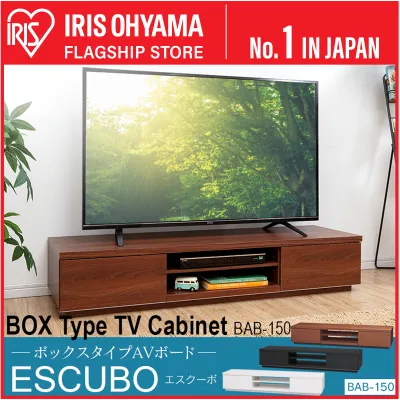
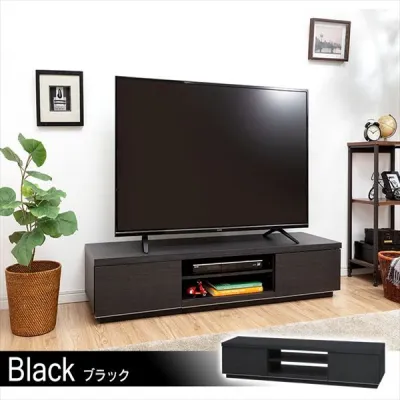
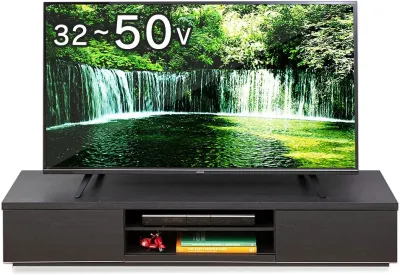
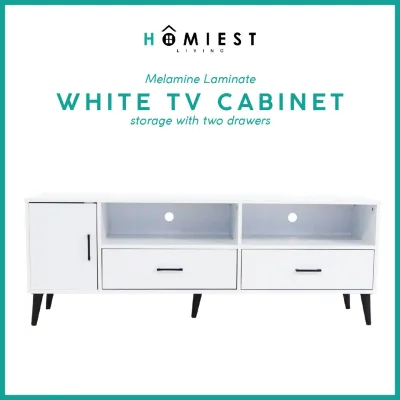
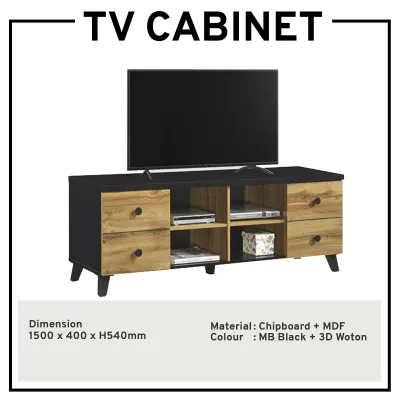
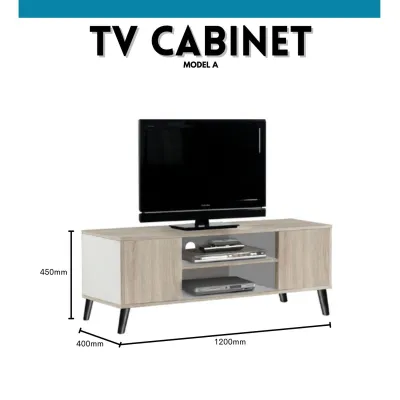
Prices are valid at publication and may change. Please refer to the product page for the latest price.
Additionally, inspect the lower section of your target wall for architectural details. Skirting boards can prevent a flat-backed console from sitting flush against the wall, leaving an awkward gap where dust can accumulate. Take note of the exact placement of power outlets, television antenna ports, and fibre optic broadband points. A well-designed console should either feature a recessed back panel or align its openings with your wall outlets to keep cables hidden and accessible.
Key Features to Evaluate in a 150cm TV Console
The internal configuration of your console directly impacts how tidy your living room remains. Homeowners must choose between open shelving, closed cabinets, or a combination of both. Open shelves are excellent for media players, gaming consoles, and smart home hubs because they allow uninterrupted infrared signals from remote controls and facilitate natural airflow to prevent electronics from overheating. However, they also expose your equipment to dust, which accumulates quickly in tropical environments.

Closed cabinets and drawers, on the other hand, are perfect for concealing clutter, such as spare cables, controllers, and manuals. When opting for closed storage, look for features like soft-close hinges and smooth drawer runners, which enhance the daily user experience and prolong the lifespan of the furniture. If you plan to store media devices behind closed doors, consider consoles with slatted wood fronts or glass panels that allow remote control signals to pass through without needing to keep the doors open.
Weight capacity is a critical safety specification that must be verified before purchase. Even if a console is 150cm wide, its structural load limit determines what it can safely support. Check the manufacturer’s specifications for both the top surface and the internal shelves, especially if you plan to place a heavy television, large bookshelf speakers, or an audio-video receiver on it. Furthermore, look for integrated cable management holes at the back of each compartment and adjustable internal shelves that can be repositioned to accommodate devices of varying heights.
Matching Styles and Materials to Your Room
A 150cm TV console should complement the existing design theme of your home. For a modern minimalist or Scandinavian look, light-coloured woods like oak or rubberwood, paired with clean lines and tapered legs, help maintain a bright and airy feel. If your home leans toward an industrial or rustic aesthetic, consoles featuring darker walnut finishes, textured metal frames, or distressed wood elements can add depth and character to the space.
Material selection also dictates the maintenance routine required to keep the console looking pristine. Solid wood offers timeless beauty and durability, but it can be sensitive to extreme humidity fluctuations and direct sunlight, which may cause warping or fading over time. Engineered wood options, such as high-density fiberboard finished with high-quality laminates or wood veneers, offer excellent stability and scratch resistance at a more accessible price point. For a sleek, contemporary touch, consoles with sintered stone or tempered glass tops provide a highly durable, heat-resistant surface that is incredibly easy to wipe clean.
Do not forget to evaluate the base design and leg height of the console. If you use a robotic vacuum cleaner, ensure the clearance beneath the console is high enough for the vacuum to pass under freely—typically a minimum of 10 to 12 centimetres is required. Alternatively, a floor-standing plinth design or a wall-mounted floating console completely eliminates the gap underneath, preventing dust bunnies from gathering and simplifying your floor cleaning routine.
Installation, Safety, and Cable Management
Proper assembly and installation are paramount to ensuring the long-term stability of your furniture. If you choose a flat-pack console, follow the manufacturer’s step-by-step instructions meticulously, ensuring every cam lock, screw, and dowel is tightened securely. Periodically check these structural connections after a few weeks of use, as the weight of your electronics can cause minor settling.
For households with young children or active pets, securing the TV console to the wall is a vital safety measure. Even a sturdy 150cm console can become a tipping hazard if a child attempts to climb it or if a heavy television is pushed near the edge. Use appropriate anti-tip brackets and wall anchors suited to your specific wall material—such as heavy-duty plastic plugs for concrete walls or toggle bolts for drywall partitions.
Finally, dedicate time to organizing your power and data cables during the initial setup. Use cable ties, hook-and-loop straps, or adhesive clips to route wires neatly through the console’s designated cable ports. Keeping cables off the floor not only prevents tripping hazards but also makes cleaning much easier and ensures that warm air can circulate freely around your electronic devices, reducing the risk of overheating.
Frequently Asked Questions (FAQ)
Can a 150cm TV console hold a 65-inch or larger TV?
Yes, a 150cm TV console can physically accommodate a 65-inch television, but there are important spatial and structural factors to consider. A standard 65-inch TV has an overall width of approximately 145cm. Placing it on a 150cm console leaves only about 2.5cm of clearance on each side, which can look visually crowded. Before proceeding, you must verify that the TV’s stand fits entirely within the console’s depth and width, and that the total weight of the television does not exceed the manufacturer’s certified weight capacity for the console’s top surface.
Do I need to assemble a 150cm TV console myself?
Whether you need to assemble the console yourself depends entirely on the retailer and the specific product type you purchase. Many local furniture retailers offer professional delivery and assembly services, either included in the purchase price or available as an optional add-on fee. If you purchase a flat-pack unit from an online marketplace, it will arrive disassembled with all necessary hardware, requiring basic tools and some DIY effort to put together. If you are uncomfortable with assembly, it is highly recommended to opt for professional installation to ensure structural safety.

Community discussion
Share your experience or ask a question. Comments are reviewed before publication.