
Selecting the right table socks requires a clear understanding of your furniture’s dimensions, leg geometry, and flooring material. While these small fabric or silicone sleeves are highly effective at preventing floor scratches and dampening the sound of sliding chairs, a poor fit leads to constant slipping, torn materials, and exposed furniture legs. To achieve a secure fit, you must systematically measure your furniture, evaluate how different materials interact with your specific floor type, and choose a design tailored to the shape of your table legs.
Measure Your Table Legs Accurately
Before purchasing any furniture protectors, gathering precise measurements of your table legs is essential. Relying on visual estimates often results in buying socks that are either too loose to stay up or too tight to slide on. To begin, gather the necessary tools: a flexible sewing tape measure, a standard ruler, and a strip of paper. For highly precise measurements, especially on thin metal legs, a pair of digital calipers can provide an exact millimeter reading of the leg’s diameter.
To measure round legs, wrap the flexible tape measure around the very bottom of the leg to find the circumference, or use a ruler to measure the flat diameter across the bottom surface. For square or rectangular legs, measure the width of each flat side. If the legs are tapered—meaning they are wider at the top and narrow down toward the floor—it is critical to measure the dimensions at the very bottom where the sock will rest, as well as the width about five centimeters up. This ensures the material has enough elasticity to stretch over the wider section during installation.
Products mentioned in this guide
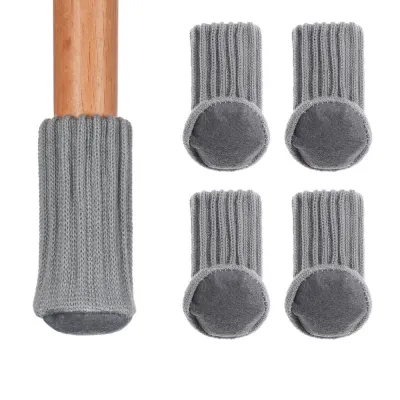
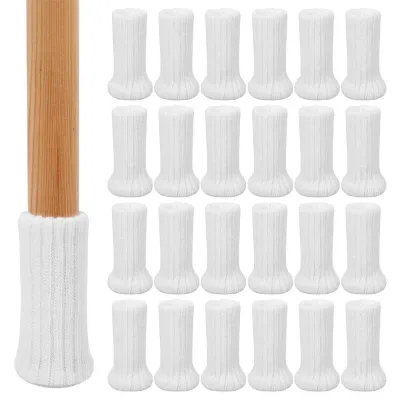
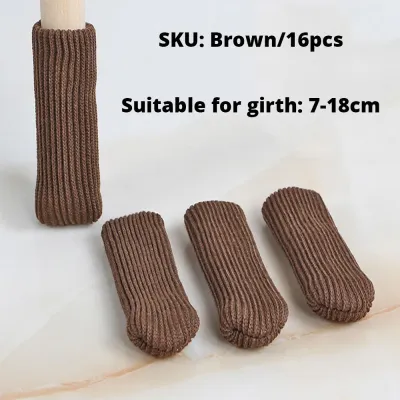
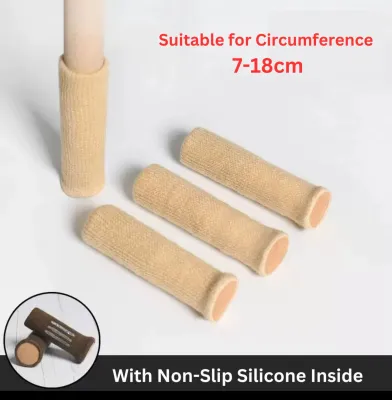
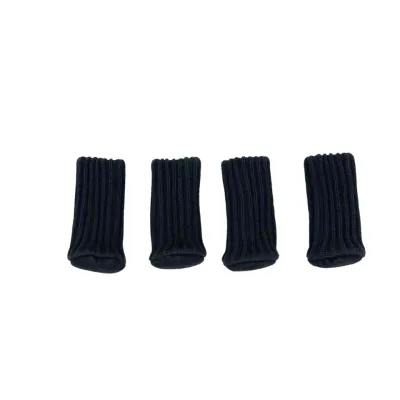
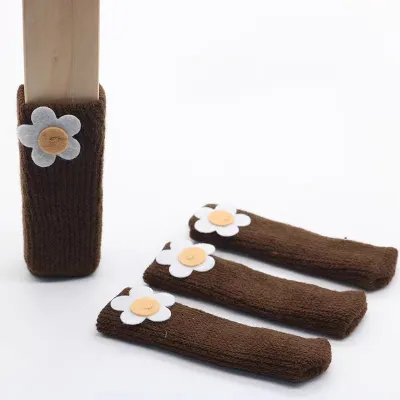
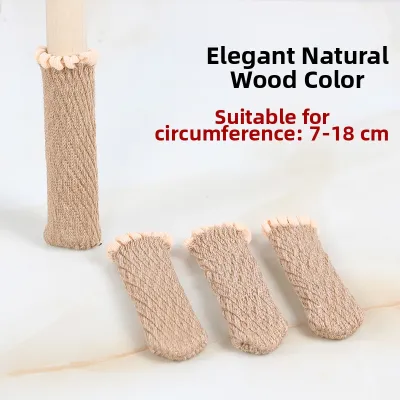
Prices are valid at publication and may change. Please refer to the product page for the latest price.
Beyond simple dimensions, identify the exact shape profile of the leg. While many legs are standard round or square shapes, others may be oval, triangular, or highly irregular hand-carved designs. Finally, inspect the bottom of each table leg before taking final measurements. Check for rough wood grain, splinters, protruding glides, or old metal dome nails. These sharp elements must be sanded down or removed, as they can easily puncture fabric or silicone socks, rendering them useless within days of installation.
Match the Material to Your Floor and Usage
The material of your table socks directly influences how well they protect your floors and how long they last under daily use. Different flooring materials, such as polished porcelain tiles, luxury vinyl planks, and varnished parquet, react differently to various protector materials. Therefore, you must evaluate the specifications of each material option against your home’s flooring and daily cleaning routines.

Silicone and rubber table socks are highly valued for their grip and water resistance. When evaluating silicone options, check the manufacturer’s label to ensure the material is rated for your specific floor type. Some silicone protectors feature integrated felt pads on the bottom to allow smooth sliding on hard floors. In humid environments, such as homes in Singapore where tropical humidity is high and floors are mopped frequently, silicone provides a protective barrier that prevents moisture from seeping into the wooden legs of your table. However, ensure the silicone has ventilation channels or a breathable design if used on sensitive natural wood to prevent moisture trapping.
Fabric and knit table socks, often made from heavy-duty cotton, polyester, or acrylic blends, offer excellent noise reduction and flexibility. These options are ideal for dry areas and delicate varnished wooden floors, as they slide smoothly without leaving scuff marks. When shopping for fabric socks, look for double-layered knitting and check if the product specifications mention internal silicone grip strips. These internal strips help keep the fabric from sliding down the leg. Additionally, verify whether the fabric socks are machine washable, as they tend to accumulate dust, pet hair, and floor grit over time.
To ensure long-term durability, verify the material thickness through the product specification sheets rather than relying on generic marketing terms. A thicker base layer, whether made of dense felt or reinforced rubber, will withstand the constant friction of moving chairs and heavy tables. Consider your household conditions as well; if you have active pets or young children, fabric socks may attract hair and require frequent washing, making easily wiped silicone or rubber options a more practical choice for high-traffic dining areas.
Select the Right Fit for Specific Leg Shapes
Achieving a secure fit requires matching the structural design of the table sock to the specific geometry of your table legs. A common mistake is assuming a round sock will fit a square leg of the same width, or vice versa. Each geometric shape distributes tension differently across the protector material, which can lead to premature wear or slippage if not properly matched.
For square and rectangular legs, you must account for the sharp corners. When measuring a square leg, do not rely solely on the side width; calculate or measure the diagonal length from corner to corner. Because the diagonal is always longer than the side width (approximately 1.4 times the width), a square leg puts significantly more stress on the corners of the protector. Look for table socks specifically molded with square bases or choose highly stretchable fabric socks that can accommodate the diagonal stretch without tearing at the seams.
Round and cylindrical legs are the most straightforward to fit, but they still require precision. Match the measured diameter of the leg to the manufacturer’s sizing chart. If your table legs have a slight taper, select a sock that matches the bottom diameter but features a flexible, elasticized collar that can grip the narrower or wider section above. Avoid choosing a size based on the average width of the leg, as a loose fit at the bottom will cause the sock to twist and slide off during movement.
Oval or irregular leg shapes present a unique challenge. For these profiles, look for highly flexible, elastomeric silicone protectors or fabric socks equipped with adjustable hook-and-loop straps. These straps allow you to customize the tightness around the leg, preventing the sock from slipping down. Always cross-reference your measurements with the manufacturer’s shape-compatibility chart, which often lists the acceptable ranges for non-standard shapes.
Understanding the stretch limits of the material is vital for all leg shapes. While elastic fabrics and silicone can stretch to fit a range of sizes, overstretching them reduces their protective capabilities. When a material is stretched to its absolute limit, the bottom barrier becomes thin, making it easier for the hard table leg to cut through the protector and scratch your floor. If your measurements fall at the very upper limit of a size range, it is generally safer to step up to the next size or look for a product designed specifically for larger dimensions.
Installation and Slip-Prevention Checks
Proper installation is just as important as selecting the correct size. Even the highest-quality table sock will fail to stay in place if the installation surface is dirty or if the material is applied unevenly. Before putting the socks on, thoroughly clean the bottom and lower sides of each table leg. Use a damp cloth to remove dust, wax buildup, and old adhesive residue, then allow the wood or metal to dry completely. Any remaining moisture or dust will act as a barrier, preventing silicone grips or fabric fibers from adhering properly to the leg.
When sliding the sock onto the leg, pay close attention to the alignment. For fabric socks, ensure the bottom seam is centered flat against the bottom of the leg and pull the sleeve up evenly on all sides. For silicone protectors, make sure the flat base sits completely flush against the floor. Uneven tension on one side of the sock will gradually pull it down as the furniture is moved back and forth.
Once installed, perform a gentle “tug test” by pulling lightly on the top of the sleeve. The sock should snugly hug the leg without sliding down or twisting. Next, lift the table slightly and place it back down to check the floor contact. Ensure that no hard plastic glides, metal caps, or sharp wooden corners are exposed or pressing unevenly against the floor. If the sock feels loose, slides down immediately, or bunches up at the bottom, stop using it and check the manufacturer’s sizing guide again, as an oversized protector can cause the table to become unstable.
Maintenance and Replacement Signals
To maintain effective floor protection, table socks require regular maintenance and timely replacement. Over time, the friction of sliding furniture, combined with household dust, will wear down even the most durable materials. Fabric socks should be removed and washed periodically according to the care label. Hand washing in warm water with a mild detergent is generally recommended to preserve the elasticity of the fibers. For silicone protectors, simply wipe them down with a damp cloth to remove dust and restore their grip.
Conduct regular visual inspections of your furniture protectors. Look for signs of wear such as thinning soles, small tears near the seams, or embedded debris. Fabric socks can trap tiny particles of sand, grit, or pet hair on their undersides; if left unwashed, this trapped grit acts like sandpaper, scratching your polished tiles or parquet floors every time the table is moved. Additionally, check the elasticity of the collar; if the fabric has stretched out permanently and no longer hugs the leg tightly, it is time for a replacement.
Pay attention to functional warning signs during daily use. If you begin to hear scraping noises when moving chairs, notice new scuff marks on your floors, or find yourself constantly pulling the socks back up, the protectors have reached the end of their lifespan. Replacing worn table socks promptly is a small, low-cost step that prevents expensive floor refinishing or repair bills down the road. While a set of quality table socks typically costs between S$5 and S$20 on local online marketplaces, choosing the wrong size can lead to wasted expenses, so keeping a spare set of verified protectors on hand is highly practical.
Frequently Asked Questions (FAQ)
Can I use the same table socks for indoor and outdoor furniture?
Standard indoor table socks are generally not suitable for outdoor use. Outdoor environments expose furniture protectors to direct sunlight, rain, and rough surfaces like concrete or stone. Before using table socks on a balcony or patio, check the manufacturer’s specifications for UV resistance, moisture tolerance, and explicit outdoor ratings. Indoor fabric socks will quickly absorb rainwater, leading to mold growth and wood rot on your furniture legs, while standard silicone may degrade and crack under intense sunlight.
What should I do if my table legs have caster wheels?
Standard table socks are designed for stationary legs and will fail if applied over caster wheels, as the rolling motion will quickly tear the material or jam the wheel mechanism. If your table has wheels, check the wheel lock mechanisms to see if they can be secured. For floor protection, look for specialized alternatives such as heavy-duty caster cups or dedicated rubber wheel covers. These products are specifically designed to cradle the wheel and distribute the weight evenly without interfering with the furniture’s stability.
Community discussion
Share your experience or ask a question. Comments are reviewed before publication.