
To choose the right screw hole cover for your bed frame and headboard, you must match the cover’s exact diameter and depth to the physical dimensions of the hole, select a material that can withstand the structural demands of the joint, and align the colour and finish with your furniture’s aesthetic. A mismatched cover will either fall out repeatedly due to loose tolerances, fail to sit flush against the frame, or clash visually with your bedroom decor. By systematically evaluating your bed’s specific components—from high-visibility headboards to heavy-duty under-frame joints—you can select a durable, seamless solution that preserves both the structural integrity and the visual appeal of your furniture.
Investing a small amount of time in selecting the correct cover prevents a host of common household frustrations. Loose covers that constantly slip out can become choking hazards for small pets or simply accumulate as clutter on your floor. Furthermore, exposed screw holes can collect dust, lint, and moisture over time, which can accelerate the degradation of the underlying fasteners or the furniture material itself. A well-chosen cover acts as a protective seal, keeping your bed frame clean, stable, and visually polished.
Quick Selection Criteria for Screw Hole Covers
Selecting the perfect screw hole cover requires balancing functional stability with visual discretion. The primary decision pillars consist of precise physical measurements, material compatibility, and aesthetic alignment. When these three elements are harmonized, the cover blends seamlessly into the furniture surface while remaining secure over years of daily use.
Products mentioned in this guide
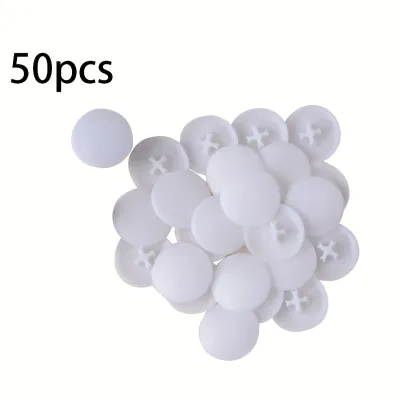
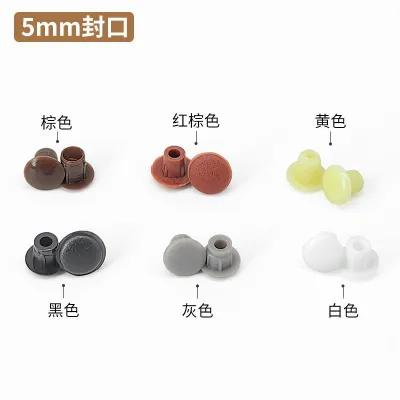
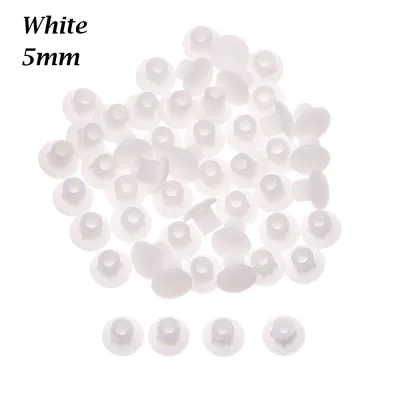
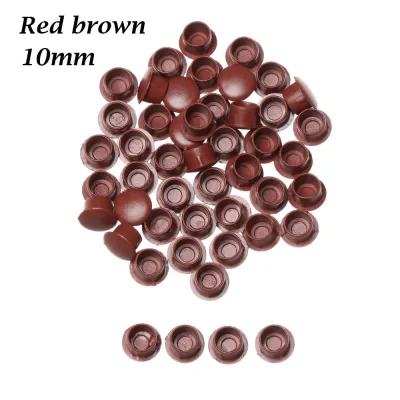
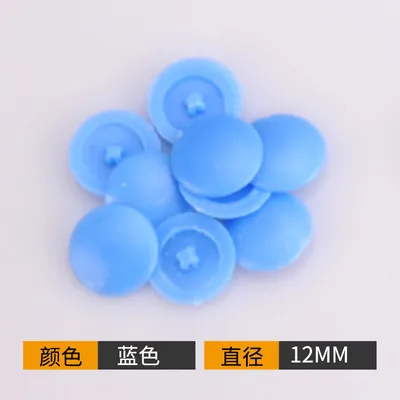
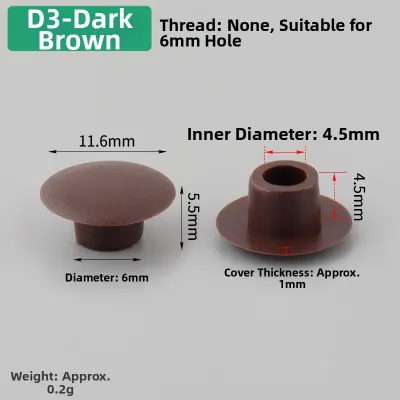
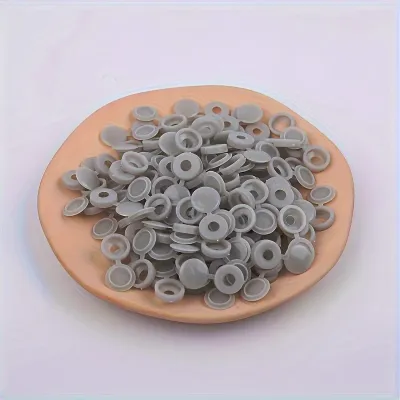
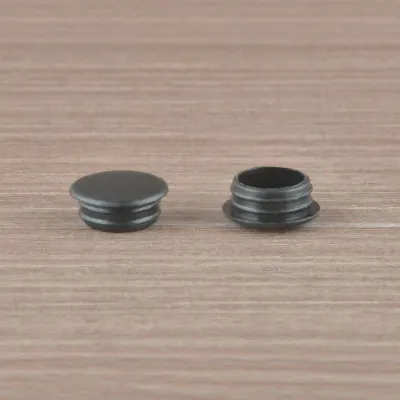
Prices are valid at publication and may change. Please refer to the product page for the latest price.
If you overlook any of these factors, the consequences are immediate. A cover that is even a fraction of a millimetre too small will constantly fall out due to the natural vibrations of the bed frame. Conversely, an oversized cover or one with an excessively long stem will protrude, creating an unsightly gap and catching on bedding. Additionally, selecting an incorrect material—such as using a delicate plastic cap on a high-stress structural joint—can lead to premature cracking or failure under the physical load of the bed frame.
Furthermore, the environmental conditions of your room play a significant role. For instance, in Singapore’s tropical climate, high relative humidity can cause certain materials to degrade faster than they would in drier regions. Wood covers must be properly sealed to prevent moisture absorption, while metal options require rust-resistant properties to avoid unsightly corrosion. By keeping these environmental and physical factors in mind from the outset, you can narrow down your choices to options that will truly stand the test of time.
How to Measure Hole Diameter and Depth for a Flush Fit
Achieving a completely flush fit starts with precise measurement. You should never guess the size of a screw hole based on the standard gauge of the screw itself, as pre-drilled furniture holes vary significantly by manufacturer and often include extra clearance space. Instead, use a digital caliper to measure the exact inner diameter of the hole. Place the caliper’s internal jaws inside the opening and expand them until they contact the inner walls. Read the measurement in millimetres, as most furniture hardware is specified using metric standards. If a caliper is unavailable, a high-quality steel measuring tape can work, but you must align the markings carefully across the widest point of the opening to avoid parallax errors.

When measuring, be aware that screw holes in wooden furniture can sometimes become slightly oval or distorted over time due to the weight and movement of the bed. To account for this, take two separate measurements at right angles to each other across the hole opening. If the two measurements differ slightly, use the average of the two to select your cover size, or opt for a flexible, ribbed plastic plug that can compress to accommodate minor irregularities in the hole’s shape.
Equally important is measuring the depth of the hole. The stem or plug portion of the cover must be shorter than the depth of the cavity to ensure the cap sits tightly against the outer surface of the bed frame. Insert a thin, rigid object like a toothpick or the depth probe of your caliper into the hole until it touches the top of the screw head. Mark the point where the tool meets the outer edge of the frame, then measure this distance. If the cover’s stem is longer than this measured depth, the cap will bottom out prematurely, leaving a visible, unstable gap between the cover and the furniture surface.
Before finalizing your measurements, inspect the interior of the hole. Pre-drilled holes in wooden and metal bed frames often collect wood splinters, stripped threads, or manufacturing debris that can distort your readings and prevent a snug fit. Use a soft-bristled brush or a can of compressed air to clean out the cavity thoroughly. If you find loose wood fibers or rough edges around the rim of the hole, gently smooth them with a fine-grit sandpaper block, taking care not to widen the diameter of the hole itself. This preparation ensures that your measurements reflect the true dimensions of the space and that the replacement cover can seat fully without obstruction.
Choosing the Right Material: Plastic, Metal, or Wood
The choice of material dictates how well the cover performs under physical stress and how it interacts with the surrounding environment. In Singapore’s tropical, high-humidity climate, material selection is particularly critical. High humidity levels can cause untreated wood to swell, distorting the fit, or cause cheap metals to corrode rapidly. Selecting a material with the appropriate finish and resistance properties is essential for long-term durability.
| Material Type | Best Application | Durability & Climate Resistance | Aesthetic Profile | Key Limitations |
|---|---|---|---|---|
| Plastic (ABS/PVC) | Non-structural holes, headboards, painted frames | High resistance to moisture and humidity; will not rust or rot | Clean, uniform, available in many solid colours | Lower impact resistance; can look cheap on premium wood |
| Metal (Steel/Alloy) | Heavy-duty joints, bed feet, metal frames | Excellent structural strength; requires rust-resistant coating | Modern, industrial, sleek | Can scratch adjacent surfaces; limited colour matching |
| Solid Wood / Veneer | Premium wooden frames, visible headboard panels | Prone to swelling if untreated; requires proper sealing | Seamless, natural grain matching | Requires careful finish matching; higher cost |
Plastic Caps for Lightweight and Budget-Friendly Fixes
Plastic screw hole covers, typically made from durable polymers like ABS or PVC, are highly effective for non-structural, decorative applications. They are particularly well-suited for covering exposed hardware on upholstered headboards, lightweight laminated bed frames, or the interior surfaces of storage beds. Because plastic is entirely impervious to moisture, these covers will not swell, crack, or rust when exposed to Singapore’s humid air, making them a highly stable, low-maintenance choice.
These caps are exceptionally cost-effective and come in an extensive array of colours, allowing you to find a close match for most standard furniture finishes. However, they lack the premium tactile feel of real wood or metal. Over time, lower-grade plastics can degrade or fade if exposed to direct sunlight from nearby bedroom windows, so it is wise to choose UV-stabilized options for highly exposed areas. Additionally, plastic caps can sometimes become brittle if subjected to frequent temperature fluctuations, so opting for high-grade ABS is recommended for long-term reliability.
Metal Inserts for Heavy-Duty Frame Joints
For structural joints, bed feet, and heavy-duty frame connections, metal screw hole covers offer the necessary durability and physical resistance. These components must withstand continuous shear forces and the subtle movements that occur when you get in and out of bed. Metal covers, made from stainless steel, brass, or zinc alloys, provide a robust shield that will not crack or deform under pressure.
To prevent corrosion in humid indoor environments, always opt for metal covers that feature a protective powder-coated, anodized, or plated finish. Marine-grade 304 or 316 stainless steel and solid brass are excellent premium choices that resist oxidation indefinitely. While metal covers offer a sleek, contemporary, or industrial aesthetic that complements modern metal bed frames, they must be handled with care during installation. Unprotected metal edges can easily scratch adjacent wooden or painted finishes if forced into a tight opening, so ensure the dimensions are perfectly matched before pressing them home.
Wood and Wood-Effect Plugs for Seamless Aesthetics
If you own a premium solid wood bed frame or a headboard with a visible timber grain, solid wood plugs or adhesive wood-veneer covers are the premier choice for achieving an invisible finish. These covers allow you to camouflage assembly hardware completely, preserving the natural beauty of the timber. When selecting wood plugs, pay close attention to the grain direction and match the plug’s grain to the surrounding frame to ensure the repair blends in naturally. Common wood species used for these plugs include oak, maple, pine, and cherry, allowing for a precise material match.
Because wood is a natural, porous material, it is highly sensitive to environmental moisture. Untreated wooden plugs can absorb atmospheric humidity, causing them to swell and potentially split the surrounding wood or pop out of the hole entirely. To prevent this, verify that the wood plugs are pre-sealed with a moisture-resistant lacquer or varnish, or apply a matching protective topcoat immediately after installation to seal out humidity. If you are working with an exotic wood or a custom stain, you may need to purchase unfinished plugs, sand them lightly, apply a matching stain, and finish them with a clear polyurethane coat before installing them.
Matching Colour and Finish to Your Bed Furniture
Finding an exact visual match involves more than simply selecting “brown” for a wooden bed or “white” for a painted frame. Subtle differences in shade and reflectivity can make an otherwise perfect cover stand out dramatically. To ensure an accurate colour match, avoid relying on digital screens, which can distort hues. Instead, take a high-resolution photograph of your bed frame under natural daylight, or better yet, bring a small, detachable component—such as a drawer front, a wooden slat, or a loose paint flake—with you when purchasing your covers.
The lighting in your bedroom also affects how colours are perceived. Warm LED lighting (around 2700K to 3000K), which is common in cozy Singapore bedrooms, can make yellowish or reddish undertones in wood and plastic covers appear much more pronounced. Conversely, cool daylight or neutral white lighting can make cool undertones stand out. Testing the cover under the actual lighting conditions of your bedroom is the most reliable way to ensure a seamless match.
The surface reflectivity, or finish, of the cover is just as important as the colour itself. Screw hole covers are available in matte, satin, semi-gloss, and high-gloss finishes. If you place a high-gloss plastic cap onto a matte-finished wooden headboard, the cap will catch the light and draw attention to the very hole you are trying to hide. Always match the gloss level of the cover to the sheen of the surrounding furniture surface to achieve a truly integrated appearance.
Alternatively, you can embrace contrast as a deliberate design choice. In modern or industrial bedroom designs, using a contrasting hardware cover can elevate the overall aesthetic. For example, installing brushed brass or copper metal covers over screw holes on a matte black metal bed frame creates a sophisticated, intentional accent. If you choose this route, ensure the contrasting metal matches other hardware elements in your bedroom, such as light fixtures, drawer pulls, or bedside table legs, to maintain design cohesion.
Recommended Cover Types for Specific Bed Components
Different areas of a bed frame experience varying levels of physical contact, visual exposure, and structural stress. Consequently, a cover type that works perfectly on a headboard may fail quickly when applied to the bed’s support feet. To achieve the best results, tailor your selection to the specific functional demands of each bed component, while always checking your furniture manufacturer’s care instructions and warranty guidelines before applying adhesive products.
Furthermore, consider the ease of access required for maintenance. Bed frames naturally loosen over time due to the dynamic forces of regular use, meaning you may need to access the underlying screws periodically to tighten them. Choosing a cover type that can be removed and reinstalled without damaging the surrounding material is key to maintaining both the structural stability and the visual appeal of your bed over its entire lifespan.
Headboards and Visible Side Rails
The headboard and outer side rails are the most visually prominent parts of the bed, requiring a clean, undisturbed surface. For these highly visible areas, prioritize flat-head, low-profile, or completely flush-fitting covers. On wooden or upholstered headboards, thin adhesive wood-veneer covers or flat plastic snap-in caps work exceptionally well because they lie virtually flat against the surface.
Avoid using domed, protruding, or thick-headed covers on headboards and side rails. These raised profiles can easily catch on bed sheets, blankets, or clothing when you make the bed or move around, which can pull the cover out of place or tear delicate fabrics. Low-profile, colour-matched plastic caps or painted metal inserts that sit perfectly flush with the frame rails will remain secure while keeping the lines of your bed clean and elegant.
When applying adhesive-backed covers to these highly visible areas, it is critical to verify the manufacturer’s care guidelines first. Some strong adhesives can react chemically with certain wood lacquers, veneers, or fabric finishes, leaving permanent stains or stripping away the finish if the cover is ever removed. Opting for low-tack, high-shear adhesives designed specifically for furniture applications can help protect your investment.
Bed Feet and Under-Frame Connections
The feet of the bed and the structural joints beneath the mattress platform are subjected to constant vibrations, shifting weights, and physical impacts from vacuum cleaners or floor mops. Visual appearance is secondary in these zones, as they are largely hidden from view. Instead, the primary requirement is a secure, high-friction fit that can withstand constant physical movement without working loose.
For these demanding locations, heavy-duty, ribbed plastic plugs or threaded metal caps are the ideal choice. The flexible ribs on a plastic plug compress as they are driven into the hole, creating a tight, high-friction grip against the inner walls that resists vibration. If your bed frame features threaded metal receiver holes at the joints, matching threaded metal caps can be screwed directly into place, providing an exceptionally secure connection that will never shake loose. Standard black, grey, or white structural plugs are perfectly adequate for these low-visibility areas.
Additionally, ensure that any plug used near the floor does not protrude past the bottom of the bed foot in a way that unevenly distributes weight or tilts the frame. A misaligned plug under a bed foot can concentrate the load on a single point, potentially scratching your flooring or compromising the stability of the entire bed. Choose low-profile, flat-bottomed plugs for any holes located on the underside of the bed feet.
Installation Steps and Safe Removal Tips
Proper installation ensures that your screw hole covers stay in place, while safe removal techniques prevent damage to your bed frame if you ever need to disassemble the furniture for a move. Always consult your bed frame’s assembly manual to confirm that covering the holes does not interfere with access to critical adjustment points or structural fasteners.
To install friction-fit or ribbed plugs, align the cover straight over the opening. Gently press it in with your thumb to seat it. If the fit is tight, do not strike it with a standard metal hammer, which can crack plastic covers or dent wooden frames. Instead, place a soft cloth over the cover and tap it gently into place using a rubber mallet or the plastic handle of a screwdriver. For adhesive-backed covers, clean the area around the hole with a damp cloth to remove dust and oils, dry it completely, peel the backing, and press the cover firmly over the hole for at least thirty seconds to allow the adhesive to bond securely. In high-humidity environments, allow the adhesive to cure for a full 24 hours before subjecting the area to heavy contact or friction. For threaded covers, align the threads carefully by hand and screw them in clockwise, taking care not to over-tighten and strip the threads.
If you need to remove a screw hole cover to tighten a loose joint or disassemble the bed, avoid using sharp metal knives or chisels, which can easily slip and gouge the surrounding wood or metal. Instead, use a plastic pry tool, such as a trim removal wedge, to gently lift the edge of the cap. If you must use a flathead screwdriver, wrap the metal tip in a soft microfiber cloth or masking tape first to cushion the contact point. Insert the wrapped tip under the edge of the cover and apply gentle, upward leverage to pop it out.
If you encounter a wooden plug that has been glued in place or a cover that has become severely stuck or stripped, do not force it. Forcing a stuck plug can split the surrounding wood grain or warp metal frame components. In these situations, stop immediately and consult a professional furniture repair specialist who can safely extract the plug using specialized tools without compromising the structural integrity of your bed frame. Taking a cautious, methodical approach preserves the longevity of your furniture and keeps your bed looking pristine for years to come.
Community discussion
Share your experience or ask a question. Comments are reviewed before publication.