
Replacing broken or worn-out wheels on your furniture is a highly practical way to restore mobility, protect your floors, and extend the lifespan of your favorite pieces. To choose the right replacement casters, you must match the existing mounting style, measure the dimensions accurately, calculate the weight capacity using a safe formula, and select a wheel material compatible with your flooring. Taking a few minutes to verify these specifications beforehand prevents unstable furniture, floor damage, and costly purchasing errors.
Identify the Correct Mount Type: Stem vs. Plate
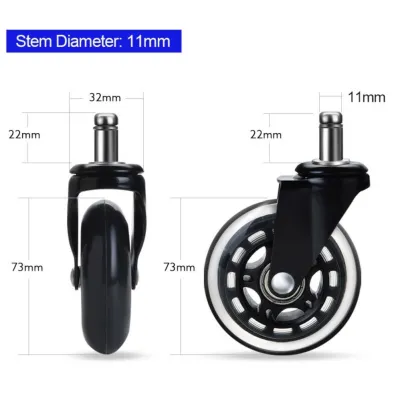
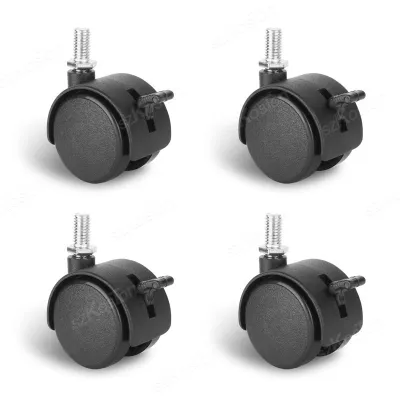
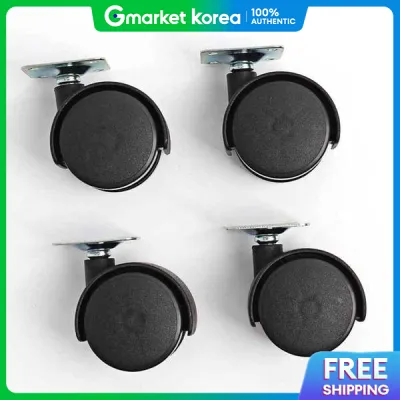
Before buying new wheels, look at how the existing casters attach to your furniture. Casters generally fall into two main categories: stem mounts and plate mounts. A stem mount features a metal rod that inserts directly into a pre-drilled socket or sleeve inside the furniture leg, commonly seen on office chairs, light tables, and smaller storage units. In contrast, a plate mount uses a flat metal bracket that is screwed or bolted directly onto a flat wooden or metal surface, making it the standard choice for heavy-duty workbenches, large cabinets, and heavy shelving units.
To measure a stem mount accurately, you must remove the caster and use a digital caliper or a precise ruler to determine both the stem’s diameter and its length. Even a millimeter of difference can prevent the stem from fitting or cause it to wobble securely. It is also essential to identify the specific stem style: grip ring stems feature a small metal ring near the top that snaps into place; threaded stems act like screws and must match the thread pitch of the receiving socket; and friction stems rely on a tight fit inside a metal or plastic sleeve.
Products mentioned in this guide
![[SG Seller]Truslink 5PCs 3 Inch Office Chair Caster Wheels Roller Rollerblade Style Castor Wheel Replacement PU Wheel](https://img.lazcdn.com/g/p/4157aea7284404087fad9be9f0d36a0d.png_400x400q80.png_.webp)

![[OKLIFE. SG]Multi-Color Self Adhesive Swivel Caster Wheel Lockable ke Punch-Free Heavy Duty Furniture Storage Roller](https://img.lazcdn.com/g/p/c9f77593c4dae2ebd54b40cf7388a632.jpg_400x400q80.jpg_.webp)
Prices are valid at publication and may change. Please refer to the product page for the latest price.
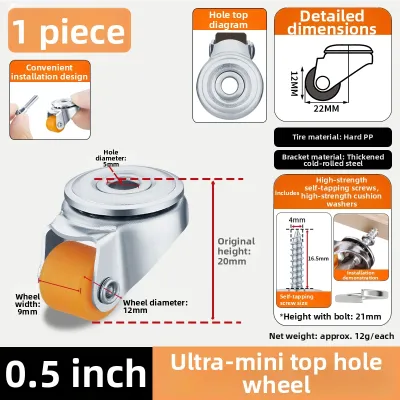
For plate mounts, do not simply measure the outer edges of the metal plate. Instead, focus on the hole spacing, which is the center-to-center distance between the mounting screw holes both horizontally and vertically. Measuring this distance ensures that your new plate will align perfectly with the existing screw holes, saving you from having to drill new, potentially weakening holes in the base of your furniture.
Determine the Right Size and Clearance for Your Furniture Wheels
Choosing the correct wheel diameter is a balance between ease of movement and overall furniture height. Larger wheels roll much more smoothly over floor transitions, thick rugs, and grout lines, requiring less physical effort to push. However, increasing the wheel size will raise the overall height of your furniture, which can alter ergonomics or cause structural instability if the center of gravity shifts too high.

This height adjustment introduces significant clearance risks that you must evaluate before purchasing larger wheels. In Singapore homes, where space-saving built-in carpentry, low toe kicks, and precise door gaps are common, even a 10 mm increase in wheel height can cause a mobile kitchen trolley or storage bin to become trapped under a counter or block a sliding door. Always measure the clearance zone around the furniture to ensure it can still move freely under low-hanging structures and through doorways.
Additionally, consider the width of the wheels. While wider wheels distribute weight more evenly and provide better lateral stability on soft surfaces, they also require a larger swivel radius. If you install wider wheels on a compact chair or cart, the wheels may catch on the furniture’s own legs or collide with adjacent items when transitioning from a forward to a backward motion.
Calculate the Required Load Capacity Safely
To ensure the long-term safety and structural integrity of your furniture, you must calculate the required load capacity of your replacement wheels using a conservative formula. Never simply divide the total weight of the furniture by the number of wheels. Instead, use the “Rule of Three”: take the combined weight of the empty furniture piece and its maximum expected payload, and divide that total by three, even if the furniture has four wheels.
This formula accounts for the reality that floors are rarely perfectly level. When rolling over uneven surfaces, tile grout lines, or door thresholds, one wheel will temporarily lift off the ground or carry significantly less weight, transferring the entire load onto the remaining three wheels. Shifting centers of gravity during movement also create dynamic forces that place sudden, intense stress on individual casters.
When checking product specifications, always look for the dynamic load rating rather than the static rating. The static rating only indicates how much weight the wheels can support while standing completely still, which is often much higher than what they can safely handle while rolling. For heavy, densely packed items such as loaded bookshelves, mobile kitchen islands, or tool cabinets, choose wheels with a generous safety margin above your calculated minimum to prevent premature bearing failure or wheel deformation.
Match the Wheel Material to Your Floor Type
Selecting the right wheel material is crucial for preserving your floors and ensuring quiet, effortless movement. For hard flooring surfaces—such as ceramic tiles, laminate, luxury vinyl tiles (LVT), or polished concrete—always choose soft casters made of polyurethane, thermoplastic rubber, or soft rubber. These materials absorb vibrations, roll quietly, and grip the floor gently without leaving unsightly scuffs, scratches, or dark track marks.
Conversely, if your furniture will move primarily over carpeted areas, hard casters made of nylon, hard plastic, or metal are the superior choice. Harder materials do not sink deeply into the carpet pile, significantly reducing rolling resistance and making it much easier to maneuver heavy furniture. However, avoid using these hard wheels on delicate hard floors, as they can grind dirt into the finish and cause irreversible surface wear.
In Singapore’s humid climate, certain flooring materials like engineered timber or solid wood parquet can be particularly sensitive to moisture and friction. Before installing new wheels, check your flooring manufacturer’s warranty and care guidelines to confirm which caster materials are approved for your specific floor type. Using the wrong wheel material could void your flooring warranty or lead to expensive floor restoration costs down the road.
Quick Measurement and Replacement Checklist
Replacing your old furniture wheels is a straightforward task if you follow a systematic removal and verification process. To safely extract an old grip-ring stem caster, grip the wheel firmly and pull straight down, or gently slide a flat pry bar underneath the caster housing while placing a protective wooden block against the furniture leg to avoid denting the wood. For threaded stems or plate mounts, use the appropriate wrench or screwdriver to loosen the fasteners completely.
Once the old caster is removed, use it as a physical reference. If possible, bring the old part to a local hardware store to match the threads and stem dimensions directly, or use a digital caliper to verify online specifications before placing an order. This step eliminates guessing and ensures a perfect match for your replacement parts.
During installation, ensure that new stem casters click firmly and securely into their receiving sockets, which indicates that the grip ring has engaged. For plate-mounted casters, tighten the screws or bolts gradually in a crosswise or star pattern rather than tightening one fully at a time. This method ensures even pressure across the plate, preventing the mount from warping and keeping the wheel perfectly perpendicular to the floor.
Frequently Asked Questions (FAQ)
Can I add locking brakes to my existing furniture casters?
Braking mechanisms are integrated directly into the caster’s metal housing and fork design during manufacturing. Because of this structural integration, you cannot retrofit or attach separate brakes to a standard, non-locking caster. If you require locking capabilities to keep your furniture stationary, you must purchase new replacement casters that come with built-in brake levers.
Do I need swivel or rigid casters for my furniture?
Swivel casters rotate 360 degrees, allowing you to maneuver furniture in any direction, which is ideal for tight spaces and office chairs. Rigid casters only move forward and backward in a straight line. For larger, heavier items like kitchen islands, mobile workbenches, or utility carts, a combination of two swivel casters on one end and two rigid casters on the other offers the best balance of steering control and straight-line stability.
Community discussion
Share your experience or ask a question. Comments are reviewed before publication.