
Protecting your furniture from dust is essential for maintaining its appearance, hygiene, and longevity, whether you are preparing for a home renovation, leaving for an extended vacation, or managing a rarely used guest room. While fabric sheets can block larger particles, they often allow fine dust to settle through the weave. A plastic cover provides an impermeable barrier that completely blocks dust, pollen, and airborne debris from reaching your valuable items.
However, selecting the right plastic cover involves more than simply grabbing the first roll of sheeting you find. The ideal choice depends heavily on the material of your furniture, the environment of your home, and how long the covers will remain in place. In humid climates like Singapore, for instance, an incorrect choice can trap moisture underneath the plastic, leading to mold growth or damaged wood finishes. Understanding the characteristics of different plastics and cover designs will help you protect your investments safely and effectively.
Key Factors for Choosing Plastic Furniture Dust Covers
When evaluating plastic dust covers, the specific polymer used in construction determines how the cover behaves, how long it lasts, and how safe it is for your furniture surfaces. The three most common materials you will encounter on manufacturer labels are Polyvinyl Chloride (PVC), Polyethylene (PE), and Ethylene-vinyl acetate (EVA). Each material offers distinct trade-offs in terms of flexibility, clarity, and weight.
Products mentioned in this guide
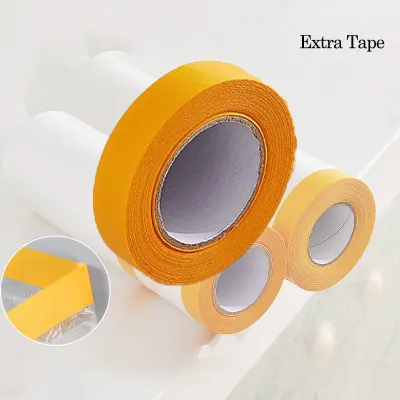
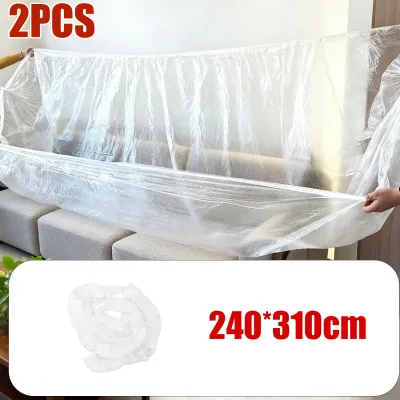
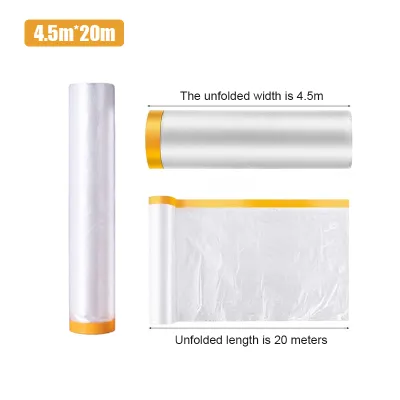
![[SG SELLER]Plastic Dust Cover Dust Prevention Renovation Drop Sheet Protective Plastic Film Furniture Dustproof Cover Paintproof Waterproof Cover Sheet Rolls](https://img.lazcdn.com/g/p/d2c82f6cde5eed649a28d487364fc7d2.png_400x400q80.png_.webp)
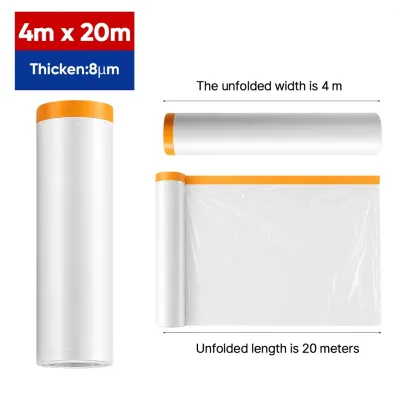
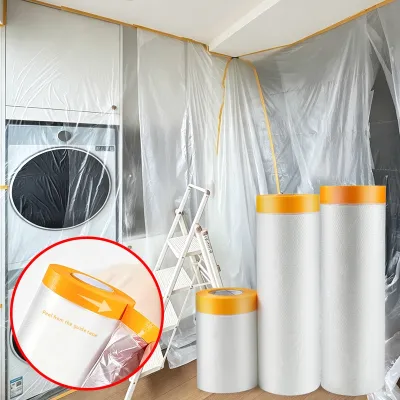
Prices are valid at publication and may change. Please refer to the product page for the latest price.
PVC is a heavy, highly durable plastic that offers excellent transparency, allowing you to see the furniture underneath clearly. This makes it a popular choice for items you still want to display or monitor while covered. However, new PVC covers often carry a distinct chemical odor and can contain plasticizers that may react with certain wood lacquers or varnishes over time. If you choose PVC, look for labels indicating it is phthalate-free or low-odor, and avoid placing it directly against sensitive finishes without a protective fabric barrier.
PE is a highly flexible, lightweight, and odorless alternative that is commonly used for temporary dust sheets or disposable drop cloths. Low-Density Polyethylene (LDPE) is particularly pliable and easy to drape over irregular shapes, though it is typically semi-transparent or milky rather than perfectly clear. While PE is highly resistant to moisture and chemical reactions, thin sheets can tear easily if snagged on sharp furniture corners, making it better suited for short-term projects rather than long-term storage.
EVA is a modern, eco-friendlier polymer that combines the best traits of PVC and PE. It is soft, highly flexible, completely odorless, and boasts good transparency. EVA remains pliable even in air-conditioned or cooler environments, and it does not contain the migrating plasticizers that make PVC risky for delicate wood finishes. While EVA covers can carry a slightly higher price tag, their safety and durability make them an excellent investment for high-value furniture.
Beyond the material type, you must consider the thickness of the plastic, which is typically measured in mils (thousandths of an inch) or millimeters. Lightweight covers ranging from 1 to 2 mils are easy to handle and fold, making them ideal for quick, temporary coverage. Medium-duty covers of 3 to 4 mils offer a great balance of tear resistance and flexibility for seasonal use. Heavy-duty covers of 6 mils or more provide maximum protection against punctures and pet claws, and their weight helps them stay anchored without billowing in drafts.
To prevent the cover from shifting or sliding off polished wood, metal, or leather surfaces, look for structural stability features. Many high-quality covers feature textured, non-slip backings that grip the furniture without leaving adhesive residue. Others incorporate weighted hems, built-in magnets, or tie-down straps along the edges to keep the plastic securely anchored in drafty rooms or high-traffic areas.
Matching Cover Styles to Specific Furniture Pieces
Different types of furniture require specific cover designs to ensure complete protection without causing unintended damage to the materials underneath. A cover that works perfectly for a solid wood dining table may be entirely unsuitable for a plush fabric sofa.

For sofas and upholstered seating, full-enclosure designs or deep-draping covers with elasticized hems are highly effective. Because fabric and leather upholstery can trap ambient humidity, it is critical to avoid sealing these pieces completely airtight. Look for covers that feature breathable ventilation gaps near the bottom or built-in mesh panels that allow air circulation while still blocking falling dust. The elastic hem should tuck securely under the legs to prevent dust from drifting upward from the floor.
Tables, desks, and other flat-surfaced wooden furniture require a different approach. For these items, flat-sheet styles or fitted rectangular covers are ideal because they maintain a neat, tailored appearance. However, placing plastic directly onto a polished wood surface can trap micro-condensation during temperature shifts. To protect the finish, place a soft flannel, felt, or cotton sheet over the tabletop first, then drape the plastic cover over the fabric layer to create a safe, double-layered barrier.
Cabinets, bookshelves, and shelving units benefit most from custom-fit covers or designs featuring adjustable front flaps. If you need to access books, files, or stored items occasionally, a cover with zippered panels or roll-up flaps allows you to open specific sections without removing the entire plastic sheet. Ensure the cover is designed to drape cleanly over the top corners of the cabinet without putting excessive stress on the plastic, which can cause tearing over time.
For delicate or antique furniture, always prioritize breathability over absolute water resistance. If you are storing these items in an unconditioned space, a loose-fitting plastic drape that acts like an umbrella—blocking dust from above while leaving the sides open for air movement—is far safer than a tight, form-fitting plastic wrap that seals the piece completely.
How to Measure and Verify Fit Before Buying
To ensure your plastic cover provides reliable dust protection without slipping or tearing, you must measure your furniture accurately before making a purchase. A cover that is too small will leave vulnerable areas exposed, while an oversized cover can drag on the floor, collecting dirt and creating a tripping hazard.
Begin by measuring the maximum length, width, and height of your furniture piece using a metal measuring tape for accuracy. For irregular items like armchairs or L-shaped sofas, measure from the outermost points, including protruding armrests or recliner handles. Always measure the height from the top of the piece down to about two centimeters above the floor; you want the cover to shield the legs without actually touching the ground.
Once you have the base dimensions, calculate the necessary allowance for draping and tucking. For flat-sheet drapes on tables or desks, add at least 15 to 20 centimeters to both the length and width to allow the plastic to hang naturally over the edges. For fitted covers, look for dimensions that match your furniture within a tolerance of one to two centimeters. If your measurements fall between two standard sizes, always opt for the larger size to avoid straining the seams of the plastic.
Next, verify the clearance around the furniture and check for any moving parts. If you are covering a reclining chair or an adjustable desk, ensure the cover accommodates the item in its fully extended position, or plan to keep the furniture closed while covered. Check that the cover will not interfere with nearby wall outlets, light switches, or walkways once it is draped in place.
Before purchasing from an online marketplace, carefully review the manufacturer’s sizing charts and product specifications. Pay close attention to customer feedback regarding the accuracy of the dimensions and the flexibility of the material. Finally, verify the seller’s return policy; because plastic covers can be difficult to repackage once unfolded, ensure the retailer accepts returns or exchanges for opened items if the fit is not correct.
Maintenance and Cleaning Requirements for Plastic Covers
To keep your plastic covers functioning effectively and prevent them from transferring accumulated grime back onto your furniture, you must establish a regular cleaning and maintenance routine. Over time, static electricity can attract a significant layer of dust to the outside of the plastic, which must be managed carefully.
When cleaning the cover, always refer to the manufacturer’s instructions for approved cleaning agents. For most PVC, PE, and EVA covers, a simple solution of mild dish soap and lukewarm water is the safest choice. Avoid using harsh chemical solvents, alcohol-based cleaners, or abrasive scrubbing pads, as these can degrade the plastic polymer, strip away protective coatings, or leave unsightly cloudy scratches on clear surfaces.
To remove dust safely without scattering it into the air, use a vacuum cleaner equipped with a soft brush attachment on a low suction setting to sweep the surface of the cover. Alternatively, wipe the cover down with a damp microfiber cloth, rinsing the cloth frequently in clean water. Always perform this dust-removal routine before taking the cover off the furniture; otherwise, the accumulated dust on the plastic will slide off and settle directly onto the clean surfaces you worked so hard to protect.
Before folding and storing the covers when they are not in use, ensure they are completely dry. Any lingering moisture can trap bacteria and mold, leading to unpleasant odors and material degradation. Wipe both sides of the cover with a dry towel and allow it to air-dry completely in a well-ventilated area away from direct sunlight.
Fold the dry covers loosely rather than pressing them into tight, sharp creases, which can weaken the plastic and cause it to crack over time. For heavy PVC covers, placing a thin sheet of tissue paper or clean cotton fabric between the folds can prevent the plastic from sticking to itself in warm storage conditions. Store the folded covers in a cool, dry closet or storage bin, away from heat sources and direct UV exposure, to preserve their flexibility for future use.
Frequently Asked Questions (FAQ)
Can plastic dust covers trap moisture and damage wood furniture?
Yes, non-breathable plastic covers can trap ambient humidity and condensation, especially during temperature fluctuations. This trapped moisture can cause wood finishes to cloud, warp, or develop mold. To prevent this, place a breathable cotton sheet or felt pad underneath the plastic cover to absorb minor moisture, and ensure the cover does not seal the furniture completely airtight at the bottom.
Are clear plastic covers resistant to yellowing over time?
Standard clear plastics like PVC can yellow and become brittle when exposed to ultraviolet (UV) light from windows. To minimize this aging process, check the manufacturer’s specifications for UV-resistant additives or stabilizers. If your covered furniture is located in a sunlit room, keeping your curtains or blinds drawn will significantly extend the lifespan and clarity of the plastic cover.
Community discussion
Share your experience or ask a question. Comments are reviewed before publication.