
Selecting the right footrest support hardware is the key to transforming a standard seating arrangement into an ergonomic, comfortable retreat. To ensure your furniture project is both safe and functional, you must evaluate several critical technical specifications before making a purchase. Specifically, you need to verify the hardware’s load capacity, extension range, mounting configuration, and material durability against your specific furniture frame and usage habits.
By focusing on these technical details, you can avoid common installation pitfalls, such as mechanical interference or premature wear. Whether you are building a custom recliner, upgrading an existing armchair, or integrating a pull-out footrest into a cabinet, understanding these specifications will guide you to the correct hardware choice.
Decoding Load Capacity and Weight Ratings
Determining the maximum weight a footrest mechanism can safely support is the most critical safety step in your selection process. Hardware manufacturers typically provide specific weight ratings, which must be carefully matched to the intended user profile and the design of the furniture piece itself.
Products mentioned in this guide
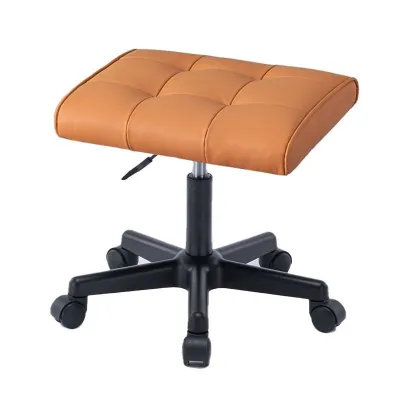
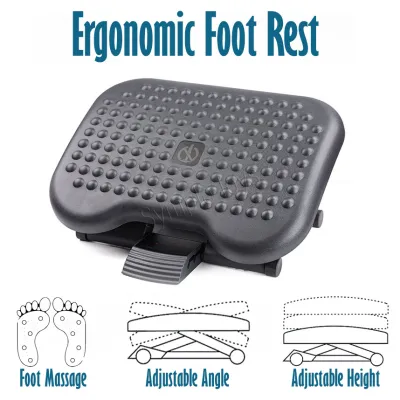
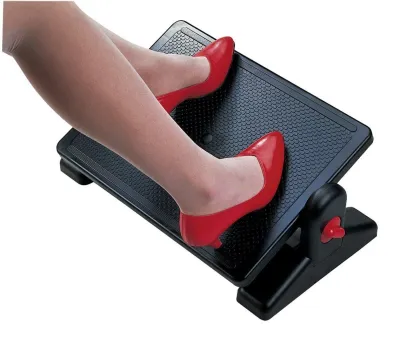
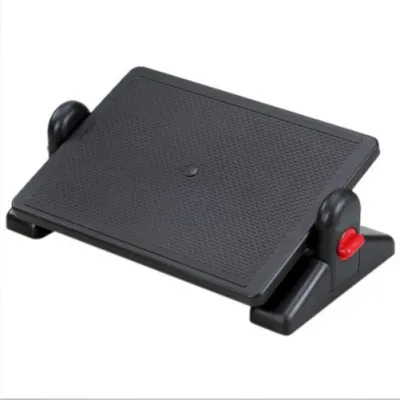
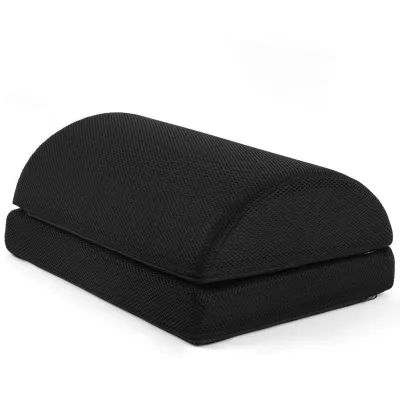
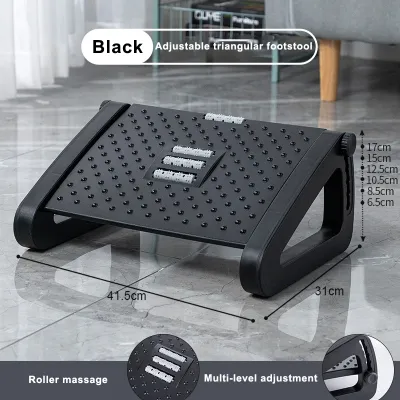
![🏅3 Layer Inflatable Foot Rest Pillow Adjustable Height Travel Leg Rest for Home/Bed/Flights/Cars/Office [SG STOCK]](https://img.lazcdn.com/g/p/80847ae783fe917742797e764643affa.jpg_400x400q80.jpg_.webp)
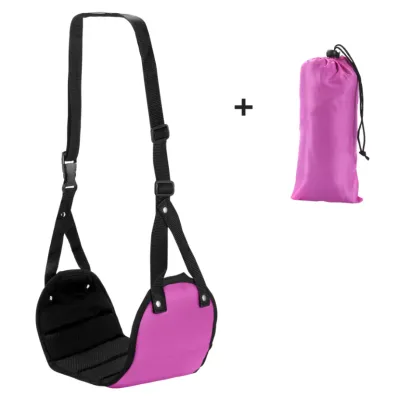
Prices are valid at publication and may change. Please refer to the product page for the latest price.
To make an accurate assessment, you must differentiate between static load and dynamic load ratings. A static load rating refers to the maximum weight the hardware can support when the footrest is completely stationary and the user is resting their legs quietly. In contrast, the dynamic load rating accounts for the forces applied when the mechanism is actively in motion, or when a user suddenly sits down or shifts weight onto the extended footrest.
Always check the manufacturer’s official product specifications for these weight limits rather than making assumptions based on visual appearance. A bracket that looks thick and heavy-duty may not have the internal joint engineering or alloy strength required to handle high dynamic forces. Relying solely on visual size can lead to choosing under-rated hardware that may bend or fail under pressure.
Additionally, you must factor in the weight of the footrest panel itself when calculating the total load. The support hardware must carry the combined weight of the wooden board, foam, fabric, and any decorative trim, plus the weight of the user’s legs. If you plan to use a heavy solid wood panel for the footrest, you will need hardware with a higher load capacity to compensate for this permanent structural weight.
Understanding Extension Range and Travel Distance
An effective footrest must extend to the correct position to provide genuine ergonomic support. The extension range, or travel distance, defines how far the hardware pushes the footrest panel away from the main seating frame when fully deployed.

To determine the required extension length, measure the distance from the front edge of your seat cushion to the natural resting position of the user’s feet. If the hardware’s travel distance is too short, the footrest will support only the calves, which can cause discomfort over long periods. Conversely, an excessively long extension might take up too much floor space or strain the mounting joints.
Equally important are the retracted dimensions and folded profile of the hardware. When the footrest is closed, the entire mechanism must fit completely within the internal cavity of the furniture frame or cabinet. Measure the available depth, width, and height inside your furniture frame to ensure the folded hardware does not collide with internal springs, frame rails, or upholstery padding.
Finally, review the locking mechanisms and intermediate extension points of the hardware. High-quality support systems often feature multi-position locks or friction joints that allow the footrest to remain stable at various angles. Ensuring the hardware locks securely at your desired angle prevents the footrest from collapsing unexpectedly when you shift your seating position.
Evaluating Mounting Types and Installation Requirements
Compatibility between the support hardware and your furniture frame is essential for a secure and straightforward installation. Footrest hardware is generally categorized by its mounting style, which dictates how and where the brackets attach to the furniture.
Side-mount configurations attach directly to the inside walls of the furniture frame, making them ideal for deep armchairs or sofas with sturdy wooden side panels. Bottom-mount hardware secures to the base or floor of the furniture cavity, which is often preferred for pull-out cabinet footrests or specialized recliners. Front-mount styles attach to the front rail of the frame, requiring a highly stable front structure to handle the leverage exerted during use.
Before finalizing your choice, verify the spatial clearance required for all moving parts, brackets, and screws. As the hardware extends and retracts, the scissor links and pivot arms must move freely without rubbing against the wooden frame, fabric lining, or dust covers. Friction against these components not only causes annoying squeaks but can also wear down the upholstery and strain the hardware joints.
Take note of the specific fasteners and tools required for the installation. Mounting hardware into solid wood frames is relatively straightforward with standard wood screws, but engineered boards like MDF or plywood require different handling. Check the manufacturer’s instructions to see if you need specialized fasteners, such as threaded inserts or through-bolts, to ensure a secure hold that will not strip the wood fibers over time.
Checking Material Finish and Structural Connections
The longevity of your footrest support hardware depends heavily on the quality of its materials, surface treatments, and mechanical connections. Because these mechanisms are subjected to repetitive movement and physical stress, high-quality construction is non-negotiable.
In humid environments, such as Singapore’s tropical climate, metal hardware is highly susceptible to rust and corrosion if left unprotected. Inspect the manufacturer’s specifications for robust surface coatings, such as durable powder coating, zinc plating, or chrome finishes. These protective layers shield the underlying steel from moisture and prevent rust from seizing the moving parts.
Examine the structural connections, pivot points, and hinges of the mechanism. High-quality hardware features tight tolerances at the joints, with minimal lateral play or wobbling when you shake the bracket. Look for pivot points that utilize nylon washers, brass bushings, or sealed bearings, as these materials reduce metal-on-metal friction, ensure smooth operation, and prevent squeaking.
Lastly, review the provided care and maintenance guidelines to ensure they align with your household routine. Some mechanisms are designed to be maintenance-free, while others require periodic cleaning or specific environmental conditions to perform optimally. Choosing hardware with maintenance requirements that match your lifestyle will ensure the mechanism remains smooth and reliable for years to come.
Frequently Asked Questions (FAQ)
Can I install footrest hardware on hollow-core or particleboard furniture?
Installing footrest hardware directly onto hollow-core panels or low-density particleboard is generally not recommended without proper reinforcement. The high leverage and dynamic forces exerted on an extended footrest can easily pull standard wood screws out of soft, engineered wood fibers, damaging the furniture frame.
If you must install hardware on these materials, you should reinforce the mounting area. This can be achieved by gluing solid wood backing blocks to the interior of the frame or using specialized fasteners like through-bolts and threaded inserts that distribute the load over a wider surface area. Always consult the hardware manufacturer’s guidelines or a qualified professional if you are uncertain about the structural integrity of your furniture frame.
Do footrest supports require regular lubrication or maintenance?
Whether your footrest hardware requires regular lubrication depends entirely on the manufacturer’s design and specifications. Many modern mechanisms feature self-lubricating bushings or sealed joints that do not require additional oil, while other traditional steel linkages benefit from occasional lubrication.
Refer to the manufacturer’s care manual to identify the approved types of lubricants, as using the wrong product can attract dust and hair, leading to clogged joints and increased wear. Additionally, perform periodic visual inspections to check for dust buildup, loose mounting screws, or unusual noises, and avoid using harsh chemical cleaners that could strip away the protective metal finishes.
Community discussion
Share your experience or ask a question. Comments are reviewed before publication.