
Protecting your floors from the immense weight of a bed requires specialized, heavy-duty felt pads designed to withstand constant pressure and shifting. In Singapore homes, where flooring materials like homogeneous tiles, luxury vinyl tiles (LVT), stone plastic composite (SPC), and parquet are standard, choosing the wrong floor protector can lead to deep scratches, permanent indentations, or unsightly adhesive stains. The most effective felt pads for bed legs are high-density, thick protectors that match the exact shape of your bed feet and feature either an industrial-strength adhesive or a secure mechanical attachment like a slip-on cup or screw-in glide. By focusing on material density, attachment security, and flooring compatibility, you can keep your bedroom floors pristine while ensuring your bed remains stable and silent.
Why Standard Pads Fail Under Bed Legs
Standard felt pads, often sold in multi-packs for light dining chairs or decorative items, are fundamentally unsuited for the extreme demands of a bed frame. A typical bed carries not only the weight of a heavy wooden or metal frame and a thick pocket-sprung mattress but also the weight of its occupants. This combined load is concentrated onto a few small contact points—usually four to six bed legs, plus additional central support beams. This creates immense downward pressure, measured in kilograms per square centimeter, which quickly crushes low-density felt.
Furthermore, beds are subject to significant dynamic forces. Every time you climb into bed, toss and turn, or sit on the edge of the mattress, lateral forces are applied to the bed legs. This shifting creates shear stress on the felt pads. Standard adhesive dots are prone to sliding off-center under this lateral pressure, leaving the sticky adhesive exposed to collect dust and hair, while the bare bed leg scrapes directly against your floor.
Products mentioned in this guide
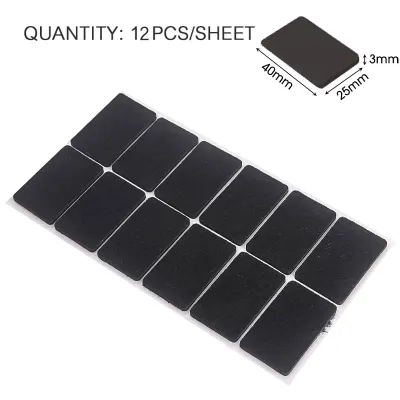
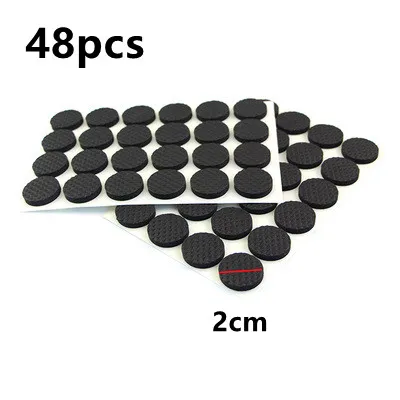
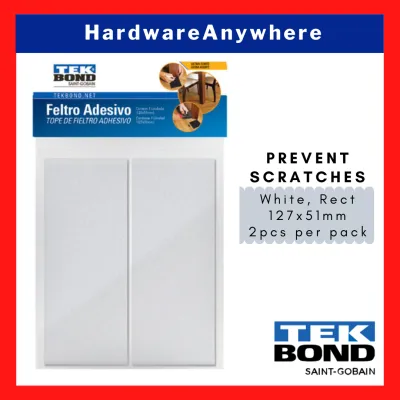
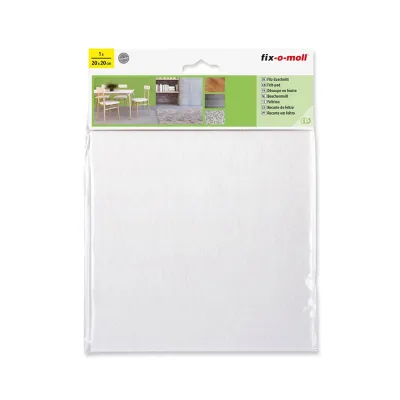
Prices are valid at publication and may change. Please refer to the product page for the latest price.
Thin, low-density pads also fail to provide adequate shock absorption. Once compressed flat, they lose their cushioning ability entirely. In Singapore’s humid climate, cheap adhesives can degrade rapidly, sliding out from under the bed legs within weeks. This leaves your floors vulnerable to deep gouges that are costly to repair, especially on softer surfaces like vinyl or natural timber parquet.
Key Features to Look for in Bed Leg Felt Pads
When evaluating felt pads for heavy furniture, look closely at physical specifications rather than generic marketing claims. The first critical factor is felt density and thickness. High-density felt, often labeled as heavy-duty or industrial-grade, is tightly compressed during manufacturing. It should feel firm to the touch, resisting compression when squeezed between your fingers. For bed legs, aim for a thickness of at least 4mm to 6mm. This thickness provides a resilient buffer that can absorb vibrations and distribute weight evenly without flattening completely over time.

The attachment method is another vital consideration. Adhesive felt pads are the most common and easiest to install, but they must feature a high-bond, industrial-strength adhesive backing. Look for acrylic-based or pressure-sensitive adhesives that cure over time to form a permanent bond with the bed leg material, whether it is finished wood, metal, or plastic. For beds that are moved frequently or have narrow legs, screw-on or nail-on felt glides offer a mechanical attachment that cannot slip off. However, these require drilling into wooden legs and are not suitable for metal frames. Alternatively, slip-on felt cups or caster cups wrap around the base of the leg, providing a secure physical barrier that stays in place through friction and gravity.
Finally, ensure the surface area of the felt felt pad matches or slightly exceeds the footprint of the bed leg. If a pad is too small, the edges of the bed leg can overhang and dig into the floor. If it is too large, the exposed felt will collect dust and look untidy. Measure the diameter of round legs or the width of square legs precisely before purchasing, and choose pre-cut pads or customizable felt sheets that you can trim to the exact dimensions of your bed feet.
Matching Pads to Your Flooring Type
Different flooring materials require specific protection strategies to prevent damage. In Singapore, homogeneous and ceramic tiles are highly popular due to their durability and ease of maintenance. However, the grout lines between tiles present a unique hazard for bed legs. As a bed shifts, a thin or poorly secured felt pad can catch on the edge of a grout line, causing the pad to peel off or the bed leg to jar. For tiled floors, choose thick, high-density felt pads with rounded edges that glide smoothly over grout lines without snagging. Ensure the pads are kept clean, as trapped grit on a tile floor can act like sandpaper under a heavy bed.
Vinyl and SPC (Stone Plastic Composite) flooring are prized for their water resistance and modern aesthetics, but they are susceptible to pressure indentation and chemical discoloration. Heavy beds can leave permanent dents in vinyl if the weight is not distributed over a wide area. For these floors, use wide, flat felt pads or rigid caster cups lined with felt to spread the load. Additionally, some low-quality adhesives contain plasticizers that can chemically react with vinyl, leaving permanent yellow stains. Opt for high-quality, residue-free adhesives or non-adhesive slip-on cups to protect your vinyl investment.
Engineered wood and natural timber parquet floors are the most delicate options, highly vulnerable to scratches and moisture damage. Singapore’s high relative humidity can cause moisture to accumulate in tight spaces. If a felt pad traps moisture against a wood floor, it can cause the wood to swell, discolor, or develop mold. For wooden floors, choose breathable, high-density wool felt pads rather than synthetic polyester blends. Avoid dragging the bed across parquet floors even with felt pads installed; instead, lift the frame slightly when adjusting its position to prevent deep scratches from any trapped particles.
Step-by-Step Installation and Ongoing Maintenance
Proper installation is critical to ensuring your felt pads remain securely bonded to your bed legs. Begin by preparing the surface of each bed leg. Over time, bed feet accumulate dust, oils, and floor wax, which prevent adhesives from bonding correctly. Clean the bottom of each leg thoroughly using a microfiber cloth dampened with isopropyl alcohol or a mild soapy solution, ensuring you do not saturate wooden legs. Allow the surface to dry completely before proceeding.
If you are using adhesive felt pads, peel off the backing paper carefully, avoiding touching the sticky surface with your fingers. Align the pad precisely with the bottom of the bed leg and press it down firmly. Apply heavy pressure with your thumb for at least thirty seconds to activate the pressure-sensitive adhesive. Once all pads are applied, lower the bed gently back onto the floor. Crucially, allow the adhesive to cure. Avoid sleeping on the bed or moving it for at least 12 to 24 hours to let the bond reach its maximum strength.
Ongoing maintenance is essential to prevent your floor protectors from becoming floor hazards. Felt pads act like magnets for dust, pet hair, and loose grit. Over time, these abrasive particles become embedded in the felt fibers, turning a soft pad into a scratchy surface. Inspect the pads under your bed legs every few months. Use a stiff brush or a vacuum attachment to remove loose dust and hair. If you notice the felt has become severely flattened, hard to the touch, or shifted off-center, replace the pads immediately to maintain continuous protection.
Building Your Shortlist: What to Check Before Buying
Before purchasing felt pads from local hardware stores or online marketplaces in Singapore, compile a checklist to verify the quality and suitability of the products. First, check the manufacturer’s product specifications for weight limits or load-bearing recommendations. While many brands do not list exact weight capacities, look for terms like ‘heavy-duty,’ ‘extra-thick,’ or ‘designed for beds and sofas’ rather than generic ‘furniture pads.’
Next, read through customer reviews, paying close attention to feedback from users who have applied the pads to heavy furniture. Look for mentions of long-term durability, adhesive performance in humid conditions, and whether the pads compressed flat within a few weeks. Reviews that highlight use on similar flooring types to yours—such as vinyl or parquet—can provide valuable real-world insights into how the pads perform over time.
Finally, verify the material composition of the pads. Pure wool felt or high-density synthetic blends offer superior durability compared to soft, spongy craft felt. If you are purchasing adhesive pads, check if the seller offers a satisfaction guarantee or clear return policies in case the adhesive fails to bond to your specific bed leg material. Investing a little extra time in verifying these details will save you from the hassle of frequent replacements and potential floor damage.
Frequently Asked Questions (FAQ)
Can I use rubber or silicone caps instead of felt pads for bed legs?
Rubber and silicone caps are excellent for keeping furniture stationary because they provide high friction and grip. However, this high grip can be a disadvantage for bed legs. If you need to move your bed to change bedsheets, vacuum underneath, or rearrange your room, rubber caps will resist movement and may stretch, tear, or scuff your floors. Furthermore, some rubber compounds contain oils or chemicals that can migrate into vinyl or wood finishes, leaving permanent yellow or dark stains. Felt pads are generally preferred for beds because they allow for gentle sliding when necessary while remaining completely safe for all flooring finishes.
How often should I replace felt pads under a heavy bed?
As a general rule, felt pads under heavy furniture like beds should be inspected every six months and replaced every one to two years, depending on use. You should replace them immediately if you observe severe flattening, where the felt has lost its cushioning and feels hard. Another critical sign is the accumulation of embedded grit, sand, or pet hair that cannot be vacuumed out, as these particles will scratch your floors when the bed shifts. If you notice the adhesive backing starting to slide out from under the bed leg, leaving a sticky residue on your floor, it is time to clean the leg and apply a fresh set of high-quality pads.
Community discussion
Share your experience or ask a question. Comments are reviewed before publication.