
Protecting your furniture from dust, spills, and environmental wear requires more than simply throwing a sheet of plastic over your valued pieces. The key to choosing the best dust-proof plastic protector lies in matching the specific material properties of the plastic—such as its breathability, thickness, and chemical stability—to the unique surface and structure of your furniture. In a warm, humid climate like Singapore’s, selecting the wrong type of plastic or installing it incorrectly can trap moisture, leading to mold growth or chemical reactions that permanently ruin delicate wood finishes and leather upholstery. By understanding how different plastics interact with fabric, wood, leather, and metal, you can safeguard your home investments during renovations, long travel, or daily use.
To make an informed decision, you must evaluate the physical demands of each furniture piece. A heavy-duty dining table requires a thick, impact-resistant barrier that stays flat, while a plush fabric sofa demands a flexible, breathable cover that prevents dust accumulation without trapping stagnant air. Cabinets and shelving benefit from customizable, non-slip liners that simplify cleaning and protect against minor spills. This guide provides a comprehensive framework to help you navigate plastic materials, measure your furniture with precision, and apply protectors safely to preserve your home’s interior.
Understanding Plastic Materials for Furniture Protection
Selecting the right plastic protector begins with understanding the distinct polymer families available on the market. The most common materials you will encounter are Polyvinyl Chloride (PVC), Polyethylene (PE), Ethylene-Vinyl Acetate (EVA), and Thermoplastic Polyurethane (TPU). Each of these materials offers a unique balance of flexibility, clarity, durability, and chemical stability, making them suitable for different protective roles around the home.
Products mentioned in this guide
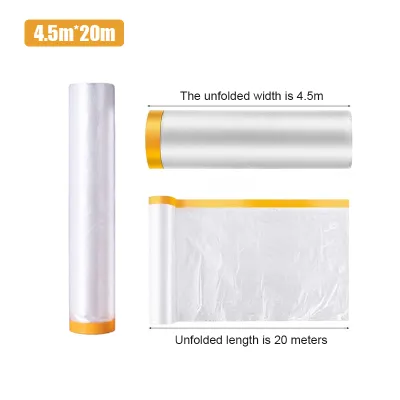
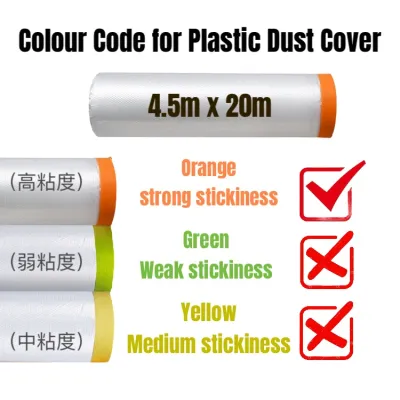
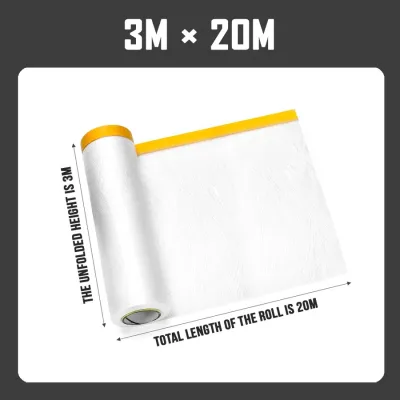
![[HomeCouple] Large Furniture Dust Cover Plastic Sheet Disposable Dustproof Protector for Bed Table Fridge Renovation](https://img.lazcdn.com/g/p/9db84a87fa4f284ad6f2b16c6c0fcf0f.png_400x400q80.png_.webp)
Prices are valid at publication and may change. Please refer to the product page for the latest price.
PVC is highly popular for heavy-duty applications due to its exceptional clarity, weight, and resistance to impacts. It is commonly sold in thick, rigid sheets or flexible, heavy mats that lay flat on hard surfaces like dining tables and desks. However, PVC often contains plasticizers—chemical additives that grant the material its flexibility—which can migrate over time and react with certain furniture finishes. Additionally, PVC is highly sensitive to heat, meaning hot plates or direct sunlight can cause it to warp, discolor, or even bond to the underlying surface.
PE is a lighter, highly flexible, and cost-effective alternative that is frequently used for temporary or disposable dust covers. It is highly resistant to moisture and chemicals, making it an excellent choice for shielding furniture during home painting or renovation projects. PE is typically thinner than PVC and is available in both low-density (LDPE) and high-density (HDPE) forms. While it provides an excellent barrier against fine dust and paint splatters, it lacks the aesthetic clarity and long-term durability required for permanent daily use.
EVA is a non-toxic, highly flexible copolymer known for its rubber-like softness and excellent low-temperature toughness. It is widely used for non-slip shelf liners and drawer mats because it does not contain the volatile plasticizers found in standard PVC. EVA liners are typically textured, providing a cushioned, slip-resistant surface that protects delicate glassware and cabinet interiors. This material is highly resistant to cracking and stress, making it a durable choice for high-traffic storage areas.
TPU represents a premium tier of furniture protection, combining the best properties of plastic and rubber. It offers outstanding elasticity, high transparency, and superior resistance to oil, grease, and abrasion. Unlike PVC, TPU is highly breathable, which significantly reduces the risk of moisture accumulation beneath the cover. It is also highly resistant to yellowing under UV exposure, making it an excellent, albeit more expensive, option for long-term protection of high-end furniture pieces.
When shopping for plastic protectors, always check the manufacturer’s product labels for material safety certifications, exact thickness specifications, and recommended indoor use conditions. Thickness is typically measured in millimeters (mm) for rigid mats or mils (thousandths of an inch) for flexible films. Choosing the correct thickness ensures the protector can withstand daily wear without tearing or shifting. Be aware of inherent material limitations, such as initial manufacturing odors or potential discoloration over years of use, and select your materials based on whether you need short-term temporary shielding or long-term daily defense.
Matching Protectors to Specific Furniture Pieces
Different furniture types present unique physical profiles and surface vulnerabilities. A protector that works perfectly on a flat wooden table can cause severe damage if applied to a soft leather sofa or a delicate glass cabinet. To ensure optimal protection, you must match the style, thickness, and attachment method of the plastic protector to the specific demands of each furniture category.

Sofas and Upholstered Seating
Protecting upholstered seating requires a careful balance between dust exclusion and air circulation. Fabric and leather sofas are highly susceptible to trapping ambient moisture, which can lead to musty odors, mildew, and structural degradation of the internal cushioning. When selecting a plastic cover for seating, you must decide between fitted, contoured covers and loose, draped sheets.
Fitted plastic covers are designed to match the specific dimensions of standard armchairs, love seats, and multi-seater sofas. They offer a neat, tailored appearance and are less likely to shift when someone sits down. However, because they hug the furniture closely, they must feature built-in ventilation eyelets or breathable mesh panels to allow air to circulate freely. This is particularly critical for leather sofas, as completely sealing leather in non-breathable plastic can trap humidity, causing the leather to sweat, peel, or develop mold.
Loose plastic drapes, typically made of lightweight PE, are ideal for temporary storage or during home renovations. They are easy to throw over irregular sofa shapes and can be quickly secured around the base. Regardless of whether you choose fitted or loose covers, look for designs that incorporate anti-slip textures on the underside, elasticized hems, or adjustable tie-down straps. These features prevent the plastic from sliding off the slick fabric or leather surfaces, ensuring the cover remains securely in place even with regular movement.
Dining Tables and Hard Surfaces
Hard surfaces like dining tables, coffee tables, and desks require robust protection against scratches, liquid spills, and heat rings. The choice here typically lies between thick, reusable PVC table mats and thin, disposable PE protective films. Reusable mats, often 1.5mm to 3mm thick, provide a sturdy, glass-like protective layer that preserves the visual appeal of the wood grain or marble beneath while absorbing the impact of daily dining activities.
However, before placing a thick plastic mat directly onto a wooden table, you must verify the type of finish used on the wood. Many traditional varnishes, lacquers, and oil finishes react chemically with the plasticizers in PVC, leading to a sticky residue or permanent cloudiness on the wood surface. Always consult your furniture care manual or test a small, inconspicuous area before full application. If your table has a sensitive finish, consider placing a soft, breathable fabric tablecloth or felt pad beneath the plastic mat to act as a protective barrier.
For temporary events or high-mess activities like children’s crafts, thin disposable PE films are highly practical. They can be taped down along the edges and discarded after use, saving you from tedious cleanup. When purchasing thick, semi-permanent mats, pay close attention to the edge finishing. Look for mats with beveled or rounded edges rather than sharp, straight-cut borders. Rounded edges prevent the plastic from scratching your forearms during meals and reduce the risk of the mat catching on clothing or lifting at the corners.
Cabinets and Shelving Units
The interiors of cabinets, pantries, and bookshelves are prone to accumulating dust, ring marks from bottles, and scratches from sliding dishes or books. Protecting these surfaces requires durable liners that stay flat and are easy to clean. The primary decision is choosing between adhesive shelf liners and non-adhesive roll-out mats.
Adhesive plastic liners provide a permanent, seamless barrier that will not shift or bunch up when items are dragged across the shelf. They are excellent for smooth, painted surfaces or laminate cabinets. However, adhesive liners can be difficult to install perfectly without trapping air bubbles, and removing them years later can leave behind a stubborn, sticky residue or even peel away delicate wood veneers. For high-value wooden cabinetry, non-adhesive roll-out mats made of EVA or thick PE are highly recommended. These mats rely on gravity and textured, high-friction undersides to stay in place, making them incredibly easy to remove, wash under a tap, and reuse.
For open shelving units or display cabinets that house collectibles, full-cover dust hoods or zippered plastic enclosures offer comprehensive protection. These covers shield the entire unit from airborne dust, pet dander, and cooking grease while keeping the contents visible. When preparing to line your shelves or cover a cabinet, always measure the internal depth and width with a metal measuring tape. Accurate measurements allow you to make clean, custom cuts using a utility knife and a straight edge, preventing overlapping edges that can trap dust and debris.
How to Measure and Ensure a Proper Fit
An ill-fitting plastic protector not only looks unsightly but also fails to provide adequate protection. If a cover is too small, it will leave vulnerable areas exposed to dust and spills; if it is too large, excess plastic can pool on the floor, creating a tripping hazard and collecting dirt. Achieving a precise fit requires a systematic approach to measuring and accounting for the unique geometry of your furniture.
Begin by gathering a reliable metal measuring tape, a notepad, and a pencil. For standard rectangular or square furniture, measure the three primary dimensions: length, width, and height. When measuring a sofa or armchair, ensure you measure from the outermost points, which often include protruding armrests, rolled backs, or decorative wooden legs. Do not simply measure the seating cushion area, as the cover must slip over the entire frame of the furniture without straining the seams of the plastic.
For tables and desks, you must decide on the desired drop length or edge overhang. A full-drop cover hangs all the way to the floor, providing complete protection for the table legs, which is ideal for long-term storage. A partial-drop cover typically hangs 20 to 30 centimeters over the edge, offering a classic look while protecting the table edge. If you are purchasing a thick, rigid PVC mat designed to sit flush on the tabletop, measure the exact surface dimensions without any overhang. Even a minor overhang of a thick mat can catch on passing traffic, causing the entire mat to slide and potentially spill items placed on top.
Irregularly shaped furniture, such as oval dining tables, wingback chairs, or pieces with protruding hardware, requires extra care. For oval or round tables, measure the widest diameter and consider creating a paper template of the tabletop curve to send to custom-cut protector manufacturers. For chairs with complex contours, look for specialized fitted designs that feature elasticized corners or adjustable drawstrings. These mechanisms allow the plastic to conform to the unique shape of the furniture, ensuring a snug, secure fit that keeps dust out of every crevice.
Installation, Maintenance, and Safety Checks
Proper installation and ongoing maintenance are essential to ensure your plastic protectors perform effectively without causing unintended damage to your furniture or home environment. Simply throwing a plastic cover over a dusty or damp piece of furniture can trap abrasive particles and moisture, leading to scratches, mold, and unpleasant odors.
Before applying any plastic protector, thoroughly clean the furniture surface. Vacuum fabric upholstery to remove loose dust and pet hair, and wipe down hard surfaces with a damp cloth and a mild, furniture-safe cleaner. It is absolutely critical that the furniture is completely dry before you cover it. In humid environments, even a tiny amount of trapped moisture can quickly develop into mold or mildew beneath a non-breathable plastic barrier. Allow wooden and leather surfaces to air dry in a well-ventilated room for several hours before installing the protector.
Once installed, establish a routine maintenance schedule to keep both the plastic and the furniture in top condition. Wipe down the exterior of plastic covers regularly with a damp microfiber cloth to prevent dust buildup from becoming airborne when the furniture is used. Avoid using harsh chemical solvents, abrasive scrubbing pads, or bleach on the plastic, as these can cloud, scratch, or degrade the material. Periodically lift the corners of thick table mats or remove sofa covers to check for trapped condensation or fine grit that may have slipped underneath, wiping both surfaces dry before replacing the cover.
If you are using adhesive protective films, take precautions during both application and removal to protect the underlying finish. Before applying adhesive film to a large area, always perform a patch test on a small, hidden section of the furniture, such as the underside of a table leg or the back of a cabinet. Leave the test strip in place for a few days, then remove it slowly to ensure it does not peel away paint, varnish, or wood veneer. When removing adhesive films permanently, peel them back slowly at a 45-degree angle; if the adhesive feels stubborn, gently warming the area with a hairdryer on a low, cool setting can help soften the adhesive for a safer release.
Frequently Asked Questions (FAQ)
Can plastic protectors cause damage to wood furniture finishes?
Yes, plastic protectors can damage wood finishes if used incorrectly or if the wrong material is selected. The primary risk comes from plasticizers—chemicals used to make plastics like PVC flexible—which can migrate out of the plastic and chemically react with wood lacquers, varnishes, and oil finishes, leaving a sticky, cloudy, or ruined surface. Additionally, non-breathable plastic can trap ambient moisture against the wood, leading to wood warping, veneer peeling, or mold growth. To prevent this, always consult your furniture manufacturer’s care instructions before applying plastic. If you must use a plastic protector on a sensitive wood finish, place a breathable fabric barrier, such as a cotton tablecloth or felt pad, directly on the wood surface beneath the plastic.
How do I remove the chemical odor from new plastic furniture covers?
New plastic protectors often emit a strong chemical odor, known as off-gassing, which is caused by volatile organic compounds (VOCs) escaping from the newly manufactured material. To safely remove this odor, unpack the protector and hang it in a well-ventilated outdoor area, balcony, or utility room away from direct sunlight and high heat sources, which can warp or discolor the plastic. If the manufacturer’s care label permits, you can wipe down both sides of the plastic with a mild solution of dish soap and warm water, then rinse with a clean, damp cloth and allow it to dry completely. Never use harsh chemical solvents, aerosol sprays, or high heat from a dryer or direct sun, as these will degrade the plastic structure and potentially release more odors.
Community discussion
Share your experience or ask a question. Comments are reviewed before publication.