
Choosing the perfect seating to accompany your kitchen & dining furniture is more than just finding a comfortable place to sit; it is an exercise in visual balance. The right chairs bridge the gap between your culinary workspace and your dining area, creating a cohesive environment where family and guests want to linger. To achieve this harmony, you must evaluate your kitchen’s existing design elements, establish a clear styling strategy, and select chairs that physically and visually fit your space.
By taking a structured approach to analyzing materials, colors, and spatial constraints, you can avoid mismatched purchases and create a dining zone that feels like a natural, intentional extension of your home.
Assess Your Current Kitchen Design
Before browsing showroom floors or online catalogs, you must conduct a thorough visual audit of your current kitchen. Your kitchen is not a blank canvas; it is already defined by dominant architectural features, material textures, and color relationships that will dictate what style of seating will look best.
Products mentioned in this guide
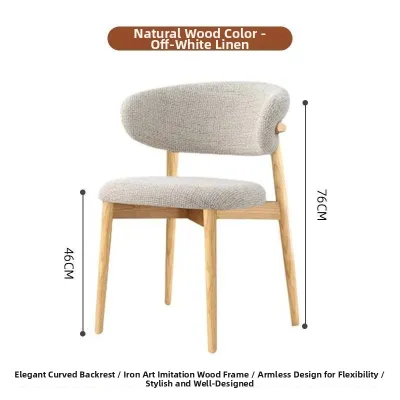
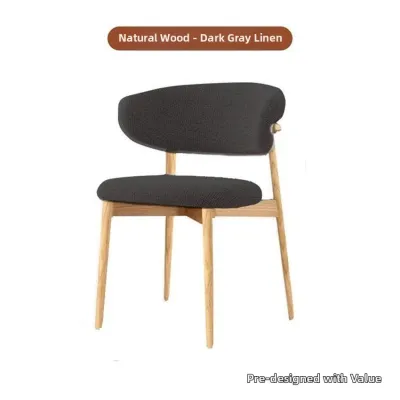
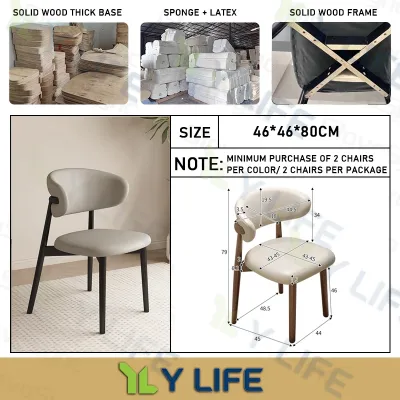
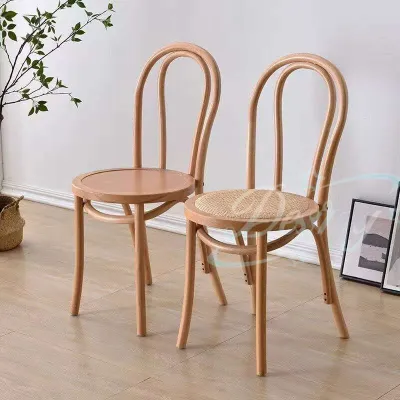
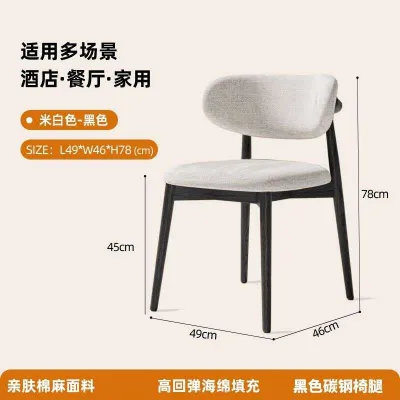
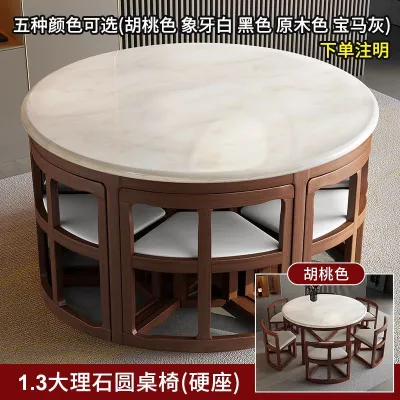
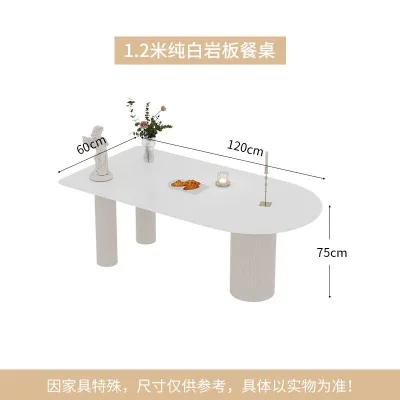
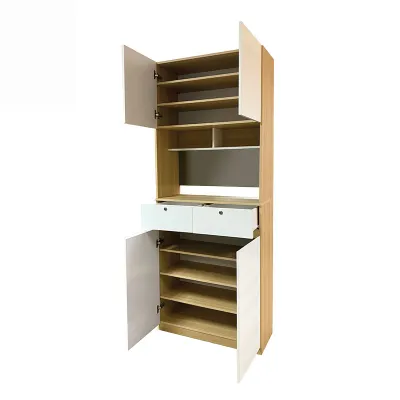
Prices are valid at publication and may change. Please refer to the product page for the latest price.
Begin by identifying the dominant surfaces. Take note of your cabinetry style. Are your cabinets sleek, flat-panel doors with a high-gloss finish, or do they feature classic Shaker-style profiling with a matte texture? The cabinet style sets the structural tone of the room. Next, examine your countertops and backsplash. A polished marble or quartz countertop with dramatic veining introduces a strong organic pattern, whereas a solid white surface offers a clean, neutral plane.
Next, analyze the color palette. Identify the primary color, which is typically found on your cabinets or walls, and the secondary color, often represented by your countertops or flooring. Do not overlook accent colors, which might appear in a tiled backsplash, open shelving, or small appliances. Understanding whether your kitchen skews warm (beige, wood tones, warm whites) or cool (grey, concrete, crisp whites) will prevent you from buying chairs that clash with the room’s temperature.
Observe the metal hardware and fixtures. Look at your cabinet handles, kitchen faucet, and light fixtures. If your kitchen features brushed brass or copper, it carries a subtle warmth and elegance. If it features matte black or polished chrome, it leans modern or industrial. These metallic accents are excellent anchor points for coordinating your chair legs or frames.
Finally, define the overall atmosphere. Is your kitchen bright, airy, and filled with natural light, or is it a moody, intimate space with dark cabinetry and warm, focused task lighting? Defining this mood helps you select chairs that reinforce the existing ambiance rather than fighting against it.
Decide on a Styling Strategy: Match or Contrast
Once you have mapped out your kitchen’s design DNA, you must choose a styling direction: seamless matching or intentional contrast. Both approaches are highly effective, but they yield entirely different visual outcomes.

Seamless Matching
The seamless matching strategy aims to blend your dining chairs into the background, creating a calm, unified, and expansive look. This approach is particularly beneficial for compact open-concept layouts, where visual clutter can make a space feel smaller. To execute this, look for chairs that echo the dominant materials and colors of your kitchen. For example, if you have warm oak cabinetry, selecting dining chairs made from a similar oak finish creates an unbroken visual flow. If your kitchen island features a white quartz top and white cabinets, white molded or upholstered chairs will seamlessly continue that clean line. This strategy creates a sense of serenity and makes the dining zone feel like an organic extension of the kitchen.
Intentional Contrast
The intentional contrast strategy treats your dining chairs as design statements or focal points. This approach breaks up monochromatic schemes and adds layers of texture to a kitchen that might otherwise feel flat or sterile. To contrast successfully, look for materials and colors that sit opposite your kitchen’s dominant elements. If your kitchen is dominated by cool materials like concrete countertops and grey flat-panel cabinets, introducing dining chairs with warm teak frames or rich cognac leather upholstery provides an instant visual lift. If your kitchen is entirely white, a set of matte black chairs creates a striking graphic contrast that anchors the dining area.
Choosing between these strategies depends on your long-term goals. If you enjoy changing your home decor frequently, matching your chairs to the permanent fixtures (like cabinets and flooring) provides a stable, timeless base. If you want to inject personality and make the dining area stand out as its own distinct zone within an open-plan home, intentional contrast is the more dynamic route.
Pair Dining Chair Styles with Kitchen & Dining Furniture Themes
The silhouette, material composition, and structural lines of a dining chair dictate its perceived style. Matching the chair’s design language to your kitchen’s overarching theme ensures a harmonious transition between the cooking and dining zones.
Modern and Minimalist Kitchens
Modern and minimalist kitchens prioritize clean lines, hidden storage, and uncluttered sightlines. To maintain this streamlined aesthetic, your dining chairs should feature simple, unembellished silhouettes that do not compete with the architecture.
Material Choices: Look for chairs constructed from molded plastic, acrylic, or slim metal frames. Acrylic or “ghost” chairs are excellent for keeping sightlines completely open, as they allow light to pass through them entirely.
Design Details: Avoid heavy, bulky upholstery, deep button tufting, or ornate carvings. Instead, focus on low-profile backs and slender legs.
Color Coordination: Match or subtly contrast the chairs with your cabinet finishes. If you have matte black cabinets, a set of minimalist chairs with matching black powder-coated metal legs will look incredibly cohesive. Keep the color palette restricted to monochromatic tones or a single, deliberate accent color.
Scandinavian and Japandi Kitchens
Scandinavian and Japandi (Japanese-Scandinavian fusion) kitchens celebrate natural materials, warmth, simplicity, and craftsmanship. The goal in these spaces is to create a cozy, organic atmosphere that feels connected to nature.
Material Choices: Prioritize light-toned woods such as ash, oak, or beech. Woven natural elements like rattan, paper cord, or cane are hallmark features of these styles and add beautiful tactile texture to the room.
Design Details: Choose chairs with organic, rounded shapes and functional, unembellished designs. Classic spindle-back chairs or chairs with curved wooden backrests fit beautifully.
Fabric Selection: If you opt for upholstered seats, select natural, breathable fabrics like linen, cotton blends, or textured bouclé in muted, earthy tones such as beige, sand, olive green, or soft grey.
Industrial and Urban Kitchens
Industrial and urban kitchens embrace raw, exposed materials, architectural metalwork, and a slightly edgy, utilitarian vibe. The challenge here is to complement these rugged elements without making the space feel cold or uninviting.
Material Choices: Look for chairs that combine dark metals (such as iron or steel) with raw-finish wood or distressed leather.
Design Details: Utilitarian silhouettes work best. Tolix-style metal chairs, schoolhouse-style chairs, or stools with visible hardware and rivets reinforce the industrial aesthetic.
Balancing Textures: Because industrial kitchens often feature hard surfaces like concrete, brick, and stainless steel, use your dining chairs to introduce subtle warmth. A metal-framed chair with a rich, distressed leather seat pad provides the necessary comfort and visual softness while remaining true to the urban theme.
Traditional and Farmhouse Kitchens
Traditional and farmhouse kitchens are characterized by warmth, detailed craftsmanship, and a sense of history. These spaces often feature detailed cabinetry, open shelving, and classic fixtures that invite comfort.
Material Choices: Solid wood with rich, warm finishes (such as walnut, cherry, or reclaimed pine) is the standard for traditional spaces.
Design Details: Classic silhouettes like Windsor (spindle-back) chairs, ladder-back chairs, or elegant Parson chairs with fully upholstered backs work wonderfully. Look for details that echo traditional cabinetry, such as turned legs, carved back splats, or subtle nailhead trim.
Fabric Selection: For upholstered options, durable fabrics with classic patterns like subtle stripes, plaids, or rich solid textures work well. Choose finishes that can withstand daily use while maintaining their classic charm.
Adapt Choices for Space and Daily Use
While aesthetics are crucial, dining chairs are highly functional pieces of kitchen & dining furniture that must withstand daily use and fit comfortably within your home’s physical footprint. This is especially important in Singapore, where residential layouts in HDB flats and condominiums often feature compact dining nooks or open-concept kitchen-living areas.
Space Optimization in Compact Layouts
In smaller dining areas, every centimeter counts. To maintain clear walkways and prevent the space from feeling cramped, prioritize armless chairs. Chairs with arms require more lateral space and cannot always be pushed fully under the dining table when not in use. Additionally, opt for low-profile backrests or visually lightweight designs, such as chairs with thin metal legs or open spindle backs. These designs allow light and sightlines to pass through, making the entire room feel more spacious.
Proportion and Scale Measurements
Before purchasing, you must check the physical dimensions of the chairs against your existing dining table. A standard dining table stands around 75 cm tall, which typically requires a chair with a seat height of approximately 45 cm. This leaves a comfortable 30 cm of clearance between the seat and the underside of the table. Furthermore, ensure there is at least 60 to 90 cm of space behind each chair when tucked in. This clearance is necessary to allow people to pull the chairs out comfortably and walk behind seated guests without bumping into walls or kitchen counters.
Material Practicality and Cooking Environments
In open-concept Singaporean homes, the dining table is often positioned close to the cooking zone. This proximity means your dining chairs will be exposed to airborne grease, moisture, and humidity from daily cooking. Relying solely on a material’s name is not enough to guarantee longevity; you must evaluate the finish, joints, and care requirements.
- Wood: If choosing wooden chairs, ensure they have a protective, moisture-resistant sealant or polyurethane finish. Untreated wood can absorb grease and warp in high humidity.
- Upholstery: Avoid delicate fabrics like silk or standard velvet, which trap odors and are difficult to clean. Instead, opt for performance fabrics treated with stain-resistant coatings, or wipeable materials like genuine leather or high-quality synthetic leather (polyurethane).
- Metal: Ensure any metal components are powder-coated or treated to resist rust, especially in humid environments.
Always check the manufacturer’s care labels and cleaning instructions to ensure the materials align with your household’s cooking habits and maintenance preferences.
Test the Visual and Physical Fit Before Buying
To avoid buyer’s remorse and the logistical headache of returning bulky items, perform a series of physical and visual checks before finalizing your purchase.
Physical Space Mapping
Do not rely on visual estimation alone. Use painter’s tape to map out the exact footprint of the chairs on your dining room floor. Keep the tape in place for a day or two to see how the mapped-out boundaries affect your daily movement through the kitchen and dining area. Additionally, measure your home’s entry points. Verify that the packaged chairs can fit through your main doorway, hallway corners, and the building’s lift doors.
Visual and Lighting Testing
The way a chair looks in a brightly lit showroom or on a computer screen can differ drastically from how it looks in your home. Request material, wood, or fabric swatches from the retailer if available. Place these samples in your kitchen and observe them at different times of the day. A fabric that looks warm and inviting under the showroom’s cool lights might look dull in your kitchen’s natural morning light, or overly yellow under your warm LED evening fixtures.
Ergonomic and Quality Checks
If you are purchasing from a physical showroom, take the time to test the chairs thoroughly. Sit in them for more than just a few seconds. Evaluate the seat depth—your thighs should be supported without the front edge pressing uncomfortably into the back of your knees. Check the angle of the backrest; it should support your lower back comfortably. Gently wiggle the chair to test the stability of the joints and frame construction. If you are buying online, read customer reviews specifically looking for mentions of structural stability and long-term comfort.
Review Retailer Policies
Finally, always verify the retailer’s return, exchange, and warranty policies before placing your order. Large kitchen & dining furniture items can be costly to ship back if they do not fit or if the color does not match your kitchen as expected. Understanding the return window, restocking fees, and whether the retailer offers assembly services will save you time and stress, ensuring a smooth and successful upgrade to your home.
Community discussion
Share your experience or ask a question. Comments are reviewed before publication.