
Protecting floors from the daily scuffs of moving furniture does not mean settling for industrial-looking plastic glides or boring felt pads. Cute chair socks offer a delightful, budget-friendly solution that cushions your furniture legs while showcasing your personal style. These fabric booties easily slide onto chair legs, instantly muffling harsh scraping noises and preventing deep scratches on popular flooring materials like luxury vinyl tiles (LVT), engineered wood, and polished porcelain.
However, finding the perfect set requires balancing aesthetic charm with functional durability. While a whimsical design might catch your eye, it must also fit securely, withstand daily sliding, and complement your existing interior design. This guide walks you through matching these playful protectors to your specific home decor style, ensuring a precise fit, and maintaining them for long-term floor preservation.
Matching Cute Chair Socks to Your Home Decor Style
Your choice of furniture accessories should feel like an intentional design decision rather than an afterthought. Because chair legs sit at eye level when you are seated, the socks you choose will naturally draw attention. Selecting a style that harmonises with your room’s overall aesthetic prevents visual clutter and enhances the space’s character.
Products mentioned in this guide
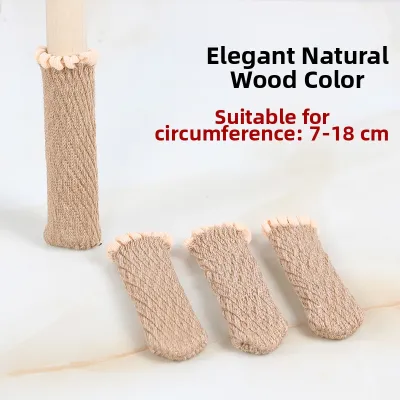
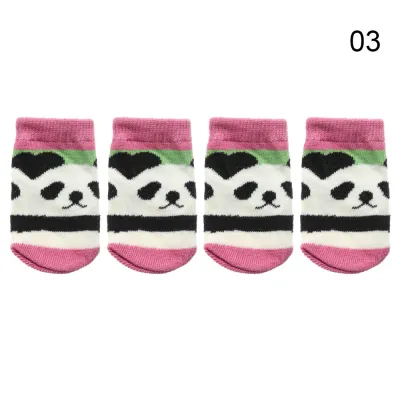
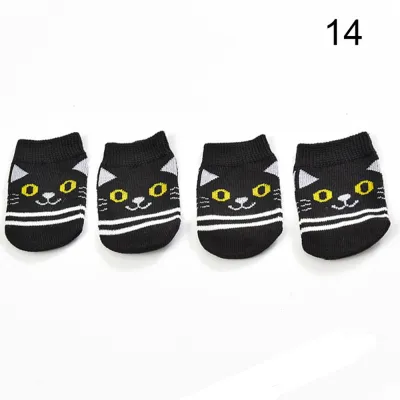
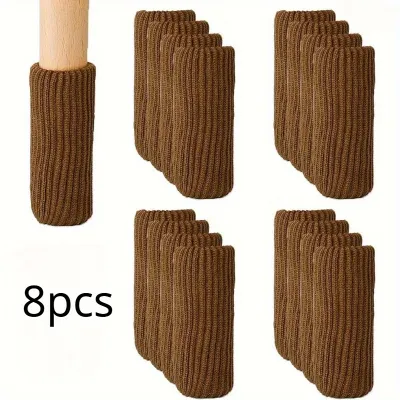
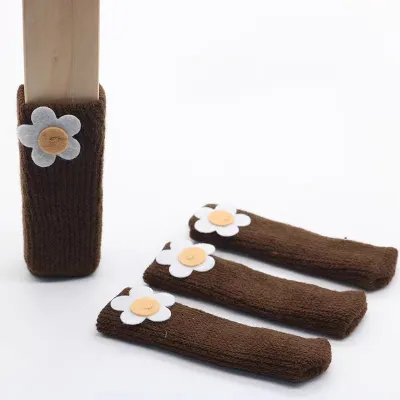
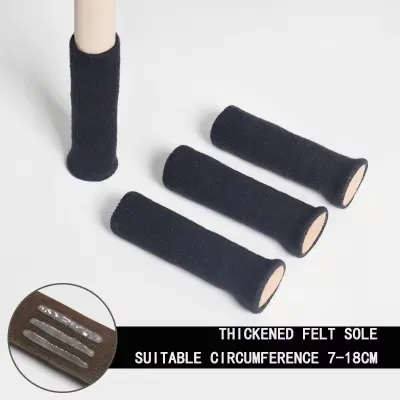
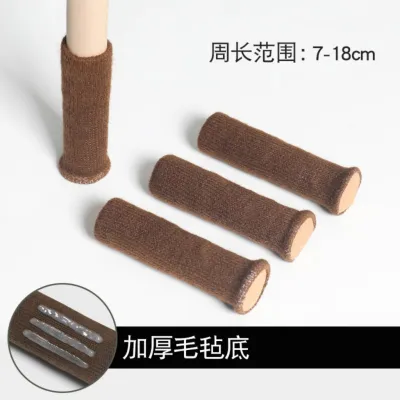
Prices are valid at publication and may change. Please refer to the product page for the latest price.
Minimalist and Scandinavian Interiors
Scandinavian and minimalist designs rely heavily on clean lines, light wood tones like ash or oak, and an abundance of natural light. To maintain this serene atmosphere, look for cute chair socks that focus on high-quality textures and subtle patterns rather than loud, busy graphics.
Cable-knit patterns, ribbed textures, and soft waffle weaves add a touch of warmth and tactile interest without overwhelming the eyes. Opt for soft neutrals such as oatmeal, charcoal, or cream, or gentle pastels like sage green and dusty rose. These understated designs provide a cozy, hygge-inspired accent that blends seamlessly with your minimalist dining set or home office desk.
Bohemian and Rustic Spaces
Bohemian and rustic interiors celebrate natural materials, rich textures, and eclectic, global influences. If your home features rattan armchairs, cane cabinets, or distressed wooden dining tables, your chair socks can reflect this artisanal charm.
Consider socks featuring playful tassel details, woven macrame-style textures, or chunky braided knits. Warm, earthy hues like terracotta, mustard yellow, olive green, and rust orange beautifully complement the organic tones of wooden and woven furniture. These textured additions feel like hand-crafted extensions of your decor, enhancing the relaxed, lived-in feel of a boho-chic living space.
Kids' Rooms and Playful Themes
Children’s bedrooms, playrooms, and nurseries are the perfect canvas for highly expressive, vibrant, and whimsical designs. From adorable animal paws (such as cats, bears, or foxes) to bright neon colors and novelty character shapes, the options here are virtually limitless.
While focusing on the fun factor, prioritize safety and durability in spaces where children spend their time. Always check the manufacturer’s product labels to ensure the socks are colored with non-toxic dyes. Inspect the items for secure construction; avoid designs with small, glued-on plastic eyes or loose buttons that could easily detach and present a choking hazard to curious toddlers.
Modern and Contemporary Spaces
Modern and contemporary homes often feature structured layouts, bold contrasts, and sleek materials like polished metal, glass, or acrylic. Introducing a playful element into such a streamlined environment requires a careful balance to avoid clashing with the sophisticated architecture.
Look for geometric patterns, bold color-blocking, or clean, contrasting stripes that echo the structured lines of your furniture. A solid black sock with a sharp white cuff, or a deep navy blue option with a metallic thread accent, can provide a sophisticated yet cute pop of personality. These tailored designs soften the starkness of metal or acrylic legs while respecting the clean, modern aesthetic of your dining or lounge area.
Ensuring Effective Floor Protection and Fit
While visual appeal is important, the primary job of any chair sock is to protect your floors from friction and wear. A poorly fitting sock will slide down, bunch up, or wear through quickly, leaving your flooring vulnerable to damage. Ensuring proper fit and material composition is essential for long-term performance.

Measuring Chair Legs Before purchasing any chair socks, take precise measurements of your furniture legs to ensure a snug, secure fit. First, identify the shape of the leg, noting whether it is round, square, rectangular, or uniquely tapered, as some socks are specifically molded for certain shapes. Next, use a flexible tape measure to find the diameter or width across the bottom of the leg. If your chair legs are tapered or irregular, wrap a piece of string around the base and measure the string length against a ruler to find the exact perimeter. Finally, check the height to ensure the sock is tall enough to cover the lower portion of the leg without interfering with low-lying cross-braces.
Material and Bottom Verification The material on the bottom of the sock determines how smoothly your chair will slide and how well your floor is protected. Knit fabric alone can wear down quickly under heavy daily use, especially on rougher tile grout lines. Look for products with reinforced bottoms, such as integrated felt pads or thick silicone bases stitched directly into the fabric. Felt bottoms allow chairs to glide effortlessly across hardwood, laminate, and vinyl floors without leaving scuff marks. If you have glossy ceramic tiles, a bottom with subtle silicone grips can prevent the chair from sliding too quickly when you sit down, offering better stability.
Cuff Elasticity The elasticity of the sock’s upper cuff determines whether it stays in place or slips down during daily use. Repeatedly pulling out and pushing in chairs subjects the socks to constant friction. Check product descriptions for high-quality elastic fibers, such as spandex or rubber blends woven into the cuff. Some premium options feature internal silicone grip strips or elastic bands lining the inside of the collar. These non-slip features cling gently to the chair leg, preventing the sock from sagging or sliding off completely.
Thickness and Clearance Adding fabric to the base of your chair legs naturally increases their overall width and height slightly. While this cushioning is excellent for floor protection, it can occasionally cause clearance issues. Verify that the added bulk of the socks will not prevent your chairs from sliding smoothly under your dining table, desk, or kitchen island. This is especially important for tight spaces or chairs with low armrests that only barely clear the underside of the tabletop.
Practical Tips for Using and Maintaining Chair Socks
To keep your floor protectors looking fresh and performing effectively, they require occasional care and maintenance. Because they sit on the floor, they naturally collect dust, hair, and debris over time.
Washing and Drying Fabric and knit chair socks accumulate dust and dirt from daily floor contact, which can dull their colors and compromise cleanliness. Always check the manufacturer’s care instructions before cleaning. Place the socks inside a mesh laundry bag before tossing them into the washing machine to prevent them from getting lost or tangled. Wash them on a gentle cycle with cold water and mild detergent to preserve the elasticity of the cuffs. Avoid using a high-heat clothes dryer, as excessive heat can shrink the fabric and degrade the internal elastic bands or silicone grips. Air dry them completely in a well-ventilated area away from direct, harsh sunlight.
Inspecting for Wear Over time, the friction of sliding chairs will inevitably wear down the fabric, especially at the high-pressure points on the bottom of the legs. Establish a habit of inspecting the bottoms of the socks every few months. Check for thinning yarn, loose threads, or holes forming in the felt or fabric. Gently pull the cuffs to ensure they still snap back quickly; stretched-out cuffs will cause the socks to slip off constantly. Replace any worn-out socks immediately to prevent the hard chair legs from making direct contact with your floors.
Cross-Scenario Compatibility You do not have to use the same design throughout your entire home. A smart approach is to buy a bulk pack of simple, neutral-colored socks for your main dining table, where visual consistency looks best. Save your highly themed, colorful, or animal-shaped novelty socks for accent furniture. A single reading chair in the living room, a vanity stool in the bedroom, or a desk chair in a home office are perfect spots to showcase a more playful design without cluttering the visual flow of your main living areas.
Floor Cleaning The cleanliness of your floors directly impacts the lifespan of both your chair socks and your flooring. Dust, pet hair, and microscopic grit can easily cling to the fabric bottoms of the socks. Vacuum your floors regularly to keep them free of loose debris. Periodically remove the socks and shake or brush off any trapped dust or hair. If grit becomes embedded in the bottom of a chair sock, it can act like sandpaper when the chair is moved, causing fine scratches on delicate vinyl or polished wood surfaces.
Frequently Asked Questions (FAQ)
Can I use chair socks on chairs with wheels?
Standard chair socks are not suitable for office chairs or utility seats equipped with wheels or casters. The rolling motion of the wheels will stretch, twist, and quickly tear the fabric, creating a tripping hazard and failing to protect the floor. If you need to protect floors under wheeled chairs, look for specialized silicone caster cups designed specifically for wheels, or consider replacing the wheels with stationary glider feet before applying fabric protectors.
How do I stop chair socks from slipping off?
If your chair socks keep sliding down, start by verifying that the socks match the exact shape and size of your chair legs. Socks that are too large will naturally lose their grip. Additionally, choose designs that feature internal silicone-lined cuffs or reinforced double-elastic bands. Before putting the socks on, ensure the chair legs are completely clean, dry, and free of any dust or oily furniture polish, which can reduce friction and cause the fabric to slip.
Are chair socks safe for vinyl and laminate floors?
Soft fabric and knit chair socks are generally highly safe for sensitive vinyl and laminate floors, as they provide a gentle, non-abrasive barrier. However, always inspect the product before installation to ensure there are no rough seams, hard plastic decorative elements, or exposed glue on the underside. Additionally, keep your floors clean, as trapped dirt and grit underneath the fabric can grind into the vinyl surface and cause micro-scratches over time.
Community discussion
Share your experience or ask a question. Comments are reviewed before publication.