
Selecting the correct caster wheels for your bed frame is essential for maintaining structural stability, protecting your bedroom flooring, and ensuring ease of movement. To make the right choice, you must coordinate three critical factors: the physical dimensions of the mounting stem, the total weight capacity of your fully loaded bed, and the composition of the wheel material relative to your floor surface. A mismatch in any of these areas can lead to bent metal frames, cracked wooden sockets, gouged floors, or a bed that shifts unexpectedly during the night.
In Singapore’s urban residential environments, where space optimization often requires moving furniture for cleaning, high-quality casters are highly practical. Dust and allergens accumulate rapidly in humid climates, making regular access underneath the bed a hygienic necessity. By choosing the correct casters, you can effortlessly glide your bed away from the wall without risking structural failure or leaving permanent scars on your flooring.
Step 1: Measure the Stem Size and Identify the Mount Type
Before purchasing replacement casters, you must determine how they attach to your bed frame. Relying on visual estimation is a common mistake that leads to unstable furniture or return trips to the store. To get accurate measurements, use a digital caliper if possible, as it provides precise readings down to the millimeter. A standard metal measuring tape or a clear plastic ruler can also work, provided you align the markings carefully with the edges of the stem.
Products mentioned in this guide
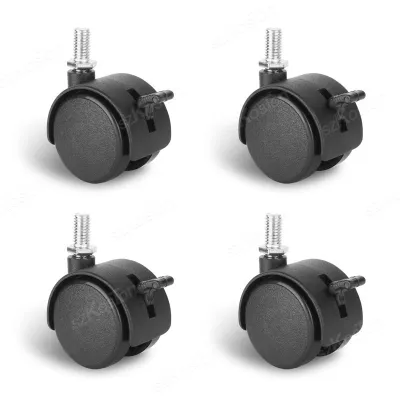
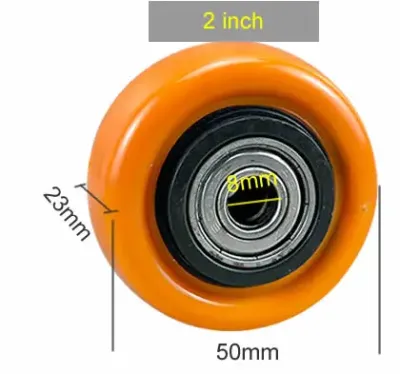

Prices are valid at publication and may change. Please refer to the product page for the latest price.
To measure a caster stem, remove one of the existing wheels from your bed frame. Measure the diameter of the metal stem at its widest point, excluding any expanding rings or threads. Next, measure the length of the stem from the base of the metal collar to the very tip. Even a discrepancy of one millimeter can prevent a stem from fitting into the socket or cause it to wobble under load, which eventually damages the frame.
Grip Ring and Grip Stem Casters
Grip ring and grip neck stems are the most common friction-fit mechanisms found on modern metal and wooden bed frames. A grip ring stem features a small, split metal ring wrapped around a groove near the top of the cylinder. When you push the stem into the socket, this ring compresses and then expands against the inner walls of the sleeve, creating tension that holds the caster in place.
To identify a grip neck stem, look for a flared top and a wider base, which is designed to fit into a specialized plastic or metal socket insert. When measuring for these types, you must also measure the depth of the socket inside the bed frame. If the replacement stem is too long, it will bottom out before the collar meets the frame, leaving a gap that concentrates lateral forces and can crack wooden legs or bend metal sockets. Conversely, if the stem is too short, it will not engage the internal retention mechanism, causing the caster to fall out when the bed is lifted.
Threaded Stem Casters
Threaded stem casters feature a threaded bolt that screws directly into a pre-threaded nut or insert inside the bed frame, a design frequently seen on heavy-duty wooden frames and older furniture. For these casters, you must identify both the thread diameter and the thread pitch. The thread diameter is measured across the outermost peaks of the threads, while the pitch is the distance between individual threads or the number of threads per inch (TPI).
Thread sizes are highly standardized, typically falling into metric classifications like M8 or M10, or imperial measurements such as 5/16″-18 or 3/8″-16. If you do not have a thread gauge, clean the threads of the old caster with a dry brush to remove debris, and take it to a local hardware store. Most hardware outlets provide physical sizing boards where you can screw the old stem into various test holes to find an exact match. Never attempt to force a metric thread into an imperial socket, as this will strip the threads and permanently ruin the bed frame’s mounting point.
Step 2: Calculate the Total Weight Capacity Needed
Calculating the weight capacity of your bed casters is a critical safety step that prevents the wheels from flattening, the bearings from seizing, or the stems from buckling. You must calculate the cumulative weight that the bed will support under maximum load conditions. This calculation must include the weight of the bed frame itself, the mattress, the foundation or box spring, all bedding, and the maximum combined weight of the sleepers.

To establish a safe operating limit, use the following formula:
- Total Weight = Bed Frame + Mattress + Bedding + Occupants
- Required Capacity per Caster = (Total Weight / Number of Casters) * 1.30
The multiplier of 1.30 introduces a 30% safety margin. This margin is crucial because weight is rarely distributed perfectly evenly across all legs, especially when someone sits on the edge of the bed, climbs in, or shifts positions during sleep. These actions create dynamic forces that momentarily double the load on a single caster.
When shopping for casters, check the manufacturer’s load rating printed on the packaging or detailed in the technical specifications sheet. Do not estimate capacity based on how thick or heavy the wheel looks. A small, high-density polyurethane wheel can often support significantly more weight than a larger, hollow plastic wheel.
You must also account for the physical configuration of your bed frame. While standard frames utilize four corner casters, larger Queen and King-sized frames often feature five or six legs, including one or two center support columns. If your frame has center supports, you must purchase casters of the exact same height and mounting style for those positions. If the center casters are even slightly shorter than the corner ones, the middle of the bed will sag, leading to frame warping and mattress damage. If they are too tall, the bed will pivot on the center legs, causing instability.
Step 3: Select the Right Wheel Material for Your Floor Type
The interaction between your caster wheels and your bedroom floor determines how long both will last. The fundamental rule of thumb for caster selection is to use soft wheels on hard floors, and hard wheels on carpeted floors. Following this guideline minimizes rolling resistance while preventing costly surface degradation.
Hard Surfaces (Tiles, Vinyl, and Laminate)
In Singapore, residential flooring in HDB flats and private condominiums commonly consists of ceramic tiles, luxury vinyl planks (LVP), or engineered laminate. These hard surfaces require soft, non-marking caster wheels made of polyurethane (PU) or soft thermoplastic rubber. Polyurethane offers an ideal balance, providing enough elasticity to absorb vibrations and roll quietly while remaining tough enough to support heavy loads without flat-spotting.
Using hard plastic, nylon, or metal wheels on hard floors is highly damaging. These rigid materials do not compress; instead, they grind trapped dirt particles into vinyl and laminate, leaving deep scratches and wearing away the protective wear layer. On ceramic or porcelain tiles, hard wheels can chip the grout lines or crack the tile edges when rolling over joints. Furthermore, hard wheels generate a loud, echoing rumble on hard floors, which can disturb other household members or neighbors living below you. Selecting wider wheel treads also helps by distributing the bed’s weight over a larger surface area, reducing the risk of indentation on softer vinyl or wood-plastic composites.
Carpeted or Rugged Surfaces
For bedrooms with wall-to-wall carpeting or large area rugs, soft rubber or polyurethane wheels are inefficient. Soft wheels tend to sink into the carpet pile, grabbing the fibers and making the bed extremely difficult to push. Instead, carpeted floors require hard wheels made of nylon, hard polyolefin, or solid plastic.
These hard materials glide easily over carpet fibers without snagging or causing the fabric to bunch up. The smooth surface of a nylon wheel minimizes friction against the textile backing, allowing you to move heavy beds with minimal effort. However, if you have a delicate, high-pile rug or a loop-pile carpet like Berber, ensure the wheel edges are slightly rounded to prevent them from catching and pulling the threads.
Regardless of your floor type, maintaining clean wheels is essential for long-term floor protection. Over time, caster wheels collect hair, dust, and microscopic grit from the floor. In humid environments, this mixture can solidify into an abrasive crust on the wheel tread. Periodically wipe down the wheels with a damp microfiber cloth to remove this debris, ensuring they continue to roll cleanly without scratching your floors.
Step 4: Evaluate Braking and Swivel Features for Stability
A bed that rolls easily is convenient for cleaning, but it must remain completely stationary when you are sleeping or getting in and out of bed. To achieve this balance, you must select casters with reliable braking mechanisms. Casters generally feature either single-lock or dual-lock braking systems, and understanding the difference is key to bedroom safety.
Single-lock casters only stop the wheel from rotating, but they allow the swivel housing to spin freely. On smooth hard floors, a single-locked caster can still slide or drift sideways if you lean against the headboard. For maximum stability, choose dual-lock casters. A dual-lock mechanism simultaneously locks the wheel rotation and the swivel bearing, freezing the caster in both directions. This is particularly important in air-conditioned bedrooms where the cool air can dry out the floor surface, making it slicker and more prone to sliding.
The ease with which you can move your bed depends on the quality of the swivel bearings. Look for casters equipped with double ball bearings in the swivel head. Double ball bearings distribute lateral and vertical forces more efficiently than single bearings, allowing the caster to pivot smoothly even under the heavy weight of a solid wood frame and a latex mattress. This prevents the wheels from dragging sideways when you change directions, which is a major cause of floor scuffing.
When installing your new casters, plan their placement strategically. You do not need brakes on every single leg; typically, installing braked casters on the two legs at the foot of the bed is sufficient, as these are the most accessible. If your bed is positioned in a corner, install the brakes on the sides that are easiest for you to reach with your foot. Avoid placing braked casters under the headboard where they are blocked by bedside tables, making them nearly impossible to engage or disengage without straining.
Step 5: Install the Casters and Verify Floor Safety
Proper installation is the final step in ensuring your bed frame is safe and your floors remain undamaged. Before you begin, clear a wide workspace around the bed and remove the mattress, pillows, and heavy bedding. Trying to install casters while the bed is fully loaded is dangerous and increases the risk of bending the frame or injuring yourself.
To lift the bed frame safely, use dedicated furniture lifts or solid wooden blocks to prop up one end at a time. If you do not have these tools, have a family member assist you in lifting and holding the frame while you work on the legs. Before inserting the new casters, inspect the empty sockets. Use a dry brush or a vacuum crevice tool to clean out any accumulated dust, rust flakes, or old adhesive residues that could prevent the new stem from seating fully.
When installing grip ring or grip neck stems, align the stem straight with the opening of the socket. Push the stem upward firmly until you hear or feel it click into place. If the fit is tight, you can tap the bottom of the caster housing gently with a rubber mallet.
Stop-Work Condition: If the stem does not slide into the socket with moderate hand pressure or a gentle tap, stop immediately. Do not force the stem using a heavy metal hammer. Forcing an oversized stem can split wooden legs, strip the threads of a metal insert, or bend the structural corners of a metal bed frame. If you encounter resistance, remove the caster and double-check your measurements with your caliper to ensure you did not receive the wrong size.
Once all casters are installed, lower the bed frame carefully onto the floor and run through this three-point safety verification checklist:
- Check Level and Seating: Walk around the bed and visually inspect each leg. Ensure that the metal collar of every caster is resting flush against the bottom of the bed frame socket, with no visible gaps. Verify that the bed frame sits perfectly level and does not rock when you apply pressure to the corners.
- Test the Brakes: Engage all the caster brakes. Attempt to push the bed firmly from different angles. The bed should remain completely stationary without sliding, pivoting, or drifting across the floor.
- Inspect the Floor: Disengage the brakes and roll the bed slowly back and forth over a short distance. Immediately inspect the path behind the wheels. Look closely for any indentations, scuff marks, or fine scratches on your tiles, vinyl, or laminate. If you notice any marks, stop rolling immediately and check the wheels for trapped debris or manufacturing defects.
Frequently Asked Questions (FAQ)
Can I use office chair caster wheels on my bed frame?
While some office chair casters share similar stem diameters with bed frame casters, you should not use them on a bed. Office chair casters are engineered for dynamic, active movement under lighter, single-person loads. Bed frames support much heavier, static loads over extended periods, often exceeding several hundred kilograms when occupied. Repurposing chair casters can lead to rapid bearing failure, bent metal stems, or cracked wheels, which can cause the bed to collapse and damage your flooring.
How do I stop my bed casters from rolling on hard floors?
If your bed slides even with the brakes engaged, first ensure the floor and wheels are free of dust, which reduces friction. If the built-in locks are insufficient on highly polished tiles or vinyl, place heavy-duty caster cups made of solid rubber or silicone directly under the wheels. These cups act as a physical barrier, distributing the weight and gripping the floor surface to prevent any sliding. Alternatively, you can place a low-profile, non-slip area rug under the bed frame to provide a high-traction surface for the casters.
Community discussion
Share your experience or ask a question. Comments are reviewed before publication.