
Selecting the right appliance sliders requires matching three core specifications: your appliance’s actual weight, the physical dimensions of its base or feet, and your home’s floor surface. Selecting the wrong slider can lead to floor scratches, unstable movement, or damaged appliance bases. To make the right choice and protect a S$2,000 refrigerator or washing machine, you must verify the load capacity, measure the contact points of your appliance, and select a slider material that minimizes friction.
Decoding Weight Capacity and Load Limits
Before purchasing appliance sliders, you must determine the actual weight of your appliance. This information is typically found on the manufacturer’s nameplate—often located inside the door frame of refrigerators, on the back of washing machines, or within the user manual. Avoid guessing the weight, as modern appliances can vary significantly depending on their internal components and capacity.
Once you have the net weight, compare it against the load rating of the sliders. Manufacturers usually list either a per-slider weight limit or a total distributed capacity for a set of four. To find the per-slider capacity required, divide the total weight of your appliance by the number of contact points (usually four).
Products mentioned in this guide
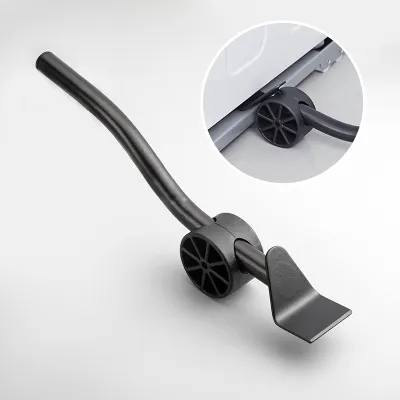
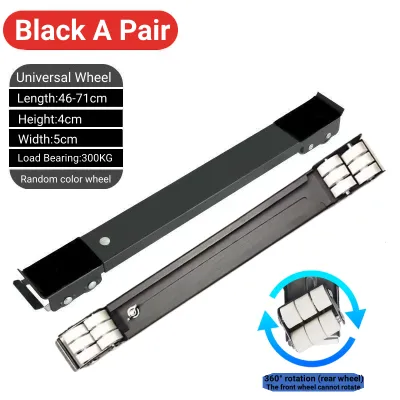
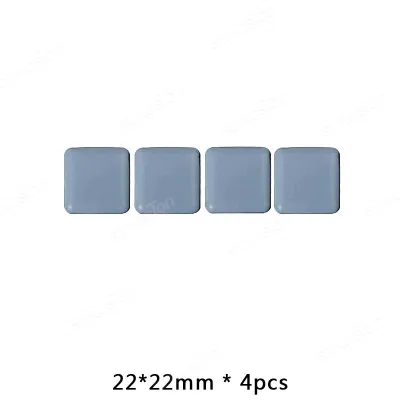
![[SG FREE ] 16 X Furniture Sliders For Carpet Heavy Duty Furniture Slider Movers Gliders](https://img.lazcdn.com/g/p/9458b060675624d87684ab022de40492.jpg_400x400q80.jpg_.webp)
Prices are valid at publication and may change. Please refer to the product page for the latest price.
Always apply a conservative safety margin when evaluating these limits. Operating sliders at their absolute maximum threshold increases the risk of structural failure, which can cause the appliance to tip or drop suddenly. Choosing sliders rated for at least 20% to 30% more than your appliance’s actual weight helps account for shifting loads during movement and ensures a safer glide.
Measuring Appliance Dimensions for Proper Fit
To ensure the sliders remain securely in place during a move, you must measure the physical dimensions of your appliance’s feet or base. Use a measuring tape to find the diameter of round feet or the width of square legs. The slider must be slightly larger than the foot it supports to prevent the appliance from slipping off the edge during transit.

The shape of the appliance base dictates whether you need cup-style or flat-pad sliders. Cup-style sliders feature a recessed center or raised outer rim, making them ideal for rounded or cylindrical feet as they lock the foot in place. Flat-pad sliders, which often feature a non-slip rubber top, are better suited for flat bases, wide legs, or continuous metal tracks that do not fit into standard cups.
Additionally, check the underside of your appliance for low clearances, recessed edges, or low-hanging structural brackets. If the appliance sits very close to the floor, choose low-profile sliders that can slide underneath without catching on the chassis. Verifying these clearances beforehand prevents the slider from jamming or tilting the appliance unevenly.
Matching Slider Materials to Your Floor Type
The material on the bottom of the slider must be compatible with your specific flooring to prevent permanent scratches, scuffs, or gouges. For hard surfaces such as ceramic tile, hardwood, engineered timber, or laminate, verify that the sliders have a soft bottom, typically made of dense felt or soft rubber. These materials cushion the contact point, absorb minor floor debris, and reduce friction and noise as you glide the heavy load.
For carpeted floors or soft rugs, soft materials like felt will grab the fibers and resist movement. Instead, check for sliders with hard, smooth plastic or polished metal bottoms. These hard materials are designed to slide easily over carpet fibers without snagging or tearing the pile, distributing the weight evenly across the soft surface.
Before using any slider, cross-reference the slider’s material care instructions with your flooring manufacturer’s maintenance guidelines. Some luxury vinyl tiles or delicate wood finishes have strict rules regarding the types of plastics or rubbers that can contact them. Verifying compatibility ensures you do not accidentally void your flooring warranty or cause chemical discoloration.
Evaluating Design Features and Usability
Beyond the basic material and size, certain design features can make the moving process significantly easier. Look for sliders that feature built-in handles, pull straps, or leverage tabs. These additions allow you to position, adjust, or pull the sliders under heavy loads without having to wedge your fingers directly beneath the heavy metal edges of the appliance.
If your home has uneven floors or if the appliance has non-standard, adjustable leveling feet, consider modular or self-leveling sliders. These designs feature flexible joints or thick foam tops that compress to accommodate slight height variations, keeping the appliance stable and preventing it from rocking as it moves.
When shopping, learn to filter out marketing claims or minor aesthetic features that do not impact the actual moving task. Features like decorative colors, branded patterns, or claims of “universal lifetime durability” do not change how the slider interacts with your floor. Focus instead on the verifiable physical specifications: weight capacity, base diameter, and bottom material.
Pre-Move Safety and Installation Checks
Before attempting to slide any heavy appliance, you must perform a series of safety and installation checks. Start by completely emptying the appliance. Remove all food from refrigerators, drain water from washing machines, and take out any loose glass shelves or racks. This reduces the overall weight, lowers the center of gravity, and prevents internal items from shifting and causing a tip-over.
Next, carefully lift each corner of the appliance and place the slider directly underneath the foot. Verify that each slider is fully seated with the foot centered on the pad. There should be no tilting, overhang, or unstable contact; an off-center slider can slip out mid-move, dropping the appliance directly onto your floor.
Finally, plan your movement path in advance. Clear away all floor obstacles, cords, and rugs, and measure doorways and lift access to ensure the appliance will fit through. Establish a clear stop condition: if you encounter unexpected resistance, feel the appliance tilt, or hear a scraping sound, stop moving immediately to inspect the sliders and floor before proceeding.
Frequently Asked Questions (FAQ)
Can I use appliance sliders on furniture with casters?
Appliances or heavy furniture pieces with built-in casters generally do not require sliders, as the wheels are designed to handle the movement. In fact, placing a wheeled caster on a standard slider can be highly unstable, as the wheel may roll off the pad during transit. Instead of sliders, recommend using dedicated caster cups or wheel chocks to protect your floors from pressure marks and to prevent the appliance from rolling unexpectedly when stationary.
How do I clean and maintain felt-bottom sliders?
To prolong the lifespan and effectiveness of felt-bottom sliders, you must clean them regularly. Over time, felt pads trap hair, dust, grit, and small debris from the floor, which can act like sandpaper and scratch your hardwood or tile during the next move. Safely remove this debris by vacuuming the felt surface or using a stiff brush. Inspect the pads visually before each use; if the felt has become compressed, thin, or has embedded grit that cannot be removed, the slider pad needs to be replaced.
Community discussion
Share your experience or ask a question. Comments are reviewed before publication.